Ibuprofen vs Aspirin vs Naproxen – Which Painkiller Is Right for You?
So your head is pounding after a long day at work.
Or maybe your back is killing you and you just want some relief.
You open the medicine cabinet and there they are: ibuprofen, aspirin, and naproxen all sitting right next to each other.
And now comes the big question.
Which one should you actually take?
If you’ve ever stood there confused, wondering about ibuprofen vs aspirin vs naproxen, you are definitely not alone.
Millions of people ask this same question every single day.
All three of these painkillers belong to the same family of drugs.
They all reduce pain, bring down fevers, and fight inflammation.
But here’s the thing.
They are NOT the same.
Each one works a little differently in your body.
Each one has its own strengths, its own risks, and its own best uses.
Picking the wrong one could mean it doesn’t work well for your problem.
Or worse, it could cause side effects you didn’t expect.
That’s exactly why I wrote this guide.
At QuickDawa, we’re all about making medicine easy to understand. So let’s break down everything you need to know about ibuprofen, aspirin, and naproxen in simple, clear language that actually makes sense.
No confusing medical jargon. Just real, helpful information.
Let’s dive in.
💊 What Are NSAIDs?
Before we compare these three medicines, let’s understand the family they belong to.
NSAIDs stands for Non-Steroidal Anti-Inflammatory Drugs.
That’s a fancy name, but the idea is simple.
These are medicines that fight three things: pain, inflammation, and fever.
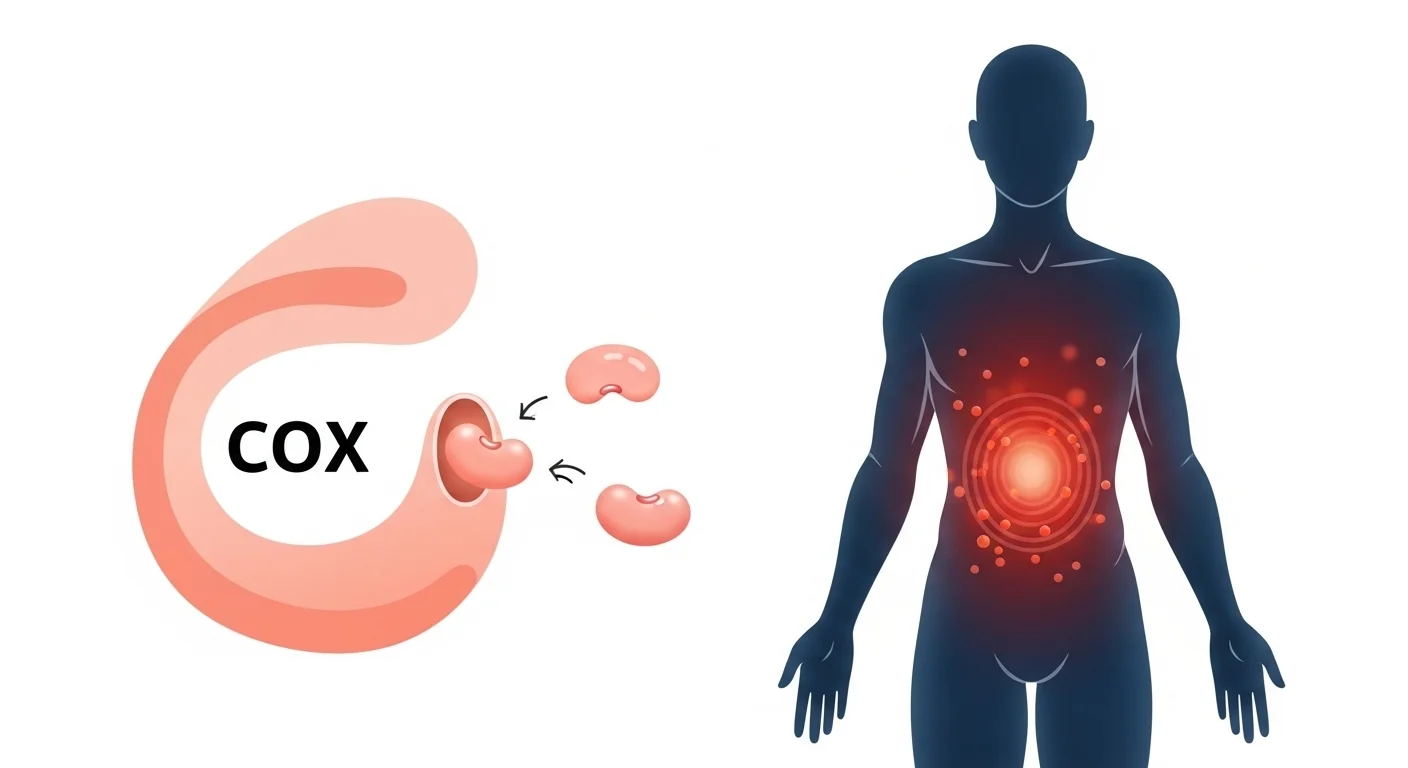
They work by blocking something in your body called COX enzymes.
These enzymes help produce chemicals called prostaglandins.
Prostaglandins are the little troublemakers that cause swelling, pain, and fever.
When NSAIDs block the COX enzymes, fewer prostaglandins are made.
Less prostaglandins means less pain and less swelling.
Pretty straightforward, right?
Now, ibuprofen, aspirin, and naproxen are all NSAIDs.
But they each do this job in slightly different ways.
And that difference matters a lot when you’re choosing which one to take.
Understanding the difference between NSAIDs is the key to making a smart choice for your body.
💊 A Quick Look at Each Medicine
Ibuprofen
Ibuprofen is probably the most popular over-the-counter painkiller in the world.
You might know it by brand names like Advil or Motrin.
It’s used for headaches, toothaches, menstrual cramps, muscle pain, arthritis, and fever.
It works fast, usually within 20 to 30 minutes.
But it wears off in about 4 to 6 hours, so you may need to take it several times a day.
Aspirin
Aspirin has been around for over 100 years.
Brand names include Bayer and Ecotrin.
It’s used for pain relief, fever, inflammation, and something very special that the other two don’t do well.
Aspirin thins your blood.
That’s why doctors prescribe low-dose aspirin to people at risk of heart attacks and strokes.
It stops blood platelets from clumping together.
This is a big deal, and it’s one of the major differences in this comparison.
Naproxen
Naproxen is sold under brand names like Aleve and Naprosyn.
It’s also used for pain, inflammation, and fever.
But here’s what makes naproxen special.
It lasts much longer than ibuprofen.
One dose of naproxen can work for 8 to 12 hours.
That means you take fewer pills throughout the day.
For people dealing with long-lasting pain like arthritis, this can be a real advantage.
⚔️ Ibuprofen vs Aspirin: The Blood Thinning Difference
This is one of the most important comparisons people search for.
And it comes down to one word: blood.
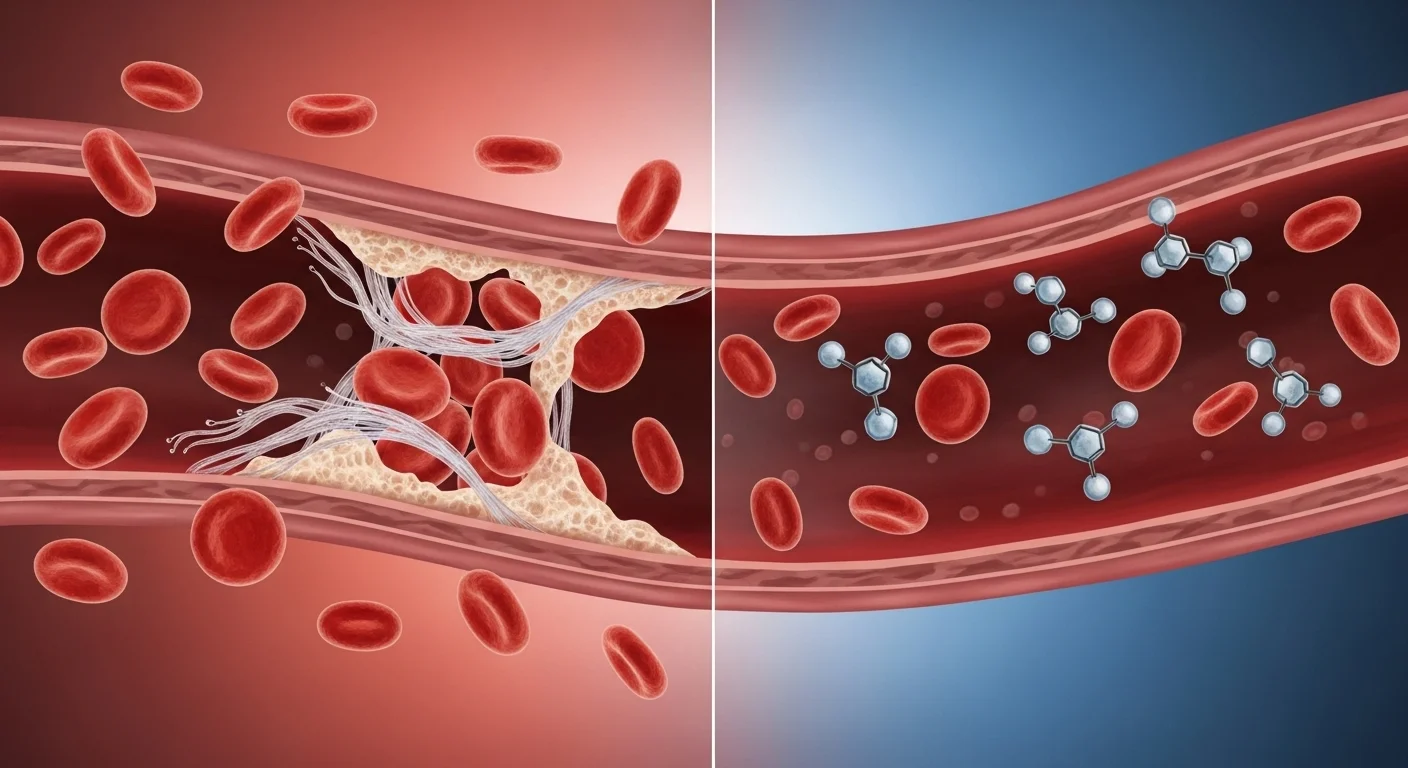
Both ibuprofen and aspirin affect your blood’s ability to clot.
But they do it very differently.
Aspirin blocks blood clotting in a permanent way.
Once aspirin affects a platelet (a tiny blood cell that helps clotting), that platelet stays affected for its entire life, which is about 7 to 10 days.
This is why doctors recommend low-dose aspirin for heart patients.
It keeps the blood thin and flowing smoothly, which can help prevent heart attacks and strokes.
Ibuprofen also affects clotting, but only temporarily.
It wears off as soon as the drug leaves your system, usually within a few hours.
So ibuprofen is not a good substitute for aspirin when it comes to heart protection.
Here’s another important thing.
If you take ibuprofen before your daily aspirin, it can actually block aspirin from working on your platelets.
This is a real concern for people on heart-protective aspirin therapy.
The FDA has actually warned about this interaction.
If you take both, your doctor may advise you to take aspirin first and wait at least 30 minutes before taking ibuprofen.
Bottom line: If you need a blood thinner for heart health, aspirin is the one. Ibuprofen is not designed for that job.
⏱️ Ibuprofen vs Naproxen: The Duration Battle
Now let’s look at the other popular comparison.
When people ask about naproxen vs ibuprofen duration, they want to know which one lasts longer.
And the answer is clear.
Naproxen wins the duration game.
Here’s a simple breakdown:
- Ibuprofen kicks in faster (about 20 to 30 minutes) but only lasts 4 to 6 hours.
- Naproxen takes a bit longer to start working (about 30 to 60 minutes) but lasts 8 to 12 hours.
So if you have a quick headache that you want to knock out fast, ibuprofen might be your best bet.
But if you have ongoing pain throughout the day, like from arthritis, back pain, or menstrual cramps, naproxen could be a better choice because you don’t have to keep popping pills every few hours.
Fewer doses also means less chance of stomach irritation over time.
However, because naproxen stays in your body longer, any side effects it causes will also last longer.
It’s a trade-off.
For the best pain reliever for inflammation that lasts all day, many doctors lean toward naproxen.
But for quick, short-term relief, ibuprofen is often preferred.
📊 Comparison : Ibuprofen vs Aspirin vs Naproxen
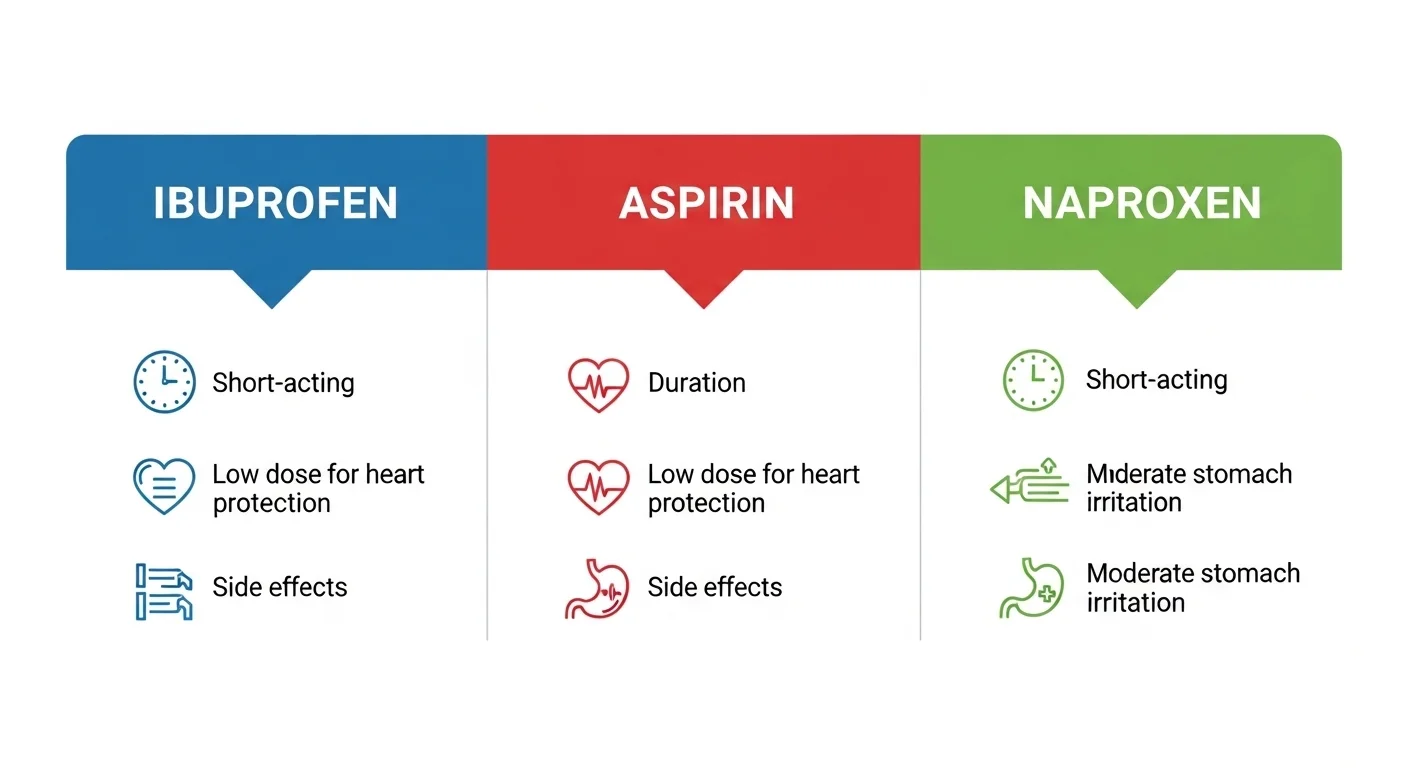
Here’s a comparison to make things crystal clear.
💙 Ibuprofen (Advil, Motrin)
- Drug Class: NSAID
- Onset Time: 20 to 30 minutes
- Duration of Action: 4 to 6 hours
- Dosing Frequency: Every 4 to 6 hours
- Blood Thinning: Temporary and mild
- Heart Protection: No
- Stomach Risk: Moderate
- Best For: Quick pain relief and fever
- Safe for Kids? Yes (with proper dosing)
- OTC Available? Yes
❤️ Aspirin (Bayer, Ecotrin)
- Drug Class: NSAID (also works as an antiplatelet)
- Onset Time: 15 to 30 minutes
- Duration of Action: 4 to 6 hours for pain, but permanent effect on platelets
- Dosing Frequency: Every 4 to 6 hours
- Blood Thinning: Strong and permanent on platelets
- Heart Protection: Yes (at low dose)
- Stomach Risk: Higher than the other two
- Best For: Heart protection and mild pain
- Safe for Kids? NO (risk of Reye’s syndrome)
- OTC Available? Yes
💚 Naproxen (Aleve, Naprosyn)
- Drug Class: NSAID
- Onset Time: 30 to 60 minutes
- Duration of Action: 8 to 12 hours
- Dosing Frequency: Every 8 to 12 hours
- Blood Thinning: Temporary and mild
- Heart Protection: No
- Stomach Risk: Moderate
- Best For: Long-lasting pain and arthritis
- Safe for Kids? Generally for ages 12 and above
- OTC Available? Yes
Important note about aspirin and children: Never give aspirin to children or teenagers, especially during viral illnesses. It has been linked to a rare but serious condition called Reye’s syndrome.
⚠️ Common Side Effects of All Three
Since all three are NSAIDs, they share some common side effects.
These include:
- Stomach upset, nausea, or heartburn
- Stomach ulcers (especially with long-term use)
- Increased bleeding risk
- Kidney problems (with prolonged use)
- Increased blood pressure
- Dizziness or headache
The risk of stomach problems goes up if you:
- Take these medicines for a long time
- Take them on an empty stomach
- Drink alcohol while using them
- Are older than 65
- Take blood thinning medicines
Aspirin tends to have the highest risk of stomach bleeding among the three.
Naproxen and ibuprofen are gentler on the stomach but are still not risk-free.
Always take NSAIDs with food or a glass of milk to help protect your stomach lining.
🏥 When to Call Your Doctor
Most people take these painkillers without any problems.
But you should call your doctor right away if you experience:
- Black or bloody stools (a sign of stomach bleeding)
- Vomiting blood or something that looks like coffee grounds
- Severe stomach pain that doesn’t go away
- Swelling in your face, throat, or tongue (allergic reaction)
- Difficulty breathing after taking the medicine
- Chest pain or sudden weakness on one side of your body
- Unusual bruising or bleeding that won’t stop
- Signs of kidney problems like very little urination or swollen ankles
Don’t ignore these symptoms.
They can be signs of serious complications that need medical attention immediately.
If your pain doesn’t improve after 7 to 10 days of using any OTC painkiller, that’s also a good reason to see your doctor.
Chronic pain needs a proper diagnosis, not just more pills.
🙋 Frequently Asked Questions (FAQ)
What is the healthiest pain reliever to take?
Acetaminophen (Tylenol) is generally considered the gentlest option for occasional use, as it doesn’t irritate the stomach or affect blood clotting. However, the “healthiest” choice depends on your individual health conditions.
Why do doctors prescribe naproxen instead of ibuprofen?
Naproxen lasts longer (8–12 hours vs. 4–6 hours), meaning fewer doses per day. This offers more consistent pain relief, especially for chronic conditions like arthritis, and may result in better patient compliance.
Which is less harmful, naproxen or ibuprofen?
Both carry similar risks. However, naproxen may be slightly safer for the heart, while ibuprofen may be slightly easier on the stomach. The better choice depends on your personal risk factors.
Which is safer, naproxen or aspirin?
Aspirin is generally easier on the kidneys, while naproxen may be gentler on the stomach lining. Aspirin is preferred for heart protection, but naproxen is often better for general pain relief.
Who should not take naproxen?
- People with stomach ulcers or GI bleeding
- Those with kidney or liver disease
- People on blood thinners
- Individuals with heart disease or high blood pressure
- Pregnant women (especially third trimester)
- Those allergic to NSAIDs
What is safer, Tylenol or naproxen?
Tylenol (acetaminophen) is generally considered safer for short-term use — it’s easier on the stomach, kidneys, and heart. However, it can cause liver damage in high doses or with alcohol use. Naproxen is better for inflammation.
Q: Can you take ibuprofen and aspirin together?
A: It’s generally not recommended because ibuprofen can interfere with aspirin’s blood-thinning effect. If you need both, talk to your doctor about proper timing and spacing between doses.
Q: How long does naproxen take to work compared to ibuprofen?
A: Naproxen usually takes about 30 to 60 minutes to kick in, while ibuprofen works faster in about 20 to 30 minutes. However, naproxen lasts much longer, up to 12 hours.
Q: Is aspirin safe for children with fever?
A: No. Aspirin should never be given to children or teenagers under 18, especially during flu or chickenpox, because it can cause a dangerous condition called Reye’s syndrome. Use ibuprofen or acetaminophen instead.
Q: Ibuprofen vs naproxen for toothache: which is better?
A: Both work well for toothache pain. Ibuprofen is great for quick relief, while naproxen lasts longer so you don’t need to redose as often. Many dentists recommend ibuprofen for dental pain because of its fast action.
Q: Which NSAID is safest for long-term use?
A: No NSAID is completely safe for long-term use. However, naproxen is sometimes considered slightly better for heart safety compared to ibuprofen when used long-term. Always consult your doctor before taking any NSAID regularly.
⚠️ Always consult your doctor before choosing a pain reliever, especially if you have chronic conditions or take other medications.
🌐 Sources and External References
Here are trusted resources where you can learn more about these medicines:
- FDA Drug Safety Communication: Ibuprofen and Aspirin Interaction — Official FDA guidance
- MedlinePlus: Ibuprofen — U.S. National Library of Medicine
- MedlinePlus: Aspirin — U.S. National Library of Medicine
- Drugs.com: Naproxen Information — Complete drug details
- Mayo Clinic: NSAIDs Overview — Heart and aspirin therapy
- WebMD: Ibuprofen vs Naproxen — Side-by-side comparison
🏁 Final Thoughts: So Which One Should You Choose?
Let’s keep it simple.
If you need fast relief for a headache, fever, or short-term pain, ibuprofen is a solid choice. It works quickly and wears off fast.
If you’re worried about heart health and your doctor has recommended a daily blood thinner, aspirin is the one for that job. No other OTC painkiller can replace it in this role.
If you’re dealing with long-lasting pain like arthritis, back pain, or period cramps and want fewer doses per day, naproxen is likely your best friend.
But remember, all three have risks. Especially with long-term use.
The smartest move is always to talk to your doctor or pharmacist before choosing an NSAID, particularly if you have other health conditions or take other medicines.
At QuickDawa, we believe that understanding your medicine is just as important as taking it. Knowledge is the first step toward better health. If you found this guide helpful, share it with someone who needs it and explore more medicine guides on QuickDawa.com for trusted, easy-to-understand health information.
Got questions? Drop them in the comments below or reach out to us on our contact page. We love hearing from you and we’re always happy to help!
⚠️ Medical Disclaimer
The information provided in this article is intended for educational and informational purposes only. It is not a substitute for professional medical advice, diagnosis, or treatment. Always seek the guidance of your qualified doctor, pharmacist, or healthcare provider with any questions you may have regarding a medical condition, medication, or treatment plan.
Never disregard professional medical advice or delay seeking it because of something you read on QuickDawa.com or any other website. If you think you may have a medical emergency, call your doctor, go to the nearest emergency room, or call emergency services immediately.
Drug information, dosages, and interactions described in this post are provided for general awareness only and may not apply to your individual health situation. Medications affect people differently based on age, weight, health conditions, and other factors.
QuickDawa.com and its authors do not assume any liability for any consequences arising from the use or misuse of information presented on this website.