Ibuprofen Side Effects – What They Are, When to Worry, and How to Stay Safe
Let’s be honest.
Almost everyone has reached for ibuprofen at some point.
Maybe you had a pounding headache after a long day at work.
Maybe your back was killing you after lifting something heavy.
Or maybe you had a fever that just would not break.
You popped an ibuprofen, and within an hour, you felt so much better.

But here is the thing most people never think about.
Ibuprofen side effects are real, and they can catch you off guard if you are not aware of them.
That does not mean ibuprofen is a bad medicine.
It is actually one of the most widely used pain relievers in the entire world.
Millions of people take it every single day.
But like any medicine, it comes with risks.
Some side effects are mild and go away quickly.
Others can be serious and need immediate medical attention.
The problem is that most people never read the label.
They just take it and move on.
And that is exactly why I wrote this guide for you.
At QuickDawa, we are all about making medicine easy to understand.
So let’s break down everything you need to know about ibuprofen side effects in simple, clear language.
No confusing medical jargon.
Just real talk that could help keep you safe.
💊 What Is Ibuprofen?
Ibuprofen is a nonsteroidal anti-inflammatory drug, commonly called an NSAID.
It helps reduce pain, fever, and inflammation in the body.
Popular brand names include Advil, Motrin, and Brufen.
Doctors recommend it for headaches, muscle pain, arthritis, menstrual cramps, and mild fevers.
You can buy it over the counter or get a stronger dose with a prescription.
🔥 Most Common Ibuprofen Side Effects: Stomach Problems
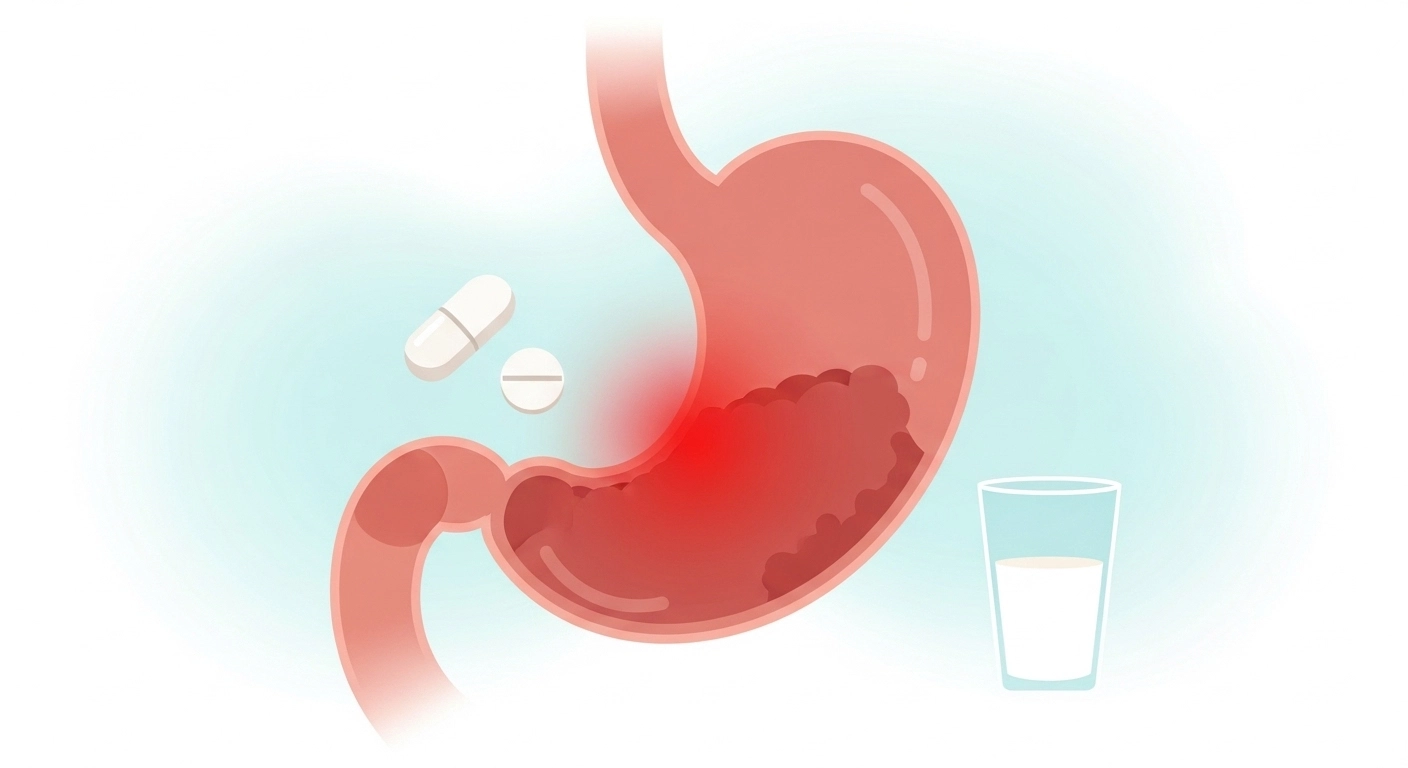
Let’s start with the side effects that people experience most often.
And that is stomach trouble.
This is by far the number one complaint from people who take ibuprofen regularly.
Here is what you might feel:
- Heartburn or a burning feeling in your chest
- Ibuprofen stomach pain or cramping
- Ibuprofen nausea or feeling like you want to throw up
- Bloating or gas
- Diarrhea or even constipation
So why does this happen?
Ibuprofen works by blocking certain chemicals in your body called prostaglandins.
These chemicals cause pain and inflammation.
But here is the catch.
Those same chemicals also protect the lining of your stomach.
When ibuprofen blocks them, your stomach lining becomes more vulnerable.
That is why you might feel burning, pain, or nausea after taking it.
💡 How to Protect Your Stomach
- Always take ibuprofen with food or a glass of milk.
- Never take it on a completely empty stomach.
- Avoid taking more than the recommended dose.
- If you need it for more than a few days, talk to your doctor about adding a stomach protector.
If you notice dark or bloody stools, that is a warning sign of stomach bleeding.
Stop the medicine immediately and see a doctor right away.
🧠 CNS Effects: Dizziness and Headaches

This might surprise you.
A medicine you take for headaches can actually cause headaches in some people.
Sounds strange, right?
But it is true.
Some people also experience dizziness or a foggy feeling in their head after taking ibuprofen.
These are called central nervous system (CNS) effects.
Here is what you might notice:
- Dizziness or lightheadedness
- Headaches that feel different from your original pain
- Feeling tired or slightly drowsy
- Trouble concentrating
Now, a question that comes up a lot is: does ibuprofen cause drowsiness?
The honest answer is that ibuprofen is not classified as a drowsy medicine.
It is not like antihistamines or sleep aids that make you sleepy.
But some people do report feeling a little tired or sluggish after taking it.
This is not super common, but it does happen.
If you feel dizzy or drowsy after taking ibuprofen, avoid driving or operating heavy machinery.
And if the dizziness keeps coming back every time you take it, let your doctor know.
It could mean the dose is too high for you.
Or it could be a sign that something else is going on.
🩹 Skin Reactions: Rashes and Allergic Responses

This one is less common, but it is important to know about.
Some people develop skin reactions after taking ibuprofen.
These can range from mild to very serious.
Mild skin reactions include:
- A light rash or redness on the skin
- Itching or hives
- Minor swelling
These might go away on their own once you stop taking the medicine.
But serious skin reactions are a different story.
In rare cases, ibuprofen can trigger severe allergic responses like:
- Stevens-Johnson Syndrome (SJS) which causes painful blisters on the skin
- Widespread rash that spreads quickly
- Peeling or blistering skin
- Swelling of the face, lips, tongue, or throat
If you notice any of these serious signs, stop taking ibuprofen immediately.
Go to the emergency room or call for help right away.
An ibuprofen rash might seem like no big deal at first.
But if it gets worse or spreads, it could be a sign of a dangerous allergic reaction.
Always take skin changes seriously when you are on any new medicine.
🛑 When to Stop Taking Ibuprofen
Not every side effect means you need to panic.
But there are certain signs that tell you to stop taking ibuprofen right away.
Here is a simple list to keep in mind:
- Stomach pain that gets worse instead of better
- Black, tarry, or bloody stools (this could mean internal bleeding)
- Vomiting blood or material that looks like coffee grounds
- Severe skin rash or blistering
- Swelling of the face, lips, or throat (signs of a serious allergic reaction)
- Difficulty breathing or wheezing
- Chest pain or sudden weakness on one side of the body
- Unexplained weight gain or swelling in your legs and feet
- Vision changes or blurry eyesight
If you experience any of these, do not wait it out.
Stop the medicine and seek medical help immediately.
Also, here is a general rule from QuickDawa that applies to all medicines.
If a side effect feels wrong or unusual, trust your gut.
It is always better to check with a doctor than to ignore something serious.
🏥 When to Call Your Doctor

Sometimes side effects are not an emergency, but they still need a doctor’s attention.
You should call your doctor if:
- You have been taking ibuprofen for more than 10 days for pain or 3 days for fever and symptoms are not improving.
- You keep getting ibuprofen stomach pain every time you take it.
- You feel dizzy or lightheaded repeatedly after each dose.
- You notice swelling in your ankles or feet that was not there before.
- You have high blood pressure and are taking ibuprofen regularly.
- You are taking blood thinners, steroids, or other NSAIDs at the same time.
- You have a history of kidney problems, liver disease, or heart disease.
Your doctor can decide whether ibuprofen is the right choice for you.
They might suggest a lower dose, a different medicine, or additional tests.
Never ignore ongoing side effects just because ibuprofen is an over the counter drug.
Over the counter does not mean risk free.
🙋 Frequently Asked Questions (FAQ)
Q: Can you take ibuprofen with acetaminophen at the same time?
A: Yes, many doctors say it is generally safe to alternate ibuprofen and acetaminophen (Tylenol) for pain relief. But always follow dosing instructions and check with your pharmacist first.
Q: How long does ibuprofen take to start working?
A: Ibuprofen usually starts working within 20 to 30 minutes after you take it. Full effects are typically felt within one to two hours.
Q: Is ibuprofen safe for pregnant women?
A: Ibuprofen is not recommended during pregnancy, especially in the third trimester. It can cause complications for both the mother and baby. Always talk to your OB-GYN before taking any pain reliever during pregnancy.
Q: Ibuprofen vs Naproxen: Which is better for pain?
A: Both are NSAIDs and work similarly. Naproxen (Aleve) lasts longer, so you take fewer doses per day. Ibuprofen works faster but wears off sooner. The best choice depends on your specific situation, so ask your doctor.
Q: Can you use ibuprofen for toothache pain?
A: Yes, ibuprofen is one of the most commonly recommended medicines for toothache pain. It reduces both pain and swelling around the affected tooth. But see a dentist for the actual cause of the pain.
🌐 Sources and External References
Here are some trusted sources where you can learn even more about ibuprofen:
- FDA Drug Label for Ibuprofen
- MedlinePlus: Ibuprofen
- Drugs.com: Ibuprofen Full Information
- WebMD: Ibuprofen Oral
- Mayo Clinic: Ibuprofen (Oral Route)
- RxList: Ibuprofen
🏁 Conclusion
So there you have it.
A complete, honest look at ibuprofen side effects.
The truth is that ibuprofen is a safe and effective medicine when used correctly.
Millions of people rely on it every day for pain, fever, and inflammation.
But knowing the risks helps you use it smarter.
Watch out for stomach trouble, dizziness, and skin reactions.
Do not take more than you need.
And never hesitate to call your doctor if something feels off.
Knowledge is power, especially when it comes to your health.
At QuickDawa, we believe that understanding your medicine is just as important as taking it. Knowledge is the first step toward better health. If you found this guide helpful, share it with someone who needs it and explore more medicine guides on QuickDawa.com for trusted, easy to understand health information.
Got a question about ibuprofen or any other medicine?
Drop a comment below or reach out to us through our contact page.
We love hearing from you and are always happy to help.
⚠️ Medical Disclaimer
The information provided in this article is intended for educational and informational purposes only. It is not a substitute for professional medical advice, diagnosis, or treatment. Always seek the guidance of your qualified doctor, pharmacist, or healthcare provider with any questions you may have regarding a medical condition, medication, or treatment plan.
Never disregard professional medical advice or delay seeking it because of something you read on QuickDawa.com or any other website. If you think you may have a medical emergency, call your doctor, go to the nearest emergency room, or call emergency services immediately.
Drug information, dosages, and interactions described in this post are provided for general awareness only and may not apply to your individual health situation. Medications affect people differently based on age, weight, health conditions, and other factors.
QuickDawa.com and its authors do not assume any liability for any consequences arising from the use or misuse of information presented on this website.