Ibuprofen for Toothache – The Best OTC Pain Relief Dentists Actually Recommend
Let’s be honest.
A toothache is one of those pains that can ruin your entire day.
It doesn’t care if you have an important meeting, a family dinner, or a peaceful Sunday morning.
It just throbs. And throbs. And throbs.
You can’t eat properly. You can’t sleep. Sometimes you can’t even think straight.
And here’s the worst part. A dentist appointment might be days away.
So what do you do right now?
You reach for something in your medicine cabinet. Something fast. Something effective.
That’s where ibuprofen for toothache comes in.
It’s one of the most recommended over-the-counter painkillers by dentists worldwide.
Not just because it kills pain. But because it fights the swelling and inflammation that actually cause the pain in the first place.
Whether you’re dealing with a cavity, a cracked tooth, gum infection, or pain after a dental procedure, ibuprofen can be your best friend until you see your dentist.
But how much should you take? Is it safe for everyone? Can you mix it with other medicines?
At QuickDawa, we’re all about making medicine easy to understand. So let’s break down everything you need to know about ibuprofen for toothache in simple, clear language.
No confusing jargon. Just honest, helpful information.
💊 What Is Ibuprofen?
Ibuprofen is a nonsteroidal anti-inflammatory drug, also called an NSAID.
It works by blocking chemicals in your body that cause pain, swelling, and fever.
You probably know it by brand names like Advil, Motrin, or Nurofen.
It’s available over the counter in most pharmacies.
Doctors and dentists prescribe it for all kinds of pain. Headaches, muscle aches, menstrual cramps, arthritis, and yes, dental pain.
It’s one of the best OTC choices for dental pain because it doesn’t just numb the pain. It actually reduces the inflammation causing it.
🦷 Why Ibuprofen Is the Go-To for Toothache Pain
Not all painkillers work the same way.
Some just block pain signals. That’s fine for a mild headache.
But a toothache? That’s usually caused by inflammation. The tissue around your tooth gets swollen, irritated, and angry.
That’s exactly what ibuprofen is designed to fight.
Here’s why dentists love recommending it:
- It reduces inflammation at the source of the pain
- It relieves pain within 20 to 30 minutes
- It lasts 4 to 6 hours per dose
- It’s widely available without a prescription
- It’s affordable and comes in many forms like tablets, capsules, and liquid gels
If you ask most dentists what they’d recommend for a toothache at home, ibuprofen is almost always at the top of the list.
That’s not just our opinion at QuickDawa. That’s the dentist standard protocol for pain management.
💡 How Does Ibuprofen Work on Tooth Pain?
Let’s keep this super simple.
When your tooth is damaged or infected, your body sends out chemicals called prostaglandins.
These chemicals cause swelling, redness, and pain.
Ibuprofen blocks the enzyme (called COX) that makes prostaglandins.
Less prostaglandins = less swelling = less pain.
That’s it. That’s the magic.
It doesn’t fix the actual dental problem. But it gives you real relief while you wait for proper treatment.
📏 Ibuprofen Dosage for Toothache
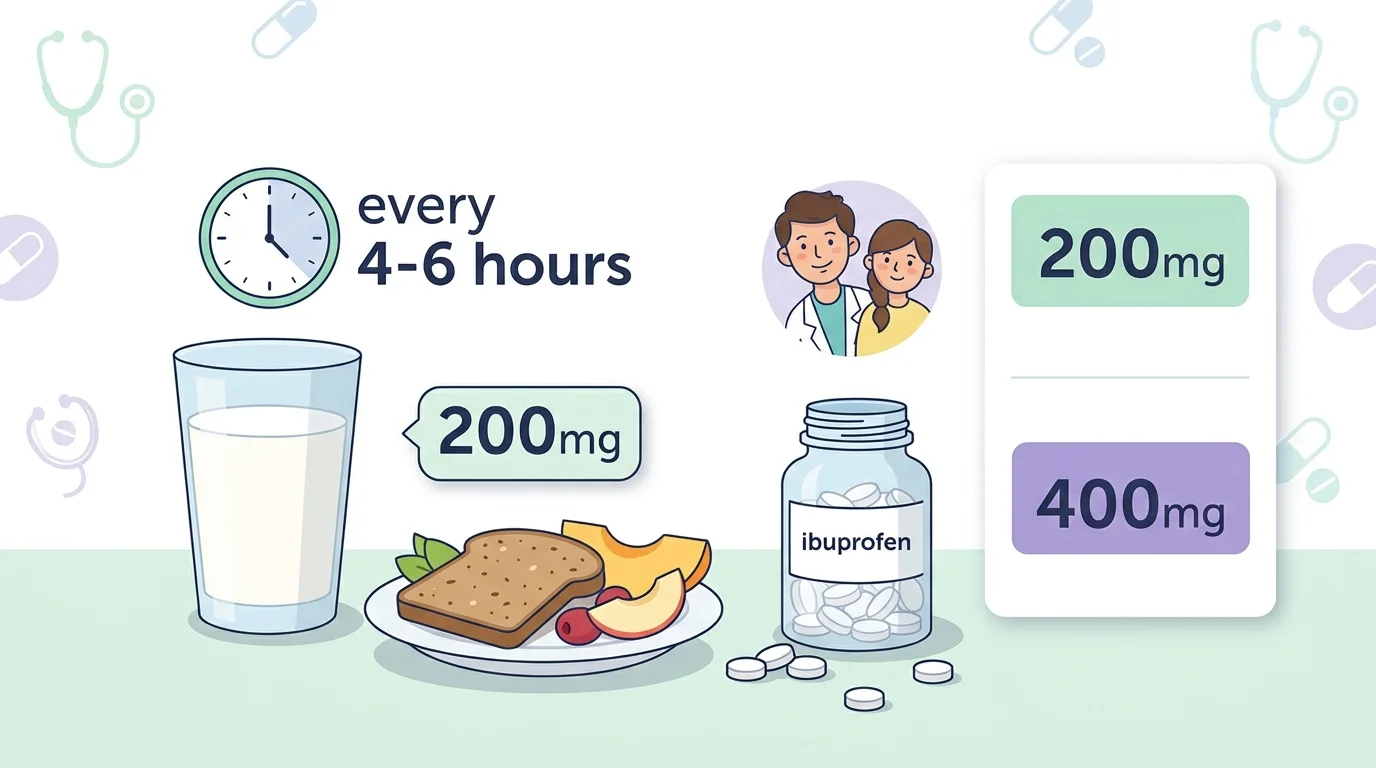
Getting the dosage right is super important.
Too little and it won’t help. Too much and you could hurt your stomach or kidneys.
For adults and teens over 12:
- Take 200 mg to 400 mg every 4 to 6 hours as needed
- Do not exceed 1200 mg in 24 hours without a doctor’s advice
- Always take it with food or a glass of milk to protect your stomach
For children under 12:
- Use children’s ibuprofen (liquid form)
- Dosage is based on the child’s weight, not age
- Always follow the label or ask a pediatrician
Important tip: Don’t take ibuprofen on an empty stomach. It can irritate your stomach lining and cause problems over time.
If your toothache is severe and 400 mg isn’t cutting it, talk to your dentist. They may prescribe a higher dose or combine it with another medicine.
🤝 Combining Ibuprofen with Tylenol: The Dentist’s Secret Weapon
Here’s something many people don’t know.
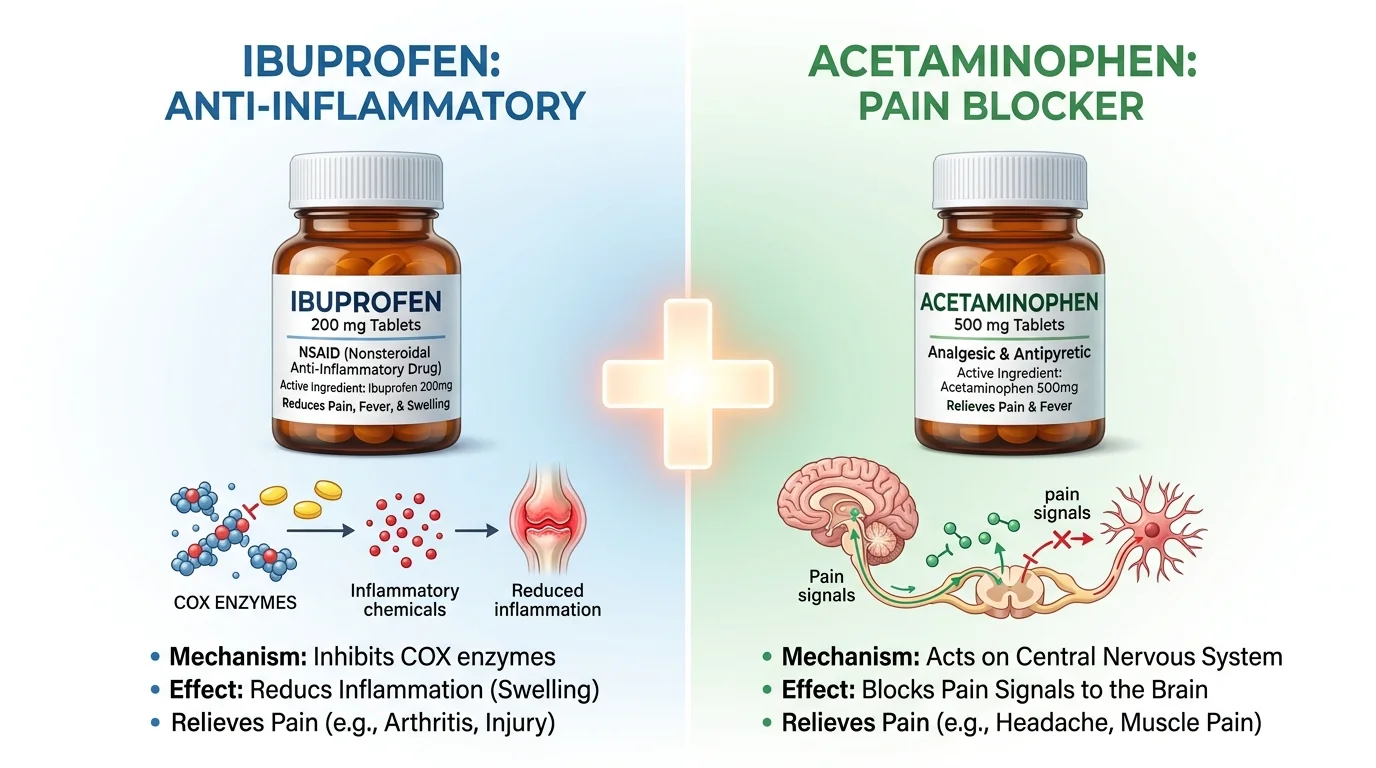
Dentists often recommend taking ibuprofen and acetaminophen (Tylenol) together for tooth pain.
Yes, you can take them at the same time.
This combination is actually part of the dentist standard protocol for managing dental pain. Studies have shown that this combo can work as well as some prescription painkillers.
Here’s how it works:
- Ibuprofen fights inflammation and pain through one pathway
- Tylenol blocks pain signals through a completely different pathway
- Together, they attack pain from two angles
A common recommendation:
- 400 mg ibuprofen + 500 mg acetaminophen every 6 hours
This is often called the “1+1 method” and it’s backed by dental research.
But please, don’t start this combo on your own without checking with your dentist or doctor first. Especially if you have liver problems, kidney issues, or take other medications.
QuickDawa always recommends talking to a professional before mixing medicines.
🦷 Ibuprofen Before Tooth Extraction

Having a tooth pulled? Nervous about the pain?
Some dentists actually suggest taking ibuprofen before tooth extraction as a pre-emptive pain strategy.
The idea is simple. If you take ibuprofen about 30 to 60 minutes before the procedure, it starts working before the numbing wears off.
This means you stay ahead of the pain instead of chasing it.
However, there’s a catch.
Ibuprofen is a blood thinner. It can slightly increase bleeding during surgery.
So never take ibuprofen before a dental procedure without your dentist’s approval.
Some dentists will say yes. Others will say no, depending on the type of extraction and your health history.
Always ask first. Safety comes before everything.
🩹 Ibuprofen After Tooth Extraction
This is where ibuprofen really shines.
After a tooth extraction, the area becomes swollen and painful. That’s your body’s natural healing response.
Ibuprofen after tooth extraction helps by:
- Reducing post-surgical swelling
- Controlling pain for 4 to 6 hours
- Helping you eat and sleep more comfortably
Most dentists will tell you to start taking ibuprofen as soon as the numbing starts to wear off. Don’t wait until the pain gets bad.
Typical post-extraction recommendation:
- 400 mg to 600 mg ibuprofen every 6 hours for the first 2 to 3 days
- Often combined with Tylenol for better relief
Your dentist may also prescribe stronger pain medication if needed. But for most simple extractions, ibuprofen alone (or with Tylenol) does the job beautifully.
⚠️ Side Effects of Ibuprofen You Should Know
Ibuprofen is safe for most people when used correctly.
But like any medicine, it can cause side effects.
Common side effects:
- Stomach upset or nausea
- Heartburn or acid reflux
- Dizziness
- Mild headache
Serious side effects (rare but important):
- Stomach bleeding or ulcers (especially with long-term use)
- Kidney problems
- High blood pressure
- Allergic reactions like skin rash, swelling, or trouble breathing
To reduce your risk:
- Always take ibuprofen with food
- Don’t use it for more than 10 days without a doctor’s guidance
- Don’t take more than the recommended dose
- Avoid it if you have a history of stomach ulcers or kidney disease
If you notice black or bloody stools, vomiting blood, or severe stomach pain, stop taking ibuprofen immediately and seek medical help.
🚫 Who Should NOT Take Ibuprofen?
Ibuprofen isn’t right for everyone.
Avoid ibuprofen if you:
- Are allergic to ibuprofen or other NSAIDs like aspirin or naproxen
- Have active stomach ulcers or gastrointestinal bleeding
- Have severe kidney or liver disease
- Are in the third trimester of pregnancy
- Have had a heart attack or stroke recently
- Take blood thinners like warfarin
Use with caution if you:
- Are over 65 years old
- Have asthma (NSAIDs can trigger attacks in some people)
- Have high blood pressure
- Take other medications (always check for interactions)
When in doubt, check with your doctor or pharmacist. A two-minute conversation can prevent serious problems.
🚨 When to Call Your Doctor
Ibuprofen is great for temporary relief. But sometimes, a toothache is a sign of something more serious.
Call your dentist or doctor immediately if:
- Your toothache lasts more than 2 days despite taking ibuprofen
- You develop a fever along with tooth pain
- You notice swelling in your face, jaw, or neck
- You have trouble breathing or swallowing
- There is pus or discharge around the tooth
- The pain is so severe that no painkiller is helping
- You experience side effects from ibuprofen like stomach bleeding or allergic reaction
A toothache that doesn’t go away usually means there’s an infection, abscess, or damage that needs professional treatment.
Ibuprofen can manage the pain, but it cannot cure the underlying problem.
Don’t rely on painkillers alone. See a dentist as soon as possible.
🙋 Frequently Asked Questions (FAQ)
Q: Can you take ibuprofen and Tylenol together for a toothache?
A: Yes, you can. Many dentists actually recommend this combination because they work through different pain pathways. Just make sure to follow proper dosing and consult your dentist first.
Q: How long does ibuprofen take to work for a toothache?
A: Ibuprofen usually starts working within 20 to 30 minutes. Full pain relief is typically felt within 1 hour. The effects last about 4 to 6 hours per dose.
Q: Is ibuprofen safe for children with a toothache?
A: Yes, children’s ibuprofen is available in liquid form. The dose depends on the child’s weight. Always read the label carefully or ask your pediatrician before giving it to a child.
Q: Ibuprofen vs Tylenol for toothache: which is better?
A: For most toothaches, ibuprofen is better because it reduces both pain and inflammation. Tylenol only blocks pain. However, using both together (as recommended by your dentist) often gives the best results.
Q: Can you take ibuprofen for toothache while pregnant?
A: Ibuprofen should be avoided during pregnancy, especially in the third trimester. It can cause serious complications for the baby. Talk to your OB-GYN about safe alternatives like acetaminophen.
🌐 Sources and External References
Here are trusted sources where you can learn more about ibuprofen:
- FDA Drug Label for Ibuprofen — Official FDA information
- MedlinePlus: Ibuprofen — U.S. National Library of Medicine
- Drugs.com: Ibuprofen Full Information — Comprehensive drug guide
- WebMD: Ibuprofen Oral — Uses, side effects, interactions
- Mayo Clinic: Ibuprofen (Oral Route) — Proper use and precautions
- RxList: Ibuprofen — Detailed drug information
🏁 Final Thoughts
A toothache can feel unbearable. But now you know that ibuprofen for toothache is one of the safest, most effective options available right at your local pharmacy.
It fights pain. It reduces swelling. And when combined with Tylenol under your dentist’s guidance, it can rival even some prescription painkillers.
But remember. Ibuprofen is a temporary fix. It manages the symptoms while you get to the real solution, which is seeing your dentist.
Take the right dose. Take it with food. Don’t overdo it. And always listen to your body.
At QuickDawa, we believe that understanding your medicine is just as important as taking it. Knowledge is the first step toward better health. If you found this guide helpful, share it with someone who needs it. Explore more medicine guides on QuickDawa.com for trusted, easy-to-understand health information.
Got questions about ibuprofen or any other medicine? Drop a comment below or reach out to us through our contact page. We love hearing from you and we’re always happy to help!
⚠️ Medical Disclaimer
The information provided in this article is intended for educational and informational purposes only. It is not a substitute for professional medical advice, diagnosis, or treatment. Always seek the guidance of your qualified doctor, pharmacist, or healthcare provider with any questions you may have regarding a medical condition, medication, or treatment plan.
Never disregard professional medical advice or delay seeking it because of something you read on QuickDawa.com or any other website. If you think you may have a medical emergency, call your doctor, go to the nearest emergency room, or call emergency services immediately.
Drug information, dosages, and interactions described in this post are provided for general awareness only and may not apply to your individual health situation. Medications affect people differently based on age, weight, health conditions, and other factors.
QuickDawa.com and its authors do not assume any liability for any consequences arising from the use or misuse of information presented on this website.