Ibuprofen and Asthma – Can One Pill Trigger an Attack? | QuickDawa
Imagine this.
You have a pounding headache after a long, stressful day.
You reach for ibuprofen because it has always worked for you.
But wait. You also have asthma.
Your friend once told you that ibuprofen and asthma don’t mix well.
Now you’re standing in front of your medicine cabinet, confused and a little scared.
Should you take it? Is it really dangerous? Could one single pill trigger a serious asthma attack?
These are very real worries. And you are not alone.
Millions of people around the world live with asthma. And many of them reach for ibuprofen when pain strikes.
But here is the thing. Not everyone knows the hidden risk this common painkiller can carry for people with breathing problems.
Some people take it with zero issues. Others end up in the emergency room gasping for air.
So what is the real story?
That is exactly what we are going to break down today.
At QuickDawa, we are all about making medicine easy to understand. So let’s break down everything you need to know about ibuprofen and asthma in simple, clear language.
No confusing medical jargon. Just the facts.
💊 What Is Ibuprofen?
Ibuprofen is a popular over the counter painkiller.
It belongs to a group of drugs called NSAIDs (nonsteroidal anti-inflammatory drugs).
Common brand names include Advil, Motrin, and Brufen.
It is mainly used to treat headaches, fever, muscle pain, menstrual cramps, and inflammation.
You can find it in almost every pharmacy and household medicine kit around the world.
🫁 What Happens When You Mix Ibuprofen and Asthma?
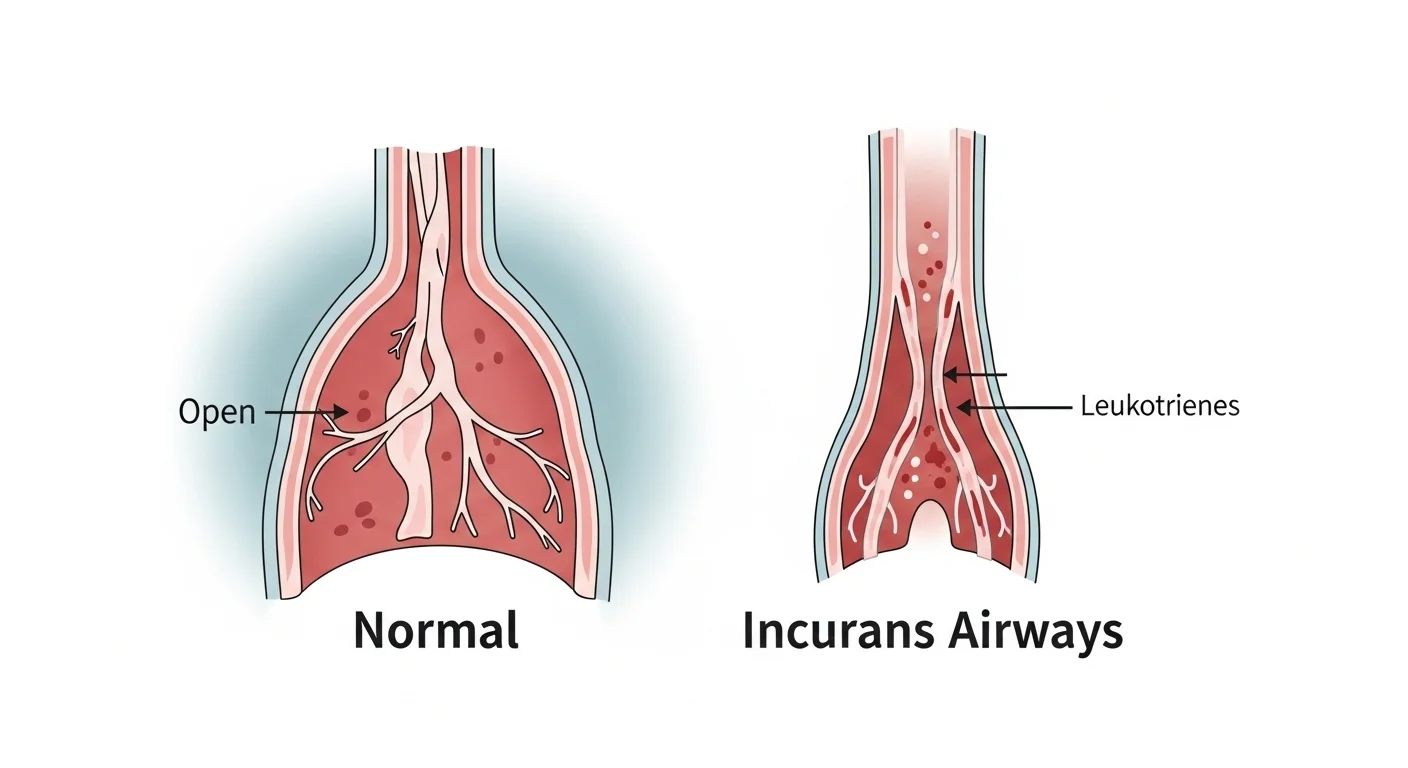
Okay, let’s get to the important part.
Ibuprofen and asthma can be a risky combination for some people.
Here is why.
Ibuprofen works by blocking certain chemicals in your body called prostaglandins.
These chemicals cause pain and swelling. So blocking them helps you feel better.
But here is the catch.
When ibuprofen blocks prostaglandins, it can also increase the production of something called leukotrienes.
Leukotrienes are chemicals that can make your airways narrow and swell up.
For a person without asthma, this is usually not a big deal.
But for someone with asthma, this shift can trigger a full blown asthma attack.
This reaction does not happen to every asthma patient. But it happens often enough that doctors take it very seriously.
Research shows that roughly 10 to 20 percent of adult asthma patients are sensitive to NSAIDs like ibuprofen.
That is a significant number.
⚠️ What Is Aspirin Exacerbated Respiratory Disease (AERD)?
There is a specific condition that makes this problem even more dangerous.
It is called Aspirin Exacerbated Respiratory Disease, or AERD for short.
Some doctors also call it Samter’s Triad.
AERD involves three things happening together:
- Asthma (often severe and hard to control)
- Nasal polyps (growths inside the nose)
- Sensitivity to aspirin and NSAIDs like ibuprofen
People with AERD can have very serious breathing reactions after taking ibuprofen.
We are talking about sudden wheezing, chest tightness, nasal congestion, and even life threatening asthma attacks.
If you have been diagnosed with AERD, ibuprofen is generally considered a strict no.
Your doctor may have already warned you about this. If not, please bring it up at your next appointment.
🔍 Who Is Most at Risk?
Not every person with asthma will react badly to ibuprofen.
But certain groups are at higher risk.
Here are the people who need to be extra careful:
- Adults with moderate to severe asthma
- People with nasal polyps
- Anyone diagnosed with AERD or Samter’s Triad
- People who have had a previous bad reaction to aspirin or NSAIDs
- Those with a history of ulcers or stomach sensitivity
- Patients whose asthma is not well controlled
If you fall into any of these categories, please talk to your doctor before taking ibuprofen.
Even one dose can cause problems for sensitive individuals.
🧪 Signs That Ibuprofen Is Triggering Your Asthma
Sometimes people do not realize that their asthma flare up was caused by ibuprofen.
They just think it was a random bad day.
But there are specific signs to watch for.
If any of these happen within 30 minutes to 3 hours after taking ibuprofen, it could be a reaction:
- Sudden wheezing or difficulty breathing
- Tight feeling in your chest
- Runny or stuffy nose that appears quickly
- Watery, red eyes
- Skin flushing or hives
- Coughing fits that will not stop
- Feeling like your throat is closing up
If you experience any of these, stop taking ibuprofen immediately and seek medical help.
Do not wait it out. These reactions can get worse very quickly.
🩺 When to Call Your Doctor
There are certain situations where you should contact your doctor right away.
Do not try to handle these on your own.
Call your doctor or go to the ER if:
- You took ibuprofen and started having trouble breathing
- Your rescue inhaler is not helping
- You notice swelling in your face, lips, or tongue after taking ibuprofen
- You feel dizzy, lightheaded, or faint
- Your asthma symptoms suddenly get much worse than usual
- You have chest pain along with breathing difficulty
These could be signs of a severe allergic or respiratory reaction.
Quick action could save your life.
At QuickDawa, we always say this. When in doubt, reach out to your doctor. No blog post can replace a medical professional who knows your health history.
💡 Safer Pain Relief Alternatives for Asthma Patients

So if ibuprofen is risky, what can you take instead?
Great question.
Here are some options that are generally considered safer for people with asthma:
Acetaminophen (Paracetamol/Tylenol)
This is the most commonly recommended alternative.
Acetaminophen is not an NSAID. So it does not affect leukotrienes the same way.
Most asthma patients can take it without any breathing problems.
However, very high doses may still cause issues for a small number of AERD patients. So always stick to the recommended dose.
Other Options Your Doctor May Consider:
- COX-2 inhibitors like celecoxib (Celebrex) may be safer for some people, but only under a doctor’s guidance
- Topical pain relievers like creams or gels that you apply directly to the skin
- Non drug options like ice packs, heat therapy, or gentle stretching for muscle pain
Important: Never start a new pain medication without checking with your doctor first, especially if you have asthma.
📋 Tips for Managing Pain Safely With Asthma
Living with asthma does not mean you have to suffer through pain.
You just need to be a little more careful about what you take.
Here are some practical tips:
- Always tell your doctor and pharmacist that you have asthma before they prescribe or recommend any painkiller
- Read labels carefully. Ibuprofen hides in many combination cold, flu, and pain products
- Carry your rescue inhaler with you at all times, especially if you are trying a new medication
- Keep a record of any medications that have triggered your asthma symptoms in the past
- Do not assume that because ibuprofen was fine once, it will always be fine. Sensitivity can develop over time
- Ask about drug allergies during every medical visit
Being prepared is the best protection you have.
🧒 Can Children With Asthma Take Ibuprofen?
This is a question many parents ask.
And the answer depends on the child.
Ibuprofen is commonly given to children for fever and pain. It is found in products like Children’s Advil and Children’s Motrin.
For most children with mild asthma, ibuprofen appears to be safe.
A large study published in the New England Journal of Medicine found that ibuprofen did not increase asthma flare ups in children with mild persistent asthma compared to acetaminophen.
However, children with severe asthma or a known NSAID sensitivity should avoid ibuprofen.
The safest thing to do is ask your child’s pediatrician before giving ibuprofen.
Every child is different. What works for one may not work for another.
📊 Ibuprofen and Asthma: Quick Facts at a Glance
Here is a simple summary of the key points we have covered:
- Risk level: About 10 to 20 percent of adult asthma patients may be sensitive to ibuprofen
- Most dangerous for: People with AERD (Samter’s Triad), nasal polyps, or severe uncontrolled asthma
- Reaction time: Symptoms can appear within 30 minutes to 3 hours after taking ibuprofen
- Safest alternative: Acetaminophen (Tylenol/Paracetamol) is usually the best option
- For children: Generally safe for mild asthma, but always ask the pediatrician first
- Golden rule: Always inform your doctor about your asthma before taking any NSAID
🙋 Frequently Asked Questions (FAQ)
Q: Can you take ibuprofen if you have asthma?
A: It depends. Many asthma patients can take ibuprofen safely, but about 10 to 20 percent of adults with asthma are sensitive to it. If you have severe asthma or AERD, you should avoid it and talk to your doctor first.
Q: How long does an ibuprofen triggered asthma attack last?
A: An ibuprofen triggered asthma reaction usually starts within 30 minutes to 3 hours after taking the pill. The attack can last several hours. If your rescue inhaler does not help, go to the emergency room immediately.
Q: Is ibuprofen safe for children with asthma?
A: For most children with mild asthma, studies suggest ibuprofen is generally safe. However, children with severe asthma or NSAID sensitivity should avoid it. Always consult your child’s pediatrician before giving ibuprofen.
Q: Ibuprofen vs acetaminophen for asthma patients: which is better?
A: Acetaminophen (Tylenol or Paracetamol) is generally considered the safer choice for asthma patients. Unlike ibuprofen, it does not affect leukotrienes in the same way and carries a much lower risk of triggering an asthma attack.
Q: Can ibuprofen make asthma worse over time?
A: For sensitive individuals, repeated use of ibuprofen can worsen asthma symptoms and increase the frequency of attacks. If you notice your asthma getting worse after using NSAIDs, stop taking them and talk to your doctor about safer alternatives.
🏁 Conclusion
Let’s wrap this up with the key takeaway.
Ibuprofen and asthma can be a dangerous combination for some people.
Not everyone with asthma will have a problem. But those who are sensitive can face serious, even life threatening reactions.
The most important thing you can do is know your own body.
If you have asthma, always mention it before taking any pain medication.
If you have ever had a breathing reaction to aspirin or any NSAID, stay away from ibuprofen.
And if you are unsure, acetaminophen is usually a much safer bet.
Your health is too precious to gamble with.
At QuickDawa, we believe that understanding your medicine is just as important as taking it. Knowledge is the first step toward better health. If you found this guide helpful, share it with someone who needs it and explore more medicine guides on QuickDawa.com for trusted, easy to understand health information.
Have more questions about ibuprofen, asthma, or any other health topic? Drop a comment below or reach out to us through our contact page. We love hearing from you!
⚠️ Medical Disclaimer
The information provided in this article is intended for educational and informational purposes only. It is not a substitute for professional medical advice, diagnosis, or treatment. Always seek the guidance of your qualified doctor, pharmacist, or healthcare provider with any questions you may have regarding a medical condition, medication, or treatment plan.
Never disregard professional medical advice or delay seeking it because of something you read on QuickDawa.com or any other website. If you think you may have a medical emergency, call your doctor, go to the nearest emergency room, or call emergency services immediately.
Drug information, dosages, and interactions described in this post are provided for general awareness only and may not apply to your individual health situation. Medications affect people differently based on age, weight, health conditions, and other factors.
QuickDawa.com and its authors do not assume any liability for any consequences arising from the use or misuse of information presented on this website.
🌐 Sources & External References
- FDA Drug Safety Communication: NSAIDs and Respiratory Effects
- MedlinePlus: Ibuprofen
- Drugs.com: Ibuprofen Information
- WebMD: Ibuprofen Oral and Asthma Risks
- Mayo Clinic: Ibuprofen (Oral Route) Precautions
- American Academy of Allergy, Asthma & Immunology: Aspirin Exacerbated Respiratory Disease