Women’s Mental Health Month- Top 6 Must Know Tips | QuickDawa
Have you ever felt overwhelmed, anxious, or like you’re carrying the weight of the world on your shoulders?
Maybe you’re juggling work, family, and a hundred other responsibilities.
And somewhere along the way, you forgot to check in with yourself.
You’re not alone.
Millions of women around the world face mental health challenges every single day.
But here’s the thing.
We don’t talk about it enough.
That’s exactly why Women’s Mental Health Month exists.
It’s a time dedicated to raising awareness about the unique mental health struggles women face.
From postpartum depression to anxiety, from hormonal changes to societal pressures, women’s mental health deserves attention, understanding, and support.
Whether you’re struggling yourself or want to support the women in your life, this guide will help you understand what Women’s Mental Health Month is all about.
And more importantly, what you can do to make a real difference.
At QuickDawa, we’re all about making women’s health topics easy to understand so let’s dive into everything you need to know about Women’s Mental Health Month in simple, clear language.
💊 WHAT IS WOMEN’S MENTAL HEALTH MONTH?
Women’s Mental Health Month is observed every May.
It’s a national campaign aimed at raising awareness about mental health issues that specifically affect women.
The goal is simple.
To break the stigma, encourage open conversations, and remind women that seeking help is a sign of strength, not weakness.
It highlights conditions like depression, anxiety, PTSD, eating disorders, and perinatal mental health issues.
🧠 WHY WOMEN’S MENTAL HEALTH DESERVES SPECIAL ATTENTION

You might be wondering, why do women need a dedicated mental health month?
Isn’t mental health important for everyone?
Absolutely.
But women face unique challenges that can deeply impact their mental well-being.
Let me explain.
Hormonal Changes
Women go through major hormonal shifts throughout their lives.
Puberty, menstruation, pregnancy, postpartum, and menopause.
All of these can trigger mood swings, anxiety, and depression.
Higher Risk of Certain Conditions
Studies show that women are nearly twice as likely as men to experience depression and anxiety disorders.
Conditions like postpartum depression, premenstrual dysphoric disorder (PMDD), and perinatal mood disorders are unique to women.
Social and Cultural Pressures
Women often face intense societal expectations.
Be a perfect mother, a loving partner, a successful professional, and take care of everyone else before yourself.
This constant pressure can lead to burnout, stress, and feelings of inadequacy.
Trauma and Abuse
Women are more likely to experience sexual assault, domestic violence, and other forms of trauma.
These experiences can lead to PTSD, anxiety, and other long-term mental health struggles.
Lack of Support and Stigma
Many women feel ashamed or embarrassed to talk about their mental health.
They worry about being judged or dismissed.
This silence only makes things worse.
That’s why Women’s Mental Health Month is so important.
It creates a safe space to talk, share, and heal.
🌸 COMMON MENTAL HEALTH ISSUES WOMEN FACE
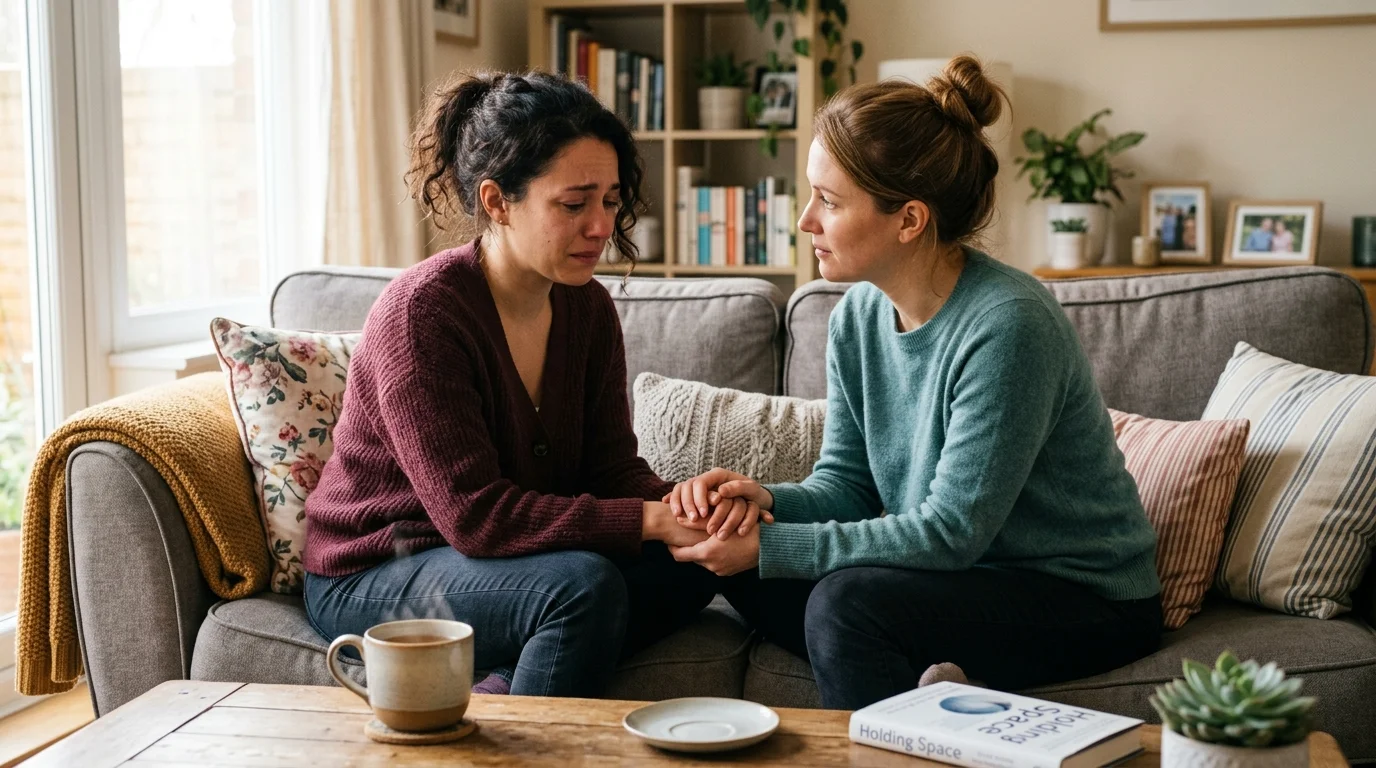
Let’s take a closer look at some of the most common mental health challenges women experience.
Depression
Depression is more than just feeling sad.
It’s a persistent feeling of hopelessness, fatigue, and loss of interest in things you once enjoyed.
Women are especially vulnerable during major life transitions like pregnancy, childbirth, and menopause.
Anxiety Disorders
Anxiety can show up as constant worry, panic attacks, or physical symptoms like a racing heart and shortness of breath.
Women are more likely to develop generalized anxiety disorder, social anxiety, and panic disorder.
Postpartum Depression
After giving birth, many women experience the “baby blues.”
But for some, it becomes something more serious: postpartum depression.
Symptoms include extreme sadness, exhaustion, and difficulty bonding with the baby.
It’s not a sign of weakness.
It’s a medical condition that needs treatment.
Eating Disorders
Conditions like anorexia, bulimia, and binge eating disorder are more common in women.
They often stem from body image issues, societal pressures, and underlying mental health struggles.
PTSD and Trauma
Women who’ve experienced abuse, violence, or trauma may develop post-traumatic stress disorder.
Flashbacks, nightmares, and hypervigilance are common symptoms.
Perinatal Mood Disorders
These include depression and anxiety that occur during pregnancy or after childbirth.
They’re more common than people think and need proper support and treatment.
💡 HOW TO SUPPORT WOMEN’S MENTAL HEALTH
So what can you do during Women’s Mental Health Month and beyond?
Here are some practical, compassionate ways to help.
1. Start the Conversation
Ask the women in your life how they’re really doing.
Listen without judgment.
Sometimes, just being heard can make a huge difference.
2. Educate Yourself
Learn about the mental health challenges women face.
Understanding is the first step toward empathy.
3. Encourage Professional Help
If someone you love is struggling, gently encourage them to see a therapist or counselor.
Therapy is not a luxury.
It’s a necessity.
4. Practice Self-Care
If you’re a woman reading this, remember: you can’t pour from an empty cup.
Take time for yourself.
Sleep well, eat nourishing food, move your body, and do things that bring you joy.
5. Challenge the Stigma
Speak openly about mental health.
Share your story if you feel comfortable.
The more we talk, the less shame there is.
6. Support Mental Health Organizations
Donate to or volunteer with organizations that focus on women’s mental health.
Your contribution can save lives.
🩺 WHEN TO CALL A DOCTOR
Mental health is just as important as physical health.
If you or someone you know is experiencing any of the following, it’s time to reach out to a healthcare provider:
- Persistent sadness or hopelessness that lasts more than two weeks
- Thoughts of self-harm or suicide
- Severe anxiety or panic attacks that interfere with daily life
- Significant changes in sleep or appetite
- Difficulty bonding with your baby after childbirth
- Flashbacks or nightmares related to trauma
- Inability to function at work, home, or in relationships
Don’t wait.
Early intervention can make all the difference.
If you’re in crisis, call the National Suicide Prevention Lifeline at 988 or text “HELLO” to 741741 to reach the Crisis Text Line.
🙋 FREQUENTLY ASKED QUESTIONS — FAQ
Q: Why is Women’s Mental Health Month important?
A: Women’s Mental Health Month raises awareness about unique mental health challenges women face, like postpartum depression, hormonal changes, and higher rates of anxiety and depression. It encourages open conversations and reduces stigma.
Reference: Mental Health America
Q: What are the most common mental health issues in women?
A: Depression, anxiety disorders, postpartum depression, PTSD, eating disorders, and perinatal mood disorders are among the most common mental health challenges women experience.
Reference: National Institute of Mental Health
Q: How long does postpartum depression last?
A: Postpartum depression can last from a few weeks to several months if untreated. With proper treatment, most women recover fully. Early intervention is key.
Reference: Mayo Clinic – Postpartum Depression
Q: Is therapy safe for women during pregnancy?
A: Yes, therapy is safe and highly recommended during pregnancy, especially if you’re experiencing anxiety or depression. Talk therapy, in particular, has no side effects and can greatly improve well-being.
Reference: American Psychological Association
Q: Can hormonal changes affect mental health?
A: Absolutely. Hormonal fluctuations during menstruation, pregnancy, postpartum, and menopause can trigger mood swings, anxiety, and depression. Understanding this connection helps women get the right support.
Reference: Office on Women’s Health
🏁 SUMMARY + CTA
Women’s Mental Health Month is more than just a calendar event.
It’s a reminder that mental health matters.
Especially for women who often put everyone else first.
Whether you’re struggling yourself or want to support a loved one, the most important thing you can do is start the conversation.
Ask questions.
Listen without judgment.
And remember, seeking help is not a sign of weakness.
It’s a sign of courage.
Mental health challenges are real, but they’re also treatable.
With the right support, therapy, and self-care, women can heal and thrive.
At QuickDawa, we believe that understanding your health is just as important as taking care of it.
Knowledge is the first step toward better well-being.
If you found this guide helpful, share it with someone who needs it and explore more health guides on QuickDawa.com for trusted, easy-to-understand information.
Have questions or want to share your story?
Drop a comment below or visit our contact page anytime.
You’re not alone.
We’re here to support you every step of the way.
⚠️ MEDICAL DISCLAIMER
The information provided in this article is intended for educational and informational purposes only. It is not a substitute for professional medical advice, diagnosis, or treatment. Always seek the guidance of your qualified doctor, therapist, or healthcare provider with any questions you may have regarding a mental health condition or treatment plan.
Never disregard professional medical advice or delay seeking it because of something you read on QuickDawa or any other website. If you think you may have a medical or mental health emergency, call your doctor, go to the nearest emergency room, or call emergency services immediately.
Mental health conditions affect people differently based on age, life circumstances, health history, and other factors.
QuickDawa and its authors do not assume any liability for any consequences arising from the use or misuse of information presented on this website.
🌐 SOURCES & EXTERNAL REFERENCES
- Mental Health America – Women’s Mental Health
- National Institute of Mental Health – Women and Mental Health
- MedlinePlus – Mental Health
- Mayo Clinic – Women’s Health
- Office on Women’s Health – Mental Health
- American Psychological Association – Women’s Mental Health