Ketress Syrup (Levamisole) – Uses, Dosage, Side Effects & Precautions
Just thought for one second!
Your child has been complaining about a tummy ache for days.
They’re not eating well.
They look pale and tired all the time.
You take them to the doctor, and the diagnosis comes back — worm infection.
Sounds scary, right?
But honestly, it’s one of the most common health problems in children — especially in developing countries.
And that’s exactly where Ketress Syrup steps in.
It’s a trusted deworming medicine that fights off those nasty parasites living inside the gut.
But that’s not all it does.
This little syrup has another surprising talent — it can also boost the immune system.
Interesting, right?
At QuickDawa, we’re all about making medicine easy to understand — so let’s break down everything you need to know about Ketress Syrup (Levamisole) in simple, clear language.
No confusing medical jargon.
Just honest, helpful information.
💊 What Is Ketress Syrup?
Ketress Syrup contains an active ingredient called Levamisole.
Levamisole belongs to a class of medicines known as anthelmintics — which is just a fancy word for anti-worm medicines.
It’s manufactured by Wilson’s Pharmaceuticals and is widely available in Pakistan.
The syrup form is especially designed for children who can’t swallow tablets easily.
But adults can use it too.
Originally, Levamisole was developed to kill intestinal worms — particularly roundworms.
Over time, doctors discovered it also has immunomodulating properties.
That means it can help wake up a sluggish immune system and make it work better.
Pretty cool for a simple syrup, right?
✅ Uses of Ketress Syrup
Let’s get into the real reason you’re here — what does Ketress Syrup actually treat?
🪱 1. Treatment of Worm Infections (Primary Use)
This is the main job of Ketress Syrup.
It’s used to treat infections caused by intestinal worms, especially:
- Roundworm (Ascaris lumbricoides) — the most common worm infection in children
- Hookworm — parasites that enter through the skin and live in the gut
- Other intestinal parasites — depending on your doctor’s assessment
Think of it this way.
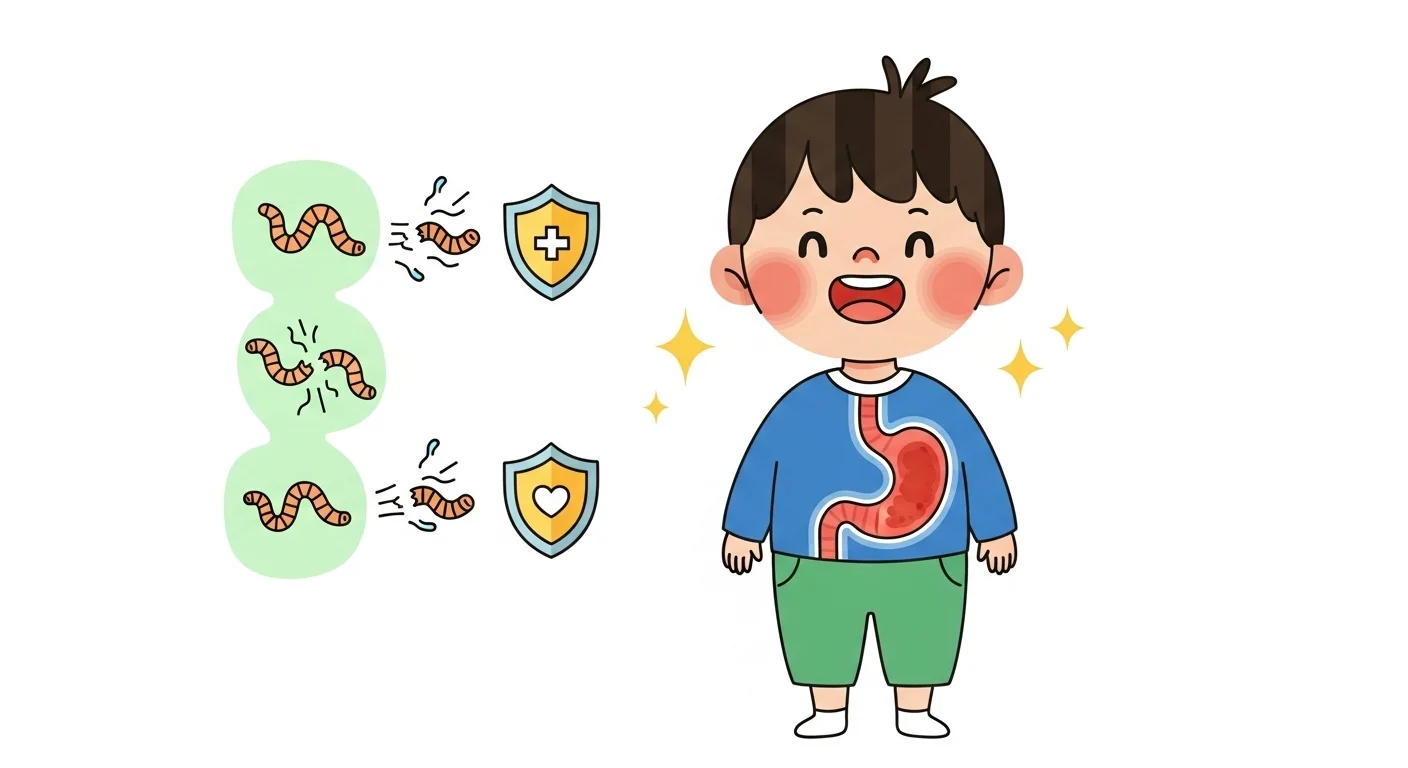
Worms are like uninvited guests living in your child’s stomach, eating their food and making them sick.
Levamisole basically paralyzes those worms.
Once paralyzed, the worms can’t hold on to the intestinal wall anymore.
And the body simply flushes them out naturally.
Gone. Done. Bye-bye, worms.
🛡️ 2. Immune System Booster (Immunomodulator)
Here’s where Ketress Syrup gets really interesting.
Some doctors prescribe Levamisole as an immune system booster.
It stimulates certain white blood cells — the soldiers of your immune system.
This use is sometimes seen in:
- Children with nephrotic syndrome (a kidney condition) who have frequent relapses
- Patients with weakened immune systems
- As a supportive therapy alongside other treatments
Important note: This use is typically considered off-label or adjunct therapy.
Your doctor will only prescribe it for immunity purposes if they feel it’s necessary for your specific condition.
👶 3. Who Is It Prescribed For?
- Children — most commonly (that’s why it comes in syrup form)
- Adults — for worm infections or immune support
- Elderly — less commonly, and only under medical supervision
🔬 How Does Ketress Syrup Work in the Body?
Let me explain this simply.
Levamisole works by interfering with the nervous system of parasitic worms.
It causes their muscles to become paralyzed.
When the worms can’t move, they lose their grip on the intestinal lining.
Your body then naturally expels them through stool.
For immune function, Levamisole stimulates T-cells and macrophages — which are like the security guards and clean-up crew of your immune system.
It helps your body fight infections more effectively.
⚠️ Side Effects of Ketress Syrup

Now, every medicine has some potential side effects.
That’s just how medicines work.
But don’t panic — most people tolerate Ketress Syrup quite well, especially when taken at the correct dose.
😐 Common Side Effects (May Happen in Some People)
- Nausea — feeling like you might throw up
- Vomiting — actually throwing up
- Abdominal pain — stomach cramps or discomfort
- Diarrhea — loose or watery stools
- Headache — mild to moderate
- Dizziness — feeling lightheaded
These usually go away on their own within a day or two.
🤔 Less Common Side Effects
- Loss of appetite
- Taste changes — food might taste metallic or different
- Fatigue — feeling more tired than usual
- Skin rash — mild itching or redness
- Muscle aches
🚨 Rare but Serious Side Effects (Get Medical Help Immediately)
- Agranulocytosis — a dangerous drop in white blood cells (signs include high fever, sore throat, mouth ulcers)
- Severe allergic reaction — swelling of face, lips, throat, difficulty breathing
- Vasculitis — inflammation of blood vessels (skin purplish spots, joint pain)
- Seizures or convulsions
- Severe skin reactions — blistering, peeling
⚠️ If you notice any of these serious symptoms, stop the medicine and rush to the nearest hospital immediately.
“Side effects don’t happen to everyone. Many people use Ketress Syrup with no issues at all. But it’s important to be aware so you know what to watch for.”
🚨 Warnings & Precautions

This section is super important.
Please read it carefully before giving Ketress Syrup to anyone.
❌ Who Should NOT Take Ketress Syrup?
- People who are allergic to Levamisole or any ingredient in the syrup
- Patients with severe liver disease
- People with blood disorders like agranulocytosis or low white blood cell counts
- Anyone currently experiencing active infections (unless directed by a doctor)
🤰 Pregnancy & Breastfeeding
- Pregnancy: Ketress Syrup is NOT recommended during pregnancy unless absolutely necessary and prescribed by a doctor. It may harm the developing baby.
- Breastfeeding: Levamisole may pass into breast milk. Consult your doctor before using it if you’re nursing.
🫁 Liver & Kidney Considerations
- If you have liver problems, tell your doctor. Dose adjustments may be needed.
- Patients with kidney disease should also use this medicine with caution.
👶 Children & Elderly
- Safe for children when dosed correctly by a doctor.
- Elderly patients may need lower doses and closer monitoring.
🍺 Alcohol Interaction
Do NOT drink alcohol while taking Ketress Syrup.
Combining Levamisole with alcohol can cause a severe reaction — including nausea, vomiting, flushing, rapid heartbeat, and stomach cramps.
This reaction is similar to what happens with the drug Disulfiram (Antabuse).
This is a serious warning. Take it seriously.
🚗 Driving & Machinery
Levamisole can cause dizziness in some people.
If you feel dizzy or lightheaded, avoid driving or operating heavy machinery until you feel normal again.
🔄 Drug Interactions
Ketress Syrup can interact with other medicines you might be taking.
Here’s a quick overview:
🔴 Major Interactions
- Warfarin (blood thinner) — Increases bleeding risk significantly. Your doctor may need to adjust your Warfarin dose.
- Phenytoin (seizure medicine) — Raises Phenytoin levels in the blood, increasing the risk of toxicity and dangerous side effects.
- Alcohol — Causes a severe Disulfiram-like reaction including flushing, vomiting, and rapid heart rate. Avoid alcohol completely.
🟡 Moderate Interactions
- Albendazole / Mebendazole (other deworming medicines) — Combined use should be monitored closely by your doctor as it may increase side effects.
- Immunosuppressants — Levamisole boosts the immune system, so it can interfere with the effect of medicines designed to suppress immunity.
🟢 Minor Interactions
- Herbal supplements like Echinacea — May over-stimulate the immune system when combined with Levamisole, potentially causing unwanted immune responses.
“Always tell your doctor or pharmacist about every medicine, supplement, or herbal product you’re currently taking before starting Ketress Syrup.”
💉 Overdose / Missed Dose
🆘 Overdose
Taking too much Ketress Syrup can be dangerous.
Signs of overdose may include:
- Severe nausea and vomiting
- Confusion or disorientation
- Tremors or convulsions
- Extreme dizziness
- Difficulty breathing
What to do:
- Call emergency services immediately
- In the US, contact Poison Control: 1-800-222-1222
- In Pakistan, take the patient to the nearest emergency room right away
- Bring the medicine bottle with you so doctors know exactly what was taken
⚠️ Do NOT try to treat an overdose at home. Get professional help fast.
😅 Missed Dose
If you miss a dose:
- Take it as soon as you remember
- If it’s almost time for the next dose, skip the missed one
- Never take a double dose to make up for the missed one
Since Ketress Syrup for worms is often given as a single dose, missing it is less likely.
But if you’re on a multi-day schedule, just follow the advice above.
📊 Dosage Guide
Here’s a general overview of how Ketress Syrup is typically dosed.
👨 Adult Dosage (Worm Infections)
- 2.5 mg per kg of body weight as a single dose
- May be repeated after 7 days if needed
👶 Children’s Dosage
- Same formula: 2.5 mg/kg body weight — single dose
- The syrup form makes it easy to measure for kids
- Your doctor will calculate the exact amount based on your child’s weight
👴 Elderly Dosage
- Used with caution
- Doctor may prescribe a lower dose depending on kidney and liver function
📏 Maximum Daily Dose
- Generally 150 mg for adults in a single dose
- Do not exceed what your doctor prescribes
📦 Available Forms
- Syrup (liquid form — ideal for children)
- Tablets (also available under the Ketress brand)
⚠️ “This dosage information is for general awareness only. Always follow your doctor’s prescription or the instructions on your medicine packaging.”
🩺 When to Call Your Doctor
Call your doctor right away if:
- Your child’s symptoms don’t improve after taking the medicine
- You notice high fever, sore throat, or mouth ulcers (could be a sign of low white blood cells)
- There’s a severe skin rash or allergic reaction
- You see signs of unusual bleeding or bruising
- Your child seems confused, has seizures, or acts unusually
- Worm symptoms come back after treatment
Don’t wait if something feels off.
It’s always better to be safe.
🙋 Frequently Asked Questions (FAQ)
Q: Is Ketress Syrup safe for children?
A: Yes, Ketress Syrup is commonly prescribed for children for deworming. The syrup form is designed specifically for easy dosing in kids. Always follow the doctor’s prescribed dose.
Q: Can Ketress Syrup be taken on an empty stomach?
A: Yes, Levamisole can be taken with or without food. However, taking it with a light meal may reduce stomach upset.
Q: How long does Ketress Syrup take to work?
A: Ketress Syrup usually works within 24 to 72 hours. You may notice worms being expelled in the stool within a day or two after taking the dose.
Q: Can I give Ketress Syrup during pregnancy?
A: It is not recommended during pregnancy unless your doctor specifically prescribes it. Always consult your doctor before taking any medicine during pregnancy.
Q: Can I drink alcohol while taking Ketress Syrup?
A: Absolutely not. Alcohol combined with Levamisole can cause a very unpleasant and potentially dangerous reaction including severe nausea, vomiting, and rapid heartbeat. Avoid alcohol completely during treatment.
🌐 Sources & External References
- FDA Drug Label Database — Levamisole
- MedlinePlus — Levamisole Information
- Drugs.com — Levamisole Full Prescribing Information
- WebMD — Levamisole Oral
- WHO Model List of Essential Medicines — Anthelmintics
- RxList — Levamisole Drug Information
🏁 Conclusion — Your Child’s Health Matters Most

Let’s wrap it up.
Ketress Syrup (Levamisole) is a well-known, effective medicine for treating worm infections — especially in children.
It works fast, it’s easy to give, and it gets the job done.
Beyond deworming, it also has immune-boosting properties that some doctors use for specific medical conditions.
Like any medicine, it comes with potential side effects and warnings.
The key is to always use it under a doctor’s guidance and follow the prescribed dosage carefully.
Knowledge truly is power when it comes to your family’s health.
At QuickDawa, we believe that understanding your medicine is just as important as taking it. Knowledge is the first step toward better health. If you found this guide helpful, share it with someone who needs it — and explore more medicine guides on QuickDawa.com for trusted, easy-to-understand health information.
💬 Got questions about Ketress Syrup or any other medicine? Drop a comment below or reach out to us on our Contact Page. We’d love to help!
⚠️ Medical Disclaimer
The information provided in this article is intended for educational and informational purposes only. It is not a substitute for professional medical advice, diagnosis, or treatment. Always seek the guidance of your qualified doctor, pharmacist, or healthcare provider with any questions you may have regarding a medical condition, medication, or treatment plan.
Never disregard professional medical advice or delay seeking it because of something you read on QuickDawa.com or any other website. If you think you may have a medical emergency, call your doctor, go to the nearest emergency room, or call emergency services immediately.
Drug information, dosages, and interactions described in this post are provided for general awareness only and may not apply to your individual health situation. Medications affect people differently based on age, weight, health conditions, and other factors.
QuickDawa.com and its authors do not assume any liability for any consequences arising from the use or misuse of information presented on this website.