Abnil Capsule Uses, Side Effects, Dosage & Warnings – Complete Guide | QuickDawa
Imagine this.
You’ve been dealing with a terrible toothache all day.
Or maybe your joints are aching so badly you can’t even hold a cup of tea properly.
The pain just won’t stop, and it’s ruining your entire day.
You go to the doctor, and they hand you a prescription that says “Abnil Capsule.”
Now you’re wondering , what exactly is this medicine? Is it safe?
What does it do? Will it actually help my pain go away?
Those are totally fair questions. And honestly, you should be asking them.
Taking medicine without knowing what it does is like driving a car blindfolded.
You might get lucky.
But why risk it?
So let’s break down everything you need to know about Abnil Capsules , their uses, side effects, dosage, warnings, and more , in simple, clear language.
💊 What Is Abnil Capsule?
Abnil Capsule is a pain-relieving and anti-inflammatory medicine.
It contains a drug called Nimesulide, which belongs to a group of medicines known as NSAIDs (Non-Steroidal Anti-Inflammatory Drugs).
Think of NSAIDs as the “firefighters” of pain medicine. When something in your body gets inflamed — like a swollen joint, a sore tooth, or a muscle injury — Nimesulide rushes in to calm things down.
Abnil capsules are commonly available in 100mg strength. They are manufactured and widely prescribed in countries like Pakistan and India by various pharmaceutical companies.
Doctors prescribe Abnil for pain, swelling, and fever. It’s a go-to option when basic painkillers like paracetamol aren’t doing the job.
It’s a prescription medicine, which means you should take it only when a doctor tells you to.
✅ Uses of Abnil Capsule
Abnil Capsule has quite a few uses. Let’s walk through all of them one by one.
🦷 Dental Pain
Got a toothache that’s making you want to pull your hair out?
Abnil is commonly prescribed for moderate to severe dental pain. Whether it’s a cavity, a tooth extraction, or a gum infection — Abnil helps reduce both the pain and the swelling around the affected area.
🦴 Joint Pain and Arthritis
If you have osteoarthritis or rheumatoid arthritis, your joints might feel stiff, swollen, and painful.
Abnil works by reducing the inflammation inside the joint. This means less pain, less stiffness, and better movement.
It’s like putting cool water on a burn — it soothes the area and brings relief.
🤕 Headaches and Migraines
Abnil isn’t the first choice for a simple headache. But when the headache is intense and doesn’t go away with regular painkillers, doctors may prescribe Nimesulide-based medicines like Abnil.
🩹 Muscle Pain and Sprains
Pulled a muscle at the gym? Twisted your ankle?
Abnil capsule helps reduce swelling and pain from soft tissue injuries like sprains, strains, and sports injuries.
🌡️ Fever Reduction
Yes, Abnil can also bring down a fever.
When your body is fighting an infection, it heats up. Abnil helps lower that temperature by acting on the chemicals that cause fever.
However, it’s usually not the first medicine doctors pick for fever. Paracetamol is more common for that. Abnil is usually given when there’s pain along with fever.
🩸 Menstrual Pain (Period Cramps)
Many women deal with painful period cramps every month. It can feel like a constant tightening in the lower belly.
Abnil is sometimes prescribed for dysmenorrhea — the medical name for painful periods. It helps relax the cramping and eases the discomfort.
🔧 Post-Surgical Pain
After minor surgeries or dental procedures, doctors may prescribe Abnil to manage pain during recovery.
🧠 How Does Abnil Work in the Body?
Here’s the simple version.
When your body gets hurt or infected, it releases chemicals called prostaglandins. These are the troublemakers — they cause pain, swelling, and fever.
Abnil blocks the enzyme (called COX-2) that makes these prostaglandins. Less prostaglandins = less pain, swelling, and fever.
Think of it like turning off a fire alarm. The fire (injury) might still be there, but the alarm (pain signal) gets quieter so you can function.
⚠️ Side Effects of Abnil Capsule
Every medicine has some side effects. That’s just the reality.
But here’s the important part — not everyone gets them. Many people take Abnil and feel perfectly fine.
Still, it’s smart to know what to watch for. Let’s look at the possible side effects.
🟡 Common Side Effects (May Happen in Some People)
These are usually mild and go away on their own:
- Nausea or upset stomach — You might feel a little queasy, especially if you take Abnil on an empty stomach.
- Heartburn or acidity — A burning feeling in your chest or upper stomach.
- Diarrhea — Loose stools that usually settle after a day or two.
- Dizziness — You might feel a bit lightheaded.
- Stomach pain — Mild discomfort around the belly area.
- Loss of appetite — You may not feel like eating as much.
🟠 Less Common Side Effects
These happen less often but are worth knowing about:
- Skin rash or itching — Your skin might react, especially if you’re sensitive.
- Headache — Ironic, right? A pain reliever can sometimes cause a headache.
- Bloating or gas — Some people feel a bit puffy.
- Drowsiness — You may feel sleepy or tired.
- Mouth ulcers — Small sores inside the mouth (rare but possible).
🔴 Rare but Serious Side Effects (Get Medical Help Immediately)
These are uncommon, but if they happen, stop taking Abnil and see a doctor right away:
- Severe stomach pain or black stools — Could indicate internal bleeding or stomach ulcer.
- Yellowing of skin or eyes (jaundice) — This is a sign of liver damage, and Nimesulide has been linked to liver problems in rare cases.
- Dark-colored urine — Another warning sign of liver issues.
- Severe allergic reaction — Swelling of face, lips, tongue, or throat. Difficulty breathing. Hives all over the body.
- Unusual bruising or bleeding — Could mean the drug is affecting your blood.
- Severe skin reactions — Peeling, blistering, or a widespread rash.
💡 “Side effects don’t happen to everyone. Many people use Abnil with no issues at all. But it’s important to be aware so you can act fast if something feels off.”
🚨 Warnings & Precautions
This section is super important. Please read it carefully.
❌ Who Should NOT Take Abnil Capsule?
Do not take Abnil if you:
- Are allergic to Nimesulide or any other NSAID (like ibuprofen or aspirin).
- Have a history of stomach ulcers or gastrointestinal bleeding.
- Have severe liver disease or active liver problems.
- Have severe kidney disease.
- Have heart failure.
- Are in the third trimester of pregnancy (last 3 months).
🤰 Pregnancy & Breastfeeding
Pregnancy: Abnil is generally not recommended during pregnancy, especially during the last trimester. It can harm the baby and affect labor. Always talk to your gynecologist before taking it.
Breastfeeding: It’s unclear whether Nimesulide passes into breast milk. To be safe, avoid taking it while breastfeeding unless your doctor specifically says it’s okay.
🫀 Liver and Kidney Concerns
This is a big one.
Nimesulide (the active ingredient in Abnil) has been associated with liver damage in rare cases. That’s actually why some countries have restricted or banned its use.
If you have any liver or kidney issues, tell your doctor before taking Abnil. They may choose a different painkiller for you.
👶 Children
Abnil capsules are generally not recommended for children under 12 years of age. In many regions, Nimesulide use in children has been restricted due to the risk of liver problems.
🧓 Elderly Patients
Older adults are more sensitive to side effects, especially stomach bleeding and kidney issues. Doctors usually prescribe a lower dose and monitor closely.
🍺 Alcohol Warning
Do not drink alcohol while taking Abnil. Both alcohol and Nimesulide can irritate your stomach lining. Together, they increase the risk of stomach ulcers and bleeding.
🚗 Driving & Machinery
Abnil can cause dizziness and drowsiness in some people. If you feel any of these, don’t drive or operate heavy machinery until you feel normal again.
⚠️ Important: Nimesulide has been banned or restricted in several countries (like the EU) due to liver toxicity concerns. Always use Abnil only under a doctor’s supervision and for the shortest time possible.
🔄 Drug Interactions
Medicines can sometimes clash with each other. Taking Abnil with certain drugs can increase side effects or make either medicine less effective.
Here’s a breakdown of the most important interactions:
| Drug / Substance | Type of Interaction | What Happens |
|---|---|---|
| Warfarin / Blood thinners | Major | Increases the risk of bleeding. Abnil can enhance the blood-thinning effect. |
| Other NSAIDs (Ibuprofen, Aspirin, Diclofenac) | Major | Taking two NSAIDs together doubles the risk of stomach ulcers and bleeding. |
| ACE Inhibitors (Enalapril, Ramipril) | Moderate | Abnil may reduce the effectiveness of blood pressure medicines. |
| Diuretics (Furosemide, Hydrochlorothiazide) | Moderate | Can reduce the diuretic effect and may increase the risk of kidney damage. |
| Lithium | Moderate | Abnil may increase lithium levels in the blood, leading to toxicity. |
| Methotrexate | Major | Nimesulide can increase Methotrexate levels, causing serious side effects. |
| Alcohol | Moderate | Increases stomach irritation, ulcer risk, and liver strain. |
| Antacids | Minor | May slightly affect Abnil absorption, but usually not a major concern. |
| St. John’s Wort (Herbal Supplement) | Minor | May interact with liver metabolism of Nimesulide. |
📋 “Always tell your doctor or pharmacist about every medicine, supplement, or herbal product you’re currently taking before starting Abnil Capsule.”
💉 Overdose / Missed Dose
🚑 Overdose — What If You Take Too Much?
Taking more Abnil than prescribed is dangerous. An overdose can cause:
- Severe nausea and vomiting
- Intense stomach pain
- Drowsiness or lethargy
- Liver damage
- Kidney problems
- In extreme cases, loss of consciousness
What to do:
- Do NOT panic, but act fast.
- Call your doctor immediately or go to the nearest emergency room.
- If in the US, contact Poison Control at 1-800-222-1222.
- If in Pakistan, take the person to the nearest hospital ER.
- Bring the medicine packaging with you so doctors know exactly what was taken.
⚠️ Never take a double dose to make up for a missed one. It won’t help and could be harmful.
⏰ Missed Dose — What If You Forget?
Forgot to take your Abnil capsule? Here’s what to do:
- If it’s been only a short time since you missed it, take it as soon as you remember.
- If it’s almost time for your next dose, just skip the missed one. Take your next dose at the regular time.
- Do NOT take two capsules at once to catch up. That’s a recipe for side effects.
Missing one dose is okay. Just get back on track. Don’t stress about it.
📊 Dosage Guide
Here’s a general overview of how Abnil capsules are typically dosed. But remember — your doctor’s instructions always come first.
Adults (over 18 years):
- The usual dose is 100mg twice daily (one capsule in the morning and one at night).
- It’s best taken after meals to reduce stomach irritation.
Maximum Daily Dose:
- Do not exceed 200mg per day (two capsules in 24 hours).
Duration:
- Abnil should be used for the shortest time possible. Usually, doctors prescribe it for a few days to two weeks at most.
- Long-term use increases the risk of liver and stomach problems.
Children (under 12):
- Generally not recommended. Nimesulide use in children has been restricted in many countries.
Elderly:
- A lower dose may be prescribed. The doctor will decide based on kidney and liver function.
Available Forms:
- Capsules (100mg)
- Nimesulide is also available from other brands in tablet, suspension (syrup), and dispersible tablet forms.
⚠️ “This dosage information is for general awareness only. Always follow your doctor’s prescription or the instructions on your medicine packaging.”
🙋 Frequently Asked Questions (FAQ)
Q: Is Abnil Capsule safe during pregnancy?
A: No, Abnil is generally not considered safe during pregnancy, especially in the last three months. It can affect the baby’s development and cause complications during delivery. Always consult your gynecologist before taking any painkiller during pregnancy.
Q: Can I take Abnil Capsule on an empty stomach?
A: It’s not recommended. Taking Abnil on an empty stomach increases the chance of nausea, heartburn, and stomach irritation. Always take it after food or with a glass of milk to protect your stomach lining.
Q: How long does Abnil Capsule take to work?
A: Most people start feeling relief within 30 minutes to 1 hour after taking Abnil. The full effect usually kicks in within 2 hours. This can vary from person to person depending on the type and severity of pain.
Q: Can children take Abnil Capsule?
A: Abnil is not recommended for children under 12. In many countries, Nimesulide has been restricted for pediatric use because of concerns about liver safety. If your child needs a painkiller, your pediatrician will suggest a safer alternative like paracetamol or ibuprofen.
Q: Can I drink alcohol while taking Abnil Capsule?
A: No. Alcohol and Abnil together increase the risk of stomach ulcers, bleeding, and liver damage. It’s best to completely avoid alcohol while you’re on this medicine.
Q: Is Abnil Capsule the same as paracetamol?
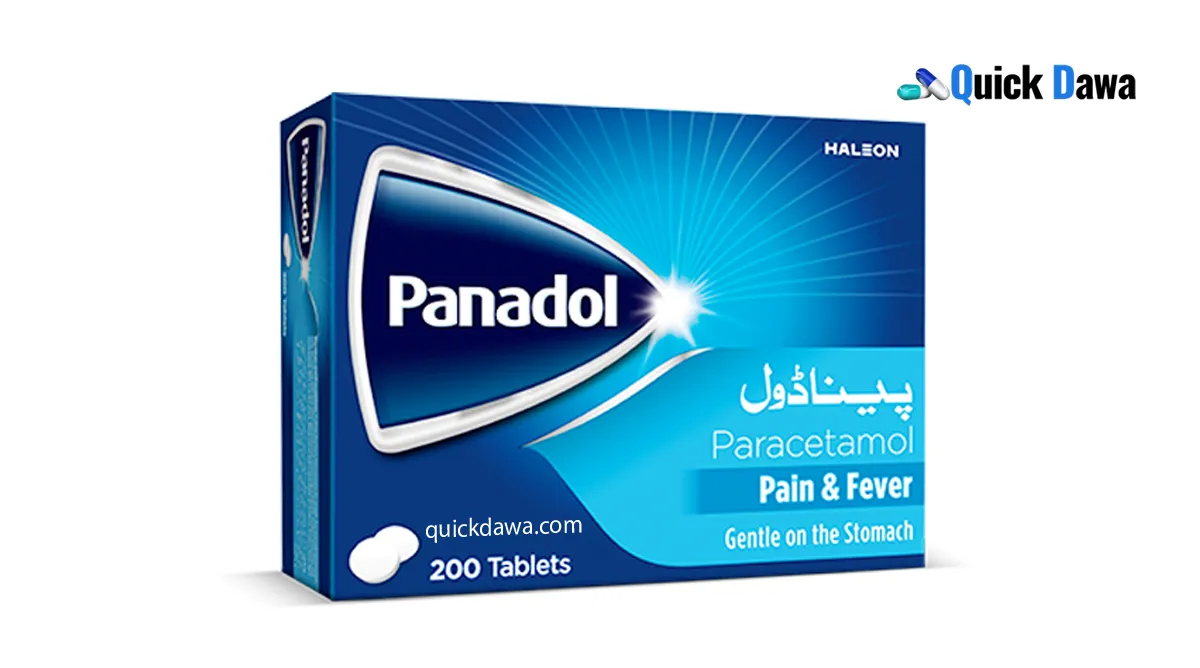
A: No, they are different medicines. Paracetamol (Panadol) mainly works on pain and fever. Abnil (Nimesulide) also works on inflammation in addition to pain and fever. Abnil is a stronger option but comes with more potential side effects. Your doctor will decide which one is right for you.
Q: Can I take Abnil Capsule for a headache?
A: You can, but it’s usually not the first choice for a regular headache. Doctors typically recommend paracetamol first. Abnil is more often prescribed when there’s pain combined with inflammation — like dental pain, joint pain, or menstrual cramps. If your headache is severe and doesn’t respond to other medicines, your doctor may prescribe Abnil.
🌐 Sources & External References
Here are some trusted sources where you can learn more about Nimesulide (the active ingredient in Abnil Capsule):
- FDA — Drug Safety and Availability — General information on NSAID safety
- MedlinePlus — NSAIDs Overview — Understanding non-steroidal anti-inflammatory drugs
- Drugs.com — Nimesulide Information — Detailed drug profile for Nimesulide
- WebMD — NSAIDs: Uses, Side Effects & Risks — General NSAID safety guide
- WHO — Nimesulide Safety Review — International safety assessments
- PubMed — Nimesulide Clinical Studies — Peer-reviewed research on Nimesulide efficacy and safety
🏁 Conclusion
Let’s quickly recap what we’ve covered.
Abnil Capsule contains Nimesulide — a powerful NSAID that helps with pain, inflammation, and fever. It’s used for dental pain, joint pain, muscle sprains, period cramps, and more.
It works well for most people when taken correctly and for a short period. But like any medicine, it comes with side effects — especially related to the stomach and liver.
The key takeaways?
- Always take Abnil after food.
- Never exceed the recommended dose.
- Avoid it if you have liver problems.
- Don’t use it long-term without your doctor’s guidance.
- And absolutely don’t mix it with alcohol.
Knowledge is power when it comes to your health. The more you understand about your medicine, the safer you’ll be.
At QuickDawa, we believe that understanding your medicine is just as important as taking it. Knowledge is the first step toward better health. If you found this guide helpful, share it with someone who needs it — and explore more medicine guides on QuickDawa.com for trusted, easy-to-understand health information.
Got a question about Abnil or any other medicine? Drop a comment below or reach out to us through our contact page. We’d love to help!
⚠️ Medical Disclaimer
The information provided in this article is intended for educational and informational purposes only. It is not a substitute for professional medical advice, diagnosis, or treatment. Always seek the guidance of your qualified doctor, pharmacist, or healthcare provider with any questions you may have regarding a medical condition, medication, or treatment plan.
Never disregard professional medical advice or delay seeking it because of something you read on QuickDawa.com or any other website. If you think you may have a medical emergency, call your doctor, go to the nearest emergency room, or call emergency services immediately.
Drug information, dosages, and interactions described in this post are provided for general awareness only and may not apply to your individual health situation. Medications affect people differently based on age, weight, health conditions, and other factors.
QuickDawa.com and its authors do not assume any liability for any consequences arising from the use or misuse of information presented on this website.