Type 2 Diabetes- 12 Early Warning Signs You Should Never Ignore
Here is a fact that still shakes me.
1 in 2 people living with diabetes do not even know they have it.
Let that sink in.
Type 2 diabetes is one of the sneakiest health problems on the planet.
It does not knock loudly.
It creeps in quietly.
By the time most people notice, the damage has already started.
I used to think diabetes was only about eating too much sugar.
I was wrong.
And that misunderstanding almost cost someone I love dearly.
That experience pushed me to learn everything I could about type 2 diabetes — the real signs, the real numbers, and what actually works to prevent it.
This article is everything I wish I knew sooner.
If you read it carefully, it might change your life.
Or save someone else’s.
Table of Contents
ToggleWhat Is Type 2 Diabetes? A Simple Explanation
Let me break it down in the easiest way possible.
Your body is like a car.
Every car needs fuel to run.
Your body’s fuel is called glucose — that is just a fancy name for sugar.
When you eat food, your body turns it into glucose.
But here is the thing.
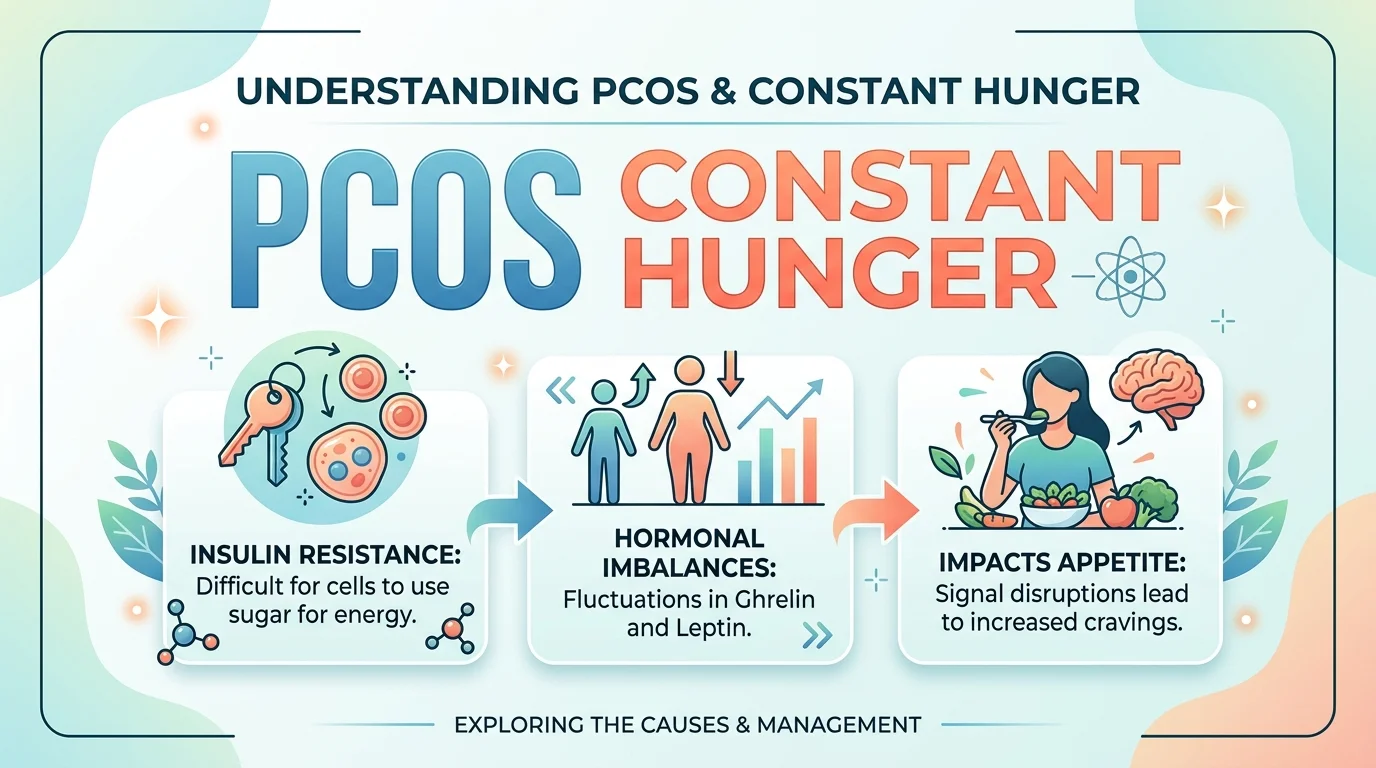
That glucose cannot just walk into your cells on its own.
It needs a key.
That key is called insulin.
Insulin is made by a small organ in your belly called the pancreas.
How It Works in a Healthy Body
You eat food.
Sugar enters your blood.
Insulin opens your cells like a key.
Sugar goes inside.
You get energy.
Simple.
How It Works With Type 2 Diabetes
Now imagine the keys are broken.
The sugar knocks on the cell door.
But the door will not open.
The sugar just sits there in your blood.
It builds up.
Your blood sugar rises.
And that is when type 2 diabetes begins its silent damage.
How Is Type 2 Different From Type 1?
Type 1 usually happens in children.
Their body completely stops making insulin.
No keys at all.
Type 2 diabetes usually happens in adults.
Your body still makes the keys.
They just do not work properly anymore.
This is called insulin resistance.
And yes — kids can get type 2 diabetes now too.
That is how widespread this problem has become.
12 Early Warning Signs of Type 2 Diabetes You Should Never Ignore
Your body is smarter than you think.
It sends signals when something is going wrong.
The problem is most people brush these signals off.
I almost did too.
Here are 12 early signs of type 2 diabetes you need to watch for.
1. You Go to the Bathroom Way Too Often 🚽
Waking up multiple times at night to pee is not normal.
Your kidneys are working overtime trying to flush the extra sugar out through urine.
If this has been happening to you lately, pay attention.
2. You Are Constantly Thirsty 💧
Because your body is losing so much water through all that peeing, you feel dehydrated.
No matter how much water you drink, your mouth still feels dry.
Your body is literally begging for fluids.
3. You Feel Hungry Even After Eating 🍔
This one confused me at first.
Your cells are starving because the sugar cannot get inside them.
So your brain sends a signal — eat more.
You just finished lunch, but you feel like you have not eaten in hours.
That is insulin resistance talking.
4. You Are Exhausted All the Time 😴
img
Sugar is sitting in your blood instead of powering your cells.
No fuel in the cells means no energy for you.
You feel drained after meals.
You feel tired even after sleeping eight hours.
This kind of fatigue is different from normal tiredness.
It feels heavier.
5. Your Vision Gets Blurry 👓
High blood sugar causes the lens in your eye to swell.
That changes its shape.
Things start looking fuzzy or out of focus.
The scary part is people often blame it on aging or needing new glasses.
But sometimes it is type 2 diabetes quietly damaging your eyesight.
If your sugar levels get fixed early, the blurriness usually goes away.
6. Cuts and Wounds Heal Very Slowly 🩹
Got a small paper cut that took weeks to close?
High blood sugar slows your blood flow.
It also weakens your immune system.
Your body simply cannot repair itself the way it should.
7. Tingling or Numbness in Hands and Feet ⚡
This one is a serious red flag.
Excess sugar damages your nerves over time.
You might feel pins and needles in your toes or fingers.
Sometimes a burning sensation.
Sometimes complete numbness.
Doctors call this diabetic neuropathy.
If you are feeling this, please do not ignore it.
8. Dark Patches on Your Skin
You might notice dark, velvety patches around your neck, armpits, or groin.
This condition is called Acanthosis Nigricans.
It happens because your body is producing too much insulin trying to overcome the resistance.
It is one of the earliest visible signs of type 2 diabetes.
9. Itchy Skin and Frequent Infections
Sugar feeds yeast and bacteria.
When your blood sugar stays high, infections show up more often.
Women may get recurring yeast infections.
Both men and women can experience itchy, irritated skin.
10. Dry Mouth
Your mouth feels like cotton.
High sugar dries up your saliva.
It is uncomfortable and annoying.
And most people just drink more water without thinking about why it keeps happening.
11. Losing Weight Without Trying
This might sound like a good thing.
It is not.
When your cells cannot access sugar for energy, your body starts burning fat and muscle instead.
You lose weight even though you are eating plenty.
That is your body in survival mode.
12. Mood Swings
When blood sugar spikes and crashes, so does your mood.
You might feel irritable for no reason.
Anxious.
Foggy.
Just not yourself.
People around you might notice it before you do.
⚠️ Important Warning: Some people with type 2 diabetes have NO symptoms at all. The disease stays completely hidden. This is exactly why regular blood tests and check-ups matter so much. Do not wait for symptoms to show up before you act.
Blood Sugar Levels Chart
Numbers do not lie.
Understanding your blood sugar levels is one of the most powerful things you can do for your health.
Here is a simple blood sugar levels chart that makes it easy to see where you stand.
| Condition | Fasting (Before Breakfast) | After Meal (2 Hours Later) | A1C Test (3-Month Average) |
|---|---|---|---|
| Normal | Less than 100 mg/dL | Less than 140 mg/dL | Less than 5.7% |
| Prediabetes | 100 to 125 mg/dL | 140 to 199 mg/dL | 5.7% to 6.4% |
| Diabetes | 126 mg/dL or higher | 200 mg/dL or higher | 6.5% or higher |
These numbers are general guidelines. Your doctor will tell you what is specifically right for you based on your age, weight, and health history.
If your numbers fall in the prediabetes range, that is actually a gift.
It means you still have time to turn things around.
You can order affordable blood glucose monitors and diabetes care essentials at QuickDawa.com and start tracking your numbers at home.
What Actually Causes Type 2 Diabetes?
Type 2 diabetes does not show up overnight.
It builds slowly.
Sometimes over many years.
It is usually a combination of your genes and your daily habits.
Insulin Resistance
This is where it all begins.
Your muscle, fat, and liver cells stop responding to insulin properly.
They ignore the signal to open up.
Sugar stays locked out of the cells and piles up in your blood.
Pancreas Fatigue
At first, your pancreas fights back.
It produces extra insulin to force the cells open.
But over time, it gets exhausted.
It simply cannot keep up with the demand anymore.
Excess Weight
Being overweight — especially carrying extra fat around your belly — causes inflammation inside your body.
That inflammation makes insulin resistance even worse.
Belly fat is particularly dangerous when it comes to type 2 diabetes.
Too Much Sugar in Your Diet
Sugary drinks, candy, white bread, and processed snacks keep your blood sugar elevated constantly.
Your body never gets a break.
Eventually, the system breaks down.
Sitting Too Much
A sedentary lifestyle makes your cells less sensitive to insulin.
Your body was designed to move.
When it does not, everything slows down — including how well insulin works.
Who Is Most at Risk?
Anyone can develop type 2 diabetes.
But some people are at a higher risk than others.
Check this list honestly.
✅ You are 45 years old or older.
✅ You are overweight or obese.
✅ A parent, brother, or sister has type 2 diabetes.
✅ You exercise less than three times a week.
✅ You had gestational diabetes during pregnancy.
✅ A doctor told you your sugar levels are slightly high (prediabetes).
✅ You are African American, Hispanic/Latino, American Indian, or Asian American — these groups have a statistically higher risk.
If you checked even two of these boxes, it is worth getting a blood test done.
7 Simple Ways to Prevent Type 2 Diabetes
img
This is the part that matters most.
You are not powerless.
Even if you are at high risk, you can fight back.
Even if you already have prediabetes, you can reverse course.
Here are seven things that actually work.
1. Move Your Body Every Day 🏃♂️
You do not need a gym membership.
You do not need to run a marathon.
Just walk for 30 minutes a day.
Dance in your living room.
Take the stairs instead of the elevator.
Play with your kids in the park.
Any movement helps your cells respond better to insulin.
2. Lose a Little Weight ⚖️
You do not need to lose a dramatic amount.
Just 5% to 7% of your body weight makes a significant difference.
If you weigh 200 pounds, that is just 10 to 14 pounds.
That small change can reduce your risk of type 2 diabetes by over 50%.
3. Drink Water Instead of Soda 🥤❌
Sugary drinks are liquid sugar bombs.
They spike your blood sugar faster than almost anything else.
One can of soda has about 39 grams of sugar.
That is nearly 10 teaspoons.
Switch to water, unsweetened tea, or lemon water.
Your pancreas will thank you.
4. Eat More Fiber 🥦
Fiber is like a speed bump for sugar.
It slows down how fast glucose enters your bloodstream.
Vegetables, fruits, beans, lentils, and whole grains are all packed with fiber.
Add them to every meal.
5. Avoid “White” Foods 🍞
White bread, white rice, white pasta — they all convert to sugar very quickly inside your body.
Swap them for brown rice, oats, quinoa, or whole wheat alternatives.
It is a small switch with a big impact.
6. Quit Smoking 🚭
Smoking makes insulin resistance worse.
Smokers are 30% to 40% more likely to develop type 2 diabetes than non-smokers.
Quitting is hard.
But your body starts healing almost immediately after you stop.
7. See Your Doctor Once a Year 👨⚕️
A simple blood test can catch prediabetes before it turns into full diabetes.
If you catch it early, you can fix it with diet and exercise alone.
No medicines. No injections. Just smart choices.
For diabetes screening kits, prescribed medicines, and health monitoring tools, QuickDawa.com delivers everything you need right to your door.
When Should You See a Doctor?
Do not wait until things get bad.
See a doctor if any of the following apply.
You have been extremely thirsty and peeing constantly for several days.
You are losing weight and you have no idea why.
You feel dizzy, shaky, or unusually weak.
Your vision suddenly gets blurry.
You have a wound that refuses to heal.
You notice dark patches forming on your skin.
Early action is everything with type 2 diabetes.
The sooner you know, the more control you have.
Final Thoughts
Type 2 diabetes is serious.
But it is not a death sentence.
It is not even a life sentence if you act early enough.
Knowing the warning signs puts you ahead of millions of people who are walking around completely unaware.
Understanding the blood sugar chart gives you the power to read your own numbers.
And the prevention tips in this article are things you can start doing today.
Not tomorrow.
Not next Monday.
Today.
A 30-minute walk.
A glass of water instead of soda.
An extra serving of vegetables at dinner.
These tiny choices stack up.
They build a wall between you and type 2 diabetes.
Your body wants to heal.
Give it the chance.
Start now.
For trusted health products, medicines, and wellness essentials, explore QuickDawa.com — your health partner delivered to your doorstep.
📌 Medical Disclaimer
This article is for informational and educational purposes only. It is not a substitute for professional medical advice, diagnosis, or treatment. Always consult a qualified healthcare provider before making any changes to your diet, exercise routine, or medication. If you are experiencing severe or unusual symptoms, seek emergency medical help immediately.
📚 Resources & References
- Mayo Clinic — Type 2 Diabetes Overview
- CDC — Type 2 Diabetes Basics
- American Diabetes Association — Understanding Blood Sugar Levels
- Cleveland Clinic — Type 2 Diabetes Symptoms
- WHO — Diabetes Fact Sheet
- NIH / NIDDK — Insulin Resistance & Prediabetes
- Healthline — Early Signs of Type 2 Diabetes
- WebMD — Type 2 Diabetes Prevention