When Not to Take Ibuprofen – 9 Risky Situations You Must Avoid
So you have a pounding headache.
Or maybe your back is killing you after a long day.
You open your medicine cabinet, grab that familiar bottle of ibuprofen, and pop a pill without thinking twice.
Sound familiar?
Most of us have done this at some point.
Ibuprofen feels like a trusted friend that is always there when pain shows up.
But here is the thing most people do not realize.
There are specific times when not to take ibuprofen at all.
Yes, even this common painkiller can turn dangerous in certain situations.
Taking it at the wrong time can lead to serious bleeding, kidney problems, or even a trip to the emergency room.
Scary, right?
But do not worry.
That is exactly why this guide exists.
Whether you are about to have surgery, planning a tattoo, heading to the gym, or thinking about having a drink, you need to know the risks.
At QuickDawa, we are all about making medicine easy to understand.
So let’s break down everything you need to know about when to avoid ibuprofen in simple, clear language.
This could literally save you from a dangerous mistake.
💊 What Is Ibuprofen?
Ibuprofen is a nonsteroidal anti-inflammatory drug (NSAID).
It reduces pain, fever, and swelling in your body.
Popular brands include Advil, Motrin, and Brufen.
Doctors commonly recommend it for headaches, toothaches, muscle pain, menstrual cramps, and arthritis.
It is available over the counter, which means you can buy it without a prescription.
But just because it is easy to get does not mean it is always safe to take.
🩸 1. Do Not Take Ibuprofen Before Surgery
This is one of the most important warnings that many people ignore.
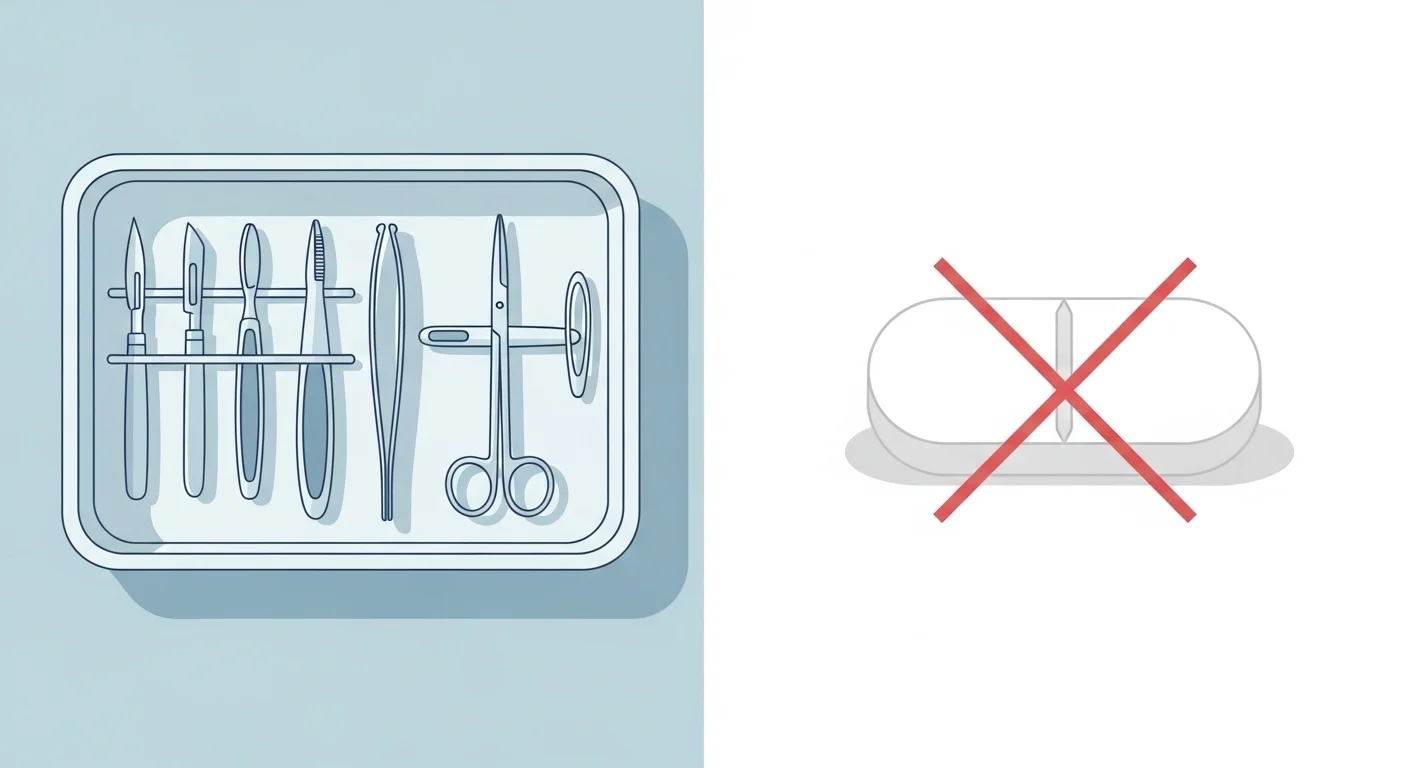
Ibuprofen before surgery is a serious risk you should never take lightly.
Here is why.
Ibuprofen thins your blood.
It does this by blocking a substance called thromboxane, which helps your blood clot properly.
When your blood cannot clot well, you bleed more during surgery.
Even a minor procedure can become complicated if the surgeon cannot control the bleeding.
Most doctors will tell you to stop ibuprofen at least 7 days before any surgery.
This includes dental surgery, cosmetic procedures, and even minor outpatient operations.
What should you do instead?
- Ask your doctor which painkillers are safe before your procedure.
- Acetaminophen (Tylenol) is often a safer alternative before surgery.
- Always tell your surgeon every medication you are taking, including over the counter drugs.
Bottom line: If you have surgery coming up, put the ibuprofen bottle down and talk to your doctor first.
🍷 2. Do Not Take Ibuprofen With Alcohol

Let’s talk about alcohol and ibuprofen because this combo is way more common than you think.
You go out for drinks on a Friday night.
The next morning, you wake up with a terrible headache.
You grab ibuprofen to kill the hangover.
Sounds harmless, right?
Wrong.
Mixing ibuprofen with alcohol dramatically increases your risk of stomach bleeding.
Both alcohol and ibuprofen irritate the lining of your stomach on their own.
When you combine them, the damage multiplies.
Here is what can happen:
- Stomach ulcers that bleed internally
- Gastritis, which is painful inflammation of the stomach lining
- Nausea, vomiting, and severe abdominal pain
- In extreme cases, life-threatening gastrointestinal bleeding
How long should you wait?
Experts generally suggest waiting at least 24 hours after heavy drinking before taking ibuprofen.
If you drink regularly, talk to your doctor about whether ibuprofen is safe for you at all.
A safer option for hangover headaches?
Try drinking plenty of water, eating a light meal, and resting.
If you really need a painkiller, acetaminophen in a low dose may be gentler on your stomach.
But even that has its own risks with alcohol, so always be careful.
At QuickDawa, we always say: when in doubt, ask your pharmacist or doctor before mixing anything.
🏋️ 3. Think Twice Before Taking Ibuprofen Before Exercise

This one surprises a lot of people.
Many athletes and gym goers pop ibuprofen before a workout to prevent soreness.
Some runners even take it before a race as a “preventive” measure.
But does this actually help?
And more importantly, is it safe?
The Kidney Strain Concern
When you exercise hard, blood flow to your kidneys decreases naturally.
Your body redirects blood to your muscles, heart, and lungs instead.
Now add ibuprofen to the mix.
Ibuprofen further reduces blood flow to the kidneys by blocking prostaglandins, which are chemicals that help protect kidney function.
During intense exercise, this double hit on your kidneys can lead to:
- Acute kidney injury
- Dehydration-related kidney stress
- Dangerously low kidney function, especially in hot weather
Myth vs Fact
Myth: Taking ibuprofen before exercise prevents muscle soreness.
Fact: Studies show it does not significantly reduce post-exercise soreness. It only masks the pain temporarily while putting your kidneys and stomach at risk.
What should you do instead?
- Warm up properly before exercise.
- Stay well hydrated throughout your workout.
- Use ice or a cold compress after exercise for muscle soreness.
- Take ibuprofen only after exercise if truly needed, and only with food and water.
The takeaway? Popping ibuprofen before a workout is not worth the risk.
🎨 4. Avoid Ibuprofen Before Tattoos and Piercings
Planning to get some new ink?
Or maybe you are finally getting that piercing you have always wanted?
Here is something your tattoo artist might not tell you.
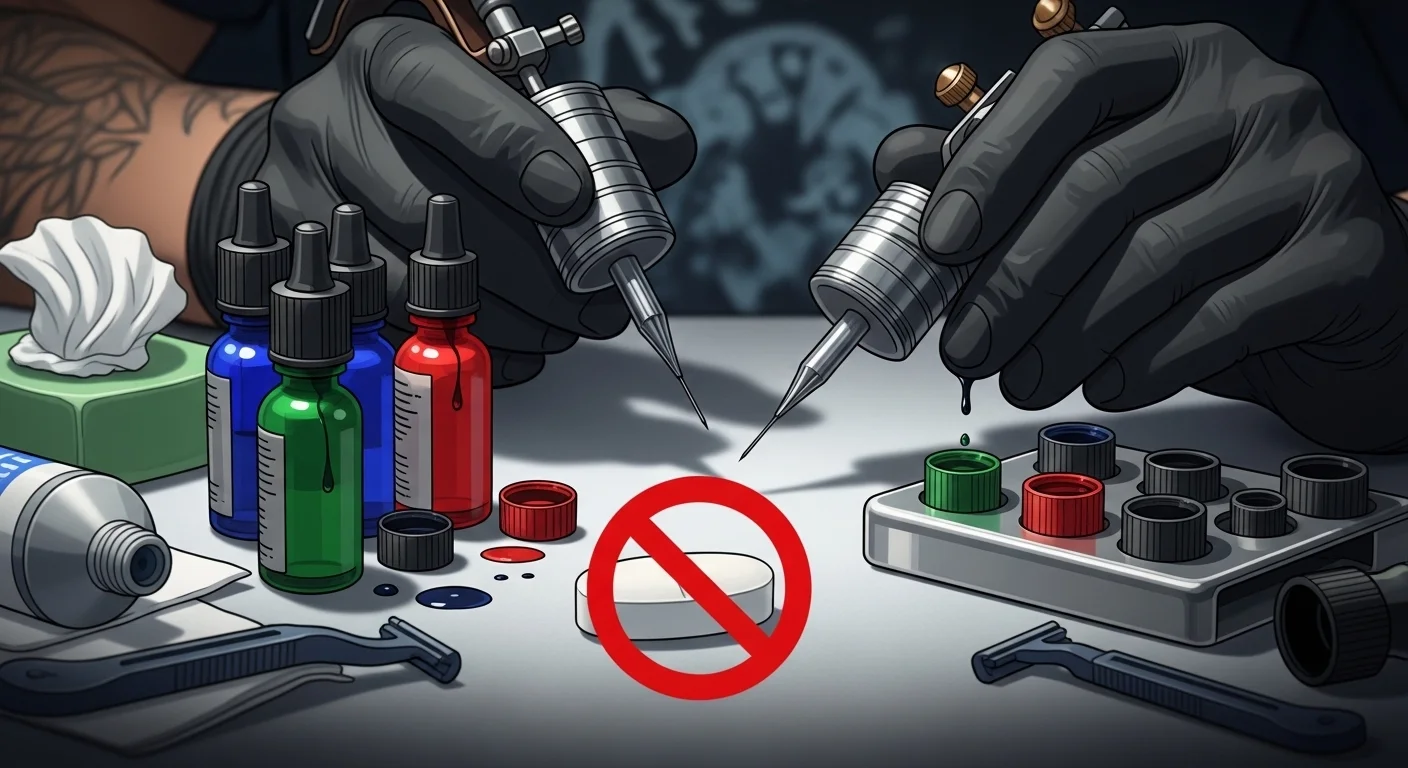
Ibuprofen before a tattoo is a bad idea.
Remember how we talked about ibuprofen thinning your blood?
That same effect causes problems during tattooing and piercing.
What happens if you take ibuprofen before a tattoo?
- You will bleed more than normal during the session.
- Excess bleeding pushes ink out of the skin, making the tattoo look patchy and faded.
- The tattoo artist will have a harder time doing clean work.
- Healing time may increase because of the extra bleeding.
The same applies to piercings.
More bleeding means more swelling, more bruising, and a longer recovery.
How long before a tattoo should you stop ibuprofen?
Most tattoo artists and doctors recommend stopping ibuprofen at least 24 to 48 hours before your appointment.
Some recommend a full week to be completely safe.
What can you take instead for pre-tattoo anxiety or pain?
- Acetaminophen (Tylenol) does not thin the blood and is a safer choice.
- Some people use numbing creams approved for tattoo use.
- Talk to your tattoo artist about their recommendations.
⚠️ 5. Other Important Times When Not to Take Ibuprofen
Beyond surgery, alcohol, exercise, and tattoos, there are several other situations where ibuprofen is risky.
Let’s go through them quickly.
🤰 During Pregnancy (Especially Third Trimester)
Ibuprofen can cause serious problems for your baby, especially after 30 weeks of pregnancy.
It can affect the baby’s heart and reduce amniotic fluid.
Never take ibuprofen during pregnancy without your doctor’s direct approval.
💊 If You Take Blood Thinners
If you are already on medications like warfarin, aspirin, or other blood thinners, adding ibuprofen increases your bleeding risk significantly.
Always check with your doctor before combining these medicines.
🫁 If You Have Asthma Triggered by NSAIDs
Some people with asthma experience severe breathing problems after taking ibuprofen.
This is called aspirin-exacerbated respiratory disease (AERD).
If NSAIDs have ever triggered your asthma, avoid ibuprofen completely.
🫘 If You Have Kidney Disease
People with existing kidney problems should be very cautious with ibuprofen.
It can worsen kidney function and even cause kidney failure in severe cases.
💔 If You Have Heart Disease or High Blood Pressure
Long-term use of ibuprofen can raise blood pressure and increase the risk of heart attack or stroke.
If you have heart issues, talk to your cardiologist before using ibuprofen regularly.
🩸 If You Have a History of Stomach Ulcers
Ibuprofen irritates the stomach lining.
If you have had ulcers before, it can reactivate them and cause dangerous bleeding.
🩺 When to Call Your Doctor
Sometimes ibuprofen causes side effects that need immediate medical attention.
Call your doctor or go to the emergency room right away if you experience:
- Black, tarry, or bloody stools
- Vomiting blood or material that looks like coffee grounds
- Severe stomach pain that does not go away
- Sudden swelling of the face, lips, tongue, or throat
- Difficulty breathing or wheezing after taking ibuprofen
- Chest pain, weakness, or slurred speech
- Very little or no urination
- Unexplained weight gain or swelling in your legs and feet
- A skin rash, blisters, or peeling skin
Do not ignore these signs.
They could mean something serious is happening inside your body.
It is always better to be safe than sorry.
🙋 Frequently Asked Questions (FAQ)
Q: Can you take ibuprofen with alcohol?
A: It is best to avoid mixing alcohol and ibuprofen because the combination greatly increases the risk of stomach bleeding and ulcers.
Q: How long does ibuprofen stay in your system?
A: Ibuprofen typically stays in your system for about 4 to 6 hours. It is fully cleared from your body within 24 hours in most cases.
Q: Is ibuprofen safe for pregnant women?
A: No, ibuprofen is not considered safe during pregnancy, especially during the third trimester. Always consult your doctor for pregnancy-safe pain relief options.
Q: Ibuprofen vs acetaminophen: which is better for pain?
A: It depends on the type of pain. Ibuprofen is better for inflammation-related pain like muscle sprains or arthritis. Acetaminophen is gentler on the stomach and safer before surgery. Your doctor can help you choose the right one.
Q: Can you take ibuprofen for a toothache?
A: Yes, ibuprofen can help with toothache pain and swelling. However, do not take it if you are about to have dental surgery, as it can increase bleeding. Check with your dentist first.
🌐 Sources and External References
- FDA Drug Label for Ibuprofen
- MedlinePlus: Ibuprofen
- Drugs.com: Ibuprofen Full Information
- WebMD: Ibuprofen Oral
- Mayo Clinic: Ibuprofen (Oral Route)
- RxList: Ibuprofen
🏁 Final Thoughts
Ibuprofen is a fantastic painkiller when used correctly.
But knowing when not to take ibuprofen is just as important as knowing when to take it.
Before surgery, with alcohol, before intense exercise, and before tattoos or piercings, ibuprofen can cause real harm.
People with certain health conditions like kidney disease, heart problems, asthma, or stomach ulcers should also be extra careful.
The simplest rule to follow is this: when in doubt, ask your doctor or pharmacist first.
A quick conversation can save you from a serious health scare.
At QuickDawa, we believe that understanding your medicine is just as important as taking it. Knowledge is the first step toward better health. If you found this guide helpful, share it with someone who needs it and explore more medicine guides on QuickDawa.com for trusted, easy-to-understand health information.
Got a question about ibuprofen or any other medicine?
Drop it in the comments below or reach out to us through our contact page.
We love hearing from our readers!
⚠️ Medical Disclaimer
The information provided in this article is intended for educational and informational purposes only. It is not a substitute for professional medical advice, diagnosis, or treatment. Always seek the guidance of your qualified doctor, pharmacist, or healthcare provider with any questions you may have regarding a medical condition, medication, or treatment plan.
Never disregard professional medical advice or delay seeking it because of something you read on QuickDawa.com or any other website. If you think you may have a medical emergency, call your doctor, go to the nearest emergency room, or call emergency services immediately.
Drug information, dosages, and interactions described in this post are provided for general awareness only and may not apply to your individual health situation. Medications affect people differently based on age, weight, health conditions, and other factors.
QuickDawa.com and its authors do not assume any liability for any consequences arising from the use or misuse of information presented on this website.