Ibuprofen While Pregnant? This FDA Warning Could Save Your Baby’s Life
Picture this scenario for a moment.
You are 24 weeks pregnant and wake up with a pounding headache.
Your back aches from carrying your growing bump all day.
You instinctively reach for the medicine cabinet.
Your hand hovers over that familiar bottle of ibuprofen.
Then you stop and wonder if it is okay to take ibuprofen while pregnant.
This question crosses the mind of thousands of expecting moms every single day.
Pregnancy brings its fair share of aches, pains, fevers, and discomforts.
Your body is working overtime to grow a tiny human.
So naturally, you want relief from all that pain.
But here is the thing.
Not every medicine that was safe before pregnancy is safe now.
And ibuprofen falls into a complicated category.
The good news is that you do not have to figure this out alone.
At QuickDawa, we are all about making medicine easy to understand.
So let us break down everything you need to know about ibuprofen while pregnant in simple, clear language.
No confusing medical jargon here.
Just straight facts from someone who cares about your health and your baby.
💊 What Is Ibuprofen?
Ibuprofen is a popular pain reliever that belongs to the NSAID family.
NSAID stands for Non-Steroidal Anti-Inflammatory Drug.
You probably know it by brand names like Advil or Motrin.
It works by reducing inflammation, pain, and fever in your body.
People commonly use it for headaches, muscle aches, menstrual cramps, and arthritis.
It is available over the counter at almost every pharmacy and grocery store.
🚨 The Big Question: Is Ibuprofen While Pregnant Safe?
Let me give you the short answer first.
Generally, no.
Doctors and health experts recommend avoiding ibuprofen during pregnancy.
This is especially true after 20 weeks of pregnancy.
The FDA released a major warning in 2020 about this exact issue.
But the risks vary depending on how far along you are.
Let me walk you through each trimester so you understand exactly why.
📅 Trimester by Trimester Breakdown
Ibuprofen in the First Trimester
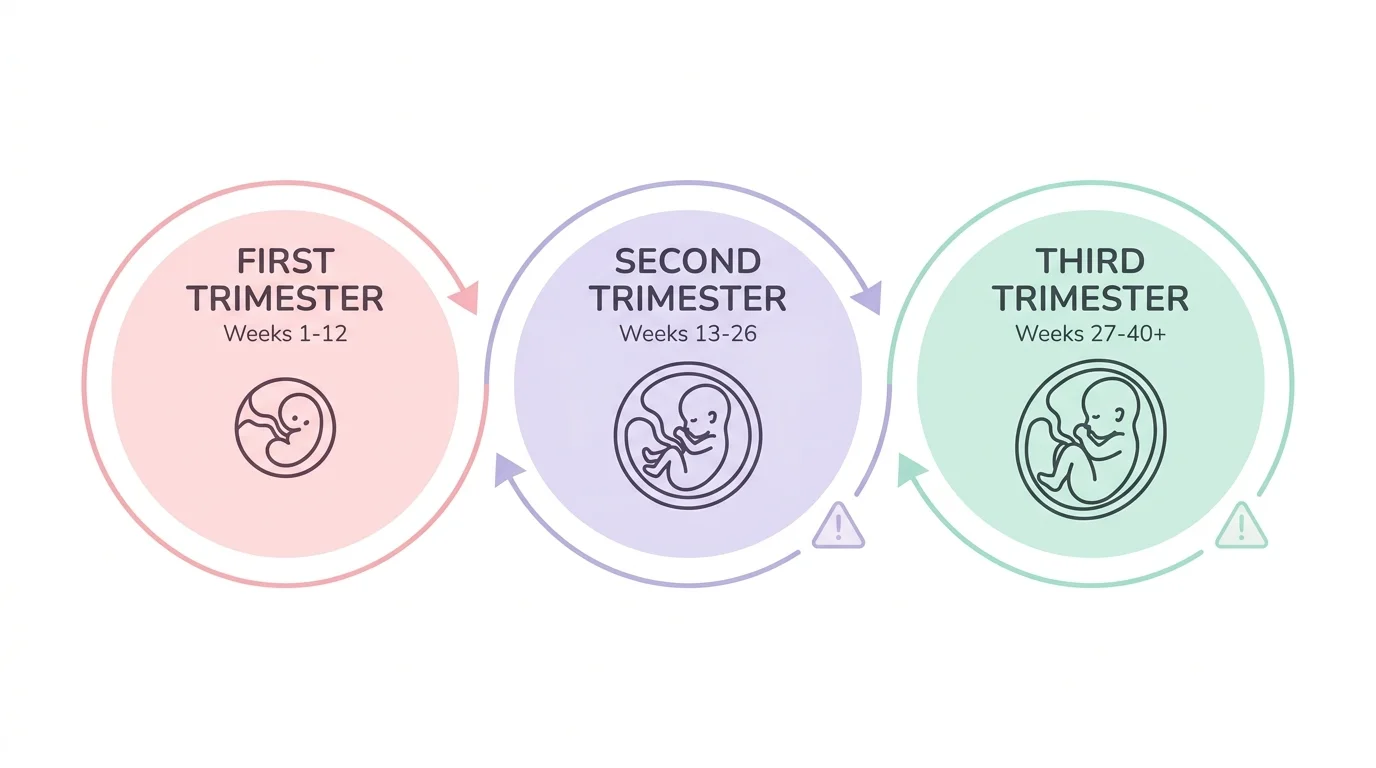
The first trimester covers weeks 1 through 12.
This is when your baby’s organs are forming.
Taking ibuprofen during the first trimester may increase certain risks.
Some studies suggest a possible link to miscarriage.
Other research points to potential heart defects in the baby.
However, the evidence is not completely clear cut.
The risks appear to be small but they do exist.
Most doctors recommend avoiding ibuprofen in the first trimester when possible.
If you accidentally took a dose before knowing you were pregnant, do not panic.
A single dose is unlikely to cause harm.
But talk to your doctor about it at your next appointment.
Ibuprofen in the Second Trimester
The second trimester spans weeks 13 through 26.
This is often called the golden period of pregnancy.
You might feel more energetic and comfortable.
But ibuprofen risks start increasing after week 20.
The FDA specifically warns against using NSAIDs after 20 weeks.
Why?
Because ibuprofen can affect your baby’s kidneys.
Your baby’s kidneys help produce amniotic fluid.
When kidney function decreases, amniotic fluid levels can drop.
Low amniotic fluid is called oligohydramnios.
This condition can cause serious complications for your baby.
Ibuprofen Third Trimester Risks
The third trimester runs from week 27 until delivery.
This is when ibuprofen poses the greatest danger.
The biggest concern is something called premature closure of the ductus arteriosus.
Let me explain this in simple terms.
The ductus arteriosus is a small blood vessel near your baby’s heart.
It is supposed to stay open while your baby is in the womb.
It allows blood to bypass the lungs since your baby does not breathe air yet.
This vessel naturally closes after birth when the baby starts breathing.
But NSAIDs like ibuprofen can cause it to close too early.
This puts dangerous pressure on your baby’s heart and lungs.
It can lead to heart failure or pulmonary hypertension in newborns.
These are very serious conditions.
This is exactly why the FDA pregnancy warning is so strong.
Never take ibuprofen after 20 weeks unless your doctor specifically prescribes it.
And even then, it would only be for a very short time with close monitoring.
⚠️ The 2020 FDA Warning You Need to Know
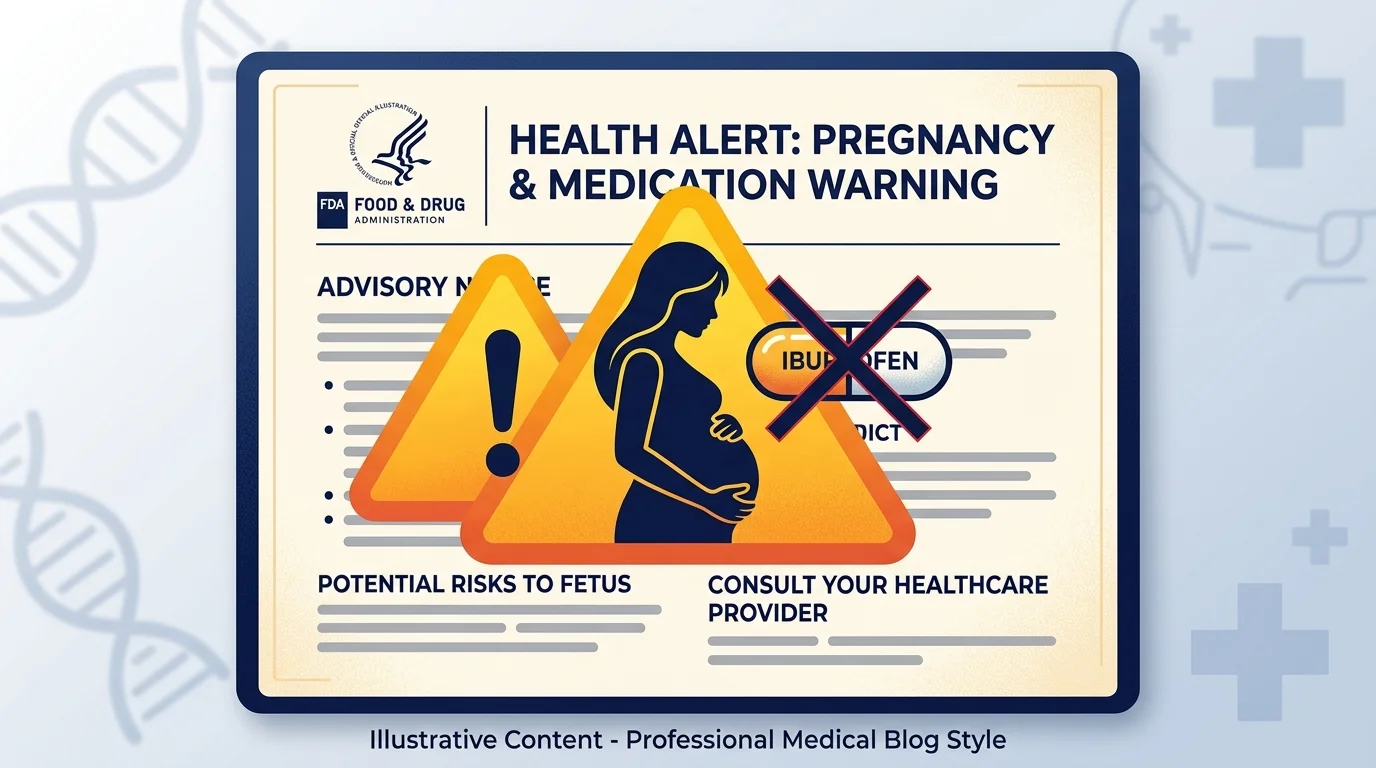
In October 2020, the FDA released an important drug safety communication.
They strengthened their warning about NSAIDs during pregnancy.
This includes ibuprofen, naproxen, and aspirin in high doses.
Here is what the FDA said:
Avoid NSAIDs at 20 weeks or later in pregnancy.
Using these drugs around this time can cause rare but serious kidney problems in the baby.
These kidney problems can lead to low amniotic fluid.
The FDA noted that this can happen after just a few days of NSAID use.
In some cases, low amniotic fluid occurred within 48 hours.
The good news is that this condition is usually reversible.
Once mom stops taking the NSAID, fluid levels often return to normal.
But why take that risk in the first place?
QuickDawa always encourages pregnant moms to err on the side of caution.
✅ Safe Alternatives for Pain Relief During Pregnancy
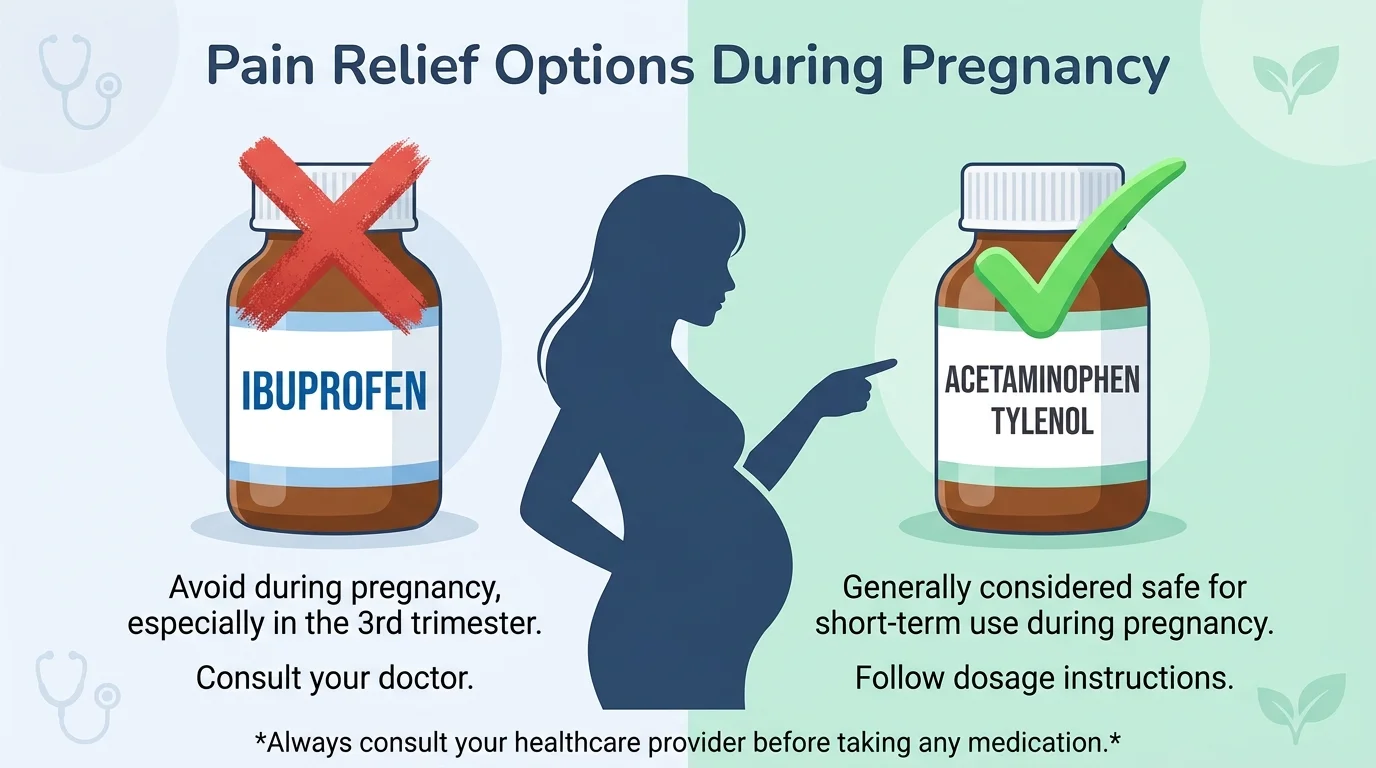
So what can you take when you are pregnant and in pain?
Great question.
Tylenol, also known as acetaminophen or paracetamol, is considered the safest option.
Here is why doctors prefer it:
- Acetaminophen is not an NSAID
- It does not affect prostaglandins the same way
- It does not carry the same risks for kidney problems or ductus arteriosus
- Decades of research support its safety during pregnancy
Of course, even Tylenol should be used carefully.
Always stick to the recommended dose.
Do not take it for extended periods without talking to your doctor.
Some recent studies suggest very heavy use might have effects.
But occasional use for pain or fever is generally considered safe.
Other Ways to Manage Pain Without Medicine
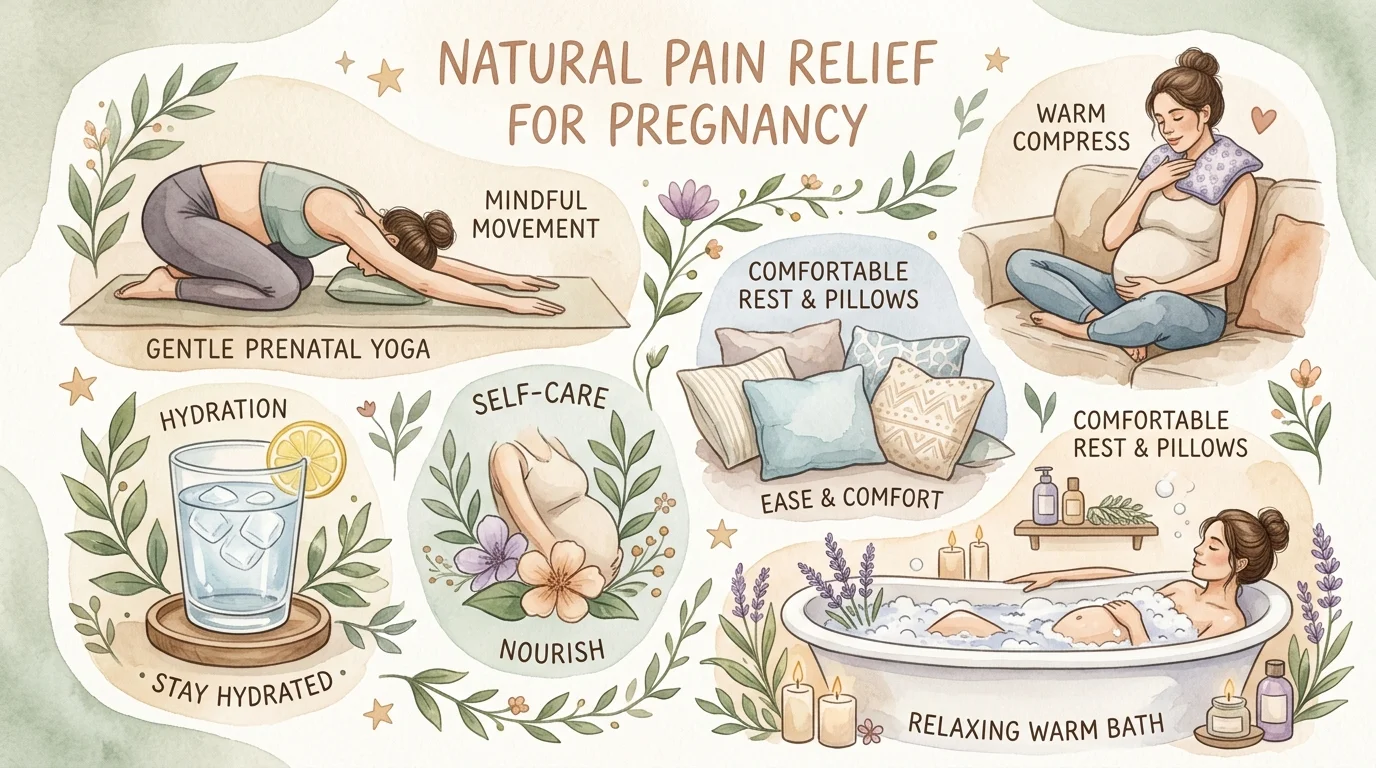
Sometimes you can skip the pills altogether.
Try these natural approaches first:
- Rest when your body tells you to rest
- Warm compresses for muscle aches and back pain
- Cold packs for headaches and swelling
- Gentle stretching and prenatal yoga
- Massage therapy from a prenatal certified therapist
- Warm baths but not too hot
- Proper posture and supportive pillows
- Staying hydrated which helps prevent headaches
If pain persists or gets severe, always contact your healthcare provider.
📞 When to Call Your Doctor
You should reach out to your doctor right away if:
- You took ibuprofen after 20 weeks of pregnancy
- You have been taking NSAIDs regularly during pregnancy
- You experience decreased fetal movement
- You notice reduced or excessive amniotic fluid on an ultrasound
- Your pain is severe and not controlled by Tylenol
- You develop a high fever that does not respond to acetaminophen
- You have any concerns about medications you have taken
Do not feel embarrassed about calling.
Your doctor would rather answer your questions than have you worry alone.
That is literally what they are there for.
QuickDawa reminds you that your healthcare team is your best resource.
🙋 Frequently Asked Questions
Q: Can you take ibuprofen in early pregnancy?
A: Most doctors recommend avoiding ibuprofen in early pregnancy due to possible miscarriage and heart defect risks. Tylenol is a safer choice for pain relief during the first trimester.
Q: How long does ibuprofen stay in your system during pregnancy?
A: Ibuprofen typically leaves your body within 24 hours. However, its effects on the baby can occur quickly, which is why avoiding it after 20 weeks is so important.
Q: Is ibuprofen safe for breastfeeding moms?
A: Yes, ibuprofen is generally considered safe while breastfeeding. Only small amounts pass into breast milk. Always confirm with your doctor first.
Q: Tylenol vs Ibuprofen during pregnancy: which is safer?
A: Tylenol is the safer choice during pregnancy. Unlike ibuprofen, it does not carry risks for kidney problems or premature closure of the ductus arteriosus.
Q: What happens if I accidentally took ibuprofen while pregnant?
A: A single accidental dose is unlikely to cause harm. Do not panic, but let your doctor know at your next visit. If you took multiple doses after 20 weeks, contact your doctor sooner.
🌐 Sources and External References
Here are trusted resources where you can learn more:
- FDA Drug Safety Communication: NSAIDs and Pregnancy
- MedlinePlus: Ibuprofen Information
- Drugs.com: Ibuprofen Pregnancy and Breastfeeding Warnings
- WebMD: Ibuprofen Oral Uses and Warnings
- Mayo Clinic: Ibuprofen Precautions
- American College of Obstetricians and Gynecologists: Medication During Pregnancy
🏁 Final Thoughts: Protecting Yourself and Your Baby
Let us wrap up what we have learned today.
Ibuprofen while pregnant is generally not recommended.
The risks are highest after 20 weeks of pregnancy.
The FDA warns that NSAIDs can cause low amniotic fluid and kidney problems in your baby.
In the third trimester, ibuprofen can cause the ductus arteriosus to close too early.
This puts your baby’s heart and lungs at risk.
Tylenol remains the safest over the counter pain reliever during pregnancy.
But even safer options should be used carefully and sparingly.
Always talk to your doctor before taking any medication while pregnant.
You are doing an amazing job growing a human being.
That takes strength, patience, and a whole lot of love.
At QuickDawa, we believe that understanding your medicine is just as important as taking it.
Knowledge is the first step toward better health.
If you found this guide helpful, share it with a pregnant friend who needs it.
Explore more medicine guides on QuickDawa.com for trusted, easy to understand health information.
Have questions about ibuprofen or pregnancy safe medications?
Drop them in the comments below or reach out through our contact page.
We love hearing from our readers.
⚠️ Medical Disclaimer
The information provided in this article is intended for educational and informational purposes only. It is not a substitute for professional medical advice, diagnosis, or treatment. Always seek the guidance of your qualified doctor, pharmacist, or healthcare provider with any questions you may have regarding a medical condition, medication, or treatment plan.
Never disregard professional medical advice or delay seeking it because of something you read on QuickDawa.com or any other website. If you think you may have a medical emergency, call your doctor, go to the nearest emergency room, or call emergency services immediately.
Drug information, dosages, and interactions described in this post are provided for general awareness only and may not apply to your individual health situation. Medications affect people differently based on age, weight, health conditions, and other factors.
QuickDawa.com and its authors do not assume any liability for any consequences arising from the use or misuse of information presented on this website.