High Blood Pressure vs Low Blood Pressure – What’s More Dangerous? (Truth Revealed)
Have you ever wondered whether high blood pressure vs low blood pressure is more dangerous for your body?
Most people worry only about high blood pressure.
But low blood pressure can be equally terrifying.
Both conditions silently affect millions of people every single day.
They damage your heart, brain, and kidneys without obvious warning signs.
The truth is, both extremes are risky in different ways.
Understanding the real difference between them could literally save your life.
So let’s break it all down in simple words.
By the end, you’ll know exactly what to watch for , and what to do about it.
🔹 What Is High Blood Pressure vs Low Blood Pressure? 🤔
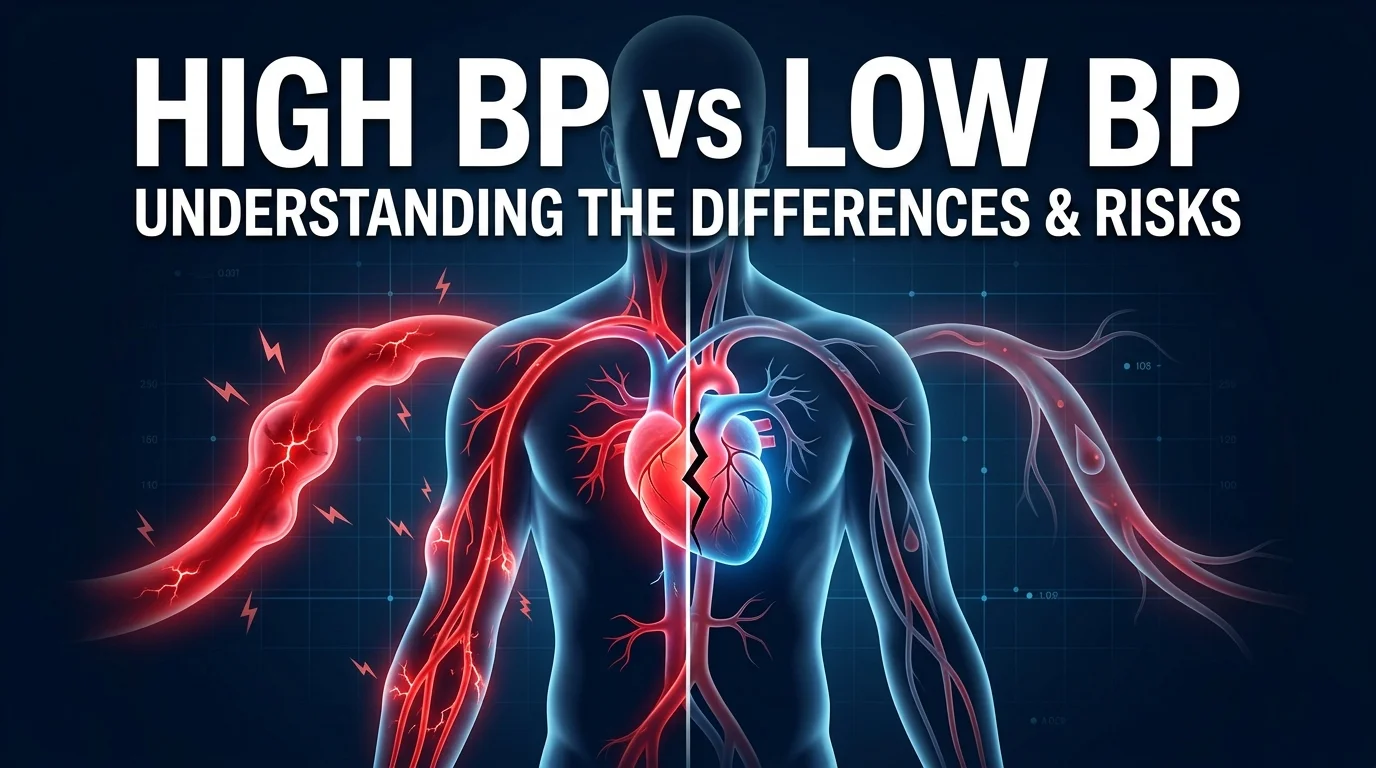
Let’s start with the basics. Blood pressure is the force of blood pushing against your artery walls. Think of it like water flowing through a garden hose.
High blood pressure means the water pushes too hard. The hose could burst over time. Doctors call this hypertension.
Low blood pressure means the water flows too weakly. Not enough reaches the flowers at the end. Doctors call this hypotension.
Your blood pressure is measured with two numbers. The top number is systolic — pressure when your heart beats. The bottom number is diastolic — pressure when your heart rests.
Here’s a simple breakdown:
| Category | Systolic (Top) | Diastolic (Bottom) |
|---|---|---|
| Normal | Less than 120 | Less than 80 |
| High (Hypertension) | 130 or higher | 80 or higher |
| Low (Hypotension) | Below 90 | Below 60 |
So in the battle of high blood pressure vs low blood pressure, both mean your body is out of balance. And balance is everything when it comes to your heart.
🔹 How Common Are Blood Pressure Problems? 📊
Blood pressure issues affect an enormous number of people worldwide. The numbers are truly shocking.
- 1.28 billion adults worldwide have high blood pressure. Nearly half don’t even know it. (Source: World Health Organization, 2023)
- Hypertension causes 10.8 million deaths every year globally. It’s the number one risk factor for heart disease and stroke.
- Low blood pressure is harder to track statistically. But studies suggest it affects roughly 5% of the general population significantly. (Source: American Heart Association)
- In people over 65, low blood pressure after standing — called orthostatic hypotension — affects up to 20% of older adults.
- Only about 1 in 4 adults with hypertension have their condition under control globally.
These facts make one thing clear. Blood pressure problems are incredibly common. And most people aren’t paying enough attention.
🔹 Top Causes of High Blood Pressure 📈
High blood pressure doesn’t happen overnight. It builds up slowly over months and years. Here are the most common causes.
1. Too Much Salt in Your Diet 🧂
Eating excess sodium makes your body hold extra water. This extra fluid increases pressure in your blood vessels. Most processed and fast foods contain hidden salt.
Example: A single fast food burger can contain over 1,000 mg of sodium — nearly half your daily limit.
2. Being Overweight or Obese ⚖️
Extra body weight forces your heart to work harder. More blood flow is needed to supply oxygen to tissues. This increases pressure on your artery walls.
3. Lack of Physical Activity 🛋️
A sedentary lifestyle weakens your heart over time. Inactive people tend to have higher heart rates. Higher heart rates mean your heart works harder with every beat.
Example: Someone sitting at a desk for 10 hours daily has a much higher hypertension risk than someone who walks 30 minutes daily.
4. Chronic Stress 😰
Stress hormones temporarily spike your blood pressure. When stress becomes constant, those spikes become permanent. Your body stays in “fight or flight” mode too long.
5. Smoking and Tobacco Use 🚬
Every cigarette you smoke raises blood pressure temporarily. Chemicals in tobacco also damage your artery walls. This makes arteries narrow and stiff over time.
6. Genetics and Family History 🧬
If your parents had hypertension, your risk increases significantly. High blood pressure often runs in families. You can’t change your genes, but you can manage your lifestyle.
7. Too Much Alcohol 🍺
Drinking more than moderate amounts raises blood pressure. Heavy drinking can also damage your heart muscle. Limit alcohol to protect your cardiovascular system.
8. Aging 🎂
Blood vessels naturally lose flexibility as you age. Stiff arteries lead to higher blood pressure readings. That’s why regular monitoring becomes essential after age 40.
🔹 Top Causes of Low Blood Pressure 📉
Low blood pressure has its own set of triggers. Some are harmless. Others can be quite dangerous.
1. Dehydration 💧
When your body loses more water than it takes in, blood volume drops. Less blood means less pressure in your vessels. Even mild dehydration can cause noticeable drops.
Example: Skipping water during a hot summer day can make you feel dizzy and lightheaded — classic signs of low blood pressure.
2. Heart Problems 🫀
Certain heart conditions reduce the amount of blood your heart pumps. Heart valve problems and heart failure can both cause hypotension. A weak heart simply can’t generate enough pressure.
3. Blood Loss 🩸
Losing a large amount of blood reduces blood volume dramatically. This causes a sudden and dangerous drop in blood pressure. Severe injuries or internal bleeding are common causes.
4. Medications 💊
Some medications lower blood pressure as a side effect. Diuretics, beta-blockers, and antidepressants are common culprits. Always check side effects with your doctor or pharmacist.
5. Nutritional Deficiencies 🥬
Lack of vitamin B12, folate, and iron can cause anemia. Anemia means your body doesn’t make enough red blood cells. Fewer red blood cells lead to lower blood pressure.
6. Endocrine Problems ⚗️
Thyroid disorders, adrenal insufficiency, and low blood sugar can all cause hypotension. These conditions affect hormone production. Hormones play a big role in regulating blood pressure.
7. Prolonged Bed Rest 🛏️
Lying down for extended periods weakens your cardiovascular system. When you finally stand up, blood pressure can drop suddenly. This is common after hospital stays or surgeries.
Example: An elderly person after hip surgery may faint when standing for the first time due to sudden blood pressure drops.
8. Severe Infections (Sepsis) 🦠
When infection enters the bloodstream, it can cause a life-threatening drop in blood pressure. This condition is called septic shock. It requires immediate emergency treatment.
🔹 High Blood Pressure vs Low Blood Pressure: Warning Signs & Symptoms ⚠️
Knowing the symptoms helps you act quickly. Here are the signs for both conditions.
High Blood Pressure Symptoms:
⚡ Severe headaches, especially at the back of the head.
⚡ Shortness of breath during simple activities.
⚡ Nosebleeds that happen without any obvious reason.
⚡ Dizziness or feeling unsteady on your feet.
⚡ Chest pain or tightness that comes and goes.
⚡ Blurred vision or seeing spots.
⚡ Blood in urine (a sign of kidney damage).
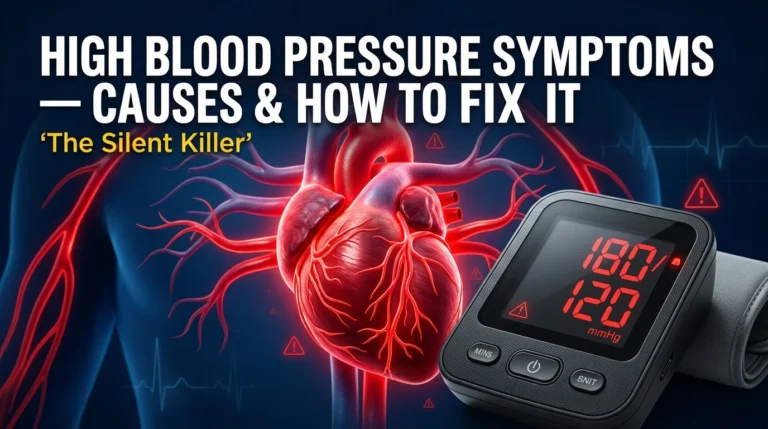
⚠️ Important: High blood pressure is often called the “silent killer” because many people have ZERO symptoms until a serious event like a heart attack or stroke occurs.
Low Blood Pressure Symptoms:
💫 Dizziness or lightheadedness, especially when standing up.
💫 Fainting (syncope) or feeling like you’re about to pass out.
💫 Blurred or fading vision.
💫 Nausea or an upset stomach.
💫 Extreme fatigue and lack of energy.
💫 Cold, clammy, or pale skin.
💫 Rapid, shallow breathing.
💫 Difficulty concentrating or feeling confused.
🩺 See a doctor immediately if you notice any of these signs. Whether it’s high blood pressure vs low blood pressure, both deserve medical attention when symptoms appear.
🔹 So, What’s Actually More Dangerous? ⚖️ The Real Answer
This is the question everyone wants answered. When comparing high blood pressure vs low blood pressure, which one should scare you more?
The honest answer: High blood pressure is generally considered more dangerous long-term.
Here’s why:
- Hypertension is the leading cause of heart attacks, strokes, and kidney failure worldwide.
- It damages organs silently over many years.
- It affects over 1 billion people globally.
- It’s responsible for more deaths than almost any other preventable condition.
But low blood pressure can be more dangerous in the short term.
- A sudden severe drop can cause fainting, falls, and head injuries.
- Septic shock from extreme hypotension can be fatal within hours.
- In elderly people, low blood pressure causes dangerous falls and broken bones.
- It can indicate serious underlying conditions like heart failure.
The bottom line? Both are dangerous in different ways. High blood pressure kills slowly over time. Low blood pressure can create immediate emergencies. Neither should be ignored.
🔹 How to Prevent Blood Pressure Problems 🛡️
Whether you’re worried about high or low blood pressure, prevention is your best weapon. Here are proven tips that work for both.
1. Eat a Balanced, Heart-Healthy Diet 🥗
Choose fruits, vegetables, whole grains, and lean proteins. Reduce sodium, processed foods, and added sugars. The DASH diet is specifically designed to lower blood pressure naturally.
2. Stay Hydrated Throughout the Day 💧
Dehydration is a major cause of low blood pressure. Drink at least 8 glasses of water daily. Increase your intake during exercise or hot weather.
3. Exercise Regularly (But Wisely) 🏃
Aim for 150 minutes of moderate exercise per week. Walking, cycling, and swimming are all excellent choices. Regular activity strengthens your heart and balances blood pressure.
4. Manage Stress Effectively 🧘
Chronic stress raises blood pressure over time. Practice meditation, deep breathing, or yoga regularly. Even 10 minutes of daily mindfulness makes a measurable difference.
5. Limit Salt and Increase Potassium 🍌
Keep sodium intake below 2,300 mg per day. Eat potassium-rich foods like bananas, spinach, and sweet potatoes. Potassium helps counterbalance sodium’s effects on blood pressure.
6. Quit Smoking Completely 🚭
Smoking raises blood pressure and damages blood vessels. Quitting is the single best thing you can do for your heart. Your blood pressure starts improving within just 20 minutes of your last cigarette.
7. Monitor Your Blood Pressure at Home 📟
Buy an affordable home blood pressure monitor. Check your readings at least twice a week. Keep a log and share it with your doctor at every visit.
8. Get Quality Sleep Every Night 😴
Poor sleep raises blood pressure and weakens your cardiovascular system. Aim for 7 to 8 hours of restful sleep nightly. Create a consistent sleep routine for the best results.
9. Limit Alcohol Consumption 🍷
Moderate means one drink per day for women. And two drinks per day for men at most. Excessive alcohol raises blood pressure and weakens your heart muscle.
🔹 When to See a Doctor 🩺
Blood pressure problems often need professional guidance. Don’t wait for a crisis to get help.
See a doctor if:
- ☑️ Your blood pressure consistently reads above 130/80 mmHg.
- ☑️ Your blood pressure frequently drops below 90/60 mmHg.
- ☑️ You experience dizziness, fainting, or chest pain.
- ☑️ You have a family history of heart disease or stroke.
- ☑️ You feel unusually fatigued or short of breath regularly.
- ☑️ Your current medications make you feel dizzy or weak.
Remember, checking your blood pressure is quick and painless. There’s nothing to fear. Early detection gives you the best chance of staying healthy and strong. Your doctor is your partner in this journey.
🔹 Frequently Asked Questions (FAQ) ❓
Q1: Is high blood pressure or low blood pressure more common?
High blood pressure is far more common worldwide. It affects approximately 1.28 billion adults globally. Low blood pressure is less prevalent but still affects millions. Both conditions require monitoring and care.
Q2: Can you have both high and low blood pressure?
Yes, some people experience both at different times. Blood pressure can fluctuate based on activity, stress, and medications. This makes regular monitoring especially important. Talk to your doctor if your readings swing widely.
Q3: What is a dangerously low blood pressure reading?
A reading below 90/60 mmHg is generally considered low. If it drops below 70/40 mmHg with symptoms, it becomes an emergency. In the debate of high blood pressure vs low blood pressure, severely low readings require immediate medical attention.
Q4: Can stress cause both high and low blood pressure?
Stress primarily causes high blood pressure through elevated cortisol and adrenaline. However, extreme emotional stress can sometimes cause a sudden drop — this is called vasovagal syncope. Managing stress is crucial for healthy blood pressure in either direction.
Q5: What foods help balance blood pressure naturally?
For high blood pressure, eat more leafy greens, berries, and low-sodium foods. For low blood pressure, increase salt slightly, drink more water, and eat smaller frequent meals. Understanding high blood pressure vs low blood pressure dietary needs helps you make smarter food choices every day.
🔹 Conclusion 🌟
Both high and low blood pressure are serious health conditions. High blood pressure silently damages your organs over years. Low blood pressure can create sudden, dangerous emergencies. Neither one should ever be ignored.
The great news? Both are largely preventable and manageable. Eat well, stay active, manage stress, and monitor your numbers regularly. Small daily habits create massive long-term protection for your heart.
Knowledge is your greatest weapon against these conditions. Now that you understand the risks, take action today — not tomorrow.
Share this post with your family and friends — it could save someone’s life! 💛
Stay informed, stay proactive, and always keep an eye on your high blood pressure vs low blood pressure numbers.
⚕️ MEDICAL DISCLAIMER
Disclaimer: This blog post is for informational and educational purposes only. It is not a substitute for professional medical advice, diagnosis, or treatment. Always seek the advice of your physician or a qualified healthcare provider with any questions you may have regarding blood pressure or any medical condition. Never disregard professional medical advice or delay seeking it because of something you have read on this blog. If you experience symptoms of extremely high or low blood pressure, seek emergency medical care immediately. The author and publisher of this content assume no responsibility for any consequences arising from the use of the information provided.