Kidney Stones in Summer – 7 Warning Signs People in India & Pakistan Ignore | QuickDawa
Imagine this.
It’s mid-June in Karachi or Delhi.
The sun is blazing at 42 degrees Celsius.
You’re sweating buckets, running errands, barely drinking enough water.
Then suddenly, one evening, you feel a sharp pain in your lower back.
It’s unbearable.
You rush to the doctor, and they tell you something you never expected.
Kidney stones.
You might wonder, “How did this happen? I’m not even old!”
Here’s the truth.
Summer is peak season for kidney stones in South Asia.
The combination of extreme heat, dehydration, and poor water intake creates the perfect storm inside your kidneys.
And most people ignore the early warning signs until the pain becomes unbearable.
If you live in India or Pakistan, understanding why kidney stones increase in summer could save you from excruciating pain and expensive treatments.
At QuickDawa, we’re all about making medicine easy to understand, so let’s break down everything you need to know about kidney stones in summer in simple, clear language.
💊 WHAT ARE KIDNEY STONES?
Kidney stones are hard deposits made of minerals and salts that form inside your kidneys.
They happen when your urine becomes concentrated, allowing minerals to crystallize and stick together.
In summer, when you sweat more and drink less water, your urine gets more concentrated.
This makes stone formation much easier.
🌞 WHY DO KIDNEY STONES INCREASE IN SUMMER?
Let’s talk about the real culprit: heat and dehydration.
During summer months in India and Pakistan, temperatures can easily cross 40°C.
Your body loses water rapidly through sweat.
Most people don’t compensate by drinking enough fluids.
Here’s what happens inside your body:
Less water intake = More concentrated urine
When urine is concentrated, calcium, oxalate, and uric acid stick together.
Over time, these tiny crystals grow into stones.
Other reasons kidney stones spike in summer:
- People drink sugary sodas instead of water
- Increased outdoor activity leads to more sweating
- Fasting during Ramadan (which often falls in summer) without proper hydration
- High salt intake from street food and processed snacks
- Lack of awareness about hydration needs
Studies have shown that kidney stone cases in hospitals across Lahore, Islamabad, Mumbai, and Chennai increase by nearly 30% during May to August.
🚨 7 WARNING SIGNS PEOPLE IN INDIA & PAKISTAN IGNORE
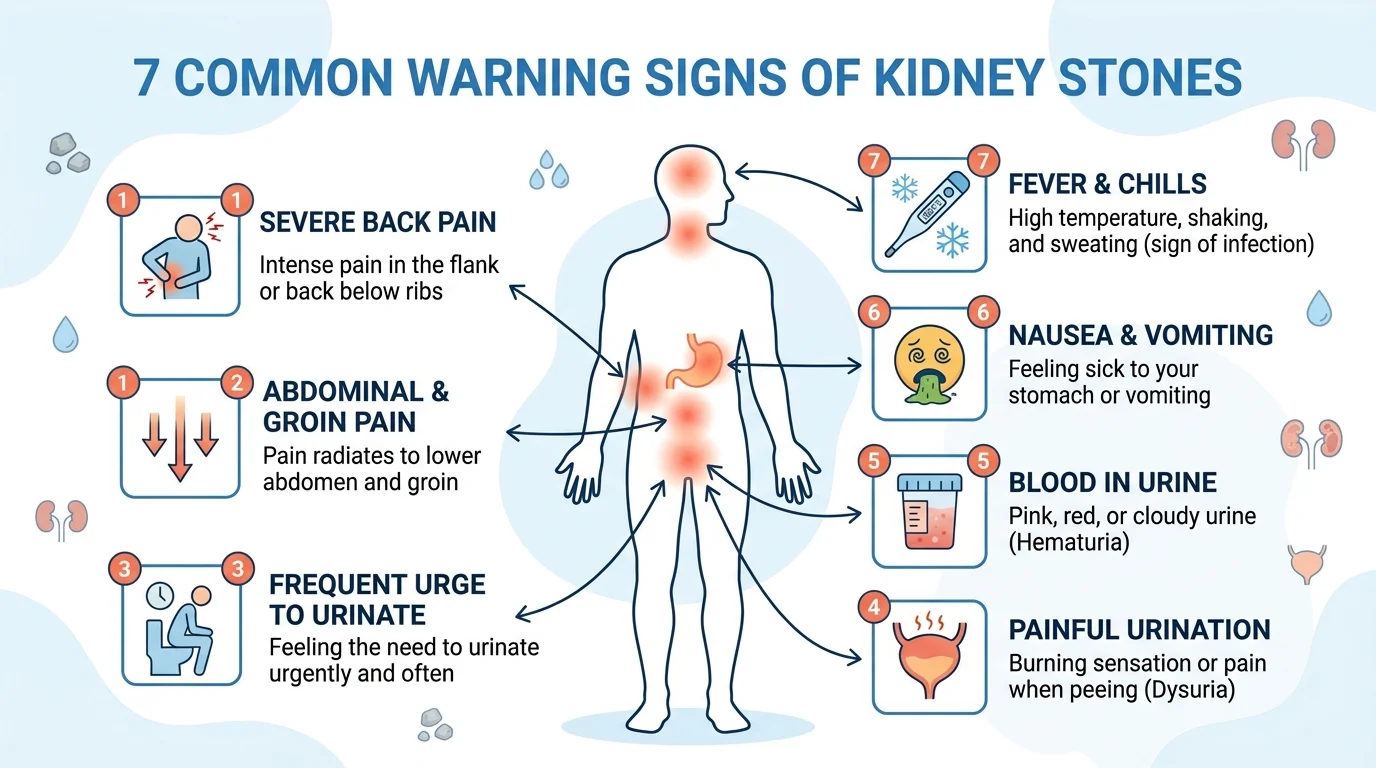
Most people don’t realize they have kidney stones until the pain hits.
But your body gives you subtle signals much earlier.
Here are 7 warning signs that are often ignored:
1. Frequent Urge to Urinate Without Much Output
You feel like you need to pee every 15 minutes.
But when you go, only a little comes out.
This happens because a stone is irritating your bladder or blocking the urinary tract.
2. Burning Sensation While Peeing
Many people confuse this with a urinary tract infection (UTI).
While UTIs do cause burning, so do kidney stones.
If the burning doesn’t go away even after drinking more water, get checked.
3. Cloudy or Foul-Smelling Urine
Healthy urine is clear and pale yellow.
If your urine looks cloudy, dark, or smells bad, it could mean infection or stones.
Don’t ignore this sign, especially in summer.
4. Lower Back Pain That Comes and Goes
This is called renal colic.
It’s a dull ache or sharp pain on one side of your lower back.
It might come in waves and can move toward your abdomen or groin.
People often mistake it for muscle pain or gas.
5. Nausea or Vomiting Without Any Stomach Issue
Kidney stones can trigger nausea and vomiting.
This happens because of nerve connections between the kidneys and digestive system.
If you feel queasy along with back pain, think kidneys, not stomach.
6. Blood in Urine (Even a Little Bit)
This is called hematuria.
Your urine might look pink, red, or brown.
Sometimes the blood is microscopic and only detected in tests.
Never ignore blood in urine, even if it’s just once.
7. Fever and Chills Along with Pain
If you have fever along with any of the above symptoms, it’s serious.
It could mean the stone is causing an infection.
This needs immediate medical attention.
At QuickDawa, we always say: listen to your body, especially during summer when kidney stones are most common.
🛡️ HOW TO PREVENT KIDNEY STONES IN SUMMER
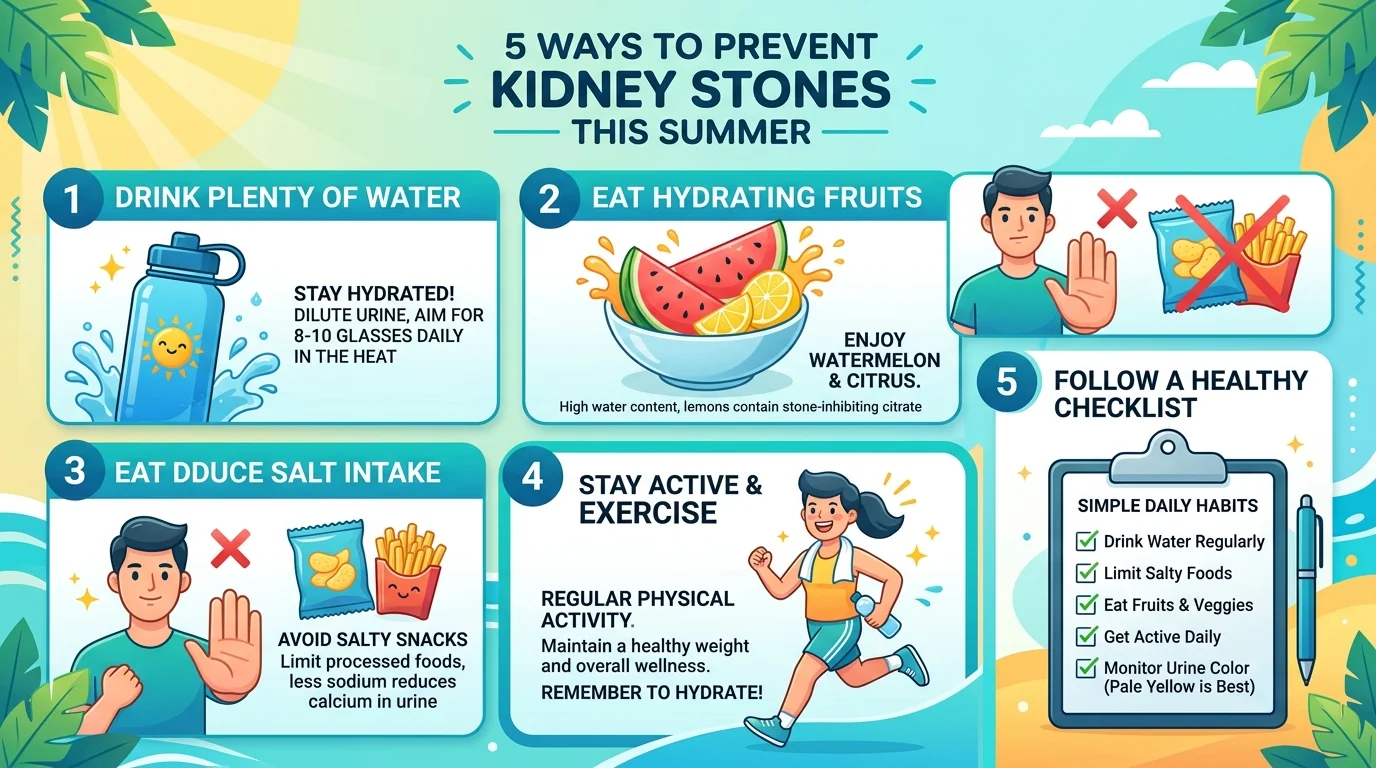
Prevention is way easier than treatment.
Here’s what you can do to protect your kidneys during hot months:
Drink at least 3 to 4 liters of water daily
Aim for pale yellow urine.
If it’s dark, you’re not drinking enough.
Avoid sugary drinks and excessive tea
Colas, packaged juices, and too much chai can increase stone risk.
Stick to water, coconut water, or lemon water.
Reduce salt intake
High sodium increases calcium in urine.
Avoid chips, namkeen, pickles, and processed foods.
Eat more fruits and vegetables
Especially those high in water content like cucumber, watermelon, and oranges.
Limit high-oxalate foods if you’re prone to stones
Spinach, almonds, chocolate, and beetroot are high in oxalates.
Moderation is key.
Don’t hold your urine
Go to the bathroom when you feel the urge.
Holding it in increases stone formation risk.
Stay active but hydrate well
Exercise is good, but if you sweat a lot, drink extra water.
🩺 WHEN TO CALL A DOCTOR
Don’t wait until the pain is unbearable.
See a doctor immediately if you notice:
- Severe pain in your back, side, or lower abdomen
- Blood in your urine
- Difficulty passing urine
- Fever along with urinary symptoms
- Nausea and vomiting that won’t stop
- Burning sensation that lasts more than 2 days
Early diagnosis can prevent complications like infections or kidney damage.
Doctors usually recommend an ultrasound or CT scan to detect stones.
Treatment depends on the size and location of the stone.
Small stones may pass on their own with lots of water.
Larger ones may need medications or procedures like lithotripsy (breaking stones with sound waves).
🙋 FREQUENTLY ASKED QUESTIONS — FAQ
Q: Can drinking more water really prevent kidney stones?
A: Yes, absolutely. Drinking 3 to 4 liters of water daily dilutes your urine and prevents minerals from crystallizing into stones. Source: Mayo Clinic
Q: How long does it take for a kidney stone to pass?
A: Small stones (less than 4mm) usually pass within 1 to 2 weeks with plenty of water. Larger stones may take longer or need medical intervention. Source: WebMD
Q: Is lemon water safe for kidney stone prevention?
A: Yes, lemon water can help. Citric acid in lemons may prevent calcium stones from forming. Drink fresh lemon water daily during summer. Source: National Kidney Foundation
Q: Kidney stones vs urinary tract infection—how to tell the difference?
A: UTIs cause frequent urination, burning, and sometimes fever. Kidney stones cause severe back or side pain, blood in urine, and nausea. Both can overlap, so see a doctor for diagnosis. Source: Healthline
Q: Are kidney stones more common in men or women in Pakistan and India?
A: Men are slightly more prone, but women also get them, especially during pregnancy or menopause. Dehydration affects both equally in summer. Source: MedlinePlus
🏁 SUMMARY + CTA
Kidney stones in summer are not just bad luck.
They’re preventable.
The key is staying hydrated, eating right, and listening to your body’s warning signs.
If you’re living in India or Pakistan where temperatures soar during summer, make water your best friend.
Don’t ignore symptoms like back pain, burning urine, or blood in pee.
Catching stones early can save you from painful procedures and hospital visits.
At QuickDawa, we believe that understanding your health is just as important as taking medicine. Knowledge is the first step toward better health. If you found this guide helpful, share it with someone who needs it and explore more health guides on QuickDawa.com for trusted, easy-to-understand health information.
Got questions about kidney stones or summer health? Drop a comment below or visit our contact page and we’ll get back to you.
Your kidneys work hard for you every single day.
Let’s take care of them, especially when the heat is on.
⚠️ MEDICAL DISCLAIMER
The information provided in this article is intended for educational and informational purposes only. It is not a substitute for professional medical advice, diagnosis, or treatment. Always seek the guidance of your qualified doctor, pharmacist, or healthcare provider with any questions you may have regarding a medical condition, medication, or treatment plan.
Never disregard professional medical advice or delay seeking it because of something you read on QuickDawa or any other website. If you think you may have a medical emergency, call your doctor, go to the nearest emergency room, or call emergency services immediately.
Drug information, dosages, and interactions described in this post are provided for general awareness only and may not apply to your individual health situation. Medications affect people differently based on age, weight, health conditions, and other factors.
QuickDawa and its authors do not assume any liability for any consequences arising from the use or misuse of information presented on this website.
🌐 SOURCES & EXTERNAL REFERENCES
- Mayo Clinic — Kidney Stones Overview
- National Kidney Foundation — Kidney Stone Prevention
- MedlinePlus — Kidney Stones
- WebMD — Understanding Kidney Stones
- Healthline — Kidney Stones: Causes, Symptoms, and Treatment
- Cleveland Clinic — How to Prevent Kidney Stones