15 Stunning Backyard Fire Pit Paver Designs for Cozy Evenings
Imagine stepping into your backyard on a cool evening, where the glow of dancing flames reflects off beautifully arranged pavers, creating a magical gathering spot your family and friends never want to leave.
A well-designed fire pit area doesn’t just add warmth it transforms your entire outdoor living experience into something truly special.
I’ve noticed that homeowners often overlook the importance of proper paver selection and layout when planning their fire pit areas, which can make or break the final look.
The right combination of materials, patterns, and seating arrangements creates a focal point that elevates your landscape from ordinary to extraordinary.
15 Backyard Fire Pit Paver Ideas
Whether you’re working with a small patio corner or a spacious backyard, these inspiring ideas will help you create a functional and beautiful fire pit space. From circular stone designs to modern geometric patterns, you’ll discover how thoughtful paver choices can turn your outdoor area into the ultimate relaxation destination.
Circular Stone Fire Pit
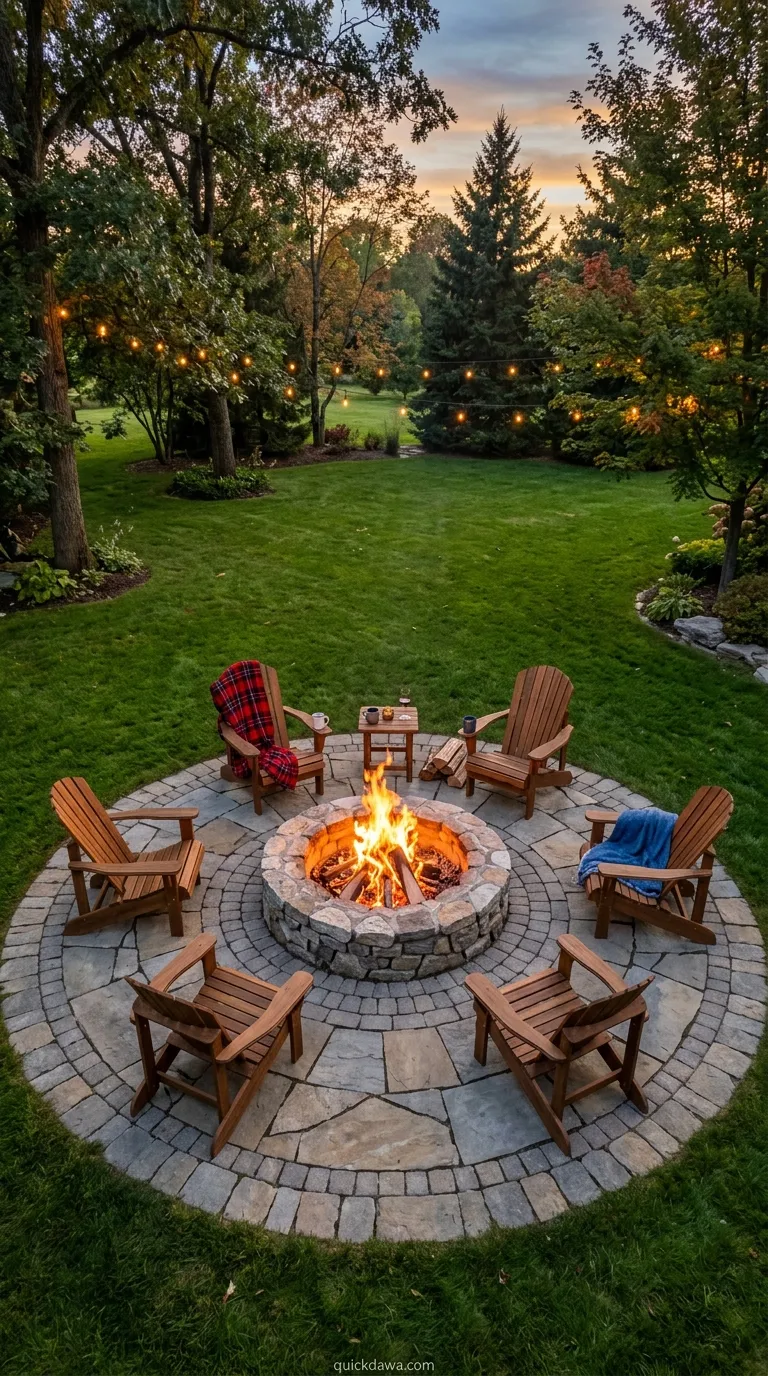
This classic design centers a round fire pit within concentric rings of natural stone pavers, creating an inviting gathering space that naturally draws people together in perfect symmetry.
From what I’ve seen, circular layouts work exceptionally well for conversation flow because everyone sits at equal distance from the fire’s warmth. The radiating paver pattern adds visual interest while defining the space clearly, making even modest yards feel intentionally designed. Natural stone in varying shades of gray and tan complements almost any landscape style, from traditional to contemporary.
The graduated ring design also provides built-in zoning inner rings handle the heat exposure while outer circles transition smoothly into your lawn or garden beds without harsh edges.
Modern Geometric Paver Layout
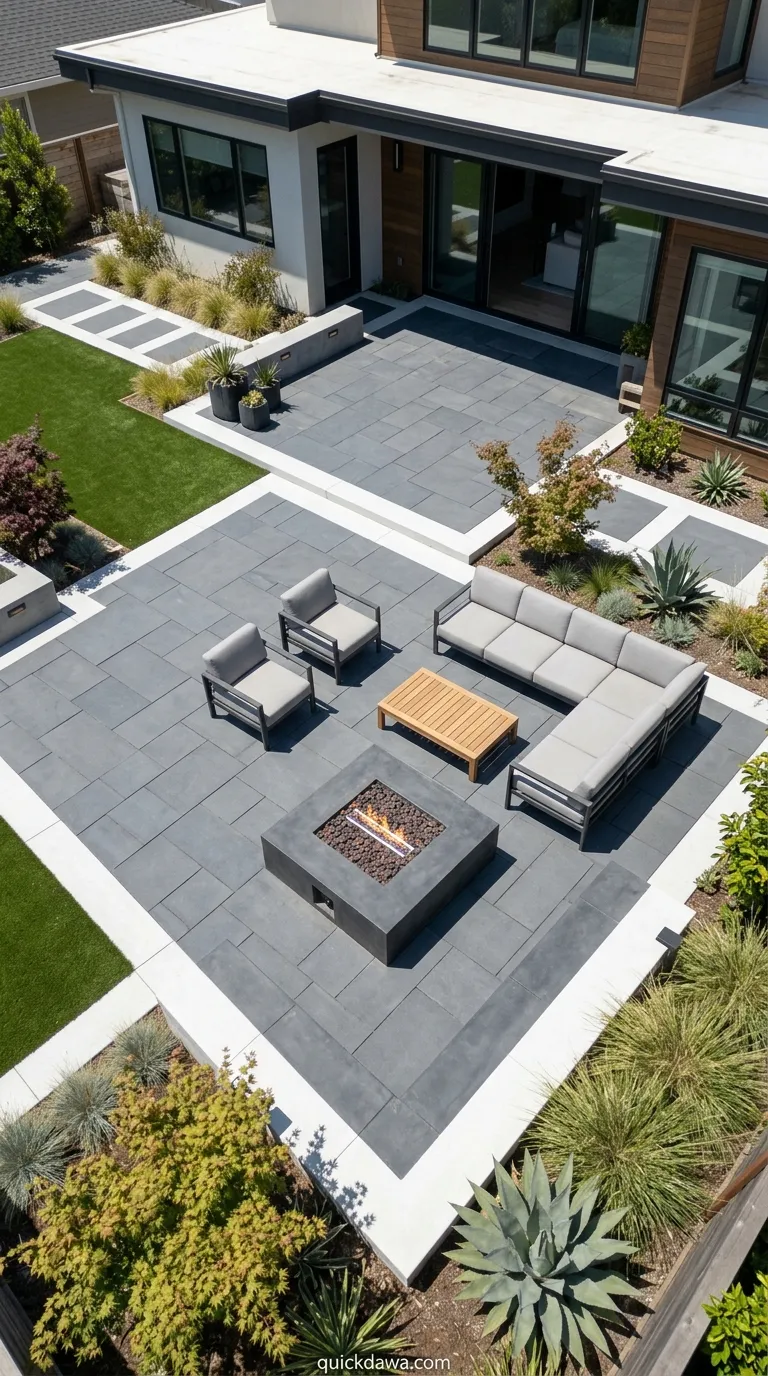
Sharp lines and contemporary rectangular pavers in contrasting tones create a modern backyard fire pit setup that feels clean, sophisticated, and perfectly aligned with minimalist outdoor aesthetics.
Large-format pavers in charcoal or slate gray paired with lighter accent borders establish strong visual boundaries while maintaining an open, spacious feeling. This approach works brilliantly for those seeking a polished look that complements modern architecture and streamlined outdoor furniture.
I’ve found that geometric patterns require less maintenance than intricate designs because the larger pavers mean fewer joints where weeds can emerge. The contemporary style also increases property appeal, making it an investment that enhances both enjoyment and home value.
Rustic Flagstone Fire Circle
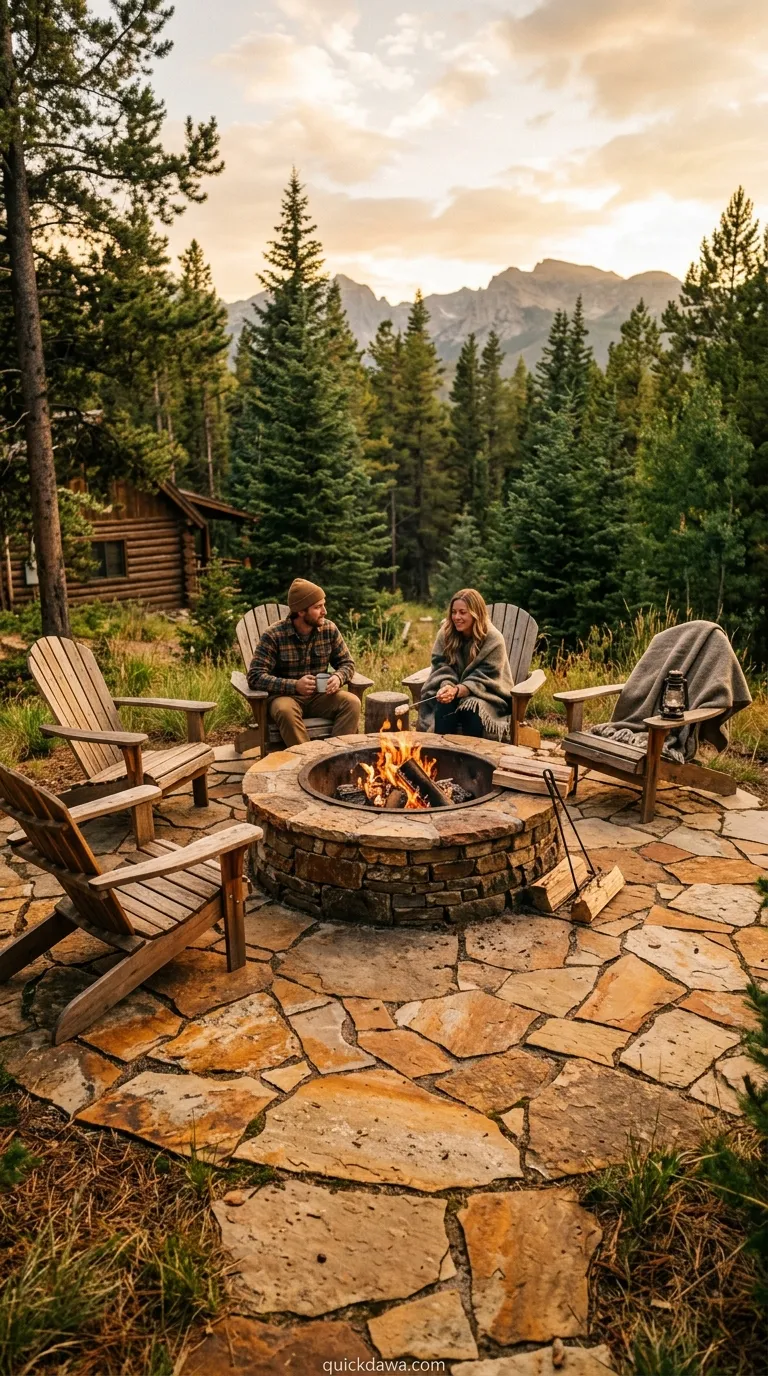
Irregular flagstone pieces fitted together like a natural puzzle surround a central bonfire design, delivering organic charm that makes your outdoor space feel like a mountain retreat right at home.
The beauty of flagstone lies in its unique variations no two pieces share identical shapes, colors, or textures, which creates an authentically handcrafted appearance. Warm earth tones ranging from amber to rust blend seamlessly with natural landscapes and wooden furniture, establishing cozy atmosphere instantly.
In my experience, flagstone’s natural texture provides excellent slip resistance even when damp, making it both beautiful and practical for families. The irregular pattern also forgives minor ground settling better than rigid geometric layouts.
Brick Paver Fire Pit Area
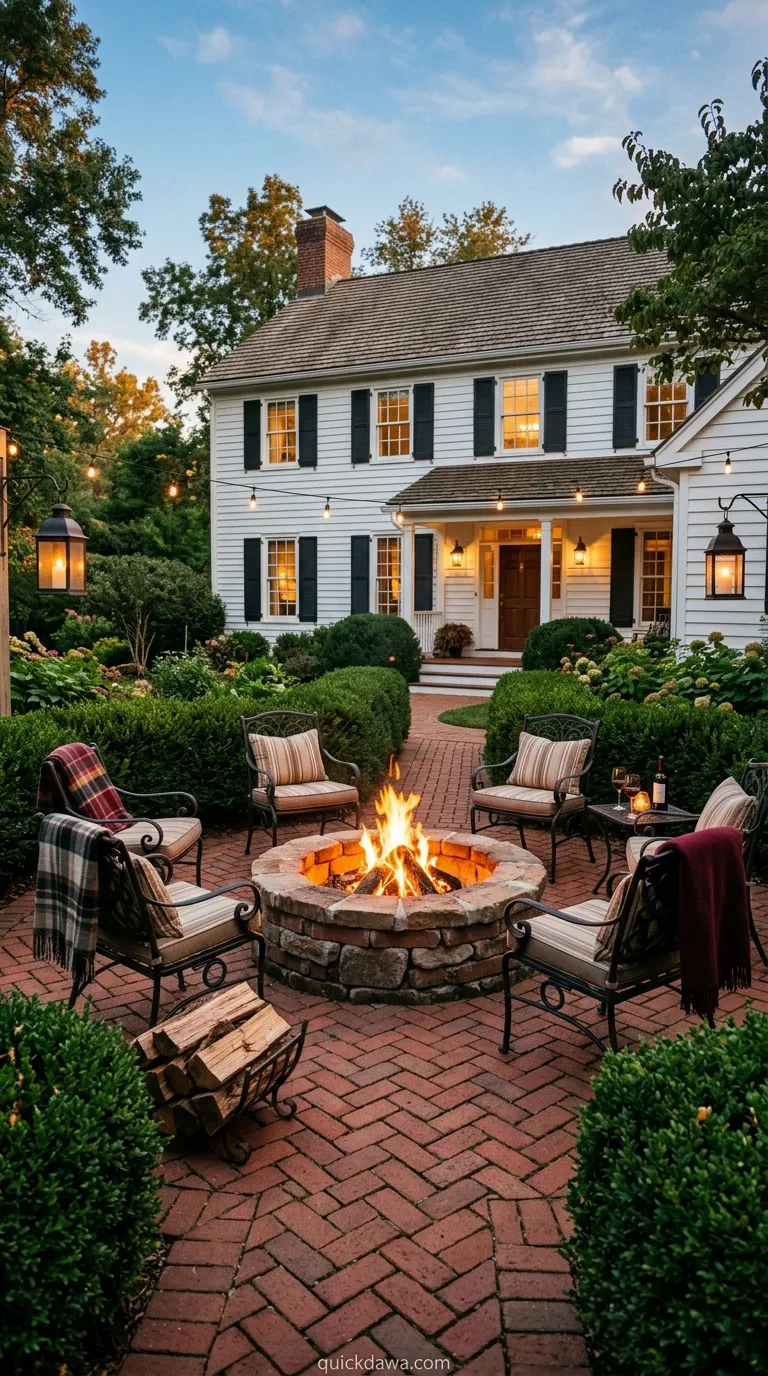
Traditional red or tumbled brick pavers arranged in classic patterns like herringbone or basket weave create timeless appeal around your fire feature, evoking the warmth of historic courtyards and European gardens.
Brick offers remarkable durability and heat resistance, standing up beautifully to repeated exposure from fire pit use while developing richer character over time. The smaller unit size allows for graceful curves and custom shapes that adapt perfectly to irregular yard dimensions.
I’ve observed that brick pavers pair exceptionally well with colonial, craftsman, and cottage-style homes, creating visual harmony between house and landscape. The color variation within brick lots adds depth without requiring multiple material types.
Paved Fire Pit with Built-In Seating
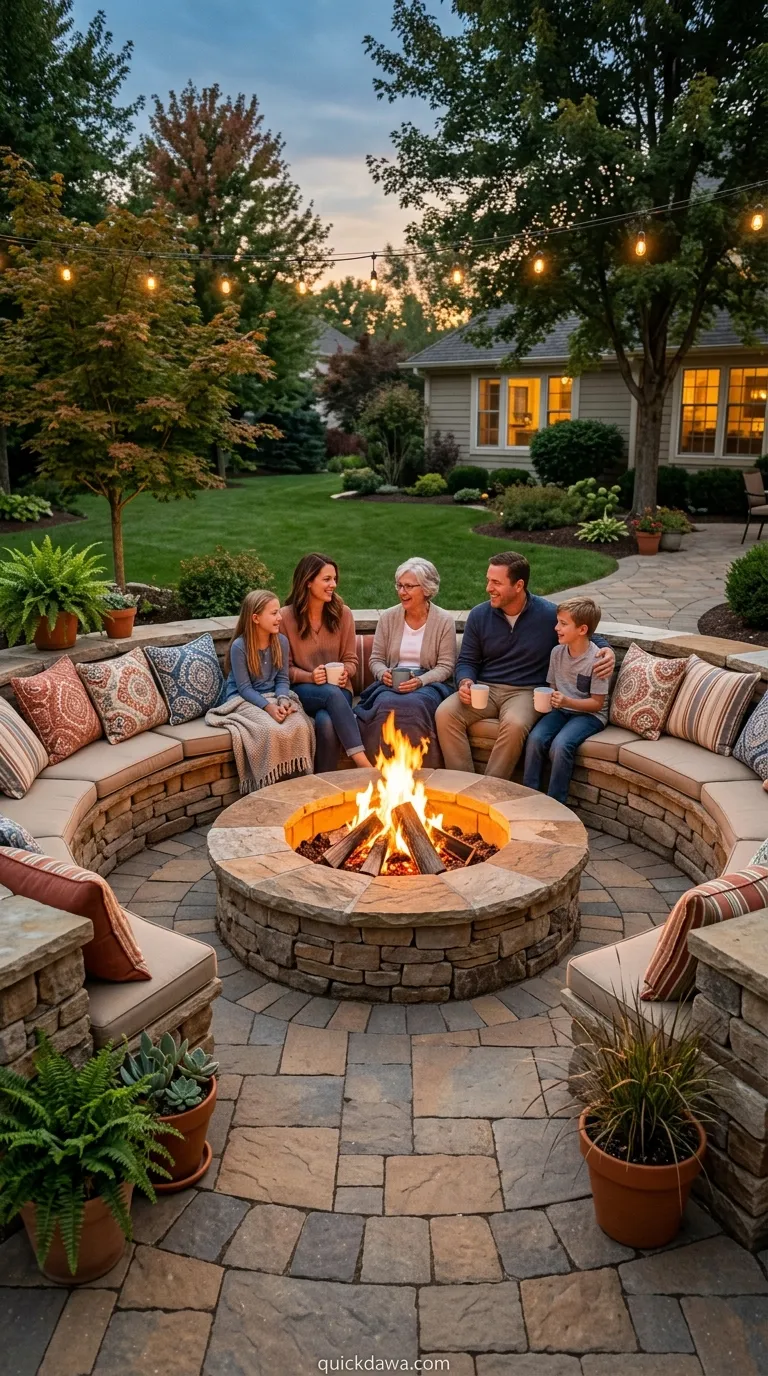
Incorporating stone seating outdoor elements directly into your paver design eliminates the need for portable furniture while creating permanent gathering spots that anchor your outdoor living space beautifully.
Low retaining walls built with coordinating pavers or natural stone provide comfortable perches when topped with outdoor cushions, and they double as serving surfaces during gatherings. This integrated approach maximizes smaller yards where separate furniture might feel crowded.
I’ve seen this configuration work wonderfully for families because the seating remains stable and safe for children, plus it never needs storing during winter months. The permanent structure also increases perceived property value more than movable furniture.
Crushed Stone and Paver Combination
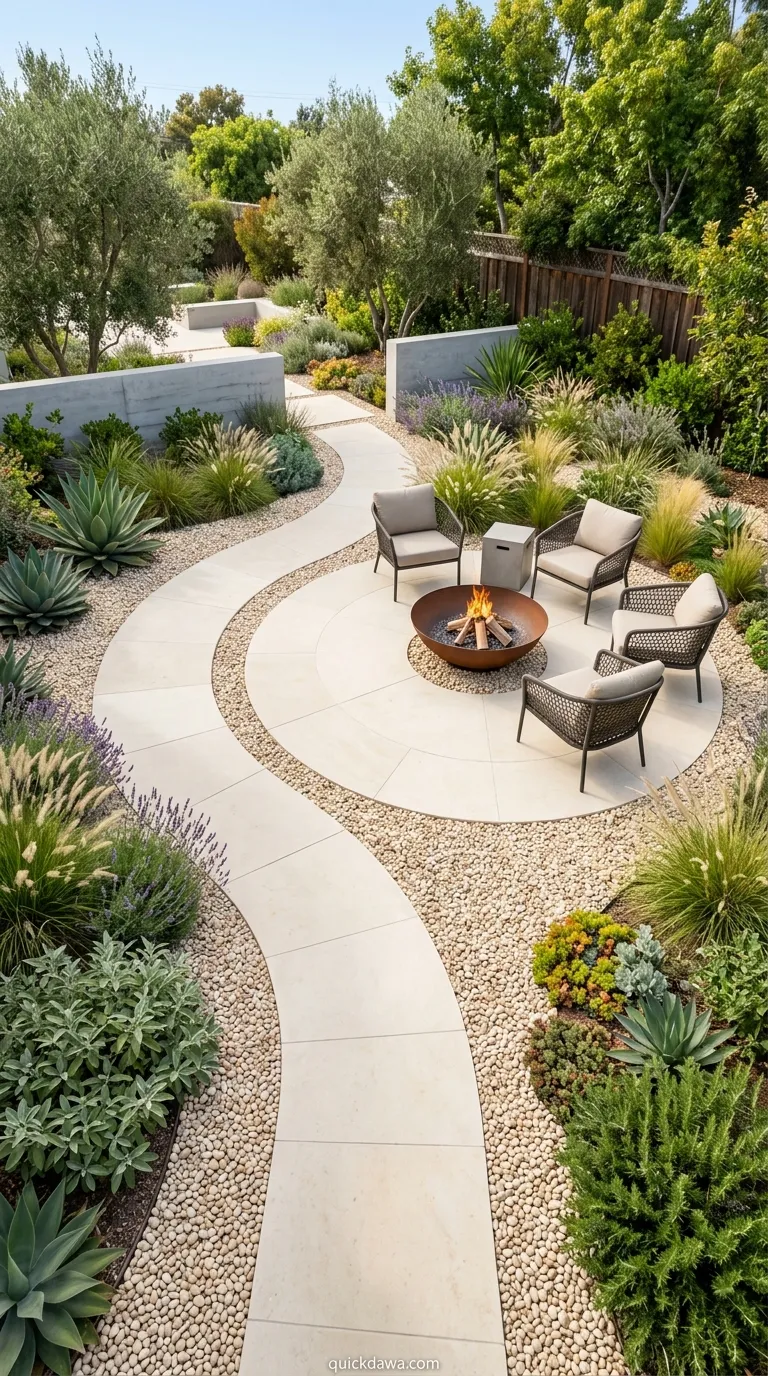
Surrounding hardscape pavers with fire pit flooring ideas like crushed gravel or decorative stone creates defined pathways while allowing excellent drainage and reducing material costs for larger areas.
The textural contrast between smooth pavers and loose aggregate adds visual dimension that photographs beautifully and feels intentional rather than incomplete. Gravel in complementary tones like pea gravel with limestone pavers establishes cohesion while the permeable surface prevents water pooling.
In my experience, this hybrid approach simplifies installation in uneven yards because gravel naturally accommodates slight grade changes. It also provides flexibility to adjust your layout over time without demolition.
Square Paver Fire Pit Design
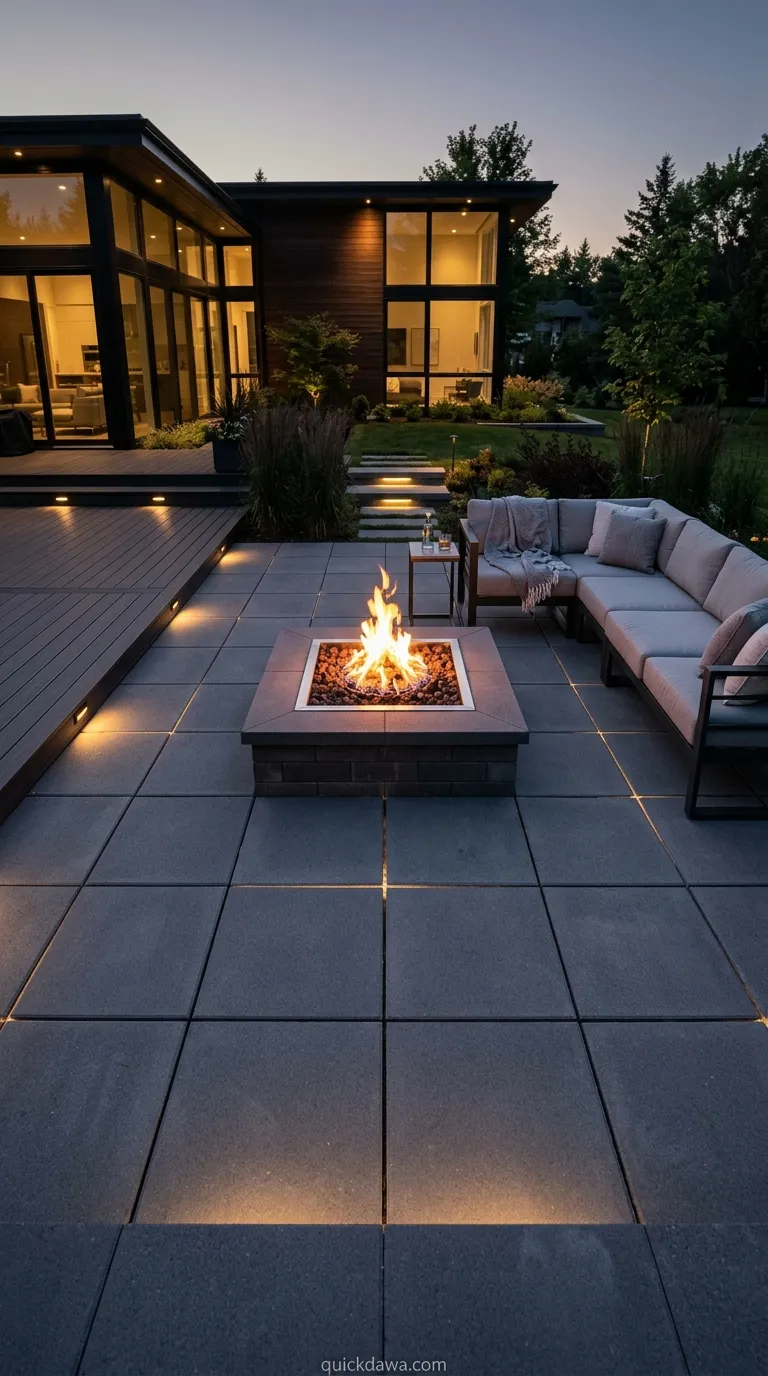
A squared-off arrangement using uniform pavers creates a contemporary paved fire pit area that works exceptionally well for aligning with existing deck lines, property boundaries, or architectural features of your home.
The geometric precision of square layouts appeals to those who appreciate order and symmetry, making outdoor spaces feel like natural extensions of interior rooms. Consistent spacing between pavers allows for optional lighting installation or decorative ground cover plantings in the joints.
I’ve tried both approaches, and squared designs definitely simplify furniture arrangement since straight edges align perfectly with rectangular seating and dining sets. The clean lines also make these areas easier to keep tidy.
Tiered Paver Fire Pit Landscape
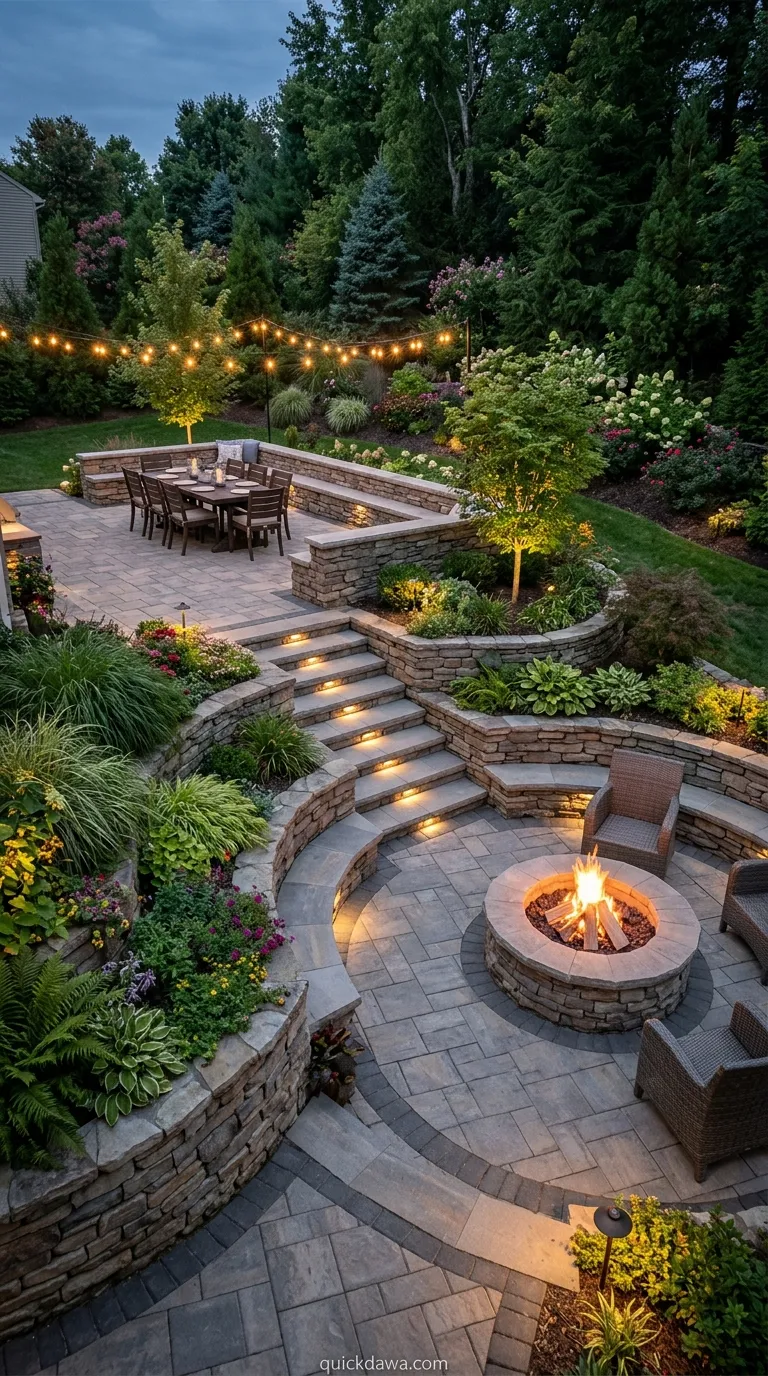
Creating multiple elevation levels with retaining wall systems and coordinating pavers establishes dramatic dimension, turning sloped yards into functional entertainment zones with landscape ideas fire pit that maximize every square foot.
Terraced designs naturally separate activity zones upper levels for dining or lounging, lower areas for fire gathering while retaining walls provide additional seating and prevent erosion. The elevation changes create visual interest that flat layouts simply cannot achieve.
From what I’ve seen, tiered landscapes photograph exceptionally well for those who enjoy sharing outdoor spaces on social platforms. The investment in proper grading and wall construction pays long-term dividends in usability and aesthetic impact.
Cobblestone Fire Pit Surround
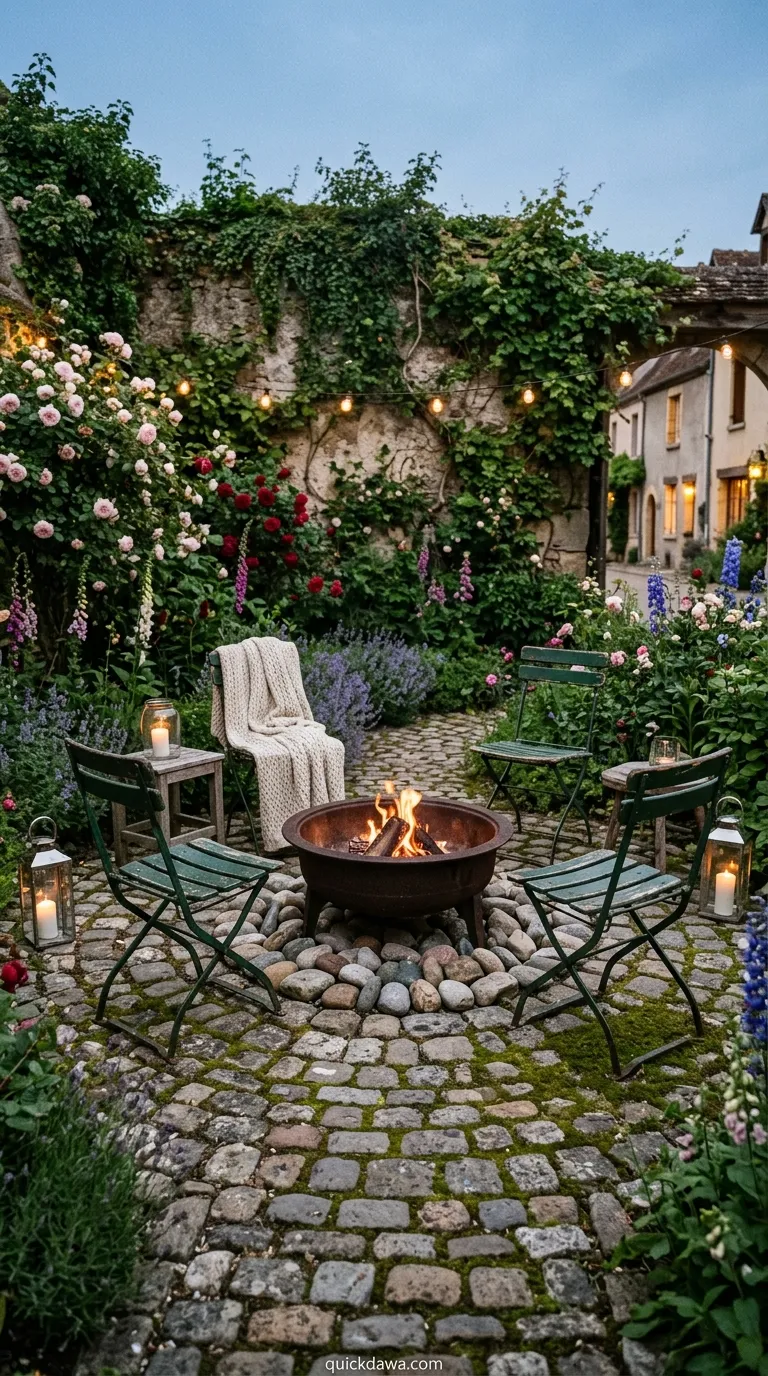
The old-world charm of rounded cobblestones arranged around your fire feature delivers garden stone fire pit appeal that transports your backyard to a quaint European village square filled with history and character.
Cobblestones’ irregular surfaces and naturally weathered appearance create instant maturity in new landscapes, making recently installed areas look established and thoughtfully aged. The durability of these stones means your design will genuinely last generations with minimal maintenance.
I’ve noticed that cobblestone surrounds pair beautifully with container gardens, climbing vines, and cottage-style plantings, creating romantic outdoor rooms perfect for intimate gatherings. The natural color variations ensure no two installations look identical.
Concrete Paver Fire Pit
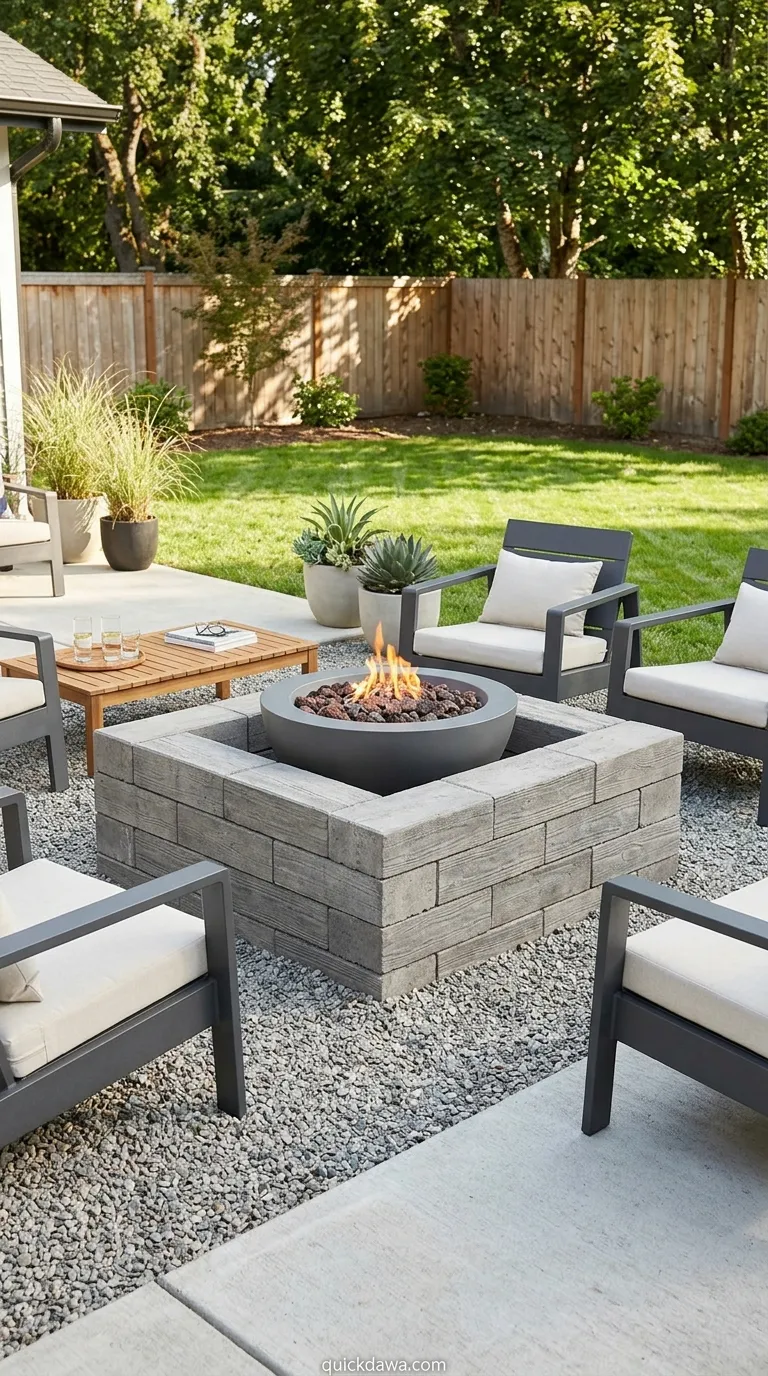
Affordable and versatile concrete pavers in countless colors, textures, and sizes allow budget-conscious homeowners to achieve professional bon fire pit ideas without compromising on style or quality.
Modern manufacturing techniques create concrete pavers that convincingly mimic natural stone, brick, or even wood plank appearances at a fraction of the cost. The uniform dimensions simplify DIY installation while ensuring consistent results even for beginners.
In my experience, concrete pavers handle freeze-thaw cycles remarkably well when properly installed with adequate base preparation. They also allow for creative patterns and color blocking that express personal style affordably.
Gravel Base with Paver Border
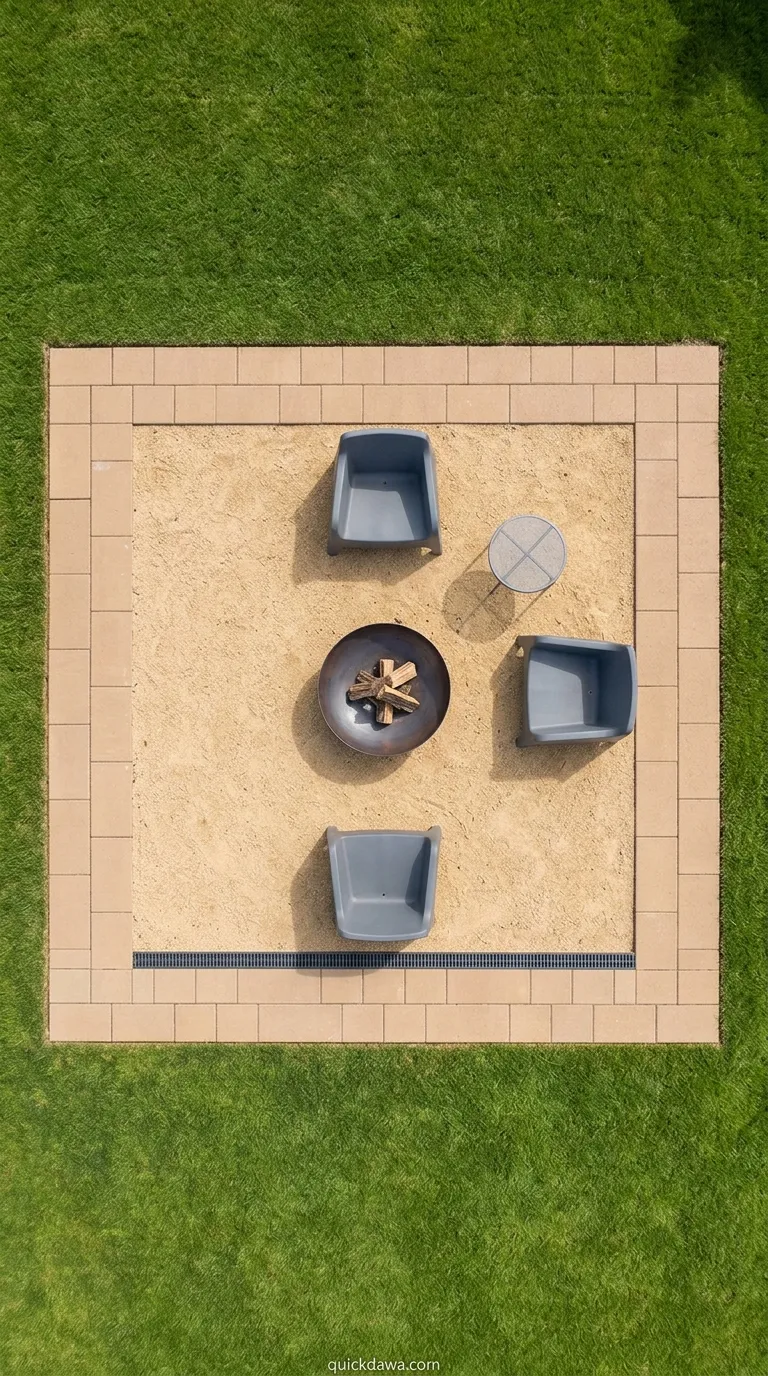
Defining your fire area with a neat paver perimeter while filling the interior with attractive gravel delivers practical fire pit flooring ideas that balance permanence with adaptability and excellent drainage.
This configuration keeps installation costs reasonable while establishing clear boundaries that prevent fire pit migration and protect surrounding lawn areas from heat damage. The gravel interior allows spark fallout without staining concerns that plague solid surfaces.
I’ve found this setup particularly smart for renters or those who anticipate relocating their fire pit eventually, since the gravel center can be easily refreshed or removed. Border pavers provide the finished look without extensive hardscaping commitment.
Multi-Colored Paver Pattern
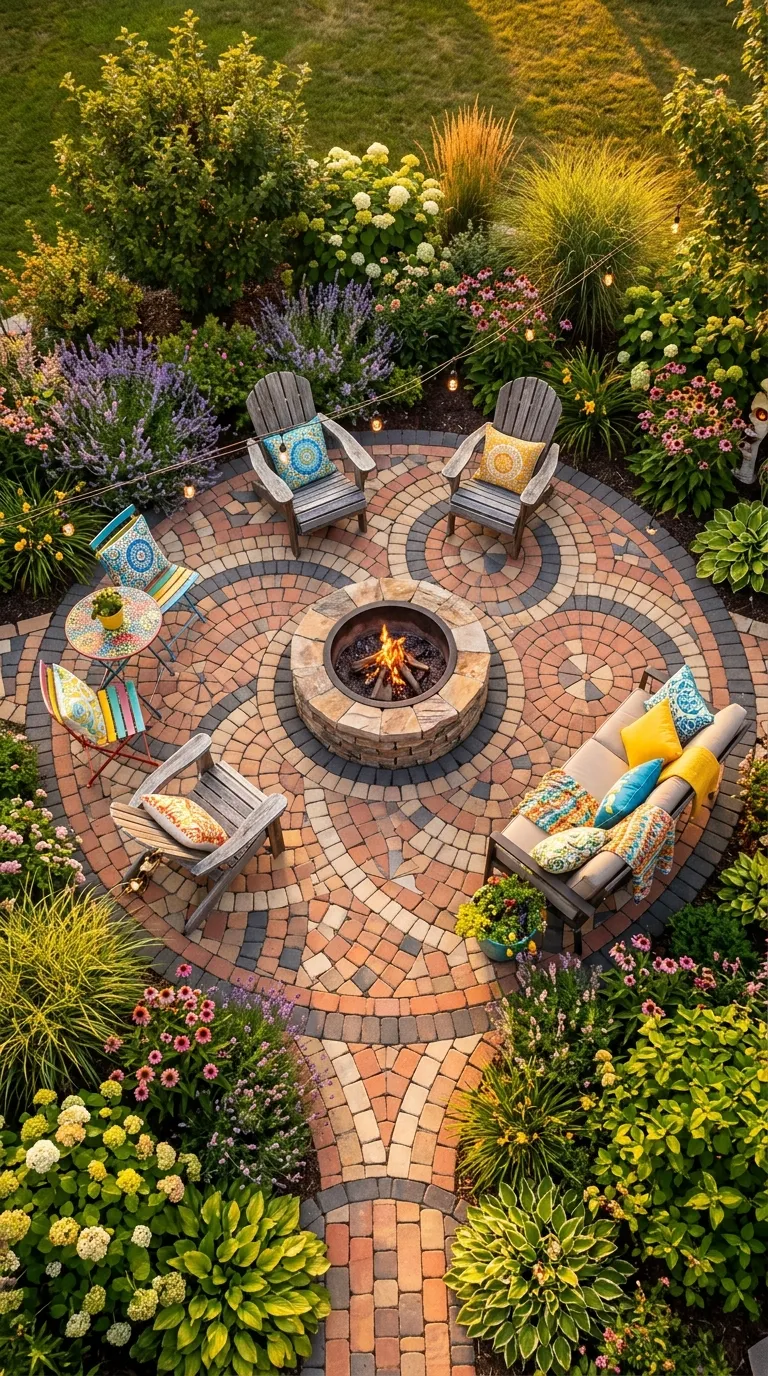
Blending pavers in complementary or contrasting hues creates custom firepot ideas that reflect your personality while adding vibrant visual interest that elevates standard fire pit areas into artistic outdoor statements.
Color variation draws the eye and defines zones without physical barriers perhaps warmer tones radiating from the fire pit center transitioning to cooler shades at the perimeter. This technique works beautifully in eclectic gardens where playfulness and creativity reign.
I’ve observed that multi-colored designs photograph exceptionally well from above, making them Pinterest favorites that inspire others. The variety also helps blend the fire pit area with diverse plantings and outdoor décor.
Travertine Paver Fire Pit
Luxurious travertine pavers bring resort-quality elegance to residential fire pit areas with their distinctive veining, neutral tones, and naturally cool surface that remains comfortable underfoot even in summer heat.
The premium appearance of travertine instantly elevates perceived property value while creating sophisticated outdoor living spaces worthy of design magazine features. Natural variations in color and texture ensure your installation remains unique and authentic.
In my experience, travertine’s porous nature requires sealing in high-moisture climates, but the minimal maintenance effort rewards you with decades of timeless beauty. The neutral palette coordinates effortlessly with any furniture style or color scheme.
Paver and Grass Checkerboard
Alternating pavers with grass squares or low-growing groundcover creates eco-friendly garden ideas with fire pit that soften hardscaping, improve drainage, and introduce living elements directly into your fire pit surround.
This design approach reduces heat island effect while maintaining adequate stable surface for furniture and foot traffic. The living elements cool the space naturally and create visual softness that appeals to those seeking balance between built and natural environments.
I’ve seen this pattern work wonderfully in family yards where children play, as the grass portions provide cushioned areas while pavers offer mud-free pathways. The checkerboard also requires fewer materials than solid paver coverage.
Radial Paver Fire Pit Layout
Pavers arranged in sunburst or radial patterns emanating from a central circular seating outdoor fire feature create dynamic movement that guides the eye inward while establishing natural gathering orientation for guests.
The radiating design creates the illusion of motion and energy, making static materials feel alive and purposeful. This layout works brilliantly with curved seating arrangements that follow the paver flow, creating cohesive outdoor rooms.
From what I’ve seen, radial patterns require more planning and cutting during installation, but the stunning visual payoff justifies the extra effort. The design naturally accommodates mixed paver sizes and colors along the radiating lines.
Conclusion
Creating the perfect fire pit area with thoughtfully chosen pavers transforms your backyard into a destination that family and friends will cherish for years to come. From classic circular designs to contemporary geometric layouts, these backyard fire pit paver ideas prove that the right foundation makes all the difference in both function and beauty.
I’ve seen how small changes in paver selection and arrangement can completely transform a space, turning ordinary backyards into extraordinary outdoor living rooms. The investment in quality materials and intentional design pays dividends in countless cozy evenings and memorable gatherings.
Whether you prefer rustic flagstone charm or sleek modern lines, start planning your ideal fire pit area today. Save your favorite ideas, share this inspiration with others tackling similar projects, and take that first step toward creating your own backyard retreat where warmth, beauty, and connection come together perfectly.