39 Fire Pit Ideas Backyard Spaces Look Expensive (But Aren’t!)
Stone Circle Fire Pit
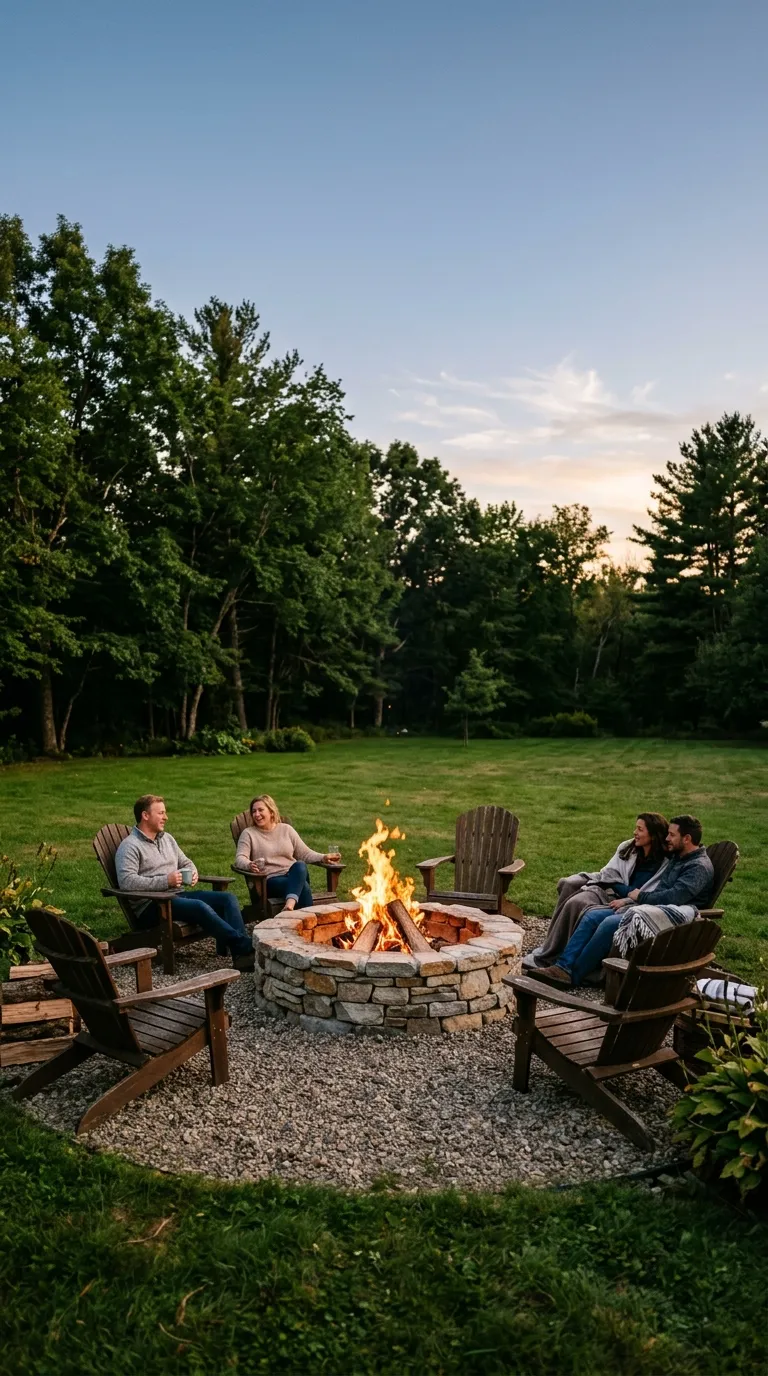
- Creates a timeless, organic gathering spot that blends beautifully with natural landscapes
- Uses durable materials that withstand weather while adding earthy texture to your outdoor space
- Easy to customize the size based on how many people you want to gather around
- Works perfectly in both rustic cottage settings and modern minimalist yards
- Requires minimal maintenance once properly constructed with heat-resistant stone
There’s something magical about gathering around a stone circle that feels both ancient and inviting. This classic design works because it brings people together in the most natural way possible, creating an instant focal point that draws everyone closer. The stones absorb and radiate heat, extending the warmth beyond just the flames themselves.
I’ve noticed that using locally sourced stones helps this feature blend seamlessly into existing landscaping while keeping costs manageable. The circular shape encourages conversation since everyone faces each other, unlike linear seating arrangements. Stack the stones with gaps for airflow, and you’ll have a fire feature that lasts for years while developing a beautiful weathered patina that only improves with time.
Sunken Fire Pit Lounge
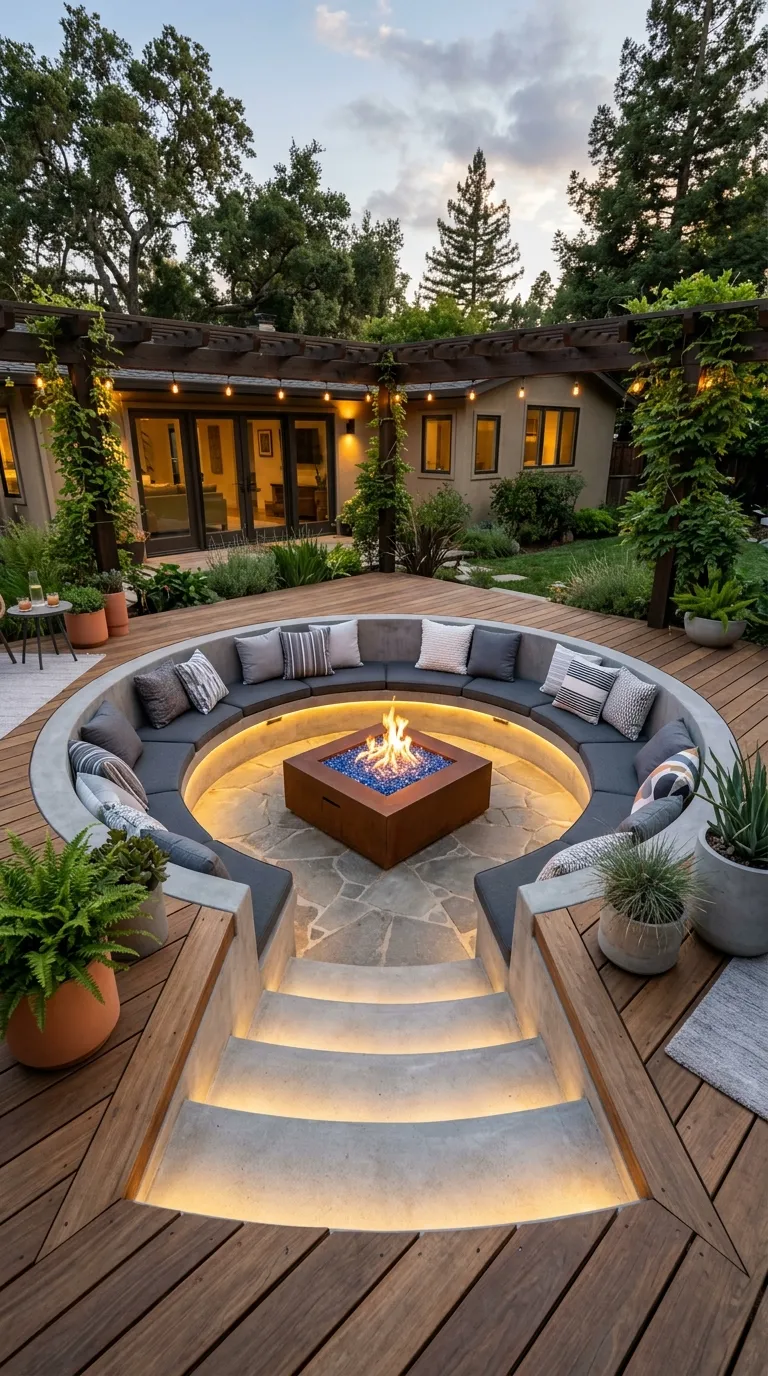
- Provides wind protection and a more intimate atmosphere than ground-level designs
- Built-in seating eliminates the need for constantly rearranging chairs
- Creates distinct zones in your yard, adding architectural interest and depth
- Offers a luxurious resort-style vibe that significantly boosts property appeal
- Keeps smoke higher than seated guests for a more comfortable experience
This dramatic design transforms your outdoor space into a conversation-worthy destination that feels like a private retreat. By dropping the seating area below grade, you create natural wind barriers that keep flames steady and guests comfortable even on breezy evenings. The sunken design also adds visual dimension to flat yards, making smaller spaces feel more expansive and thoughtfully designed.
That’s why many designers recommend this approach for entertaining-focused backyards where comfort and style matter equally. The permanence of built-in seating means you’re always ready for guests without dragging furniture around. Adding cushions and throw pillows makes the space feel like an outdoor living room. The investment pays off in both daily enjoyment and resale value since architectural features like this distinguish your property from standard yards.
Portable Bowl Fire Pit
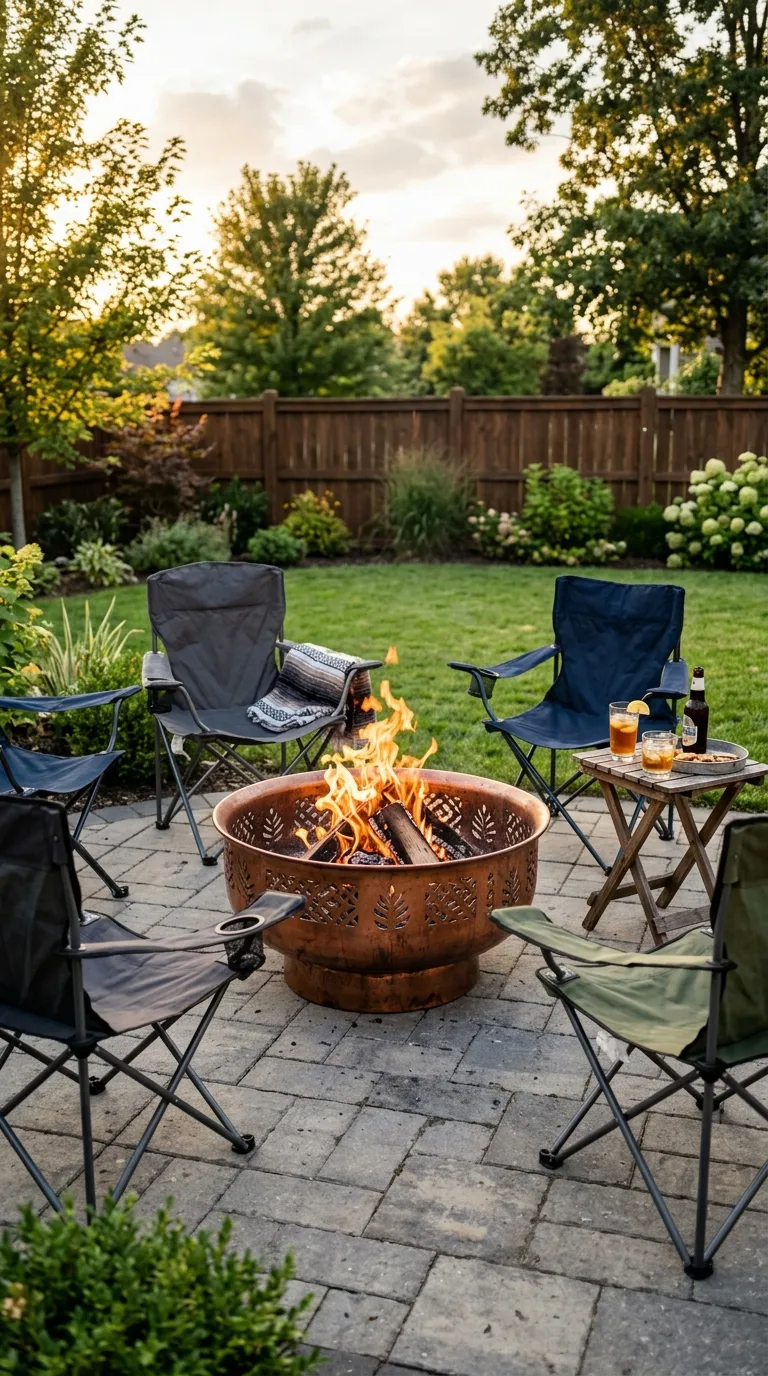
- Offers flexibility to move the fire feature wherever you need it most
- Perfect for renters or anyone who isn’t ready for permanent installations
- Lightweight options make storage during off-season incredibly simple
- Available in countless styles from rustic to ultra-modern at various price points
- Starts fires quickly and cleans up easily compared to built-in options
Sometimes the best solution is the simplest one that adapts to your changing needs throughout the seasons. Portable bowl designs let you test different locations before committing to permanent features, which is especially helpful if you’re still figuring out how you use your yard. You can move it closer to the house during spring evenings or out to the lawn for summer gatherings.
I’ve found that quality portable fire pits perform just as well as permanent ones while costing a fraction of the price and installation effort. Look for models with sturdy legs that keep the heat off your paving, and consider ones with covers that convert them into side tables when not in use. The portability also means you can take it camping, to the beach, or even to a friend’s house for gatherings.
Linear Modern Fire Pit
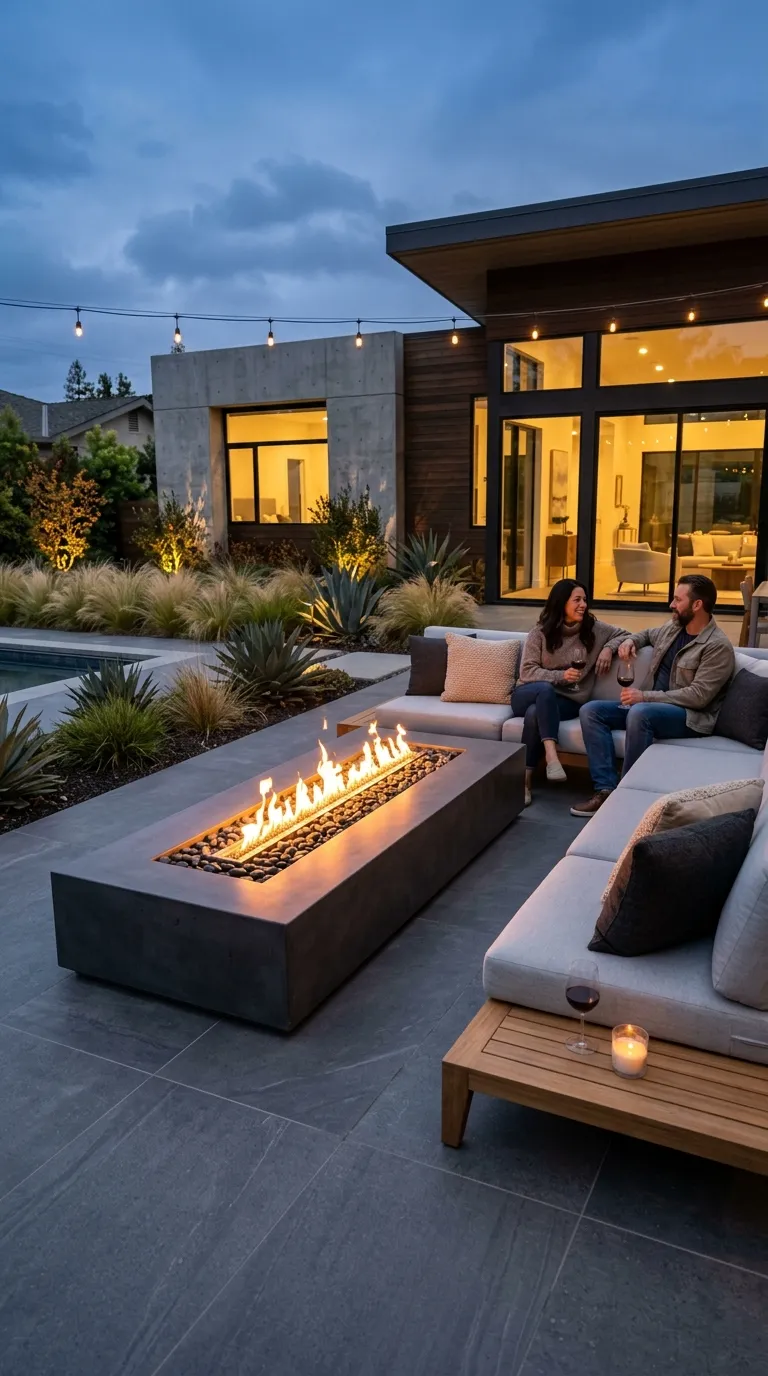
- Delivers a sophisticated, gallery-like aesthetic perfect for contemporary architecture
- Maximizes seating capacity since people can gather along the entire length
- Works beautifully as a property line feature or to divide outdoor zones
- Propane or natural gas options provide clean burning with instant on-off control
- Low-profile design maintains sightlines across your yard and to views beyond
The horizontal emphasis of this design creates a striking focal point that complements modern homes without competing with clean architectural lines. Unlike traditional round pits, the linear format allows for more flexible furniture arrangements and can even serve as a visual divider between dining and lounging areas. The continuous flame creates mesmerizing movement that’s equally beautiful from any angle along its length.
In my experience, homeowners are often surprised by how much more usable space they gain with this layout compared to circular designs. The streamlined profile means you can position seating closer without anyone feeling crowded or overheated. Gas-powered versions eliminate smoke, ash, and sparks, making them ideal for urban yards or areas with strict fire codes. Pair with simple furniture in neutral tones to let the dramatic flame be the star of your outdoor room.
Rustic Wood-Burning Fire Ring
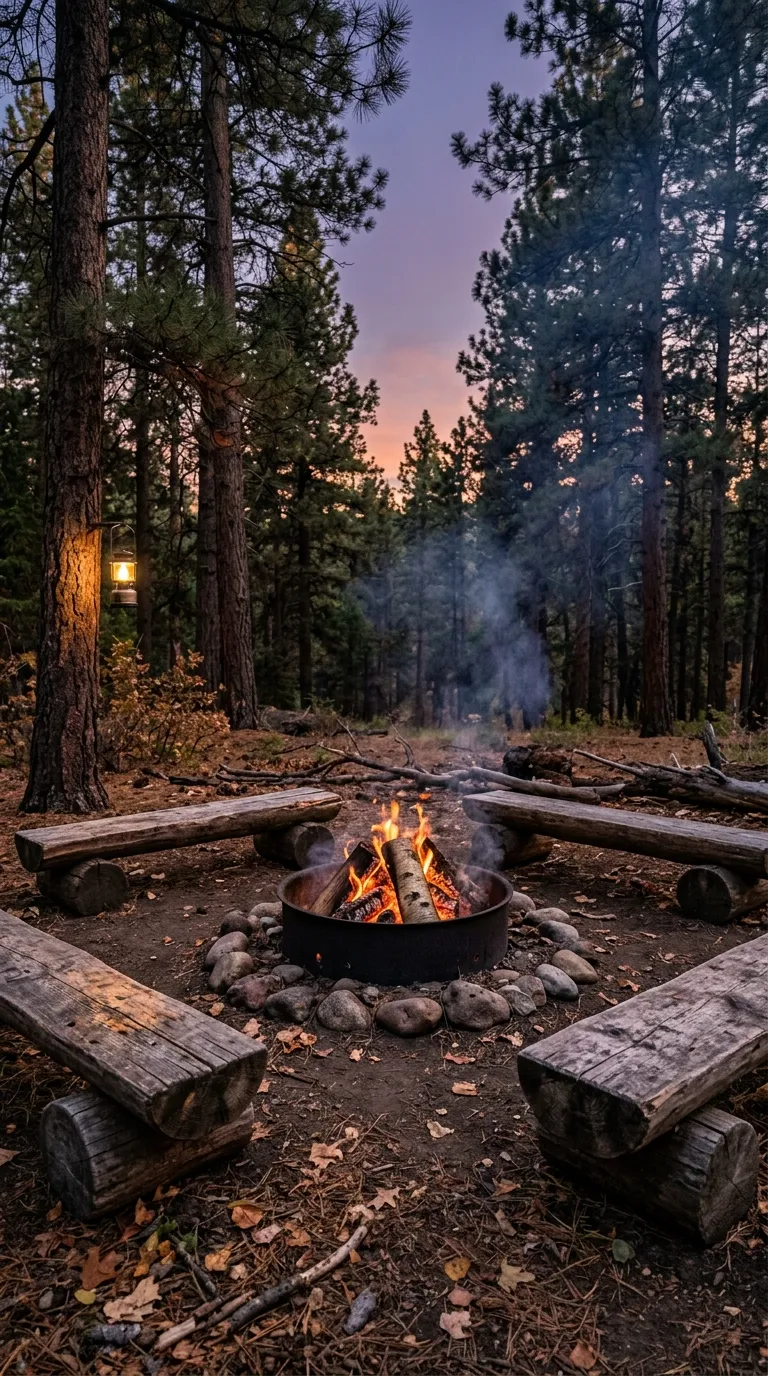
- Brings authentic campfire experience right to your backyard with minimal cost
- Easy DIY installation requiring just a metal ring and cleared ground area
- Perfect for families who love s’mores, storytelling, and that classic camping feeling
- Wood burning creates that traditional crackling sound and smoky aroma people love
- Simple design puts the focus on gathering rather than fancy features
Nothing quite replaces the primal appeal of a real wood fire, and this straightforward approach delivers that experience without complicated construction or expensive materials. The simplicity is actually the strength here, creating an unpretentious space where comfort and connection matter more than Instagram-worthy aesthetics. Kids especially love the hands-on experience of building and tending a real fire with actual logs and kindling.
I’ve seen this work well in larger properties where you can dedicate a corner specifically for fire activities away from structures and landscaping. The minimal investment means you can experiment with placement before committing to something permanent. Use the metal ring to contain the fire safely while still enjoying the full sensory experience of wood burning. Add log benches or stumps for seating that matches the rustic vibe, and you’ve created a backyard camp spot that costs less than a weekend camping trip.
Fire Pit With Built-In Seating Wall
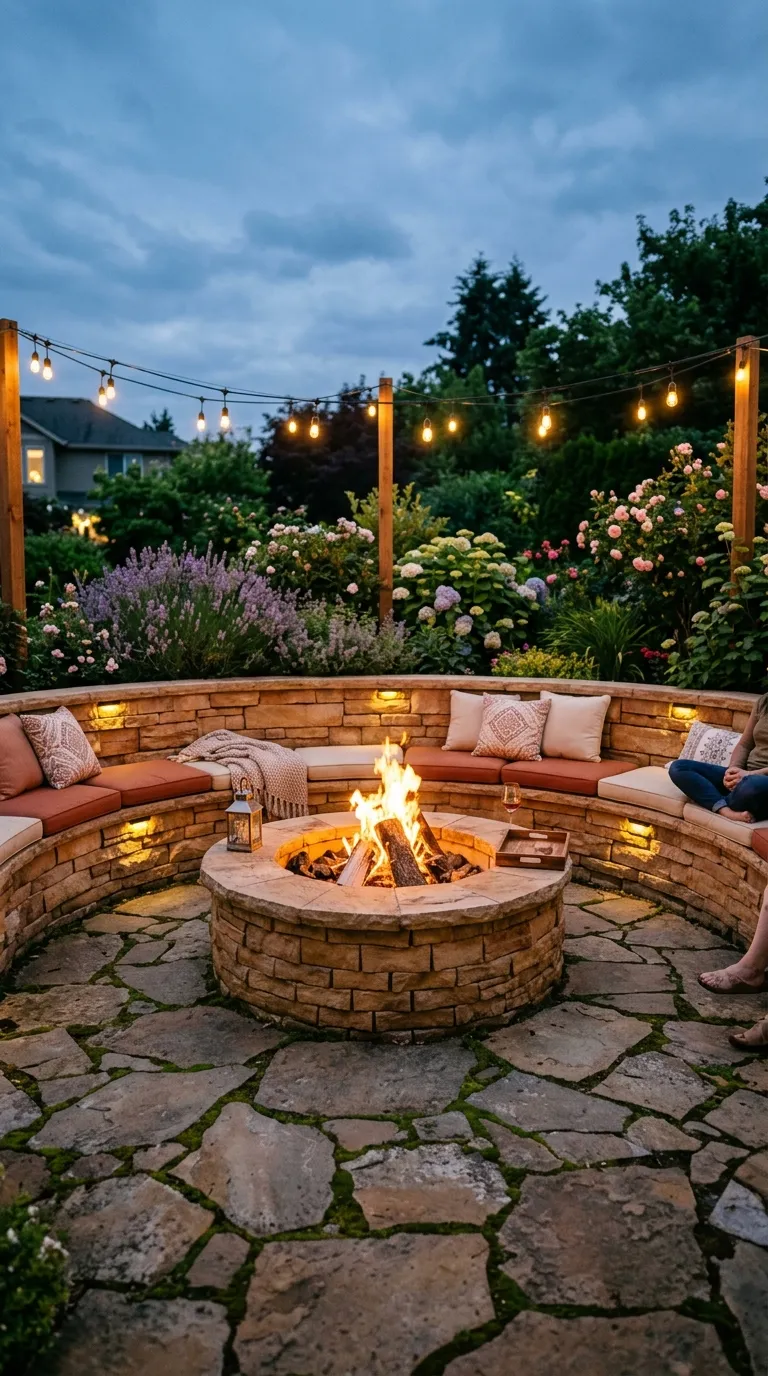
- Provides permanent comfortable seating that never needs rearranging or storing
- Defines the space clearly while creating an enclosed, intimate gathering zone
- Stone or masonry construction adds substantial value and lasting durability
- Built-in design allows for integrated lighting, storage, or decorative elements
- Creates beautiful curves and architectural interest visible even without fire burning
This approach transforms a simple fire feature into a complete outdoor room that feels purposeful and well-designed year-round. The permanence of built-in seating means your space is always guest-ready, and the height of the wall can be customized to work as standard seating, counter-height perches, or somewhere in between. Adding cushions brings color and comfort while still allowing the beautiful stonework to show through.
That’s why many landscape designers start with this foundation when creating outdoor living spaces focused on entertaining. The curved wall naturally draws people into the circle and provides comfortable back support that simple chairs often lack. You can incorporate cap stones wide enough to set drinks on, eliminating the need for side tables. The thermal mass of the stone absorbs heat during the day and releases it slowly, extending comfortable evening hours even as temperatures drop.
Gravel Base Fire Pit Area
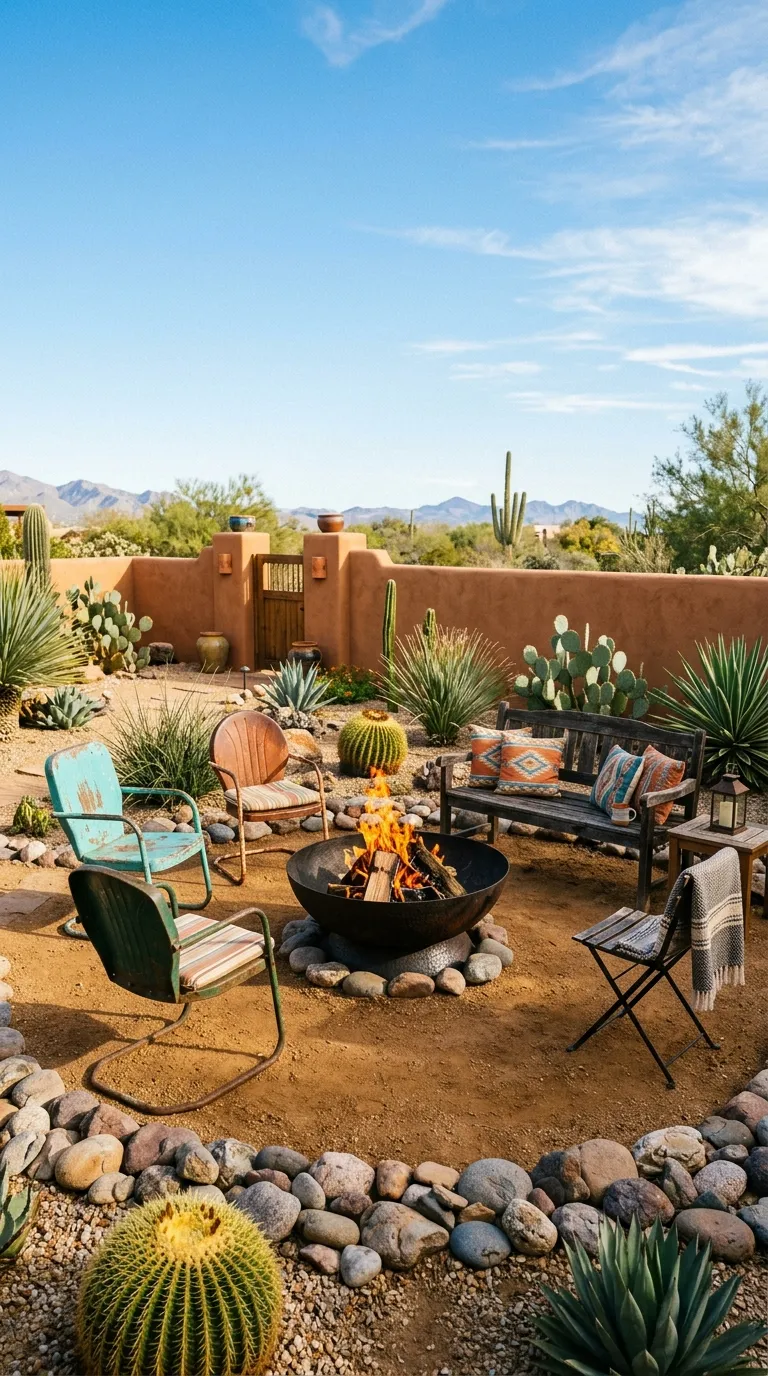
- Provides excellent drainage that prevents water pooling after rain
- Creates a defined fire zone that clearly separates from lawn or planting areas
- Gravel is affordable, easy to install, and simple to refresh over time
- Works especially well in arid climates or drought-conscious landscapes
- Reduces fire hazards by eliminating flammable grass or mulch near flames
The practical advantages of gravel make it one of the smartest base choices, especially if you’re working with a budget or tackling this as a DIY project. Gravel allows rainwater and accidental drink spills to drain immediately rather than creating muddy messes or puddles. It also stays cooler underfoot than solid paving, which matters when you’re walking around an active fire on summer evenings.
I’ve noticed that using different gravel sizes or colors helps define zones within your fire area, like a finer crushed stone underfoot with larger decorative rocks as borders. This approach works beautifully in xeriscape or Mediterranean-style gardens where water conservation is important. The informal texture complements both rustic and modern fire pit styles, and you can easily rake it smooth or add more material as needed without special tools or skills.
Fire Pit On Wooden Deck
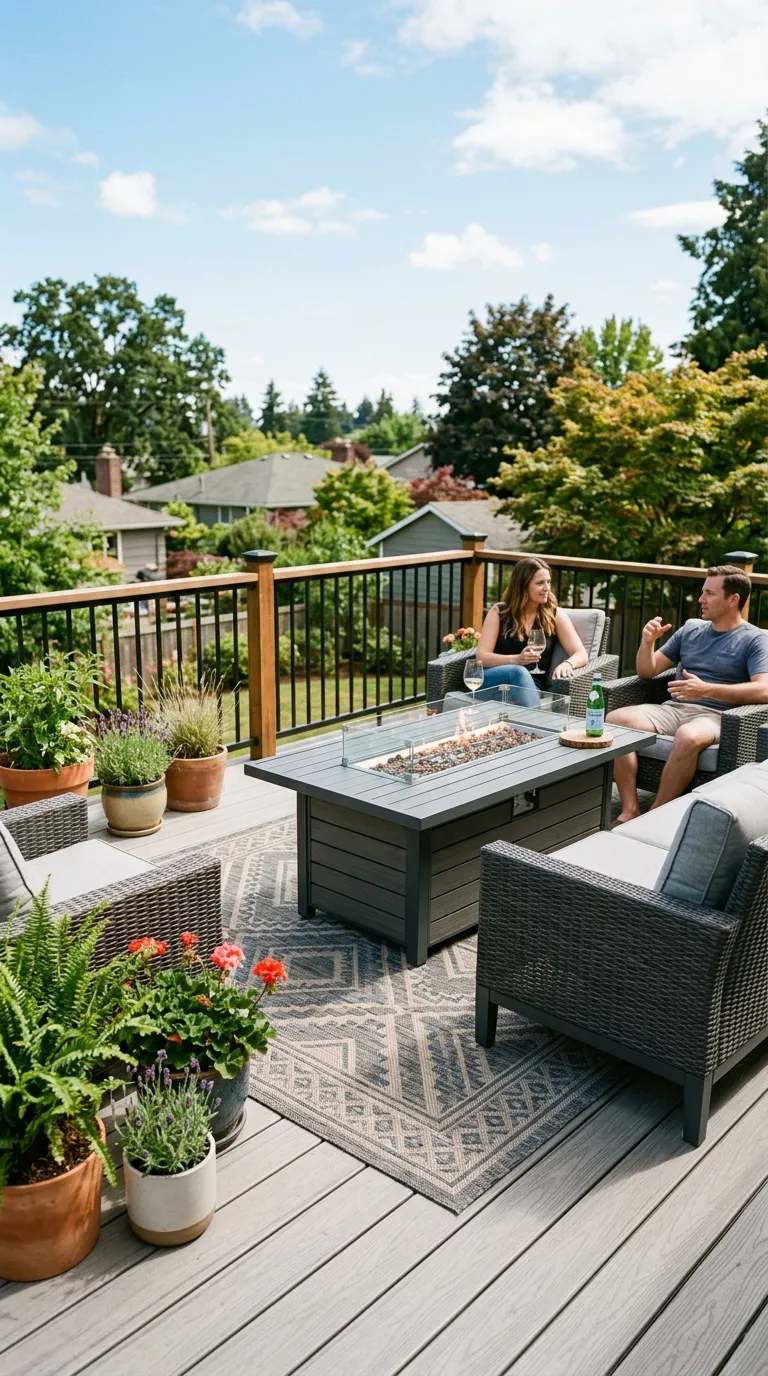
- Extends the use of existing deck space for year-round outdoor enjoyment
- Propane or gel fuel options provide safe burning without damaging wood
- Creates a seamless transition from indoor living to outdoor relaxation
- Fire pit tables double as functional surfaces when not actively burning
- Allows apartment or condo dwellers with decks to enjoy fire features safely
Adding a fire element to your deck transforms it from a simple platform into a true outdoor living room that you’ll use far beyond summer months. The key is choosing designs specifically rated for deck installation, which typically means gas-fueled options that don’t produce embers or require venting underneath. Fire pit tables are particularly smart since they serve multiple purposes and often include covers that convert them to regular tables.
In my experience, homeowners are initially nervous about deck fires but quickly discover that proper equipment makes it completely safe and code-compliant. Look for models with automatic shut-off features and stable bases that won’t tip. Position the fire pit away from railings, overhead structures, and your home’s exterior walls. The combination of flickering flames and elevated views makes deck fire pits especially magical since you’re often sitting at tree-canopy level watching both fire and stars simultaneously.
Square Fire Pit Design
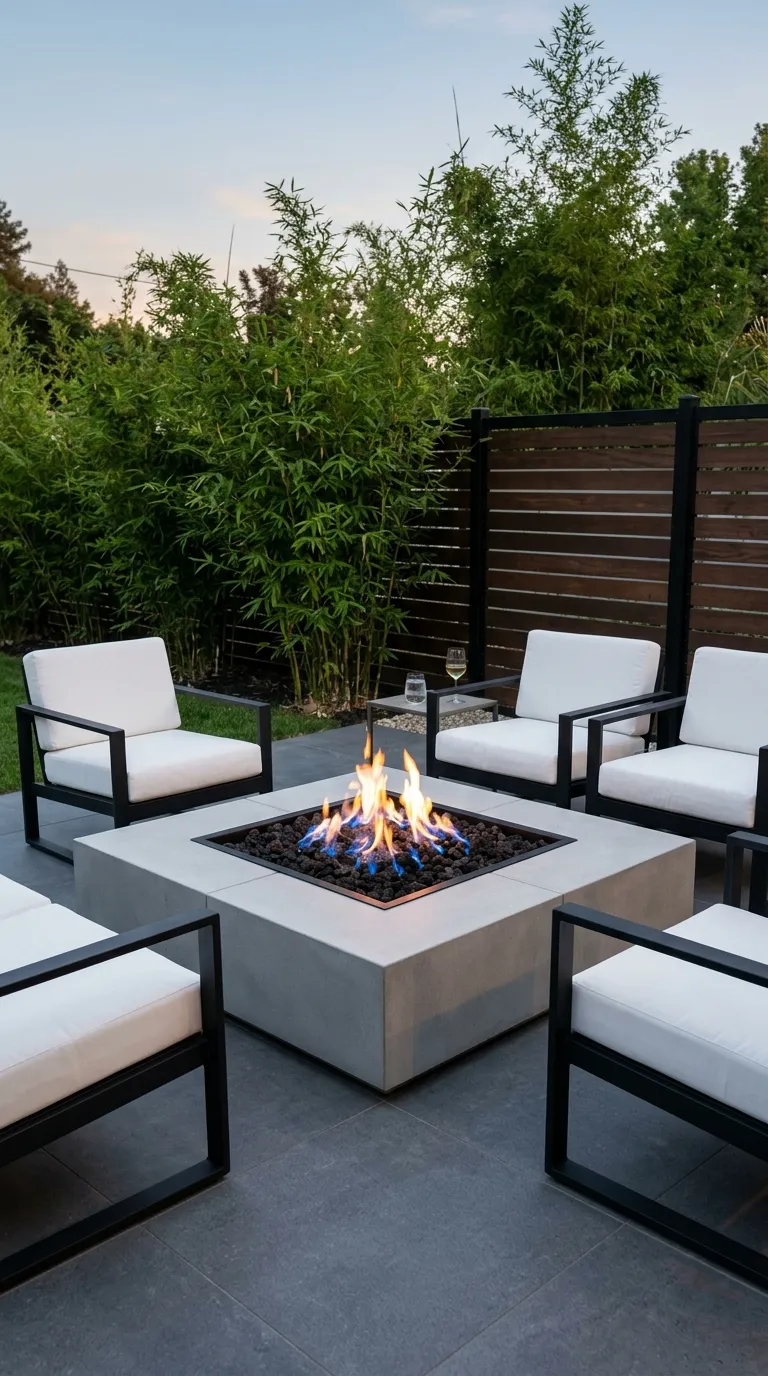
- Offers a modern alternative to traditional round shapes with sharp contemporary appeal
- Easier to integrate into geometric patio layouts and architectural landscapes
- Allows for symmetrical furniture placement on all four sides
- Typically more space-efficient in smaller yards or narrow areas
- Pairs beautifully with modern homes and clean-lined outdoor furniture
The geometric precision of square designs appeals to anyone who loves contemporary aesthetics and orderly spaces. This shape works particularly well when your home, patio, or fencing already features strong horizontal and vertical lines that a circular feature might visually clash with. The flat sides also make it easier to position seating at comfortable distances without awkward gaps or crowding in corners.
That’s why landscape architects often specify square fire pits for modern properties where every element contributes to a cohesive minimalist vision. The straight edges align naturally with pavers, decking, and property lines, making installation more straightforward and professional-looking. You can build the square at various scales, from intimate two-person versions to large gathering spaces that seat eight or more. The angular form creates interesting shadow patterns and reflects firelight in distinct ways that feel crisp and intentional.
Fire Pit With Paver Patio
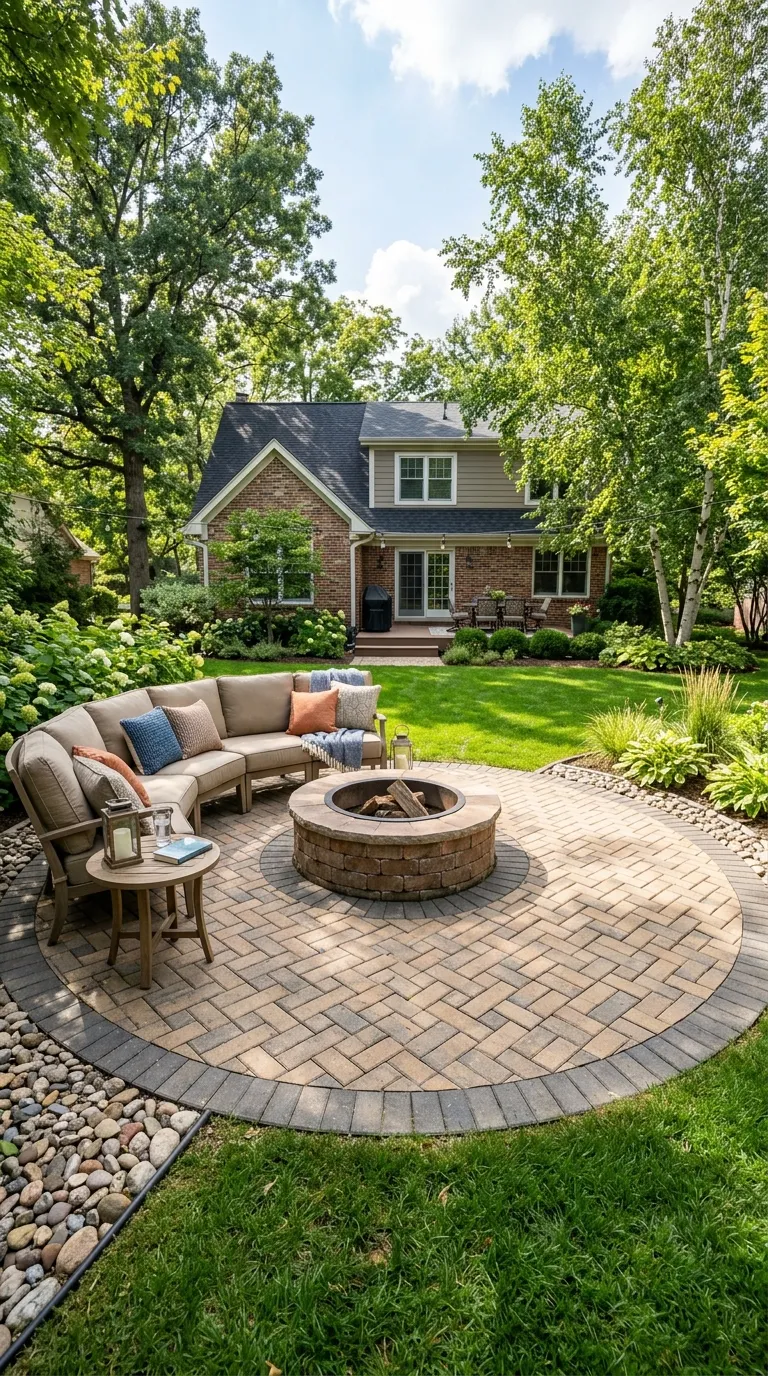
- Creates a polished finished look that significantly increases property value
- Pavers provide stable, level surface for furniture and safe walking around fire
- Defines the entertainment zone clearly while adding hardscape visual interest
- Allows for creative patterns, borders, and color combinations
- Prevents grass damage and muddy areas where people naturally walk and gather
A properly installed paver patio transforms your fire pit from a standalone feature into the centerpiece of a complete outdoor room. The solid surface means furniture sits level without sinking, and guests can walk comfortably even after rain when grass would be wet and slippery. Pavers also create a firebreak that helps contain sparks and meets safety codes that might prohibit fires directly on or near grass.
I’ve found that the investment in paver installation pays off immediately in how much more often families actually use their outdoor space. Choose pavers that complement your home’s exterior for a cohesive look, or create contrast with unexpected colors that make the fire area feel like a distinct destination. Professional installation ensures proper base preparation and drainage, but motivated DIYers can tackle smaller patios over a weekend. The permanent nature means you’re creating something that will serve your family for decades.
Backyard Fire Pit With Pergola
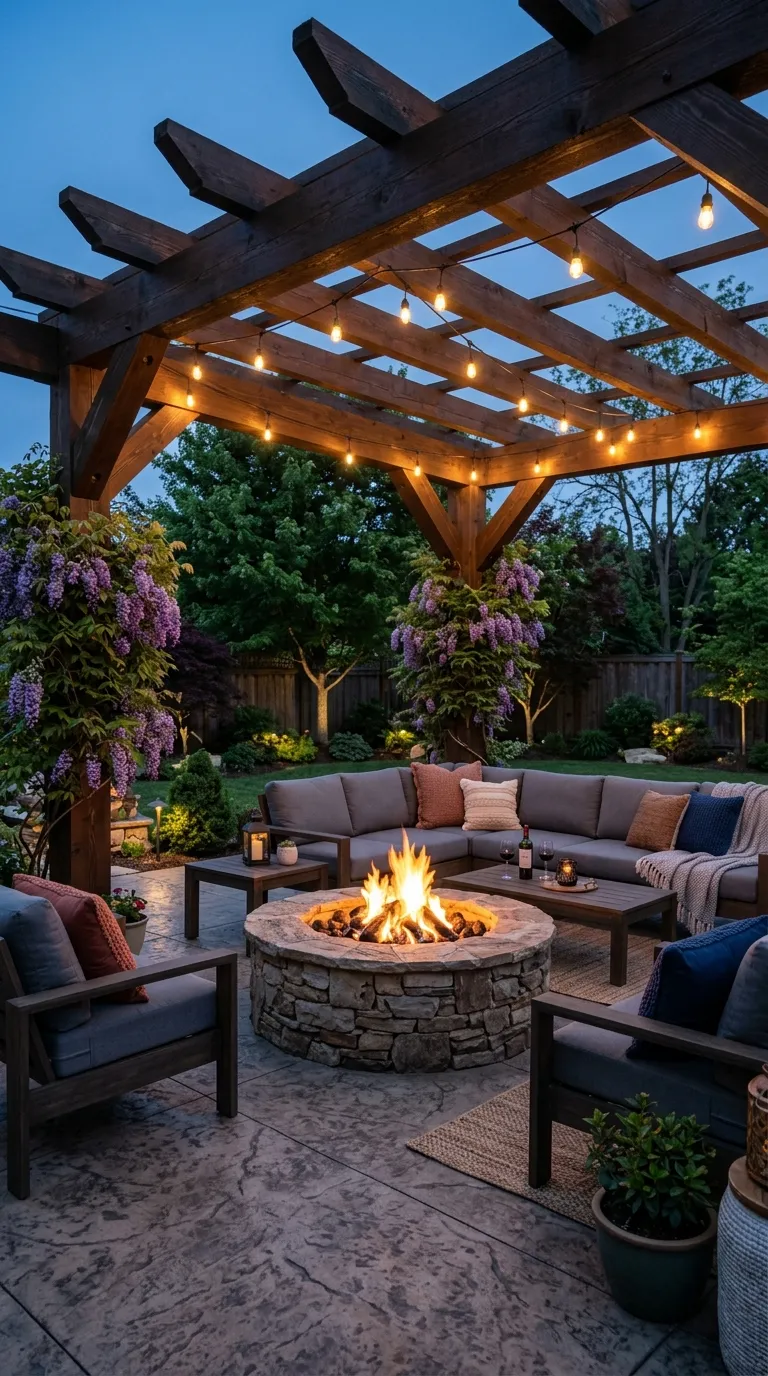
- Provides overhead definition and structure that makes the space feel like an actual room
- String lights or hanging plants on pergola add vertical interest and ambiance
- Offers partial shade during daytime use while allowing smoke to ventilate
- Creates a grand focal point visible from inside your home and across the yard
- Increases property value substantially with this combination of high-end features
Combining a pergola with your fire area creates what designers call a “ceiling plane” that psychologically makes the space feel enclosed and intentional without actually blocking sky views or trapping smoke. The overhead structure also gives you mounting points for lighting, speakers, outdoor curtains, or hanging plants that would otherwise require separate posts or stands. This layering of features transforms a simple fire pit into a true outdoor living room.
In my experience, this pairing works especially well in yards that lack mature trees or natural overhead canopy. The pergola provides that missing upper level that makes spaces feel complete and furnished rather than exposed. Make sure to position the fire pit off-center under the pergola so smoke rises freely rather than collecting in the structure. The combination creates incredible visual impact from inside your home, turning the view through your windows into something magazine-worthy year-round.
Desert Southwest Fire Pit
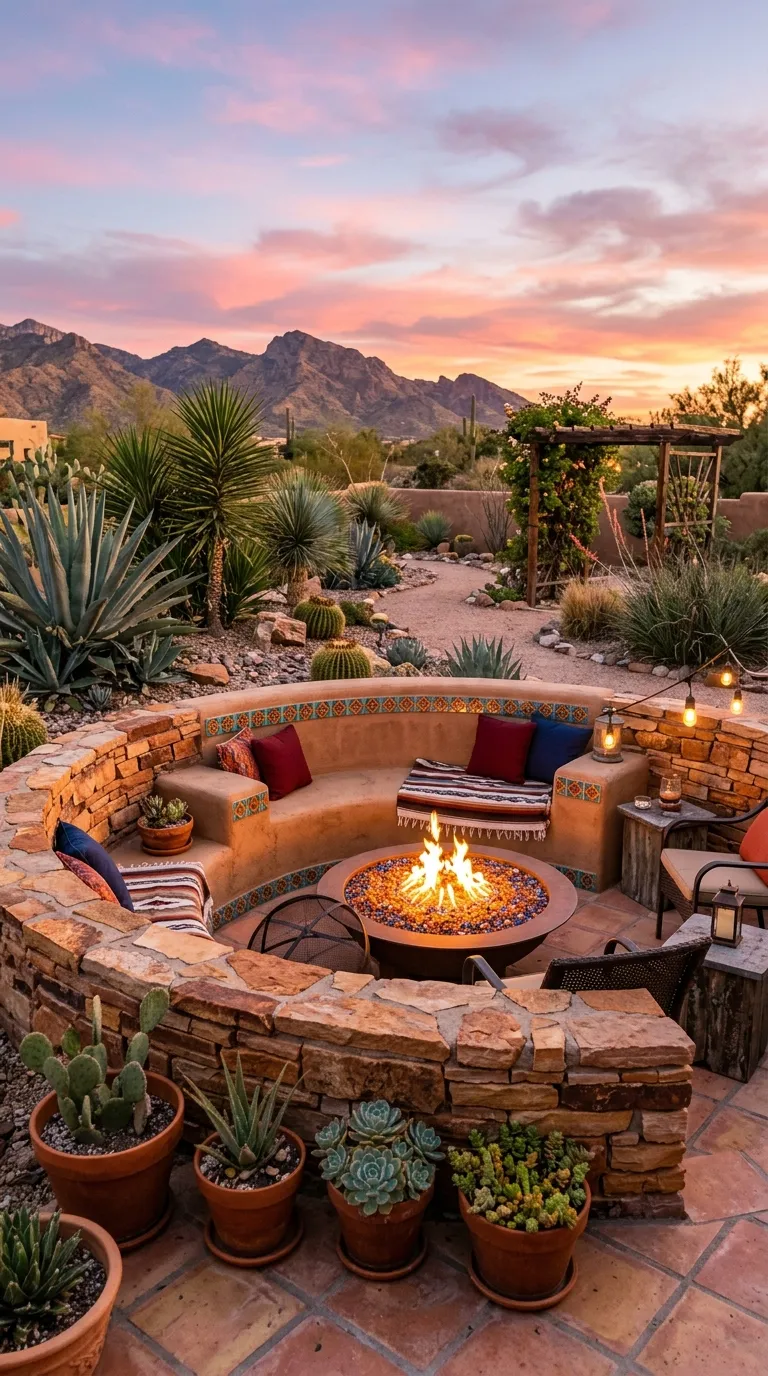
- Embraces regional style that works naturally with arid climates and water-wise landscapes
- Warm earth tones and natural materials create inviting, sun-baked aesthetic
- Low-maintenance plantings reduce water usage while adding authentic desert beauty
- Adobe or stucco elements provide thermal mass that moderates temperature swings
- Bold colors and textures create spaces full of character and cultural richness
The distinctive aesthetic of southwestern design brings warmth and personality that mass-produced outdoor furniture simply cannot match. This regional style evolved specifically for hot, dry climates, which means it actually functions better in those conditions than generic designs trying to replicate cooler-climate landscapes. The heavy masonry absorbs daytime heat and releases it slowly during surprisingly cool desert evenings, extending comfort naturally.
I’ve noticed that incorporating authentic materials like Saltillo tiles, natural flagstone, and handcrafted pottery creates spaces that feel connected to their environment rather than fighting against it. The color palette of terracotta, turquoise, and sunset oranges complements fire beautifully since they’re already warm, glowing tones. Native and adapted plants like agave and prickly pear thrive with minimal water while providing sculptural beauty. This approach creates fire pit areas that honor their location and climate rather than requiring constant irrigation to maintain inappropriate plant choices.
Fire Pit With Adirondack Chairs
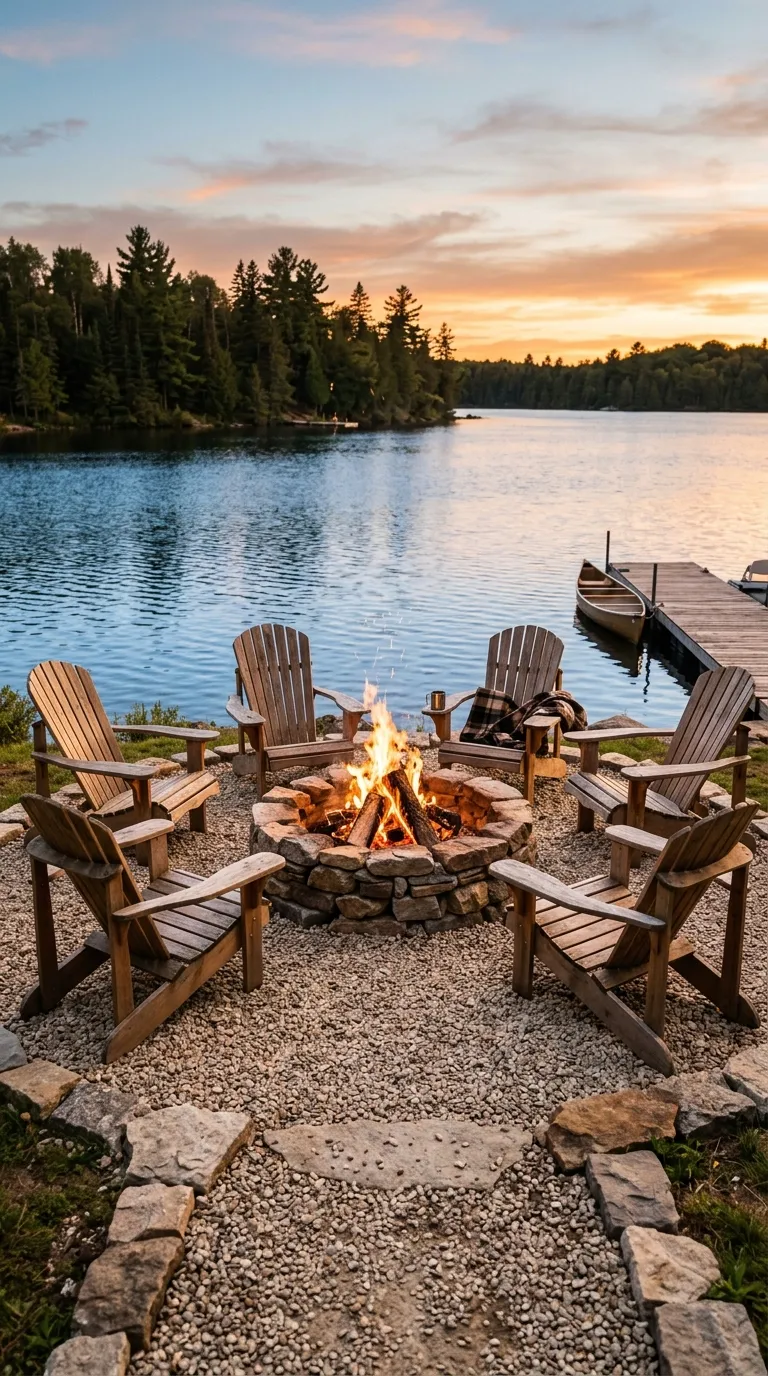
- Delivers classic comfort with wide armrests perfect for holding drinks and snacks
- Reclined seating angle is ideal for stargazing while staying warm by the fire
- Timeless design works with virtually any architectural style from cabins to contemporary
- Widely available in wood, recycled plastic, and composite materials at various price points
- Easy to repaint or refinish to refresh your look without buying new furniture
There’s a reason Adirondack chairs have remained popular for over a century—they’re genuinely comfortable for extended sitting and perfectly suited for fireside relaxation. The reclined back position lets you gaze up at stars or watch smoke curl into the night sky without craning your neck. Wide armrests become convenient holders for everything from beverage bottles to s’more supplies, eliminating the constant need for side tables.
That’s why cottage owners and lakeside property enthusiasts consistently choose this seating style for their fire areas. The chairs withstand weather exposure remarkably well, especially versions made from rot-resistant cedar or modern poly lumber that looks like wood but never needs refinishing. I’ve found that arranging them in a full circle rather than a semicircle encourages better conversation since everyone can see each other easily. Their substantial size and low profile create a casual, welcoming vibe that immediately puts guests at ease.
Concrete Fire Pit Bowl
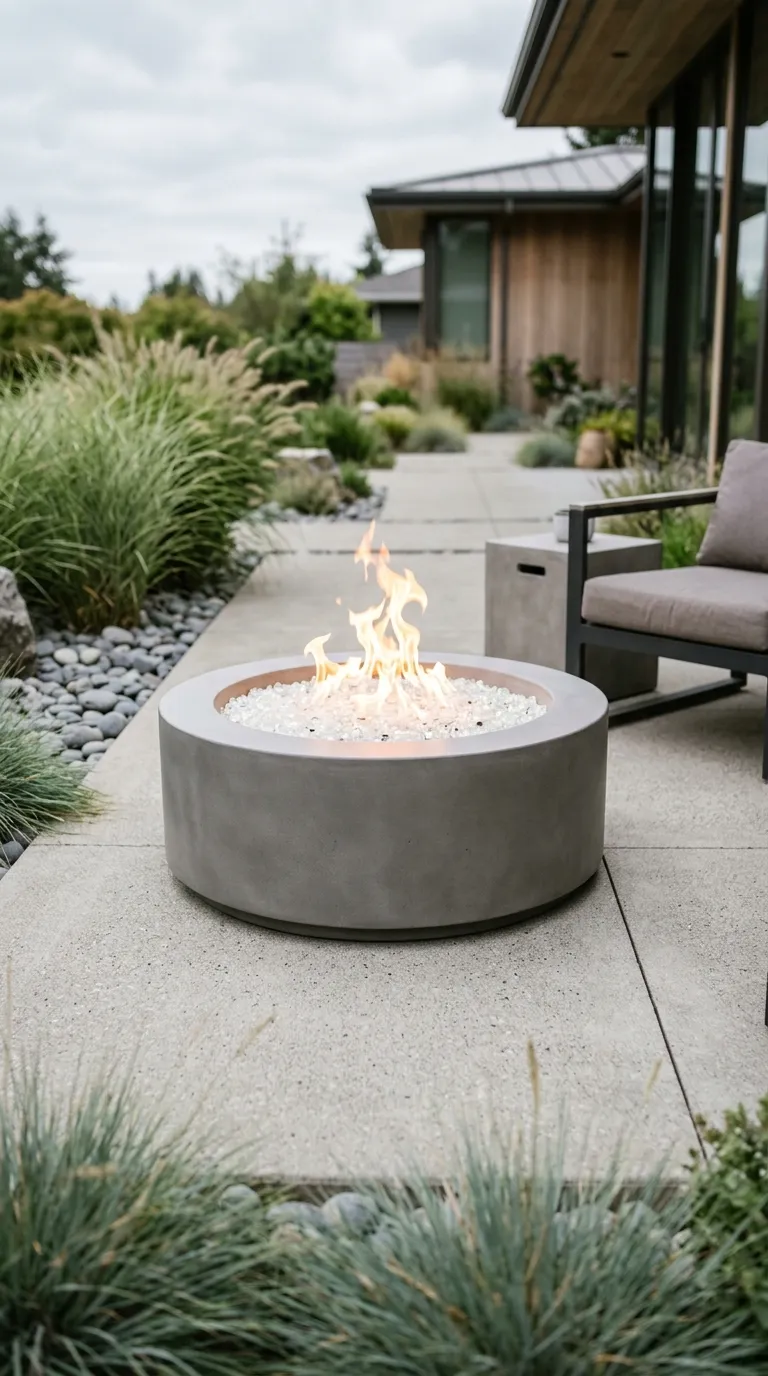
- Delivers industrial-modern aesthetic that’s both trendy and timeless
- Concrete can be cast in custom shapes, sizes, and colors to match your vision
- Extremely durable material that weathers beautifully and requires minimal maintenance
- Heavy weight provides stability even in windy conditions without anchoring
- Works with both wood-burning and gas fuel options depending on your preference
The substantial presence of cast concrete creates a sculptural focal point that looks intentional and artful even when the fire isn’t burning. Modern concrete techniques allow for surprisingly refined finishes, from ultra-smooth polished surfaces to deliberately textured or aggregate-exposed looks. The material’s natural gray tones complement nearly any color scheme while providing a neutral backdrop that lets flames and landscaping take center stage.
In my experience, concrete fire features age gracefully, developing subtle color variations and weathering that adds character rather than looking worn out. You can find ready-made concrete bowls at various price points or work with concrete artists for one-of-a-kind custom pieces. The thermal properties mean the bowl retains heat efficiently, radiating warmth long after you’ve extinguished the fire. Pair with modern furniture in simple shapes and neutral fabrics to create a cohesive contemporary outdoor space that feels calm and collected.
Fire Pit With Rock Garden
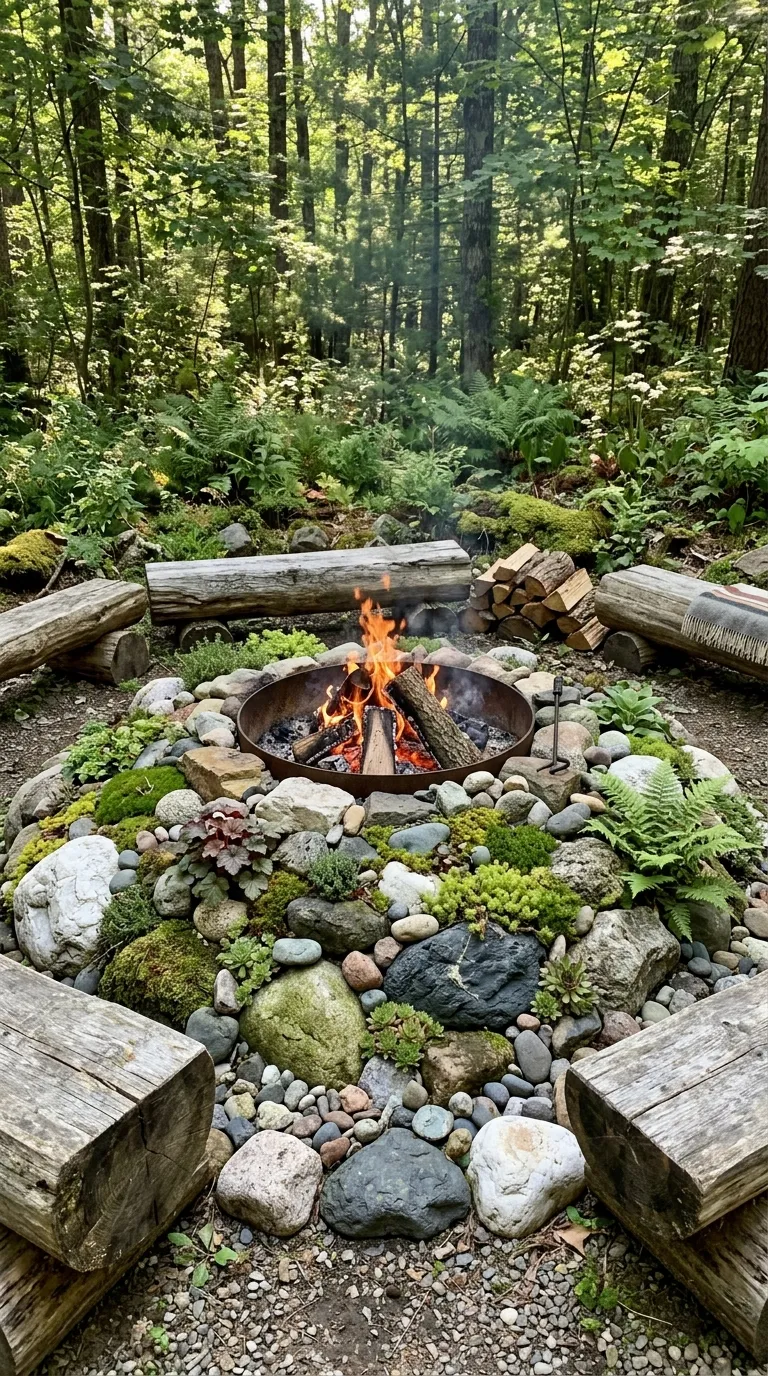
- Integrates the fire feature seamlessly into naturalistic landscaping schemes
- Low-maintenance rock gardens thrive with minimal watering or care
- Creates textural interest and visual complexity that evolves with seasons
- Natural drainage between rocks prevents water accumulation issues
- Attracts beneficial insects and small wildlife to your garden ecosystem
Surrounding your fire area with thoughtfully arranged rocks and alpine plantings creates a naturalistic setting that feels discovered rather than constructed. This approach works beautifully on sloped properties where traditional patios would require extensive grading and retaining walls. The varied rock sizes create natural seating at different heights while providing interesting textures that catch firelight in constantly changing ways.
I’ve seen rock gardens transform ordinary fire pits into destinations that people actually seek out because they’re simply pleasant places to be, fire or no fire. Tuck drought-tolerant sedums, hens-and-chicks, and creeping thyme between stones for splashes of color and softness. The rocks absorb heat during fire sessions and slowly release it, extending warmth. This style requires patience since natural arrangements can’t be rushed, but the result is a space that looks like it’s always been part of your landscape rather than an obvious addition.
Fire Pit Conversation Area
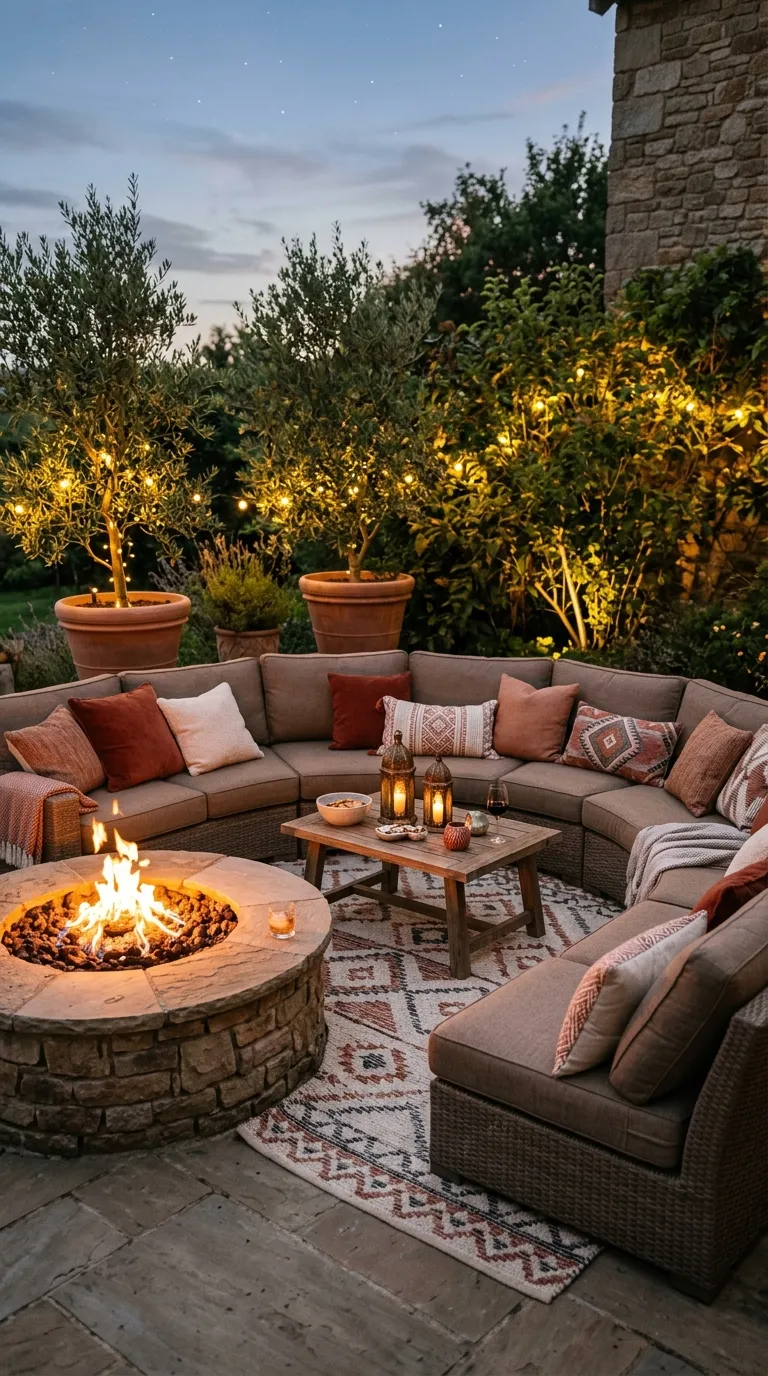
- Prioritizes comfort and conversation with furniture arranged for easy interaction
- Creates living room comfort levels that encourage people to linger longer
- Provides surfaces within easy reach for food, drinks, and comfort items
- Defines the space as specifically for gathering rather than just fire watching
- Elevates outdoor entertaining to match indoor hospitality standards
When you arrange seating as thoughtfully as you would in your finest indoor room, the outdoor space naturally becomes an extension of your home rather than an afterthought. Deep cushioned furniture invites people to settle in for real conversations instead of perching uncomfortably on hard surfaces. Including coffee tables or ottomans within the seating arrangement keeps everything accessible without requiring anyone to get up constantly.
That’s why professional designers always start with how people will actually use a space before worrying about decorative elements. Position seating close enough for normal conversation volume but with enough breathing room that people don’t feel crowded. I’ve found that curved or L-shaped sectionals work better than individual chairs because they create a more cohesive conversation zone. Add an outdoor rug to anchor the furniture grouping and absorb sound, making conversation easier. The goal is creating a space so comfortable that guests forget they’re technically outside.
Fire Pit With Water Feature
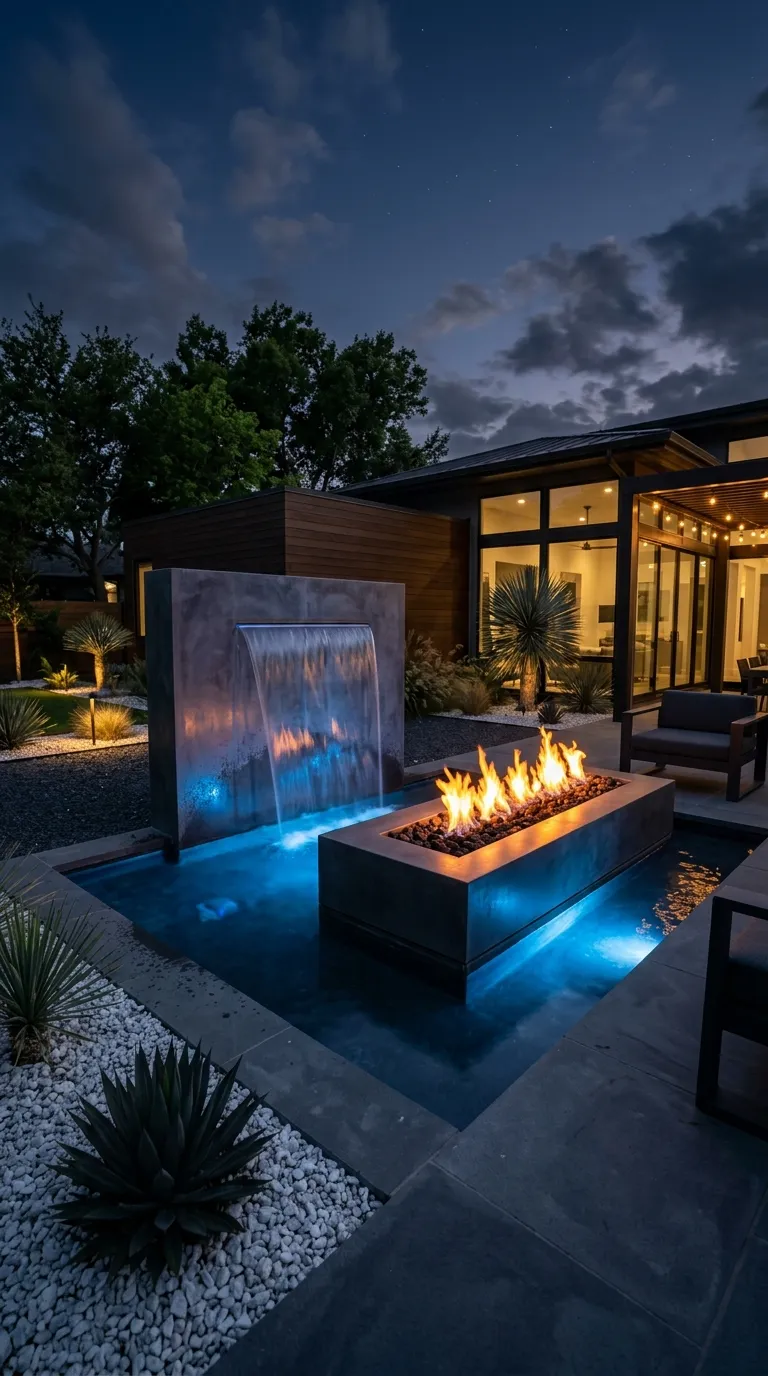
- Creates stunning visual drama through the contrast of opposing natural elements
- Produces soothing sounds from moving water that enhance relaxation
- Modern designs safely separate water and fire while maximizing visual impact
- Increases property value with high-end resort-style amenities
- Provides ambient noise that creates privacy in urban or close-neighbor settings
The dynamic interplay between fire and water creates mesmerizing focal points that guests can’t stop photographing. Beyond visual appeal, this combination engages multiple senses simultaneously—the warmth and crackle of fire balanced by the coolness and gentle sound of moving water. Modern engineering makes it completely safe to position these elements near each other using proper materials and professional installation that keeps electrical and gas systems appropriately separated.
In my experience, properties with this feature combination feel significantly more luxurious than those with either element alone. The water feature continues providing interest even when fire isn’t burning, which is especially valuable in areas with seasonal fire restrictions. LED lighting in and around the water adds another layer of customization, letting you adjust the mood from vibrant to subtle. The splashing water also increases air humidity slightly, which can make dry climates more comfortable and helps minimize how far smoke travels.
Brick Fire Pit
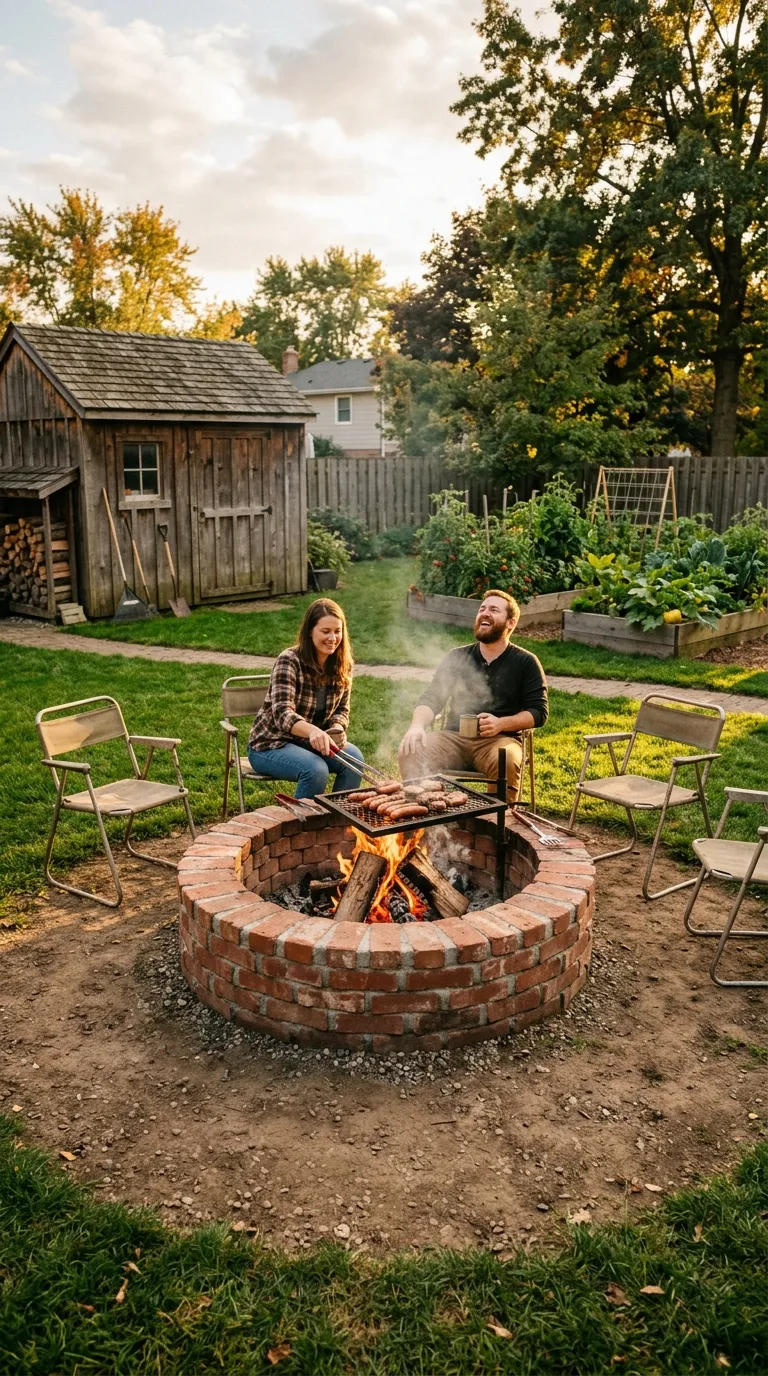
- Uses affordable, readily available materials perfect for DIY builders
- Classic look that suits traditional homes and cottage-style properties
- Bricks withstand high heat and last for decades with minimal maintenance
- Allows for cooking versatility with grates or tripods over wood fires
- Easy to find matching bricks if repairs are ever needed
The timeless appeal of brick construction brings a handcrafted, authentic quality that more modern materials sometimes lack. Brick’s texture and warm reddish tones complement greenery beautifully while adding permanence to your yard. The material is forgiving for DIY builders since slight irregularities in mortar joints actually add to the handmade charm rather than looking like mistakes, unlike more modern materials that demand precision.
I’ve noticed that brick fire pits develop beautiful patina over years of use, with subtle color changes and weathering that tell the story of countless gatherings. The modular nature of bricks means you can build circular, square, or even hexagonal shapes using the same materials. If you enjoy cooking outdoors, brick’s heat retention makes it excellent for maintaining steady temperatures for grilling or even primitive pizza baking. The classic look never goes out of style, ensuring your investment remains visually relevant even as outdoor design trends shift over the years.
Fire Pit On Hillside
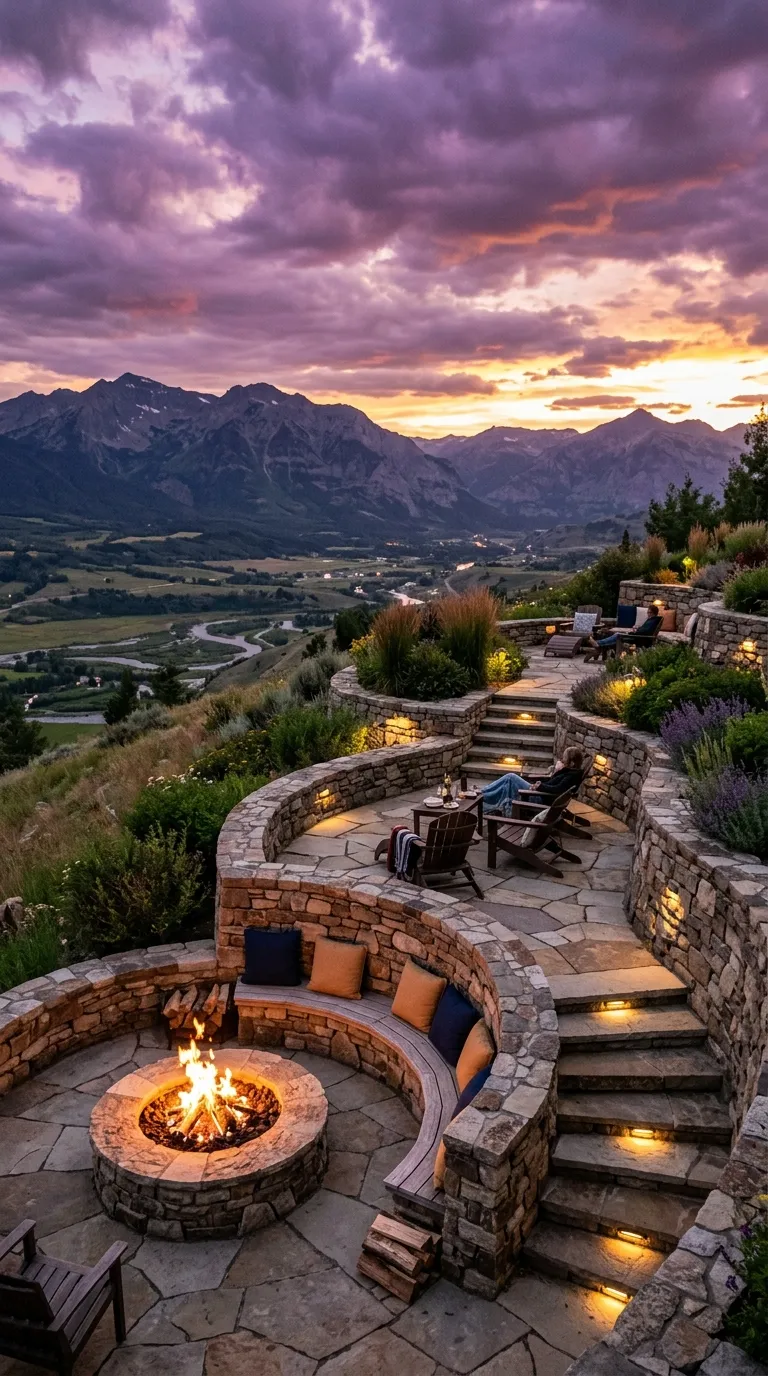
- Transforms challenging sloped terrain into dramatic multi-level entertainment spaces
- Creates natural theater-style seating with excellent views of fire and surrounding scenery
- Retaining walls add significant structural value while solving drainage issues
- Different levels provide options for larger gatherings with varied seating preferences
- Takes full advantage of property’s natural topography for unique character
Sloped properties that initially seem like obstacles actually offer incredible opportunities for memorable fire pit installations that flat yards simply cannot match. The elevation changes create natural separation between fire and seating areas, which provides better views and smoke management. Building into a hillside also provides wind protection that exposed flat areas lack, making fires more enjoyable and easier to maintain.
That’s why landscape architects get excited about hillside projects despite their complexity. The terracing required for stability creates bonus spaces perfect for plantings, lighting, or additional seating areas at various distances from the fire. I’ve seen these installations become the most-used spaces on properties because they offer something visually interesting from every angle and elevation. Professional installation is essential since retaining walls must handle significant soil pressure and drainage, but the result is a one-of-a-kind feature that showcases your property’s unique characteristics rather than fighting against them.
Gas Fire Pit Table
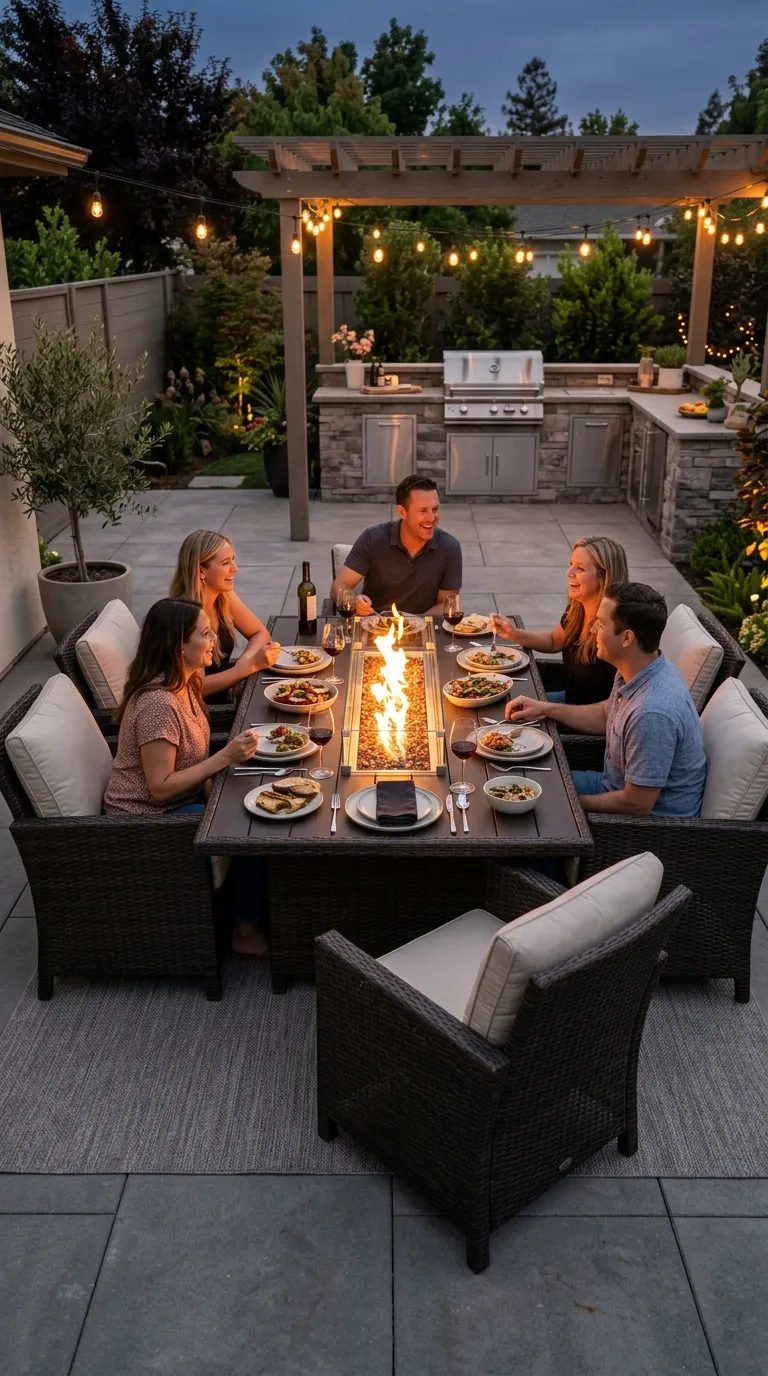
- Combines dining surface with fire feature for maximum space efficiency
- Extends outdoor dining season into cooler months with ambient warmth
- Gas fuel provides instant on-off control without smoke affecting food
- Often includes covers that convert fire area to solid table when not in use
- Creates restaurant-quality outdoor dining experiences at home
The multifunctional nature of fire pit tables makes them incredibly practical for yards where dedicated single-purpose features would consume too much space. You get a full dining surface for meals plus the ambiance and warmth of fire without dedicating separate areas to each function. Gas fuel is essential here since wood smoke would overwhelm food aromas and create ash that could contaminate dining surfaces.
In my experience, families with fire pit tables use their outdoor spaces far more consistently because the setup eliminates barriers to spontaneous outdoor meals. There’s no moving furniture or debating between dining and fire time—you simply enjoy both simultaneously. Look for tables with adjustable flame controls so you can create gentle ambiance during dinner without overheating guests. Many models include glass wind guards that protect flames while providing beautiful visual separation from the dining surface. The convenience factor means you’ll actually use this investment regularly rather than saving it for special occasions.
Enclosed Fire Pit Patio
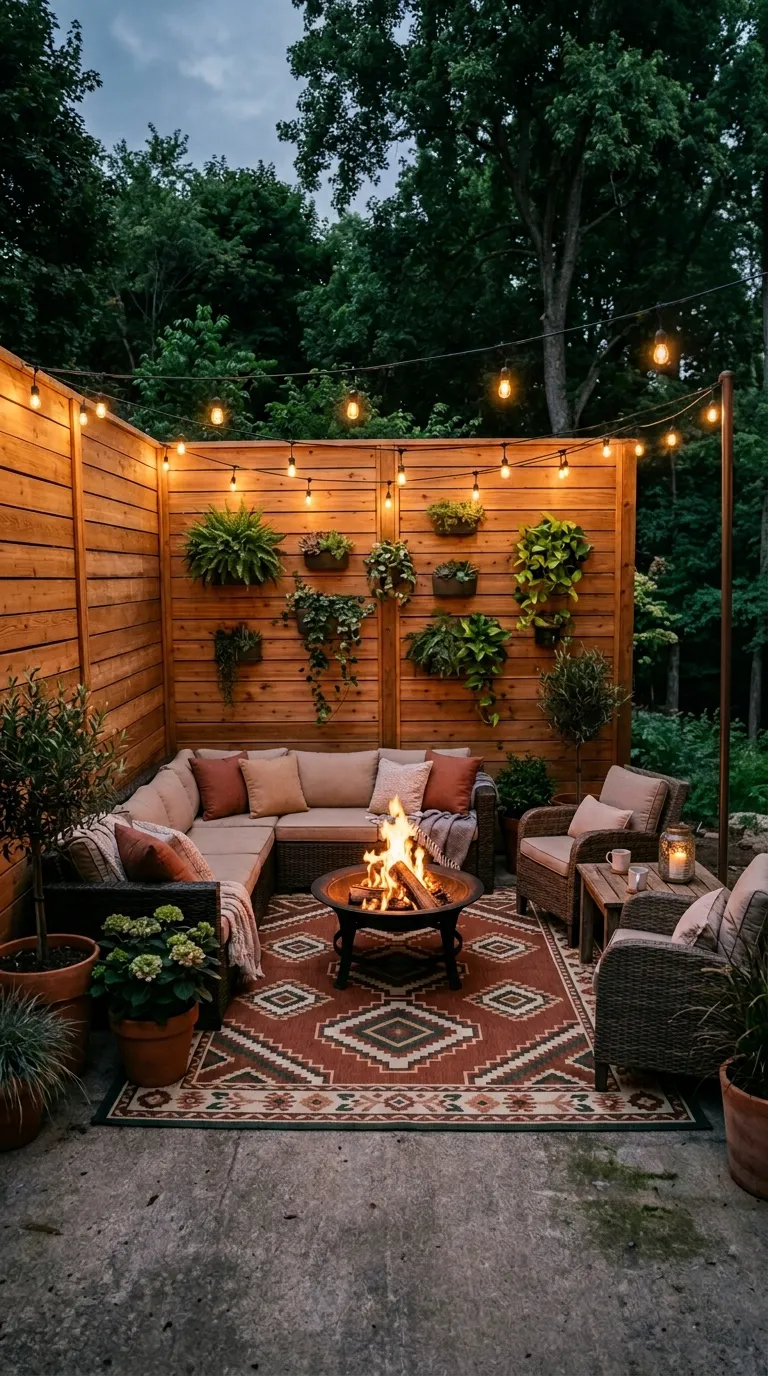
- Creates privacy from neighbors while defining your entertainment zone clearly
- Blocks wind that can make fires difficult to maintain and smoke unpredictable
- Establishes intimate atmosphere that feels protected and room-like
- Provides mounting surfaces for lighting, planters, and decorative elements
- Increases property value with finished architectural features
Enclosing your fire area transforms it from an exposed outdoor spot into a true outdoor room that provides privacy, comfort, and weather protection. The walls create psychological boundaries that make the space feel intentional and finished rather than just furniture placed on a patio. In urban or suburban settings with close neighbors, this privacy is invaluable for relaxed entertaining without feeling observed or self-conscious.
I’ve found that partial walls—leaving one or two sides open—provide the benefits of enclosure without feeling claustrophobic or trapping smoke. The vertical surfaces also significantly reduce wind, which makes maintaining fires easier and directs smoke upward more predictably. You gain mounting points for bistro lights, wall-mounted planters, or even outdoor artwork that personalizes the space. Material choices range from budget-friendly lattice to premium horizontal slat systems, but all create that essential sense of definition that turns yards into outdoor living rooms people actually want to spend time in.
Natural Stone Fire Pit
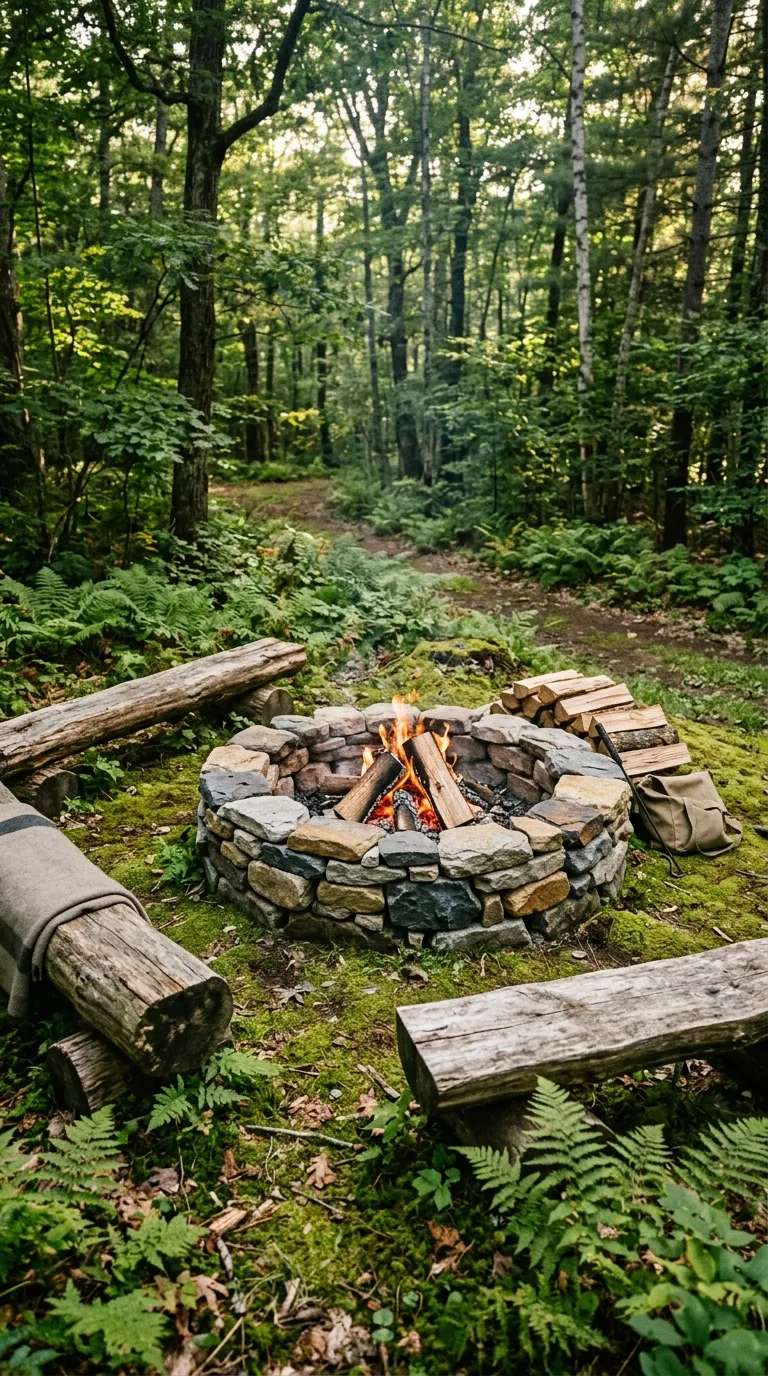
- Showcases nature’s own artistry with unique stone shapes and colors
- Blends seamlessly into natural wooded or lakeside properties
- Dry-stack construction allows for DIY installation without masonry skills
- Each stone’s individuality creates one-of-a-kind installations
- Ages beautifully as moss and weathering enhance the natural appearance
Working with natural fieldstone or river rock creates fire features that look like they’ve always been part of the landscape rather than recent additions. Each stone’s irregular shape means every installation is inherently unique, impossible to replicate exactly. The natural color variations within the stones themselves provide visual interest that manufactured materials try but fail to duplicate convincingly.
That’s why this approach works so beautifully on wooded properties or rustic getaways where blending with nature is the goal. Dry-stacking stones without mortar is actually easier for beginners than trying to achieve perfect mortar joints, though the structure requires careful fitting and a stable gravel base. I’ve noticed that these fire pits become natural gathering points for wildlife as well—birds perch on the stones, and beneficial insects make homes in the crevices, adding to the ecological value of your yard. The earthy tones warm up beautifully in firelight, creating an ancient, timeless quality that never feels dated.
Fire Pit Under Trees
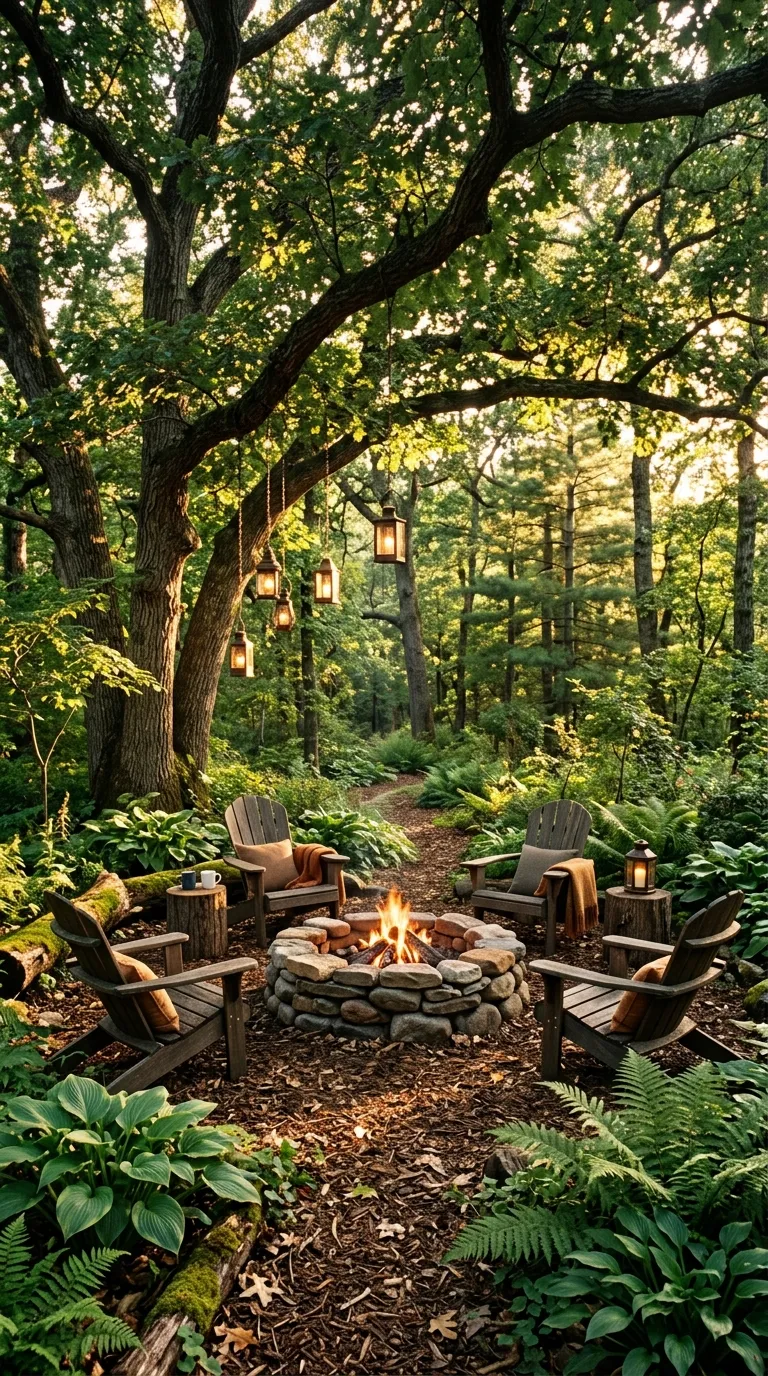
- Takes advantage of natural shade for comfortable daytime use of the area
- Mature trees provide natural windbreaks and atmospheric canopy
- Creates secluded, peaceful settings that feel private and retreat-like
- Falling leaves add seasonal interest and natural décor throughout the year
- Existing trees eliminate the wait for landscaping to mature around your feature
Positioning your fire area beneath established trees instantly creates the mature, settled feeling that newly installed landscapes take years to achieve. The tree canopy provides psychological shelter while allowing plenty of clearance for smoke to rise and dissipate safely. The dappled light filtering through leaves creates constantly changing patterns that add natural movement and interest even without a fire burning.
In my experience, placement under trees requires thoughtful positioning to maintain safe distances from trunks, low branches, and root zones while taking advantage of the natural beauty. Consult with an arborist if you’re uncertain about how fire heat might affect specific tree species or root systems. Keep flames a safe distance from overhanging branches—generally at least fifteen feet of vertical clearance is recommended. Use the fallen leaves seasonally as part of your décor rather than fighting them. The natural setting creates a genuine getaway feeling without leaving your property, making it a favorite retreat spot even during non-fire months.
Pea Gravel Fire Pit Zone
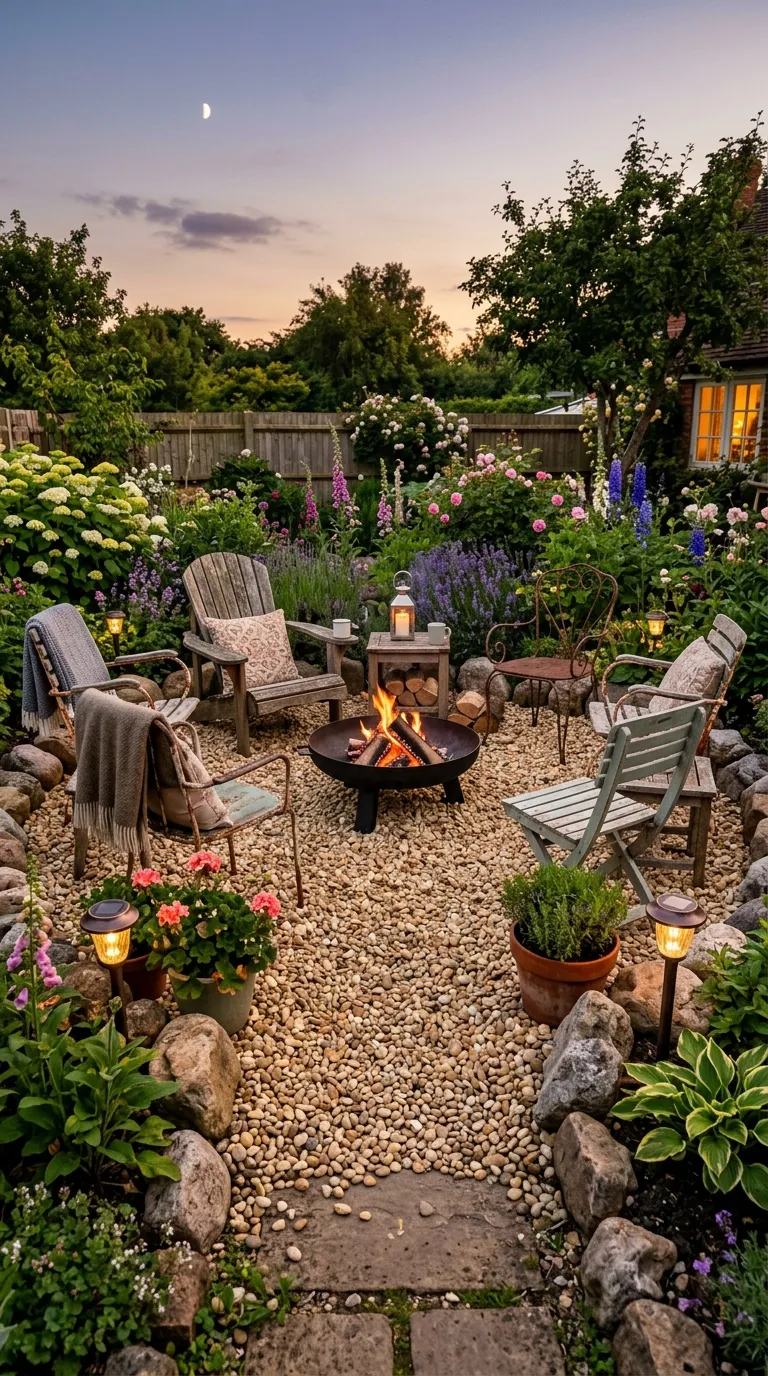
- Extremely affordable base material that drains perfectly after rain
- Easy DIY installation requires only landscape fabric and gravel spreading
- Soft underfoot and pleasant to walk on compared to harder paving
- Simple to refresh or expand by adding more gravel as needed
- Informal appearance suits cottage, farmhouse, and casual landscape styles
The gentle crunch of pea gravel underfoot adds a pleasant sensory element that hard paving simply cannot match. This economical material creates surprisingly polished-looking fire areas when contained with proper edging and combined with thoughtful furniture choices. The tiny stones shift and settle around chair and table legs, providing natural stability without requiring perfectly level installation like pavers or concrete demand.
I’ve found that pea gravel works especially well for DIYers or renters since it requires no permanent installation and can be removed or relocated if needed. The neutral colors complement virtually any furniture style and won’t compete with colorful plantings or fire pit designs. Maintenance is minimal—just rake smooth occasionally and top off with fresh gravel every few years. Using different stone sizes helps define zones within the fire area, perhaps finer gravel underfoot with larger decorative rocks as borders. The excellent drainage means the area is usable almost immediately after rain, unlike grass that turns muddy or pavers that puddle without proper grading.
Fire Pit With Outdoor Kitchen
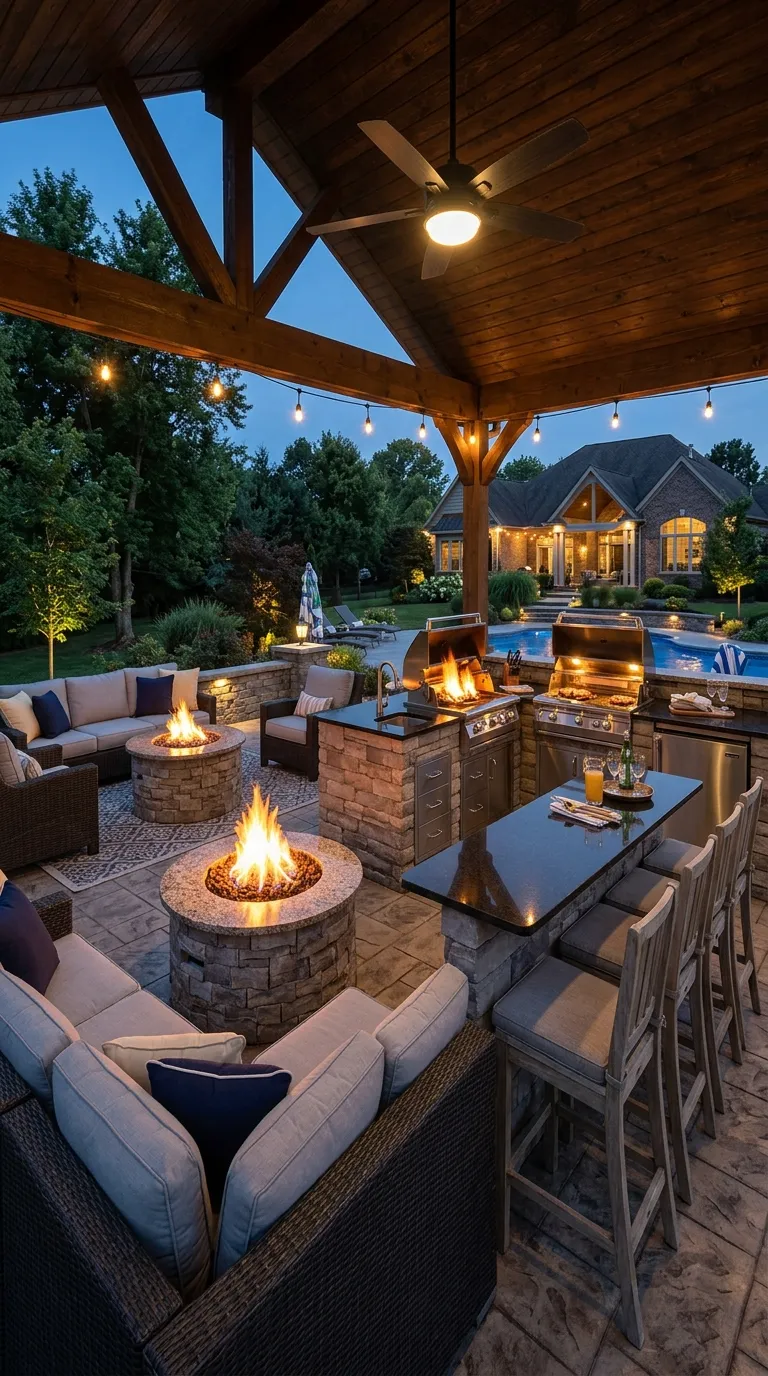
- Creates complete outdoor living suite that handles cooking, dining, and relaxing
- Coordinated materials and design create cohesive, high-end aesthetic
- Maximizes property value with multiple desirable outdoor amenities
- Allows hosts to cook while still engaging with guests around the fire
- Eliminates indoor-outdoor transitions that interrupt entertaining flow
Combining cooking with outdoor kitchen and fire features in a coordinated outdoor space creates the ultimate entertaining environment where hosts never feel isolated from their guests. This integrated approach treats your backyard like additional square footage of living space rather than just a yard with furniture. When materials, colors, and design elements coordinate across the cooking and fire areas, the entire space feels professionally designed and intentional.
That’s why high-end properties increasingly feature these combined outdoor rooms as standard amenities. The convenience of having everything in one zone—from food prep to cocktails to dessert by the fire—makes hosting gatherings genuinely enjoyable rather than logistically challenging. I’ve noticed that families with these setups entertain more frequently because the space handles everything effortlessly. Professional installation ensures proper utility routing for gas lines, electrical, and lighting so everything functions safely and conveniently. The investment pays off in both lifestyle enjoyment and resale value since complete outdoor living spaces have become highly sought-after features.
Simple Cinder Block Fire Pit
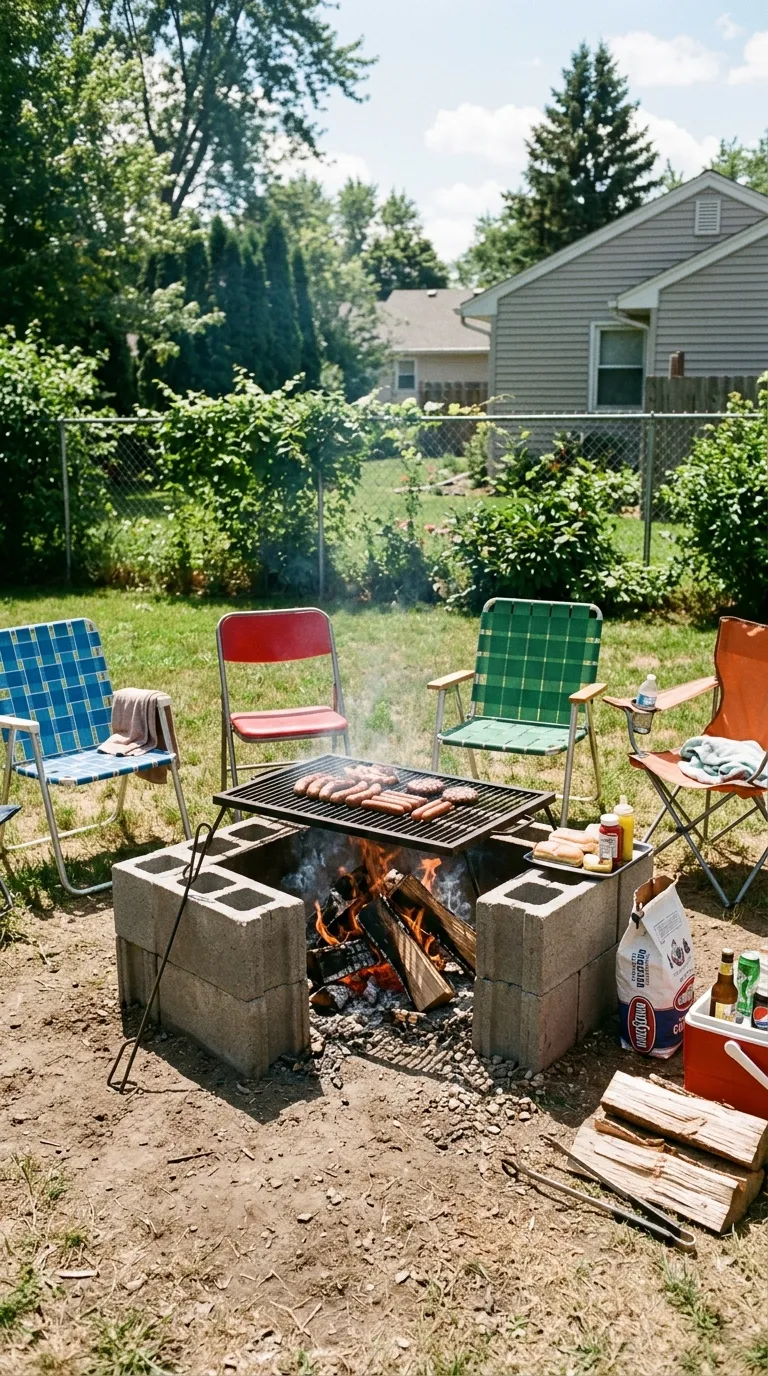
- Ultimate budget-friendly option costing minimal money to construct
- Easy weekend DIY project requiring no special tools or skills
- Modular blocks allow for customization and easy changes
- Functional design prioritizes practicality over fancy aesthetics
- Perfect for temporary setups or testing fire pit placement
Sometimes the simplest solution is exactly what’s needed, especially when you’re just starting with outdoor fire features or working with tight budgets. Cinder blocks are incredibly affordable, readily available at any home improvement store, and require absolutely no special knowledge to stack. You can create a functional fire pit in an afternoon without mixing mortar, cutting materials, or hiring professionals.
In my experience, these basic setups often serve families perfectly well for years before they consider upgrading to fancier permanent installations. The blocks withstand heat remarkably well and can be reconfigured or moved if you decide to change placement. Stack them two or three blocks high depending on your preference for seating height versus wind protection. The utilitarian appearance won’t win design awards, but it delivers everything essential—contained fire, stable structure, and safe burning—without unnecessary complications. This approach is especially smart for renters or anyone uncertain about long-term landscaping plans.
Fire Pit With Privacy Hedge
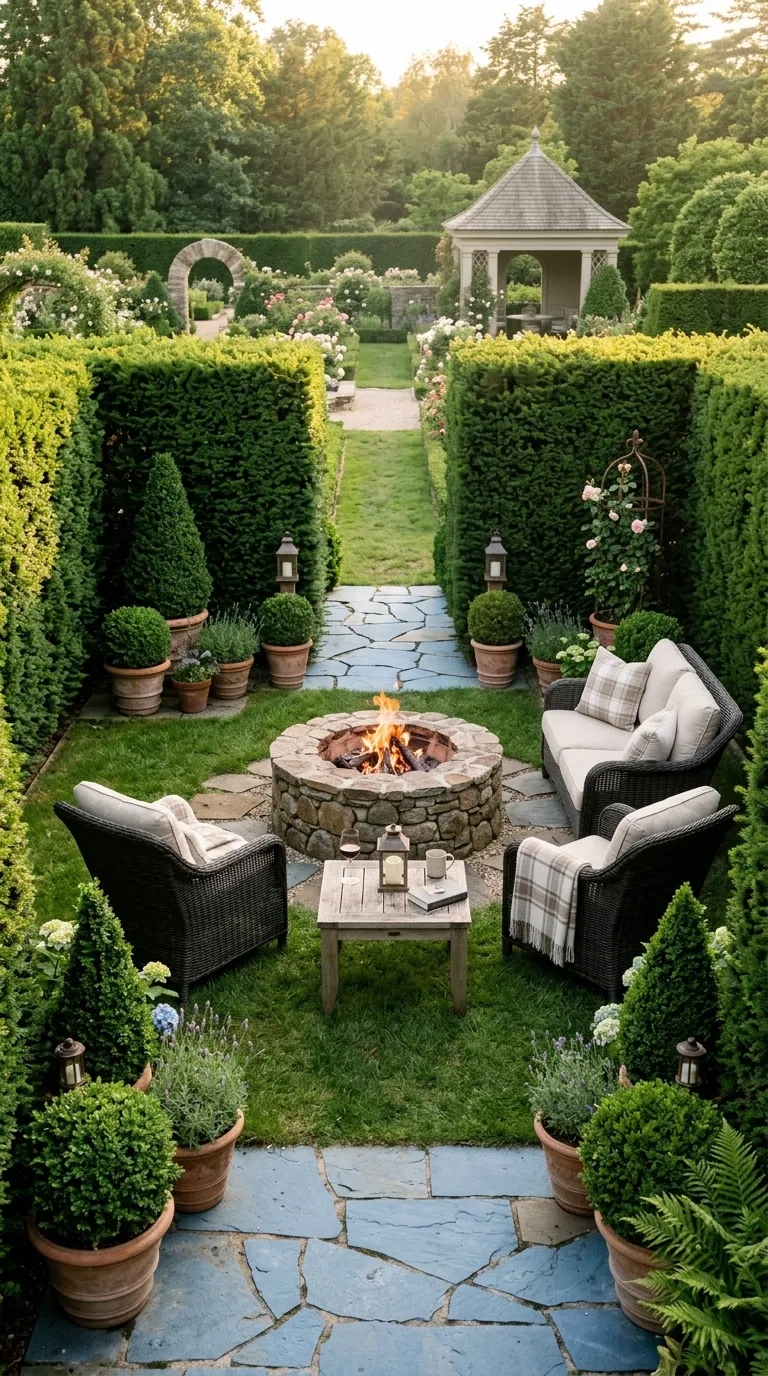
- Living walls provide natural privacy that improves air quality and supports wildlife
- Evergreen varieties maintain screening year-round without seasonal bare patches
- Creates elegant, garden room feeling with organic boundaries
- Hedges serve as natural windbreaks that improve fire performance
- Adds significant landscape value that increases with maturity over time
Using living plants as boundaries creates privacy that feels organic and garden-appropriate rather than imposing like solid fences or walls. Evergreen hedges maintain their screening power throughout the year, ensuring consistent privacy during winter fire sessions when deciduous plants would leave you exposed. The green walls also absorb sound, creating peaceful environments that feel removed from neighborhood noise and activity.
That’s why formal gardens and European-inspired landscapes have relied on hedge rooms for centuries. The approach requires patience since hedges take several years to reach mature screening height, but the payoff is permanent living architecture that enhances property value continuously. I’ve found that mixing hedge varieties adds textural interest while providing insurance against disease that might affect a single species. Regular trimming maintains neat shapes and encourages dense growth that maximizes privacy. The living boundaries also filter particulates from the air and produce oxygen, making your fire area healthier and more pleasant than spaces surrounded by lifeless materials.
Industrial Metal Fire Pit
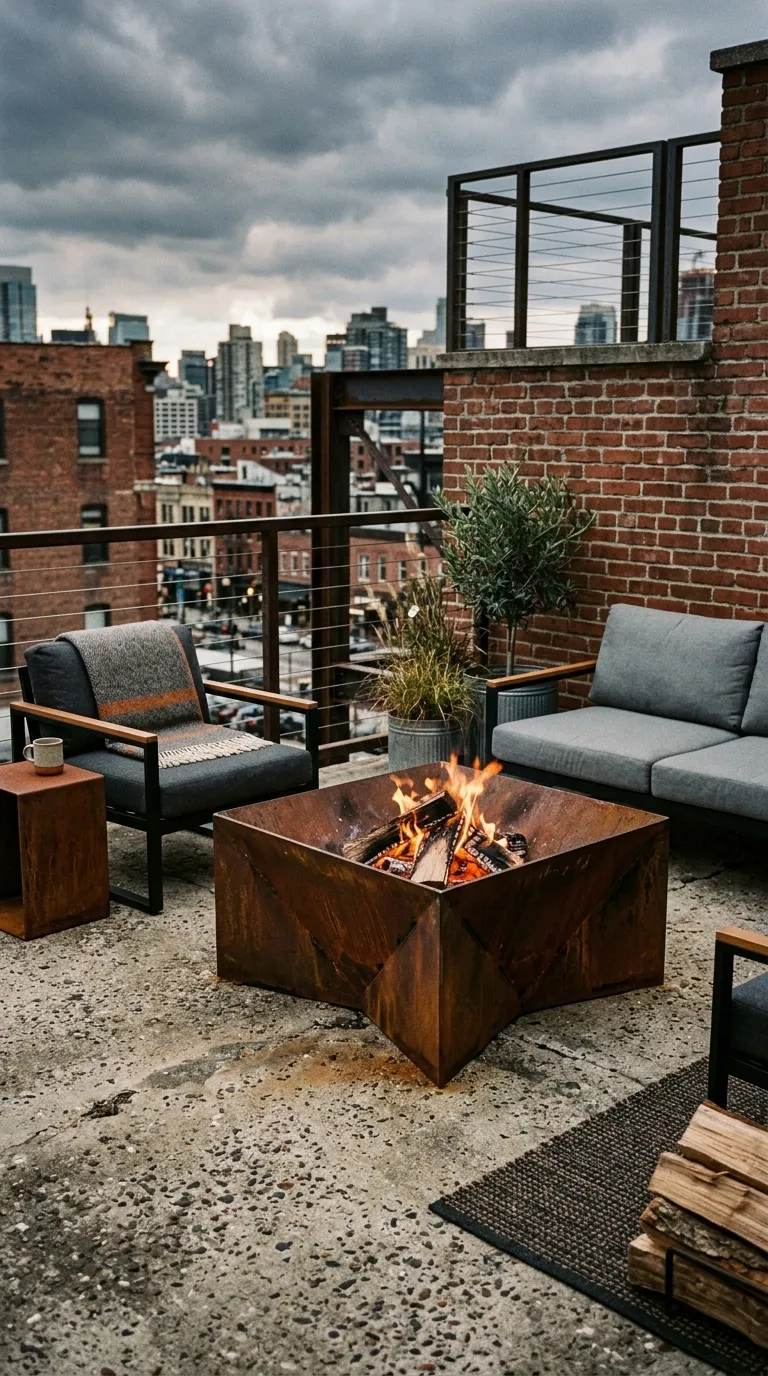
- Delivers bold modern statement perfect for contemporary and urban properties
- Raw steel develops beautiful rust patina that evolves over time
- Powder-coated options maintain specific colors while resisting weather
- Heavy-duty construction withstands years of use and weather exposure
- Pairs beautifully with modern architecture and minimalist design schemes
The bold presence of industrial metal fire pits makes them ideal focal points for contemporary spaces where traditional stone or brick would feel out of place. Raw steel’s tendency to rust is actually a design feature, not a flaw—the developing patina adds organic color variation and texture that makes each piece unique. The material’s strength allows for dramatic cantilevered designs and geometric shapes impossible with more brittle materials like concrete or stone.
In my experience, these modern metal designs appeal especially to urban dwellers and younger homeowners embracing industrial-chic aesthetics in their overall home design. The clean lines complement modern architecture’s emphasis on honest materials and functional beauty. Powder-coated versions offer specific color options from classic black to unexpected hues while preventing rust if that’s your preference. The substantial weight provides excellent stability without the bulk of masonry, making metal fire pits suitable for rooftop terraces or elevated decks where weight matters. Pair with equally minimal furniture and restrained plantings to create cohesive modern outdoor spaces.
Fire Pit Beach House Style
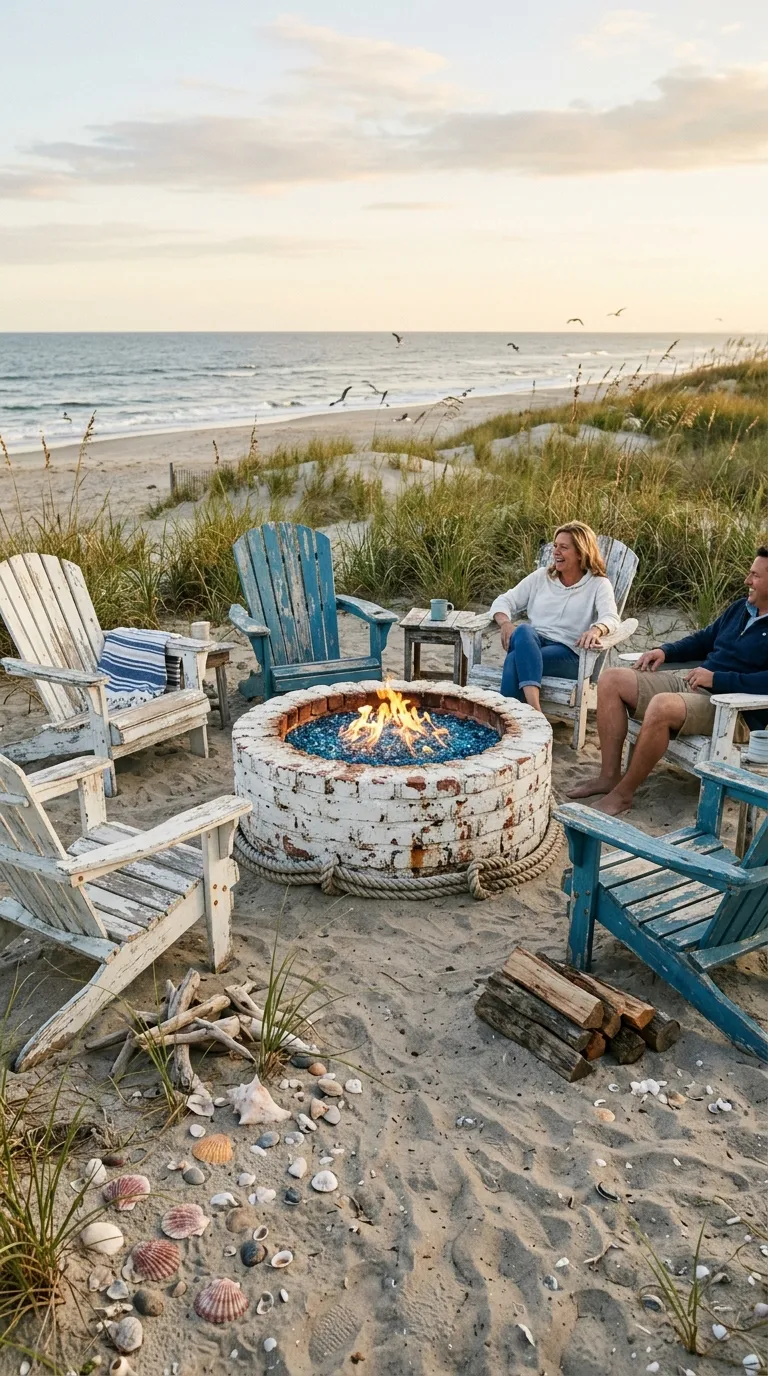
- Captures relaxed coastal aesthetic perfect for beach houses and lakeside properties
- Light colors reflect rather than absorb heat for comfort in sunny locations
- Natural elements like driftwood and shells personalize the space authentically
- Weathered finishes embrace the aging that coastal environments naturally cause
- Creates vacation-like atmosphere that promotes relaxation and stress relief
Coastal fire pit designs embrace the relaxed, sun-bleached aesthetic of shoreline living where weathered materials and natural elements create effortlessly beautiful spaces. Light colors dominate since they don’t absorb heat like dark materials, keeping surfaces comfortable even under strong sun. The casual, slightly worn appearance suits properties where sand, salt air, and weather naturally age everything—fighting that process would be futile and expensive.
I’ve noticed that successful beach house fire pits incorporate found objects and natural materials rather than fighting to maintain pristine conditions that coastal weather makes impossible. Collect driftwood, interesting shells, or smooth beach stones to personalize your fire area with genuine local character. Blue fire glass instead of logs creates a watery, oceanic effect that reinforces the coastal theme. The casual furniture arrangements and weathered finishes create spaces that feel immediately welcoming because there’s no pressure to keep everything perfect. Salt air and sun will age everything naturally, so choose materials that improve with weathering rather than deteriorate.
Fire Pit With Built-In Wood Storage
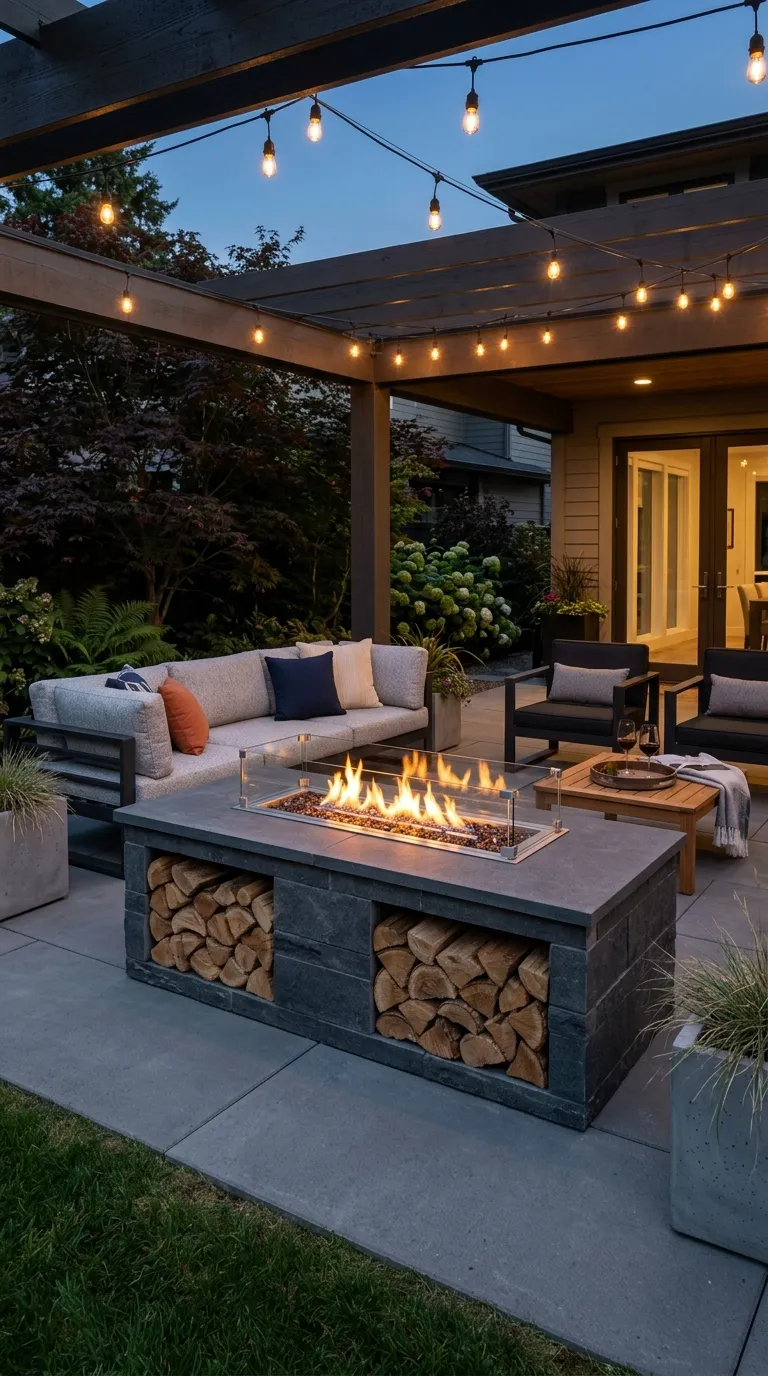
- Keeps firewood dry, organized, and immediately accessible when needed
- Adds visual interest and texture even when fire isn’t burning
- Eliminates unsightly wood piles that detract from landscape appearance
- Built-in design creates cohesive, professionally designed appearance
- Functions as decorative element showcasing neatly stacked wood
Integrating wood storage directly into your fire pit structure solves the practical problem of where to keep fuel while adding visual interest through the texture and pattern of stacked logs. Even if you use gas fuel primarily, decorative wood storage adds warmth and authenticity that makes the feature look like it’s genuinely used and loved. The built-in compartments keep wood protected from ground moisture and organized rather than piled haphazardly.
That’s why professional landscape designs increasingly include these functional storage elements as both practical features and decorative components. The horizontal lines of stacked wood complement modern architecture beautifully while adding organic texture that prevents cold stone or metal from feeling too stark. I’ve found that even families who primarily use gas enjoy having wood storage available for occasional wood-burning fires that provide traditional crackling sounds and aroma. Keep the storage stocked with neatly cut, similar-sized pieces for the most attractive appearance. The organized presentation signals care and intentionality that elevates your entire outdoor space.
Fire Pit With Colored Glass
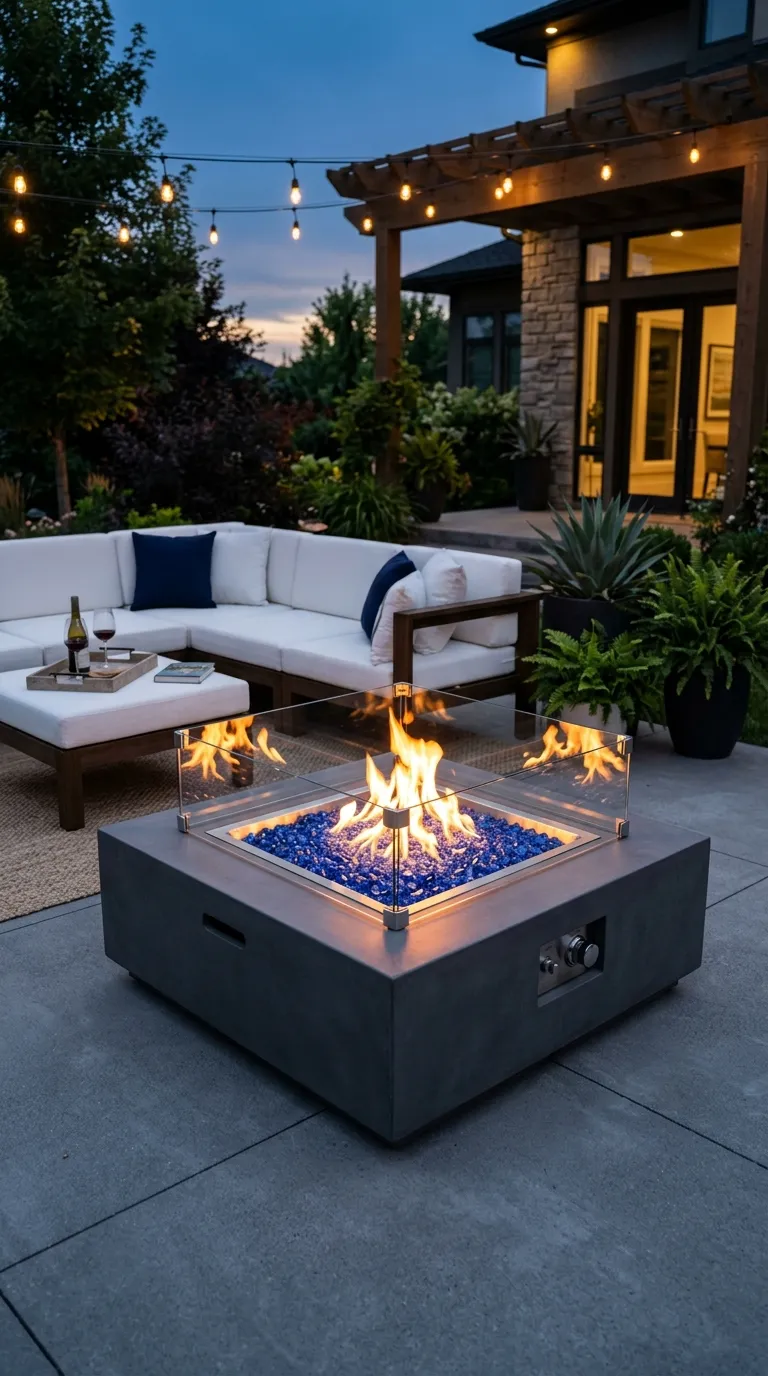
- Creates stunning visual impact with vibrant colors impossible with traditional fuel
- Reflective glass multiplies light and creates sparkling effects from every angle
- Requires no ash cleanup and stays permanently clean and attractive
- Available in countless colors from natural earth tones to vivid jewel shades
- Gas fuel provides instant control without smoke or ember concerns
Colored fire glass transforms functional fire pits into genuine design statements that look spectacular even when flames aren’t burning. The reflective surfaces catch and multiply light, whether from fire, sun, or landscape lighting, creating sparkle and visual interest throughout the day. The clean modern aesthetic suits contemporary spaces where wood or lava rock would feel too rustic or traditional.
In my experience, homeowners are consistently surprised by how much visual impact this simple material upgrade provides. The glass never deteriorates, discolors, or requires replacement unlike wood that burns or lava rock that degrades over time. Available colors range from subtle clear or amber to bold cobalt, emerald, or even mixed combinations that create custom looks. The glass works only with gas fuel, which provides the clean burning necessary to keep the glass looking pristine. Match the color to your home’s exterior, coordinate with outdoor cushions, or choose dramatic contrasts that make the fire feature the star of your yard.
Farmhouse Style Fire Pit
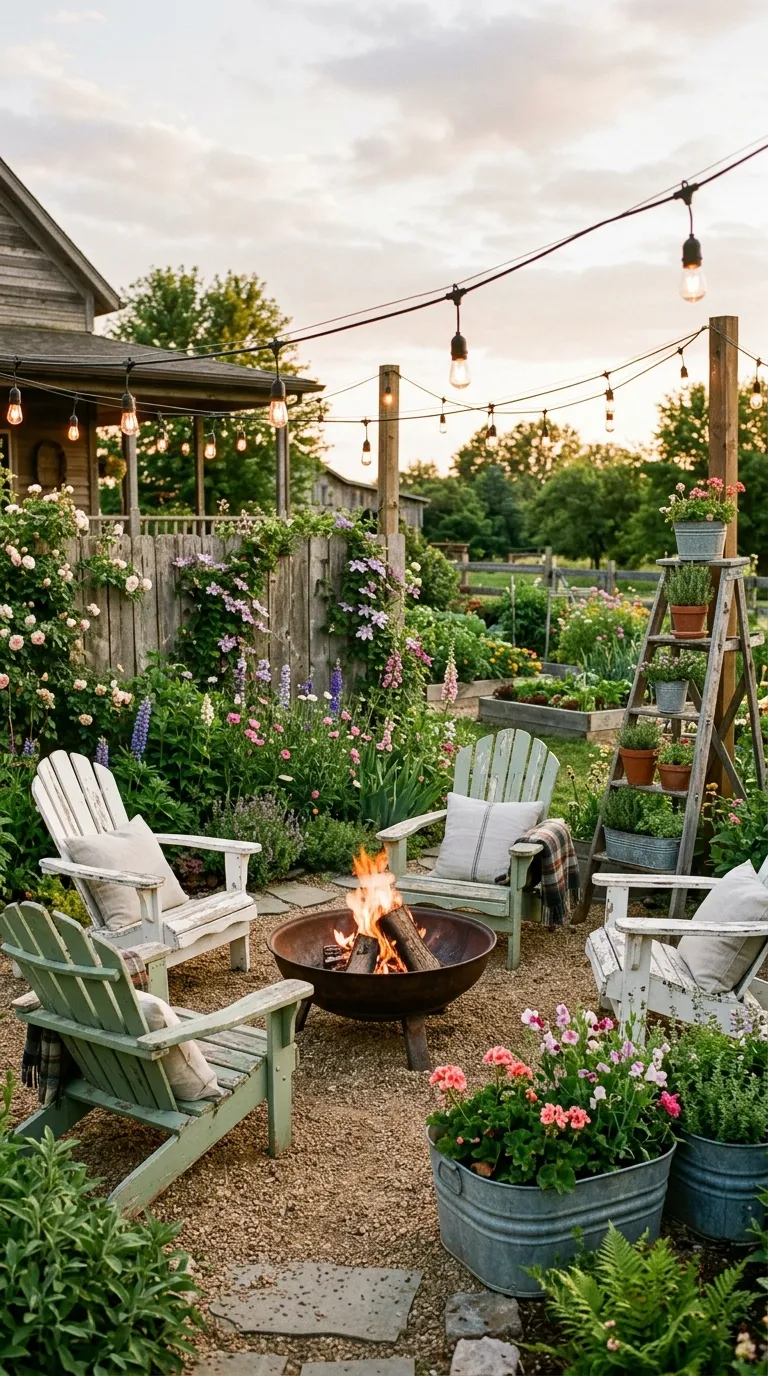
- Embraces vintage, collected-over-time aesthetic that feels personal and authentic
- Mismatched elements create charming, unstudied appearance full of character
- Repurposed materials and thrifted finds keep costs down while adding uniqueness
- Soft colors and weathered finishes create comfortable, welcoming spaces
- Perfect for gardens focused on edibles, cutting flowers, and cottage plantings
The farmhouse aesthetic celebrates imperfection and the beauty of well-used, well-loved objects gathered over time rather than purchased as matching sets. This approach creates fire pit areas with genuine personality that reflect your individual taste and history. Vintage finds and repurposed items give spaces stories and character that mass-produced new products simply cannot match.
I’ve noticed that farmhouse fire pits feel immediately welcoming because they don’t demand perfection or careful behavior from guests. The slightly worn chairs and vintage accessories suggest that comfort matters more than keeping everything pristine. Mix painted furniture in soft whites, grays, and muted pastels for that classic farmhouse palette. Incorporate galvanized metal, weathered wood, and vintage tools as functional decorative elements. The casual plantings of herbs, vegetables, and cottage flowers continue the productive, homestead aesthetic. This style invites lingering and encourages people to put their feet up, which is exactly what fire pit gatherings should feel like.
Multi-Level Fire Pit Deck
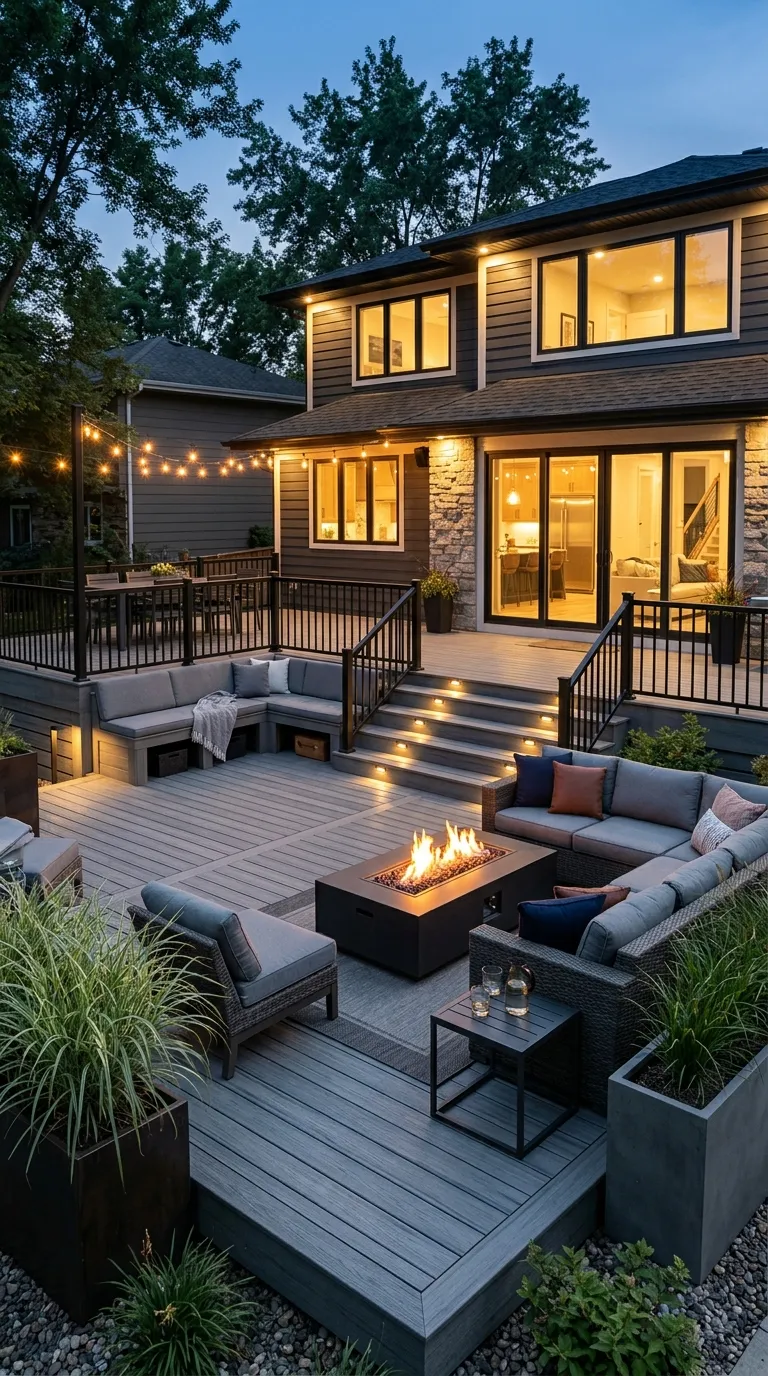
- Creates distinct zones for different activities without requiring separate structures
- Multiple levels add architectural interest and dimension to flat properties
- Built-in features maximize space efficiency on smaller lots
- Level changes provide natural seating and gathering opportunities
- Significantly increases usable outdoor living square footage
Multi-level decks transform simple flat platforms into dynamic outdoor living spaces with designated zones for cooking, dining, lounging, and gathering around fire. The elevation changes create visual interest from both inside the home looking out and from within the outdoor space itself. Built-in features like bench seating, planters, and lighting integrate seamlessly into the deck structure rather than looking like afterthoughts.
That’s why architects increasingly design outdoor spaces with the same spatial complexity as interior rooms. The different levels naturally separate activities without requiring walls or formal dividers that might feel too enclosed. I’ve found that positioning the fire pit on a lower level creates a cozy conversation pit effect while keeping smoke away from upper levels where you might have dining or food prep areas. Composite decking materials have improved dramatically, offering realistic wood appearances without the maintenance demands of natural lumber. Integrated lighting in stairs and railings provides safety while creating beautiful nighttime ambiance that highlights the deck’s architectural features.
Fire Pit With Hammock Zone
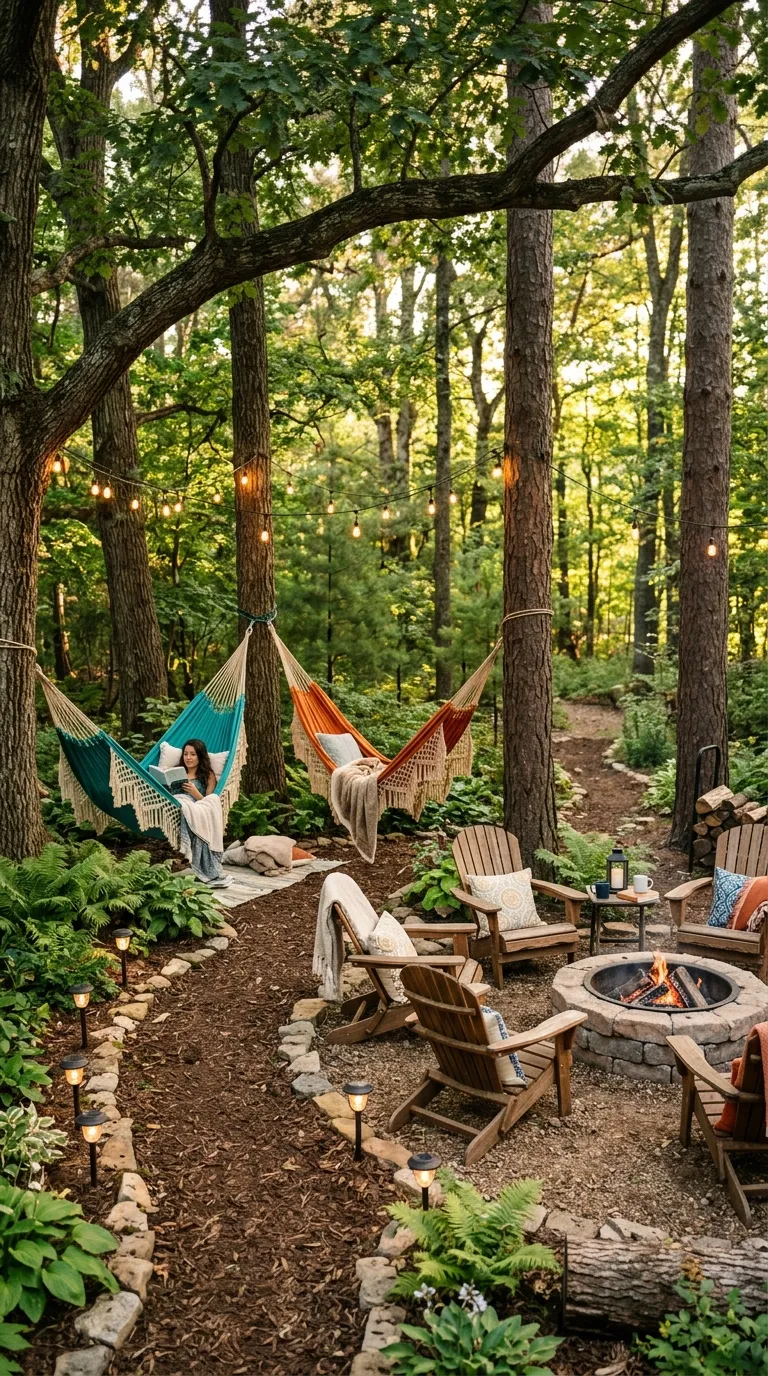
- Combines active fire gathering space with passive relaxation zone beautifully
- Creates complete outdoor retreat suitable for both social time and solo decompression
- Uses vertical space beneath trees that might otherwise go unused
- Appeals to various age groups from fire-loving adults to hammock-obsessed teens
- Extends the usability of your fire area into daytime hours with shade spots
Pairing a fire gathering space with nearby hammock relaxation zones creates complete outdoor environments that serve different moods and needs throughout the day. The hammocks provide daytime lounging spots with dappled shade while the fire pit becomes the evening focal point. This combination maximizes your property’s usability and gives family members options based on whether they’re feeling social or prefer quiet solo time outdoors.
In my experience, fire areas with adjacent hammock zones become all-day destinations rather than just evening spots. Kids and teens especially love having their own chill spaces within earshot but not directly in the adult conversation circle. Position hammocks close enough to feel connected but far enough that smoke doesn’t reach them. The overhead canopy of trees that supports hammocks also provides daytime shade for the entire area, making hot afternoons more comfortable. Add solar pathway lights so people can safely navigate between zones after dark. This creates a resort-like backyard retreat that offers genuine variety rather than single-purpose spaces.
Fire Pit With Outdoor Fireplace
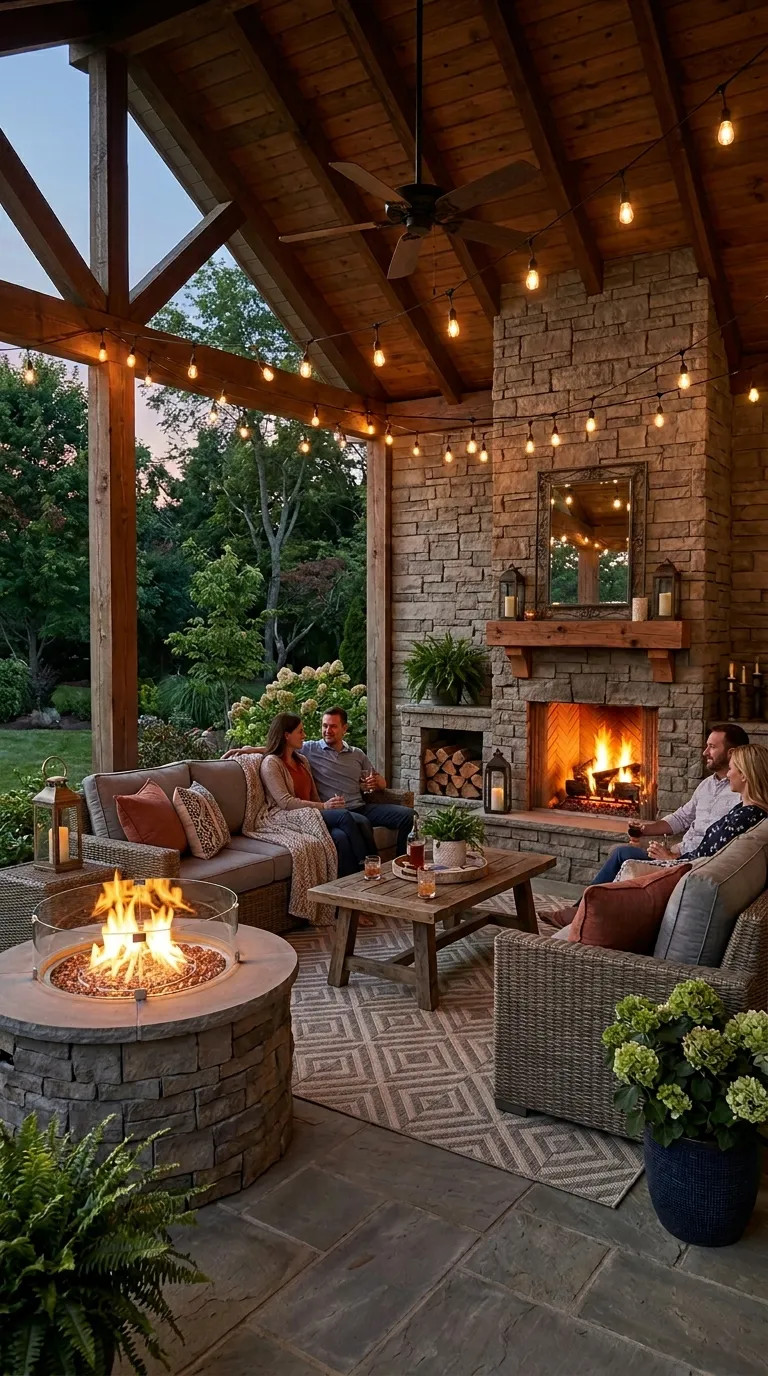
- Provides dual fire sources for maximum warmth and dramatic visual impact
- Vertical fireplace adds architectural height and grandeur to the space
- Creates true outdoor living room suitable for year-round use in many climates
- Doubles the fire viewing options depending on seating arrangement preferences
- Represents ultimate outdoor luxury that significantly increases property value
Combining a vertical fireplace with a fire pit creates the most complete outdoor living room possible, offering both the vertical drama of a traditional hearth and the 360-degree gathering appeal of a central fire feature. This dual approach provides maximum flexibility in how you use the space—casual gatherings around the pit or more formal arrangements facing the fireplace mantel.
That’s why luxury properties feature both elements when space and budget allow. The vertical fireplace provides efficient radiant heat in a specific direction, while the fire pit distributes warmth more evenly in all directions. I’ve seen families use the fireplace during cooler months for serious warmth and the pit during milder weather for ambiance. Both features should share coordinated materials and design elements to feel cohesive rather than competing. Professional installation ensures proper venting, gas lines, and safety compliance. The investment creates an outdoor space that genuinely extends your living area through multiple seasons, delivering exceptional return on investment in both lifestyle quality and property value.
Fire Pit With String Lights
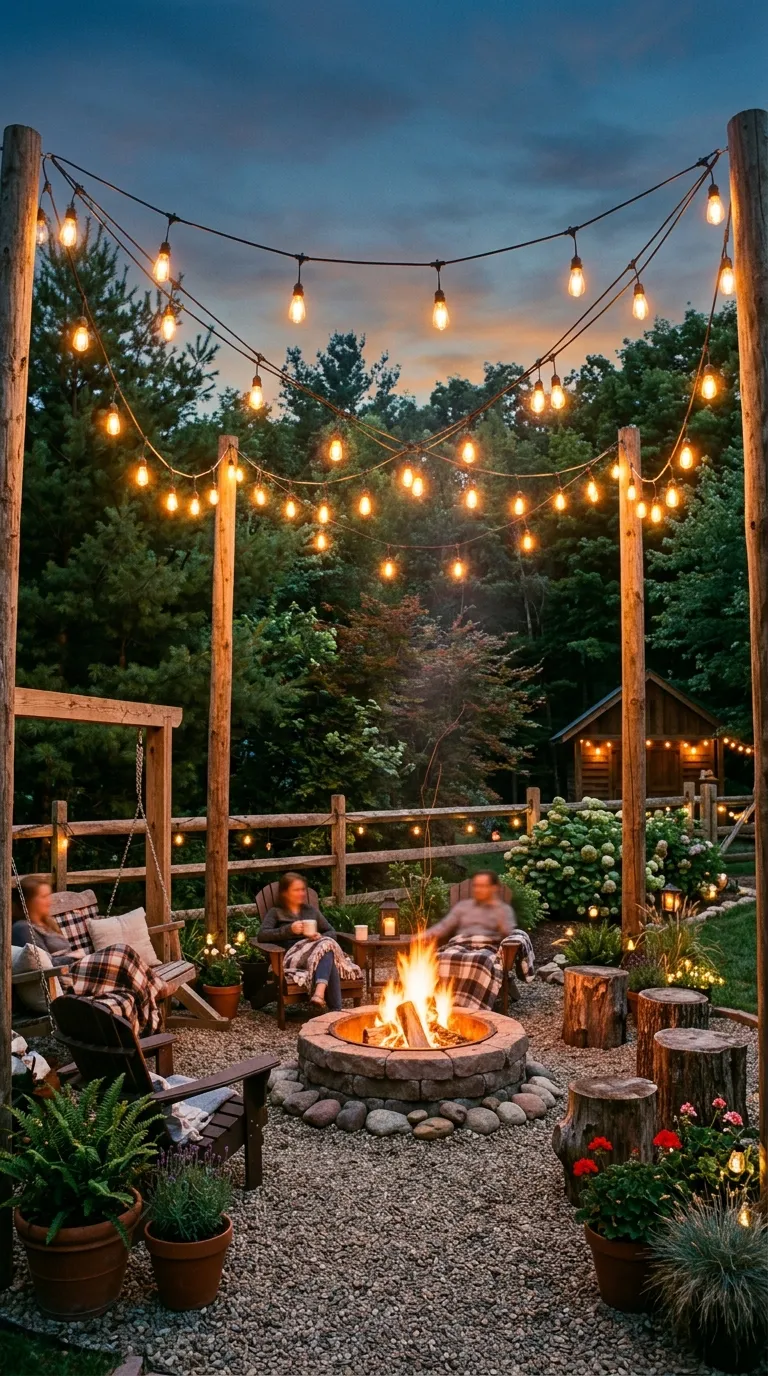
- Creates magical overhead canopy that defines space and adds romance
- Provides functional lighting for safety while creating beautiful ambiance
- Relatively inexpensive way to add major visual impact to basic fire areas
- Extends the usability of space during darker evening hours
- Easy DIY installation using posts, trees, or existing structures
String lights transform ordinary fire pit areas into enchanting destinations that feel special enough for celebrations yet casual enough for everyday use. The warm overhead glow creates a ceiling plane that defines your outdoor room without actually enclosing it, maintaining open-air freedom while providing psychological shelter. The combination of firelight below and string lights above creates layered illumination that’s both practical and beautiful.
In my experience, string lights are the single highest-impact, lowest-cost improvement you can make to outdoor spaces. Edison-style bulbs provide vintage charm while LED versions offer energy efficiency and years of maintenance-free use. Run lights between posts, across pergola beams, through tree branches, or along fence lines to create custom patterns. The lights serve double duty by providing enough illumination to safely navigate the area while creating festive atmosphere that makes ordinary weeknights feel like special occasions. This simple addition often convinces families to spend significantly more time outdoors since the space feels intentionally designed and welcoming.
Sunken Stone Fire Pit
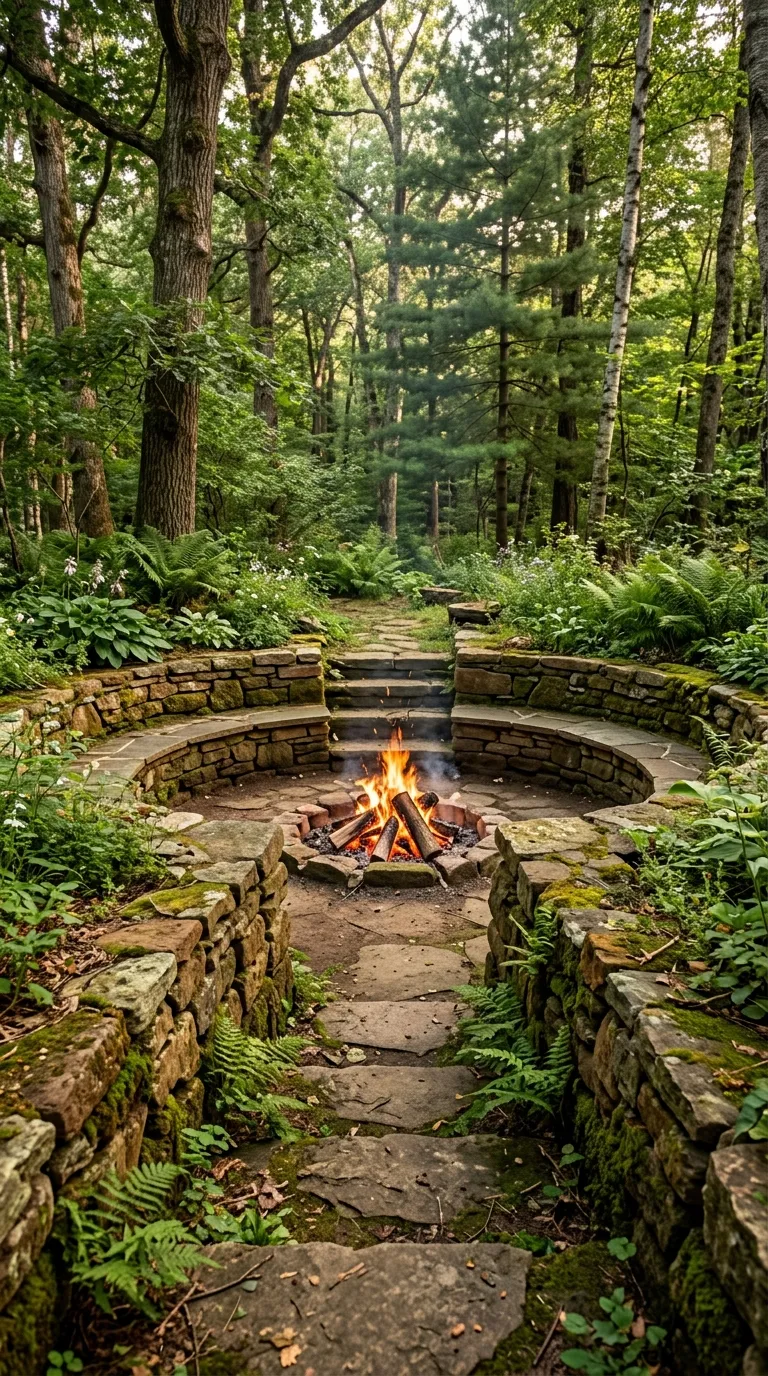
- Creates protected gathering space with natural wind resistance and intimacy
- Stone steps provide casual seating at multiple levels for varying group sizes
- Mossy stones blend seamlessly into natural woodland settings
- Sunken design contains light pollution and minimizes visual impact from distance
- Provides unique conversation space unlike typical ground-level installations
Sunken fire pits offer the drama of elevation change while creating intimate protected spaces that feel discovered rather than constructed. Stepping down into the fire area creates a subtle separation from the rest of your yard, making the space feel like a destination reached through a small journey. The lowered position protects against wind that plagues exposed fire pits, keeping flames steady and smoke rising predictably.
I’ve found that sunken designs work particularly well on wooded properties where blending into the natural landscape is desirable. The stone walls provide casual perching spots for guests who prefer not to commit to full seating, allowing groups to expand and contract naturally throughout an evening. Moss and weathering enhance rather than detract from the appearance, giving the installation an ancient, timeless quality. This approach does require professional excavation and drainage planning since water must be directed away from the sunken area. The result is a magical gathering spot that feels like something from a fantasy novel.
Fire Pit With Outdoor Curtains
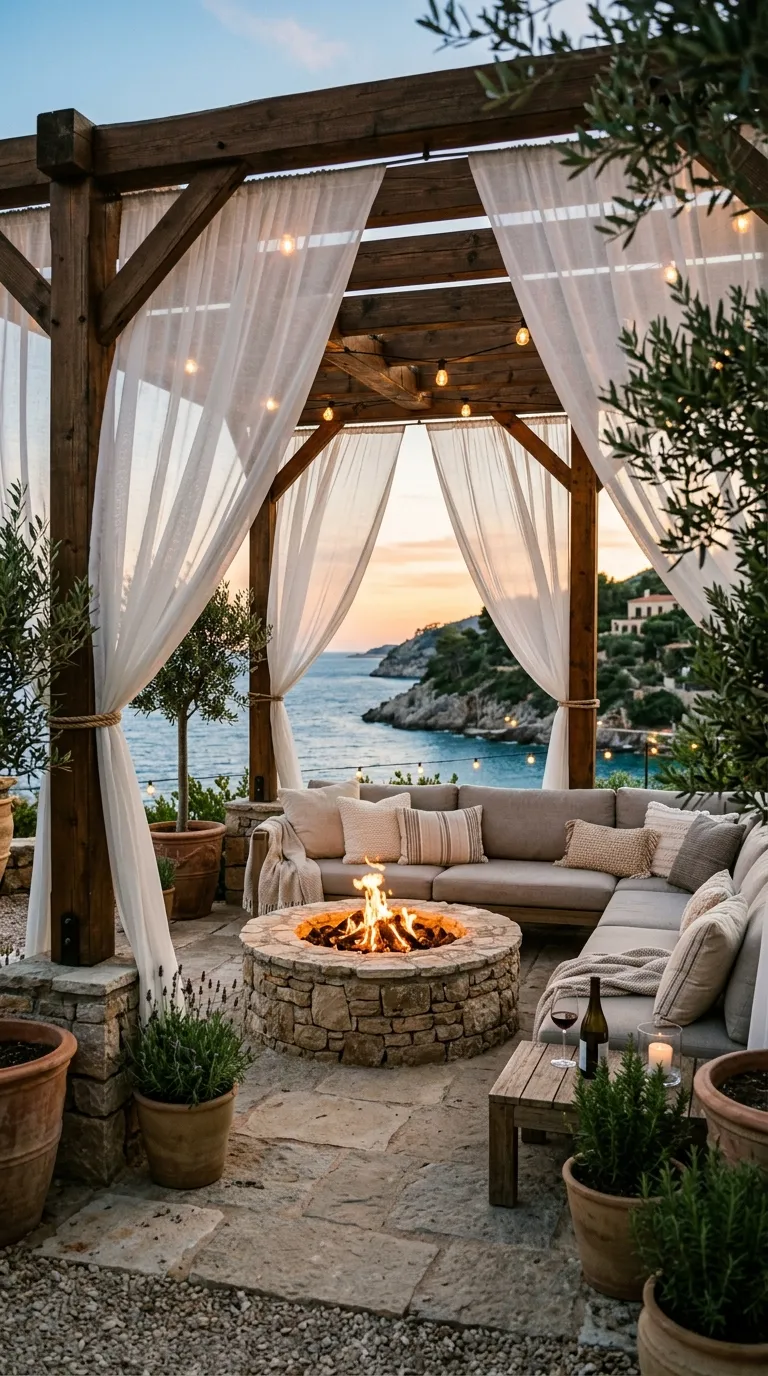
- Provides adjustable privacy and sun control that adapts to conditions
- Adds softness and movement that balances hard landscaping materials
- Creates elegant, resort-style aesthetic that feels luxurious and intentional
- Curtains filter harsh light while maintaining airflow on hot days
- Offers versatility to open completely or close for intimate gatherings
Outdoor curtains transform pergola-covered fire pits into flexible spaces that adapt to weather, privacy needs, and desired atmosphere. The flowing fabric adds vertical softness that balances the hard materials typically used in fire pit construction. Wind catches the curtains, creating gentle movement that adds life and interest to the space even when no one’s using it.
That’s why high-end resorts and hotels use curtained outdoor rooms to create luxury experiences that feel both sophisticated and relaxed. Choose weather-resistant outdoor fabrics that won’t mildew or fade, or embrace the impermanence of less expensive materials that you replace seasonally. White and natural tones provide classic elegance while darker colors create more dramatic effects. I’ve noticed that the ability to close curtains for privacy makes people feel comfortable using outdoor spaces more often since they’re not on constant display to neighbors. The fabric also provides surprising wind protection and privacy without the visual weight of solid walls. Add tiebacks in complementary materials for design continuity when curtains are open.
Fire Pit With Game Area
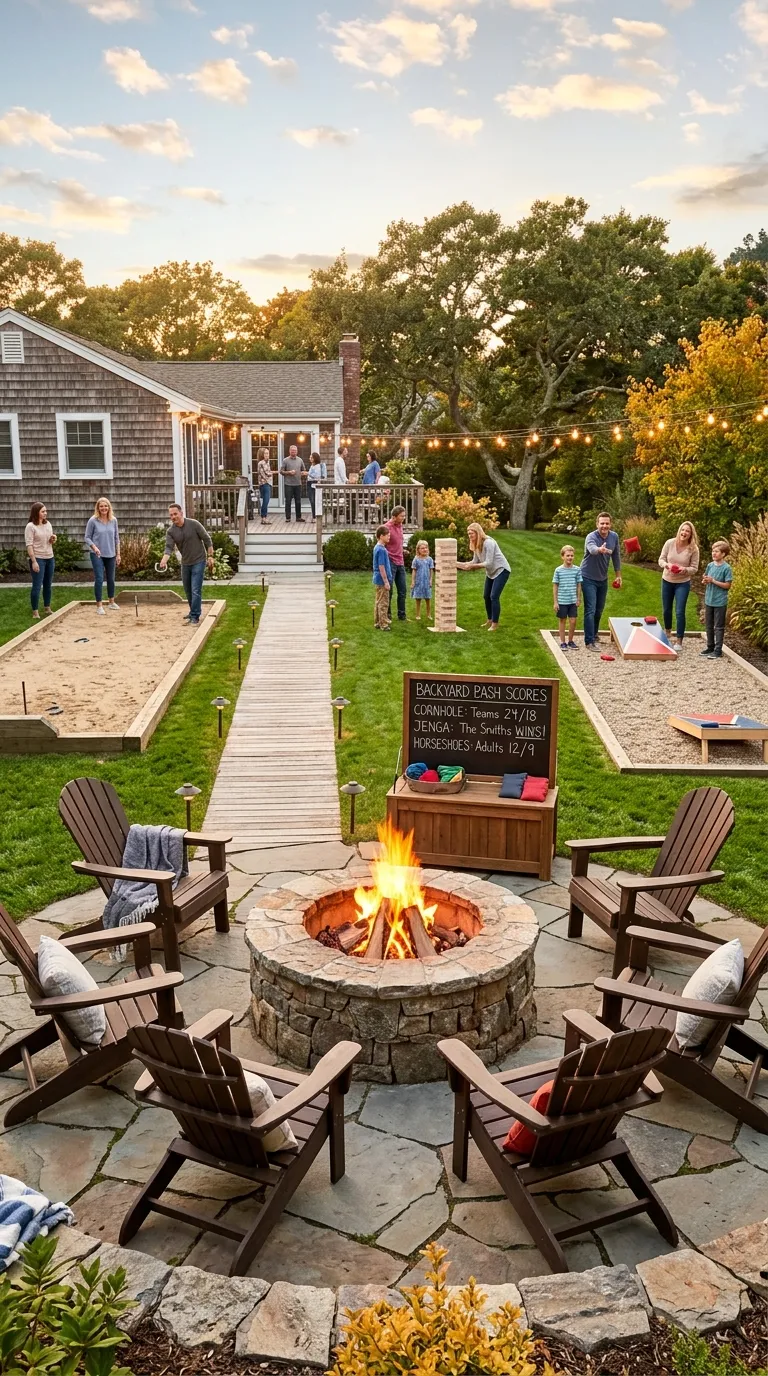
- Creates complete entertainment zone that appeals to all ages
- Keeps guests engaged during fire heating time with activity options
- Encourages movement and interaction beyond just sitting and talking
- Provides entertainment that works for both adults and children simultaneously
- Makes your backyard the neighborhood gathering spot for casual get-togethers
Pairing fire features with nearby game areas creates dynamic entertainment spaces where people have options beyond just sitting and staring at flames. The combination keeps energy levels up and gives guests natural reasons to move around, which often leads to more mixing and conversation than sedentary-only setups. Games also bridge awkward silences and help new acquaintances find easy common ground through friendly competition.
In my experience, backyards with built-in entertainment options get used far more frequently than those serving only one function. Position game areas close enough to the fire that players remain part of the gathering but far enough that active play doesn’t interfere with seated conversations. Lawn games like cornhole, bocce, or horseshoes work beautifully since they’re simple to understand, require minimal athletic ability, and allow spectators to watch while participating in conversations. Add storage for game equipment to keep everything organized and encourage spontaneous use. The investment in games costs relatively little compared to the dramatic increase in how often people choose to spend time in your outdoor space.