Ibuprofen for Migraines – How It Works, Dosage, and Fast Relief Tips
You’re in the middle of your day, maybe at work, maybe picking up the kids.
Then suddenly, it starts.
A dull throb behind one eye that quickly turns into a pounding, unbearable pain.
Light hurts. Sound hurts. Even thinking hurts.
You feel nauseous, dizzy, and all you want to do is crawl into a dark room and disappear.
If you’ve ever been through this, you already know the misery of a migraine.
And when it hits, you just want one thing: relief, and fast.
That’s where ibuprofen for migraines comes in.
It’s one of the most popular and widely available painkillers in the world.
You’ve probably got a bottle sitting in your medicine cabinet right now.
But does it actually work for migraines specifically?
How much should you take?
And how quickly can you expect relief?
These are the real questions people have, and today, we’re answering all of them.
At QuickDawa, we’re all about making medicine easy to understand.
So let’s break down everything you need to know about ibuprofen for migraines in simple, clear language.
No confusing medical jargon. Just honest, helpful information.
💊 What Is Ibuprofen?
Ibuprofen is a nonsteroidal anti-inflammatory drug, commonly called an NSAID.
It reduces pain, inflammation, and fever in the body.
Popular brand names include Advil, Motrin, and Nurofen.
It’s available over the counter in most pharmacies worldwide.
Doctors recommend it for headaches, muscle pain, toothaches, menstrual cramps, arthritis, and yes, migraines too.
🧠 Ibuprofen for Migraines – How Does it Help?
Let’s keep this simple.
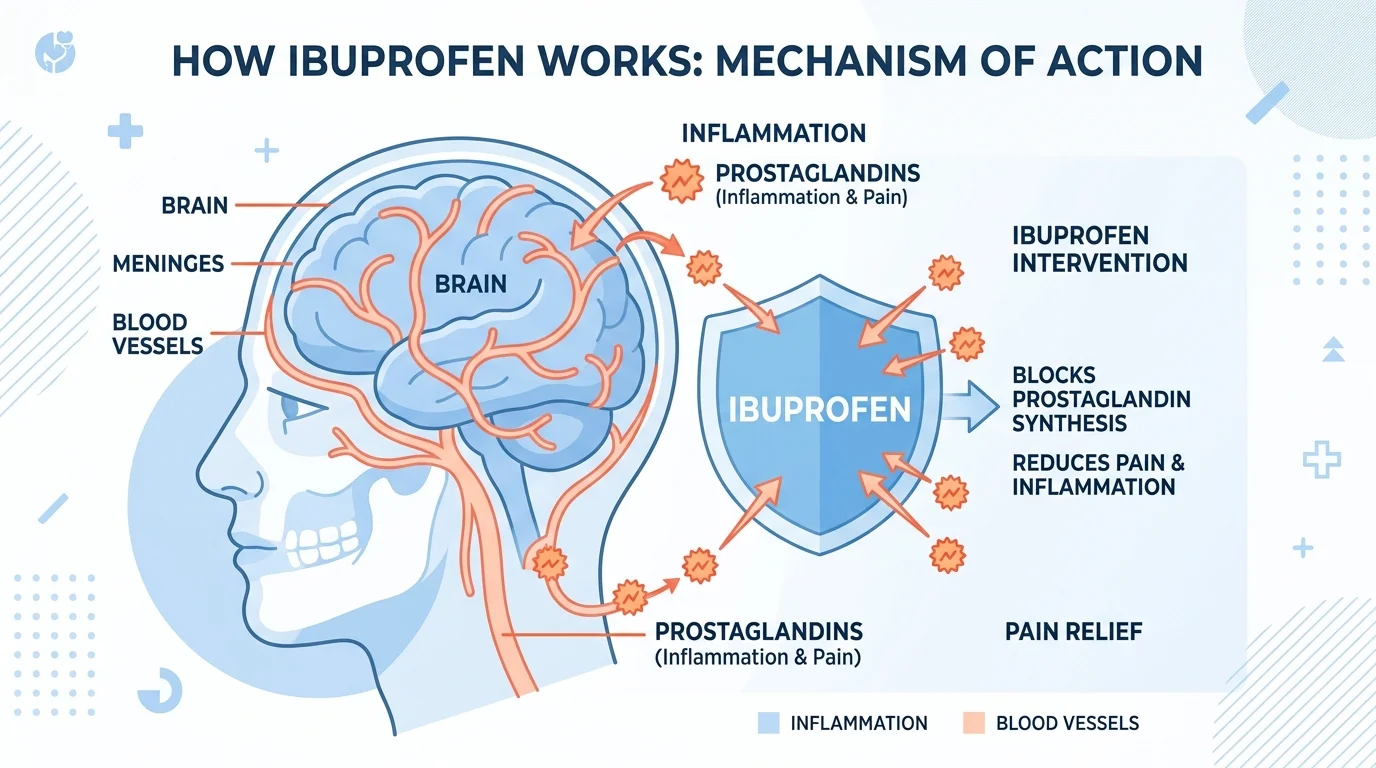
When a migraine attacks, your body releases chemicals called prostaglandins.
These little troublemakers cause inflammation and swelling around your brain’s blood vessels.
That swelling is a big part of why your head throbs so badly.
Ibuprofen steps in and blocks the enzymes (called COX-1 and COX-2) that produce prostaglandins.
Less prostaglandins means less inflammation.
Less inflammation means less pain.
It’s not a cure for migraines, but it’s a very effective tool for managing the pain and getting you through the episode.
Multiple studies have shown strong ibuprofen efficacy for headaches, especially when taken early during a migraine attack.
In fact, research published in medical journals confirms that a 400mg dose of ibuprofen provides meaningful migraine relief for many adults.
💡 Tension Headaches vs Migraines: Know the Difference
Before we go further, let’s clear up a common confusion.
Not every bad headache is a migraine.
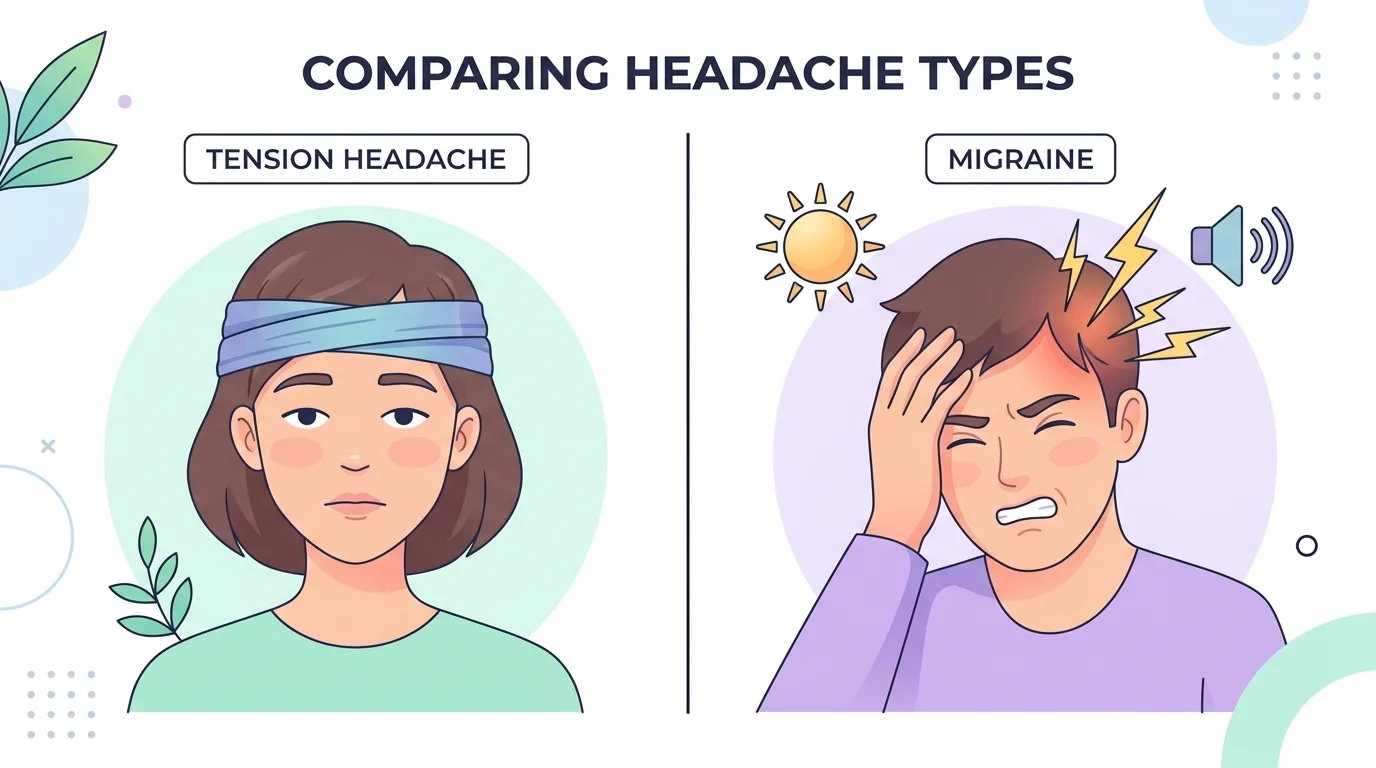
Understanding tension headaches vs migraines helps you treat them correctly.
Tension headache:
- Feels like a tight band squeezing around your head
- Usually mild to moderate pain
- Both sides of the head are affected
- No nausea or sensitivity to light
Migraine:
- Intense, throbbing pain, often on one side
- Can last 4 to 72 hours if untreated
- Comes with nausea, vomiting, or sensitivity to light and sound
- Sometimes preceded by visual disturbances called “aura”
Ibuprofen works for both types.
But if you’re getting true migraines regularly, it’s worth talking to your doctor about a specific treatment plan.
📏 Ibuprofen for Migraines – Dosage

Getting the dose right matters a lot.
Too little and it won’t touch the pain.
Too much and you risk unnecessary side effects.
Here’s the general guideline for adults:
- Recommended dose: 400mg at the first sign of a migraine
- Maximum single dose: 400mg (OTC)
- Maximum daily dose: 1200mg (OTC) or up to 3200mg (prescription, under doctor supervision)
- How often: Every 6 to 8 hours as needed
The golden rule? Take it early.
The sooner you take ibuprofen after your migraine symptoms begin, the better it works.
Waiting until the pain is at full force makes it much harder for the medicine to catch up.
For children and teens, the dosage is different and is based on body weight.
Always check with a doctor or pharmacist before giving ibuprofen to anyone under 18 for migraines.
⏱️ How Fast Does Ibuprofen Work for Migraines?
This is probably the question on your mind right now.
When you’re curled up in pain, every minute feels like an hour.
Here’s the good news about the speed of migraine relief with ibuprofen:
- You can start feeling some relief within 20 to 30 minutes
- Peak pain relief usually hits around 1 to 2 hours after taking it
- The effects generally last 4 to 6 hours
A few things can affect how quickly it kicks in:
- Empty stomach: Works faster because there’s nothing slowing down absorption
- Full stomach: Takes longer, but also gentler on your stomach lining
- Liquid gel capsules: Often absorb faster than regular tablets
If you need the fastest possible relief, liquid gel versions of ibuprofen tend to work a bit quicker.
But even standard tablets do a solid job when taken early in the migraine.
⚠️ Side Effects to Watch Out For
Ibuprofen is generally safe for most people when used correctly.
But like every medicine, it comes with potential side effects.
Common side effects:
- Stomach upset or mild nausea
- Heartburn or indigestion
- Dizziness
- Bloating or gas
Less common but serious side effects:
- Stomach bleeding or ulcers (especially with long-term use)
- Kidney problems
- Increased blood pressure
- Allergic reactions like rash, swelling, or difficulty breathing
Important warnings:
- Don’t take ibuprofen on a completely empty stomach regularly. It can irritate your stomach lining over time.
- Don’t exceed the recommended dose.
- Avoid using ibuprofen daily for migraines for more than 10 days without talking to your doctor.
- Overusing painkillers can actually cause medication overuse headaches, which is the opposite of what you want.
🩺 When to Call Your Doctor
Sometimes, a migraine needs more than an OTC painkiller.
Here are clear signs that you should stop self-treating and call your doctor right away:
- Your migraines happen more than 4 times a month
- Ibuprofen stops working or barely takes the edge off
- You notice new symptoms like vision changes, confusion, weakness, or trouble speaking
- Your migraine comes with a high fever or stiff neck
- The headache is the worst you’ve ever experienced and came on suddenly
- You’re using ibuprofen or other painkillers more than 2 to 3 days per week
- You’re pregnant, breastfeeding, or have kidney or heart problems
Don’t ignore these signs.
Frequent migraines can sometimes point to underlying conditions that need proper evaluation.
Your doctor might prescribe specific migraine medications called triptans or recommend preventive treatments.
At QuickDawa, we always say this: OTC medicine is helpful, but your doctor is your best partner in health.
🌟 Tips to Make Ibuprofen Work Better for Migraines

Want to get the most out of your ibuprofen dose?
Here are some practical tips from health experts:
- Take it at the first sign of a migraine. Don’t wait for the pain to become severe. Early treatment is the single biggest factor in the speed of relief.
- Drink a full glass of water with it. This helps your body absorb the medicine and keeps you hydrated, which also helps with migraines.
- Rest in a dark, quiet room. Combine the medicine with rest for the best results.
- Apply a cold compress to your forehead or the back of your neck.
- Avoid screens and bright lights while you’re recovering.
- Consider pairing with caffeine (a small cup of coffee or tea). Studies show caffeine can boost ibuprofen’s effectiveness for headaches. But don’t overdo it.
These small steps can make a real difference in how fast and how well your migraine responds to treatment.
🙋 Frequently Asked Questions (FAQ)
Q: Can you take ibuprofen with acetaminophen for migraines?
A: Yes, you can. Ibuprofen and acetaminophen (Tylenol) work differently, so they can be taken together safely for stronger relief. However, always follow the recommended doses for each and check with your pharmacist first.
Q: How long does ibuprofen take to work for a migraine?
A: Most people feel relief within 20 to 30 minutes. Full pain relief usually peaks around 1 to 2 hours after taking a 400mg dose. Liquid gels may work a bit faster than regular tablets.
Q: Is ibuprofen safe for migraines during pregnancy?
A: Ibuprofen is not recommended during pregnancy, especially in the third trimester. It can cause complications for both the mother and the baby. Always talk to your OB-GYN about safe migraine treatments during pregnancy.
Q: Ibuprofen vs Excedrin for migraines: which is better?
A: Both are effective. Excedrin Migraine contains acetaminophen, aspirin, and caffeine, which works well for many people. Ibuprofen is a single-ingredient NSAID that’s gentler in some ways. The “better” choice depends on your body, your health history, and what your doctor recommends.
Q: Can ibuprofen cause rebound headaches if used too often?
A: Yes, it can. Using ibuprofen or any painkiller more than 2 to 3 days a week regularly can lead to medication overuse headaches (rebound headaches). If your migraines are that frequent, talk to your doctor about preventive options instead.
🌐 Sources and External References
Here are trusted medical sources where you can learn more about ibuprofen and its use for migraines:
- FDA Drug Label for Ibuprofen
- MedlinePlus: Ibuprofen
- Drugs.com: Ibuprofen Full Information
- WebMD: Ibuprofen Oral Uses and Side Effects
- Mayo Clinic: Ibuprofen (Oral Route)
- RxList: Ibuprofen Drug Information
🏁 Final Thoughts: Your Migraines Don’t Have to Win
Living with migraines is tough. Really tough.
But having the right information can make a world of difference.
Ibuprofen is a safe, affordable, and effective option for managing migraine pain when used correctly.
Take it early, take the right dose, stay hydrated, and rest.
And if your migraines are becoming more frequent or more severe, please don’t ignore them.
See your doctor. There are many treatment options out there, and you deserve to find one that works for you.
At QuickDawa, we believe that understanding your medicine is just as important as taking it. Knowledge is the first step toward better health. If you found this guide helpful, share it with someone who needs it and explore more medicine guides on QuickDawa.com for trusted, easy-to-understand health information.
Got questions or personal experiences with ibuprofen for migraines?
Drop a comment below or reach out to us through our contact page.
We love hearing from our readers, and your question might help someone else going through the same thing.
⚠️ Medical Disclaimer
The information provided in this article is intended for educational and informational purposes only. It is not a substitute for professional medical advice, diagnosis, or treatment. Always seek the guidance of your qualified doctor, pharmacist, or healthcare provider with any questions you may have regarding a medical condition, medication, or treatment plan.
Never disregard professional medical advice or delay seeking it because of something you read on QuickDawa.com or any other website. If you think you may have a medical emergency, call your doctor, go to the nearest emergency room, or call emergency services immediately.
Drug information, dosages, and interactions described in this post are provided for general awareness only and may not apply to your individual health situation. Medications affect people differently based on age, weight, health conditions, and other factors.
QuickDawa.com and its authors do not assume any liability for any consequences arising from the use or misuse of information presented on this website.