Ibuprofen for Arthritis – A Simple Guide to Safe Relief
Imagine waking up and your knees feel like rusty door hinges.
Your fingers are stiff, swollen, and just making a fist feels impossible.
You want to go for a walk, but your joints say “not today.”
If this sounds familiar, you are definitely not alone.
Millions of people around the world deal with this exact struggle every single day.
Arthritis is one of the most common causes of chronic pain, especially in adults over 40.
And here is where ibuprofen for arthritis enters the picture as a real game changer.
Ibuprofen is one of the most widely used medicines for managing arthritis pain and swelling.
It does not cure arthritis, but it can make your day so much more bearable.
It helps bring down that stubborn inflammation that makes your joints ache and swell up.
Whether you are dealing with creaky knees, sore wrists, or a stiff back, ibuprofen might be the relief you have been looking for.
But like any medicine, you need to use it the right way to get the best results and stay safe.
At QuickDawa, we are all about making medicine easy to understand.
So let’s break down everything you need to know about ibuprofen for arthritis in simple, clear language.
No confusing medical jargon, just plain and helpful talk.
💊 What Is Ibuprofen?
Ibuprofen is a type of medicine called an NSAID (Non-Steroidal Anti-Inflammatory Drug).
It works by reducing pain, swelling, and inflammation in the body.
It is sold under popular brand names like Advil, Motrin, Brufen, and Nurofen.
You can find it as tablets, capsules, liquid gels, and even topical gels and creams.
Doctors commonly recommend it for conditions like arthritis, back pain, toothaches, headaches, and menstrual cramps.
🦴 Understanding Arthritis: Osteoarthritis vs Rheumatoid Arthritis
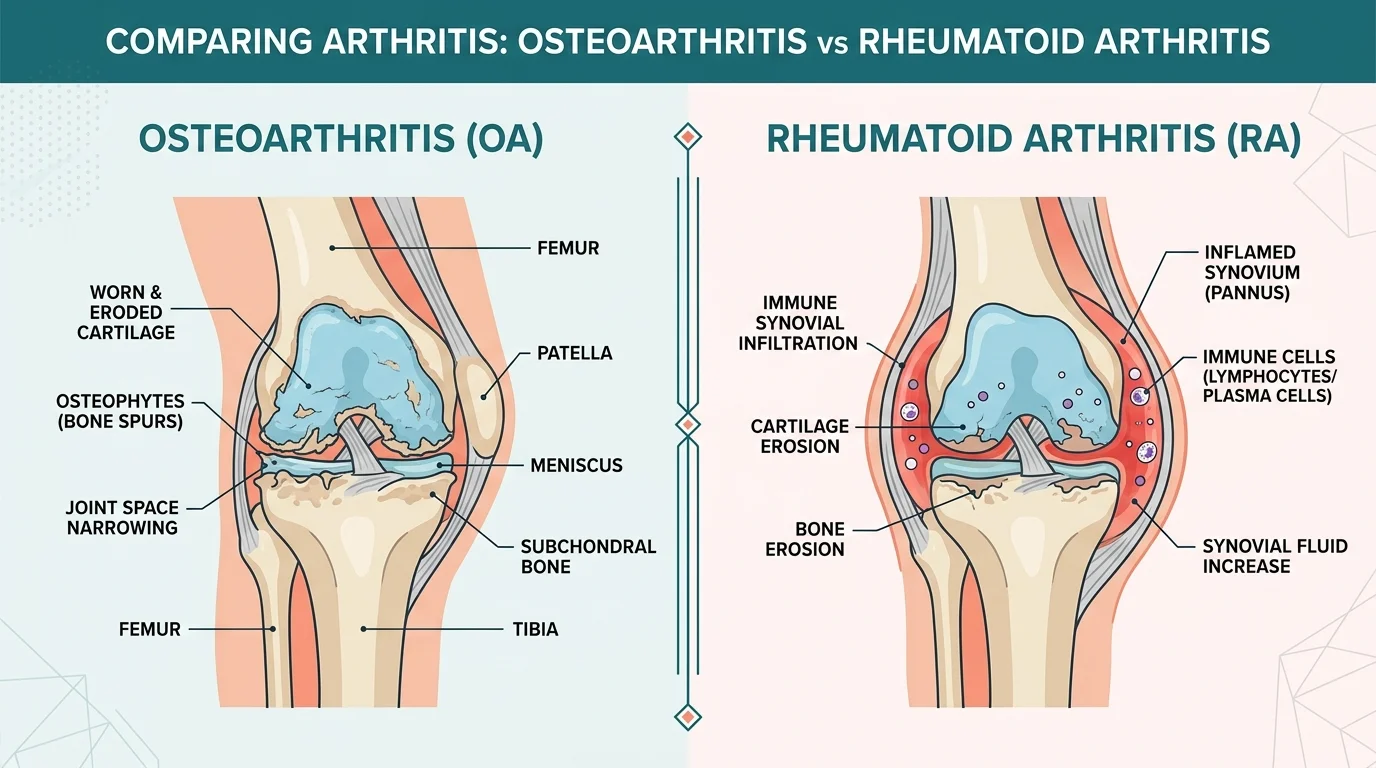
Before we go deeper into how ibuprofen helps, let’s quickly understand the two main types of arthritis.
This matters because the type of arthritis you have can affect how you use the medicine.
Osteoarthritis (OA)
This is the most common type.
It happens when the cushion-like cartilage between your joints wears down over time.
Think of it like the padding in your shoes getting thinner after years of use.
It usually affects knees, hips, hands, and the spine.
It is more common in older adults and people who have had joint injuries.
Rheumatoid Arthritis (RA)
This one is different because it is an autoimmune disease.
Your body’s immune system mistakenly attacks the lining of your joints.
This causes painful swelling that can eventually damage the joint itself.
It can affect people of any age, even young adults.
RA often hits the same joints on both sides of the body, like both wrists or both knees.
So How Does Ibuprofen Fit In?
Ibuprofen helps with both types of arthritis.
It reduces the inflammation and pain that comes with osteoarthritis and rheumatoid arthritis alike.
However, for rheumatoid arthritis, doctors usually combine ibuprofen with other stronger medicines.
That is because RA needs more than just pain management.
For osteoarthritis, ibuprofen is often one of the first medicines a doctor will suggest.
💡 How Does Ibuprofen Work for Arthritis Pain?
Here is the simple version.
Your body produces chemicals called prostaglandins whenever there is injury or inflammation.
These chemicals cause pain, swelling, and redness in your joints.
Ibuprofen blocks the enzyme (called COX) that makes these prostaglandins.
Less prostaglandins means less pain and less swelling.
That is why ibuprofen is called an anti-inflammatory medicine.
It does not just mask the pain like some painkillers.
It actually targets the root cause of the inflammation.
This makes it especially useful for arthritis where inflammation is the main troublemaker.
📏 Ibuprofen Dosage for Arthritis: What You Need to Know
This is where things get really important, so pay close attention.
The ibuprofen dosage for arthritis is usually higher than what you would take for a simple headache.
Here is a general breakdown for adults:
- For mild arthritis pain: 200mg to 400mg every 4 to 6 hours as needed
- For moderate to severe arthritis: Up to 600mg to 800mg, three to four times a day
- Maximum daily dose: Do not exceed 3,200mg per day (only under doctor supervision)
- Typical prescription dose for arthritis: 400mg to 800mg, three times daily
Important: The higher doses should only be taken if your doctor specifically tells you to.
Taking too much ibuprofen can lead to serious stomach, kidney, and heart problems.
Always start with the lowest dose that gives you relief.
And never take more than what your doctor recommends.
For Children and Teens
Ibuprofen dosing for younger people with juvenile arthritis is based on body weight.
A pediatrician should always determine the right dose.
Never guess with children’s medicine.
🧴 Ibuprofen Gel vs Pills for Arthritis: Which One Is Better?

This is a question many people ask, and the answer depends on your situation.
Let’s compare the two.
Ibuprofen Pills (Oral Tablets and Capsules)
- Work throughout the entire body
- Good for widespread joint pain or multiple affected joints
- Start working within 20 to 30 minutes
- Higher risk of stomach side effects like ulcers and heartburn
- Best for moderate to severe arthritis pain
Ibuprofen Gel (Topical Application)
- Applied directly to the skin over the painful joint
- Works locally, meaning it targets just that specific area
- Much lower risk of stomach and kidney side effects
- Ideal for mild to moderate arthritis, especially in hands and knees
- Popular brands include Voltaren style gels and generic ibuprofen gels
- Great option for older adults who cannot tolerate oral NSAIDs
So Which Should You Choose?
If your arthritis pain is in just one or two joints, ibuprofen gel can be a fantastic option with fewer side effects.
If you have pain in many joints or severe inflammation, oral ibuprofen may work better.
Many people actually use both together under their doctor’s guidance.
Your doctor can help you figure out the best approach for your specific case.
⚠️ Side Effects of Ibuprofen You Should Watch For

Ibuprofen is generally safe when used correctly, but it does come with some possible side effects.
Common Side Effects
- Stomach pain or upset
- Nausea
- Heartburn or indigestion
- Dizziness
- Headache
Serious Side Effects (Less Common but Important)
- Stomach ulcers or bleeding (especially with long-term use)
- Kidney problems (particularly in people who are dehydrated or elderly)
- High blood pressure
- Increased risk of heart attack or stroke (with long-term, high-dose use)
- Allergic reactions like rash, swelling, or difficulty breathing
Tips to Reduce Side Effects
- Always take ibuprofen with food or milk to protect your stomach
- Drink plenty of water throughout the day
- Do not lie down for at least 10 minutes after taking a dose
- Avoid alcohol while taking ibuprofen regularly
- Use the lowest effective dose for the shortest time needed
If you notice any dark or bloody stools, severe stomach pain, or signs of an allergic reaction, stop taking ibuprofen immediately and seek medical help.
🚨 When to Call Your Doctor
You should reach out to your doctor right away if you experience any of the following while taking ibuprofen for arthritis:
- Severe stomach pain or vomiting blood
- Black or tarry stools
- Sudden weight gain or swelling in your legs and feet
- Shortness of breath or chest pain
- Signs of kidney trouble like changes in urination or dark urine
- Skin rash, hives, or swelling of the face and throat
- Your arthritis pain gets worse instead of better
- You have been taking ibuprofen daily for more than 10 days without doctor advice
Do not ignore these warning signs.
Your safety always comes first.
At QuickDawa, we always say that knowing when to call your doctor is just as important as knowing which medicine to take.
🙋 Frequently Asked Questions About Ibuprofen for Arthritis
Q: Can you take ibuprofen with acetaminophen for arthritis pain?
A: Yes, many doctors say you can alternate ibuprofen and acetaminophen (Tylenol) for better pain control. However, always check with your doctor first before combining any medicines.
Q: How long does ibuprofen take to work for arthritis?
A: Ibuprofen usually starts easing pain within 20 to 30 minutes. For full anti-inflammatory effects in arthritis, it may take one to two weeks of regular use at the prescribed dose.
Q: Is ibuprofen safe for long-term arthritis use?
A: Long-term use of ibuprofen can increase the risk of stomach, kidney, and heart problems. Your doctor may recommend the lowest effective dose, stomach-protecting medicine, or periodic check-ups if long-term use is needed.
Q: Ibuprofen vs naproxen for arthritis: which is better?
A: Both are NSAIDs and work similarly. Naproxen (Aleve) lasts longer, so you take fewer doses per day. Ibuprofen works faster and may be gentler on the stomach for some people. Your doctor can help decide which fits your situation best.
Q: Can you use ibuprofen gel for knee arthritis?
A: Absolutely. Ibuprofen gel applied directly to the knee is a great option for localized arthritis pain. It delivers relief right where you need it with fewer stomach-related side effects compared to oral tablets.
🌐 Sources and External References
- FDA Drug Label for Ibuprofen — Official FDA Information
- MedlinePlus — Ibuprofen — U.S. National Library of Medicine
- Drugs.com — Ibuprofen Full Information — Comprehensive Drug Guide
- WebMD — Ibuprofen Oral — Uses, Side Effects, Interactions
- Mayo Clinic — Ibuprofen (Oral Route) — Trusted Health Resource
- RxList — Ibuprofen — Detailed Drug Profile
🏁 Final Thoughts: Taking Control of Your Arthritis Pain
Living with arthritis is not easy.
Some days are good, and some days feel like your joints are fighting against you.
But the good news is that medicines like ibuprofen can make a real difference in your daily comfort.
Whether you choose pills, gel, or a combination, the key is using ibuprofen safely and smartly.
Always start with the lowest dose that works for you.
Protect your stomach by taking it with food.
Listen to your body and talk to your doctor if anything feels off.
And remember, ibuprofen is a tool to manage symptoms, not a cure.
Pair it with gentle exercise, a healthy diet, and regular check-ups for the best results.
At QuickDawa, we believe that understanding your medicine is just as important as taking it. Knowledge is the first step toward better health. If you found this guide helpful, share it with someone who needs it and explore more medicine guides on QuickDawa.com for trusted, easy-to-understand health information.
Got a question about ibuprofen or arthritis? Drop it in the comments below or reach out to us through the QuickDawa Contact Page. We love hearing from you and are always happy to help!
⚠️ Medical Disclaimer
The information provided in this article is intended for educational and informational purposes only. It is not a substitute for professional medical advice, diagnosis, or treatment. Always seek the guidance of your qualified doctor, pharmacist, or healthcare provider with any questions you may have regarding a medical condition, medication, or treatment plan.
Never disregard professional medical advice or delay seeking it because of something you read on QuickDawa.com or any other website. If you think you may have a medical emergency, call your doctor, go to the nearest emergency room, or call emergency services immediately.
Drug information, dosages, and interactions described in this post are provided for general awareness only and may not apply to your individual health situation. Medications affect people differently based on age, weight, health conditions, and other factors.
QuickDawa.com and its authors do not assume any liability for any consequences arising from the use or misuse of information presented on this website.