7 Exercises to Boost Testosterone and Sexual Performance Naturally | QuickDawa
You used to feel strong.
Full of energy. Confident. Ready for anything.
But lately, something feels different.
You’re tired all the time. Your mood is off. Your performance in the bedroom isn’t what it used to be.
And deep down, you know something has changed.
Here’s the truth most men don’t hear.
After age 30, testosterone levels start dropping by about 1% every year.
That might sound small. But over time, it adds up.
Low energy. Weak muscles. Low sex drive. Poor erections.
Sound familiar?
Now here’s the good news.
You don’t always need pills or injections.
The right exercises to boost testosterone can make a massive difference.
Yes, your gym routine can actually change your hormone levels.
Certain types of workouts tell your body to produce more testosterone naturally.
And more testosterone means better energy, stronger muscles, and improved sexual performance.
At QuickDawa, we make health topics simple and easy to understand. So let’s break down exactly which exercises can help you feel like yourself again.
💡 What Is Testosterone and Why Does It Matter?
Testosterone is the main male hormone.
It controls your sex drive, muscle growth, bone strength, mood, and energy levels.
Think of it as the fuel that keeps a man running at full power.
When testosterone drops too low, everything slows down.
Your body feels weak. Your mind feels foggy. And your performance in bed suffers.
Exercise is one of the most proven natural ways to increase testosterone.
But not all exercises work the same way.
Some workouts boost testosterone a lot. Others barely make a difference.
Let’s focus on the ones that actually work.
🏋️ 7 Best Exercises to Boost Testosterone Naturally
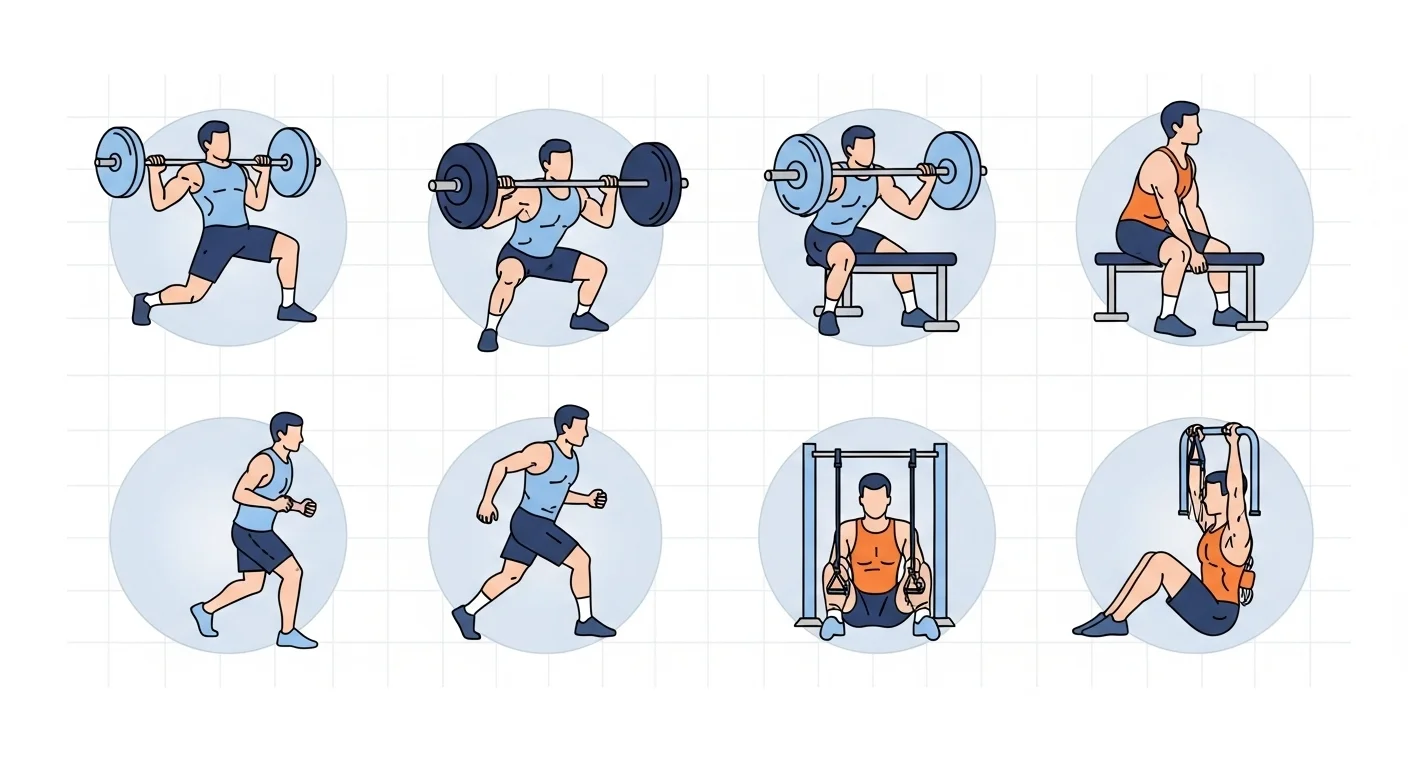
1. Heavy Squats
Squats are the king of all testosterone boosting workouts.
They work the biggest muscles in your body. Your quads, glutes, and hamstrings.
When you challenge these large muscle groups with heavy weight, your body responds by producing more testosterone.
How to do it:
- Stand with feet shoulder width apart
- Hold a barbell on your upper back or hold dumbbells
- Lower your body like you’re sitting in a chair
- Go as low as you comfortably can
- Push back up through your heels
- Do 3 to 4 sets of 6 to 10 reps
Start with lighter weight if you’re a beginner.
Form matters more than how much you lift.
2. Deadlifts
Deadlifts are another powerful exercise for testosterone.
They work almost every muscle in your body at once.
Your back, legs, core, arms, and grip all work together.
This total body effort sends a strong signal to your brain. “We need more testosterone.”
How to do it:
- Stand with feet hip width apart
- Bend at hips and knees to grip the barbell
- Keep your back straight and chest up
- Stand up by pushing through your feet
- Lower the bar back down with control
- Do 3 to 4 sets of 5 to 8 reps
Warning: Bad form during deadlifts can cause serious back injury. Learn proper technique first.
3. Bench Press
The bench press targets your chest, shoulders, and triceps.
It’s a compound movement. That means it works multiple muscles at the same time.
Compound exercises are much better for testosterone than isolation exercises.
How to do it:
- Lie flat on a bench
- Grip the barbell slightly wider than shoulder width
- Lower the bar to your chest slowly
- Push it back up to full arm extension
- Do 3 to 4 sets of 6 to 10 reps
A strong chest doesn’t just look good. It signals healthy testosterone levels.
4. Sprint Intervals (HIIT)
You don’t need to lift weights every day.
High Intensity Interval Training or HIIT is one of the best exercises for better erections and testosterone.
Short bursts of intense effort followed by rest periods.
Research shows that sprinting boosts testosterone more than long distance running.
In fact, too much long distance cardio can actually lower testosterone.
How to do it:
- Sprint at full effort for 20 to 30 seconds
- Walk or rest for 60 to 90 seconds
- Repeat 6 to 8 times
- Do this 2 to 3 times per week
You can sprint on a track, treadmill, or even a stationary bike.
Keep it short and intense. That’s the key.
5. Overhead Press (Shoulder Press)
The overhead press works your shoulders, upper back, and core.
It’s another big compound movement that challenges your body hard.
When your body is challenged, it adapts by producing more hormones.
How to do it:
- Stand with feet shoulder width apart
- Hold a barbell or dumbbells at shoulder height
- Press the weight straight up overhead
- Lower it back to your shoulders with control
- Do 3 to 4 sets of 6 to 10 reps
Strong shoulders and high testosterone go hand in hand.
6. Pull Ups and Chin Ups
Pull ups are a bodyweight exercise that builds serious strength.
They target your back, biceps, and core.
And because they’re difficult, they create a strong hormonal response.
How to do it:
- Grab a pull up bar with palms facing away from you
- Hang with arms fully extended
- Pull your body up until your chin passes the bar
- Lower yourself slowly
- Do as many as you can for 3 to 4 sets
Can’t do a pull up yet? Use a resistance band for help. Or start with chin ups where palms face toward you. They’re a bit easier.
7. Kegel Exercises (Pelvic Floor Training)
Now this one is different.
Kegels don’t build big muscles. But they directly improve sexual performance.
They strengthen the pelvic floor muscles.
These are the muscles that control erections and help you last longer in bed.
Strong pelvic floor muscles mean stronger erections and better control.
How to do it:
- Find your pelvic floor muscles by stopping your urine flow midstream
- Once you know the feeling, squeeze those muscles
- Hold for 5 seconds, then relax for 5 seconds
- Repeat 10 to 15 times
- Do 3 sets daily
You can do Kegels anywhere. Sitting at your desk. Driving. Watching TV.
Nobody will even know.
At QuickDawa, we always say the best exercise is the one you’ll actually do consistently.
📋 Quick Workout Plan for Testosterone
Here’s a simple weekly plan you can follow:
- Monday: Squats + Bench Press + Pull Ups
- Wednesday: Deadlifts + Overhead Press + Kegels
- Friday: Sprint Intervals (HIIT) + Bodyweight exercises
- Daily: Kegel exercises (3 sets of 15 reps)
- Rest Days: Tuesday, Thursday, Saturday, Sunday
Keep each workout to about 45 minutes.
Don’t overtrain. More is not always better.
Too much exercise without rest can actually lower testosterone.
🛌 Lifestyle Habits That Support Testosterone
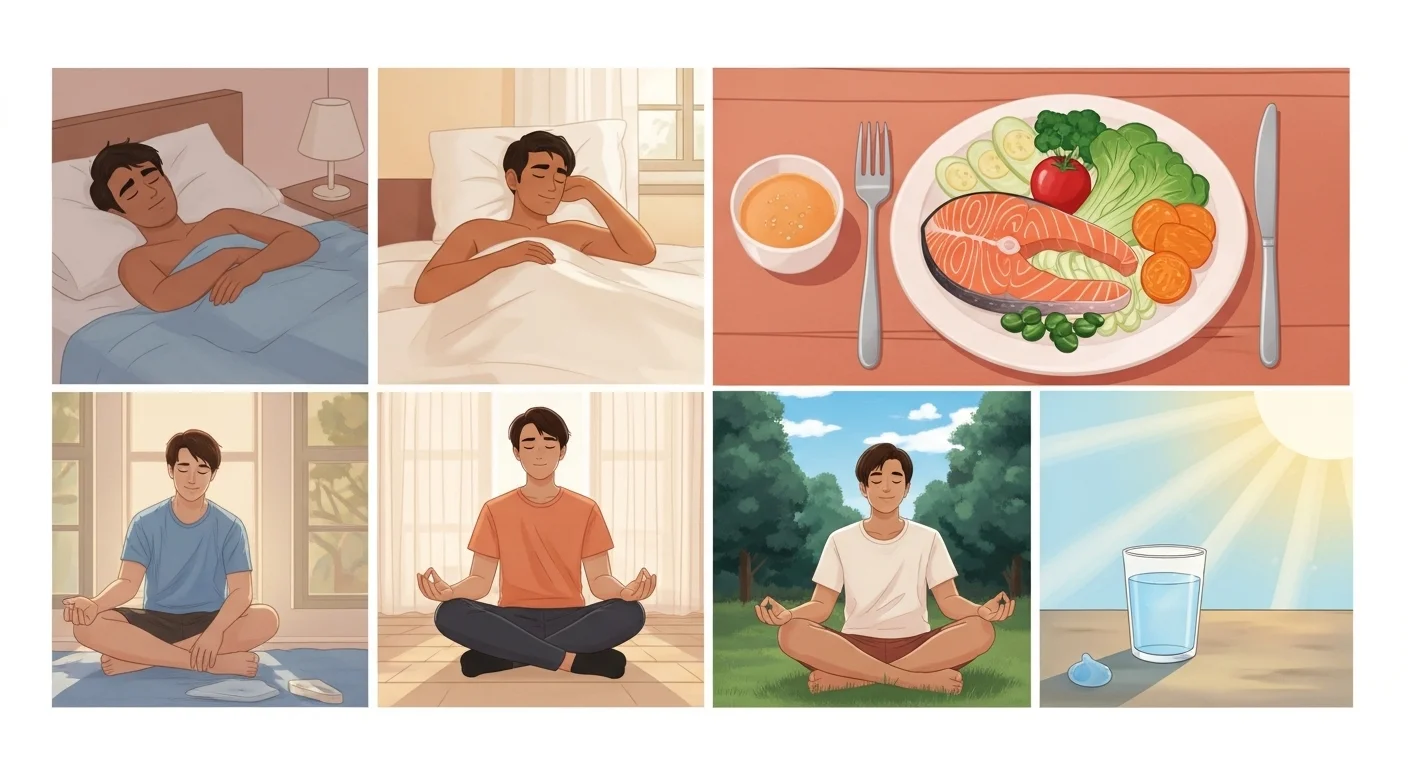
Exercise alone isn’t enough.
Your lifestyle plays a huge role too.
Here are some things that support healthy testosterone levels:
- Sleep 7 to 8 hours every night. Most testosterone is produced during deep sleep.
- Eat enough healthy fats. Avocados, nuts, olive oil, and eggs help your body make testosterone.
- Get enough zinc and vitamin D. Both are essential for testosterone production.
- Reduce stress. High cortisol (stress hormone) directly kills testosterone.
- Limit alcohol. Heavy drinking lowers testosterone significantly.
- Maintain a healthy weight. Belly fat converts testosterone into estrogen.
Think of exercise as one piece of the puzzle.
Sleep, diet, and stress management are the other pieces.
Put them all together and you’ll feel the difference.
🚫 Common Mistakes That Kill Your Testosterone
Many men sabotage their own testosterone without realizing it.
Avoid these mistakes:
- Skipping leg day. Legs have the biggest muscles. Skipping them means less testosterone.
- Doing too much cardio. Long runs of 60+ minutes can raise cortisol and lower testosterone.
- Not resting enough. Your muscles and hormones recover during rest. Don’t skip rest days.
- Using very light weights. You need to challenge your muscles. Light weights don’t trigger a strong hormonal response.
- Drinking too many protein shakes and ignoring real food. Whole foods provide nutrients that supplements can’t fully replace.
- Staying up late every night. Poor sleep is the number one testosterone killer.
Fix these habits and your results will come faster.
🩺 When to Call a Doctor
Exercise helps most men. But sometimes low testosterone needs medical attention.
See a doctor if:
- You’ve been exercising and eating well but still feel extremely tired
- Your sex drive is very low or completely gone
- You can’t get or maintain erections at all
- You’re losing muscle despite regular workouts
- You feel depressed, anxious, or emotionally flat for weeks
- You notice breast tissue growth or excessive body fat changes
A doctor can check your testosterone levels with a simple blood test.
If levels are very low, you might need testosterone replacement therapy (TRT).
But always try natural methods first under your doctor’s guidance.
🙋 Frequently Asked Questions (FAQs)
Q: How long does it take for exercise to boost testosterone?
A: Most studies show noticeable increases within 4 to 12 weeks of consistent strength training. You may feel more energy and improved mood even sooner. Read more at Healthline.
Q: Can you boost testosterone after 40 naturally?
A: Absolutely. Men over 40 benefit greatly from weight training and HIIT. It won’t bring levels back to age 20, but it can significantly improve energy, mood, and sexual function. Source: Mayo Clinic.
Q: Is running good for testosterone or bad?
A: Short sprints and HIIT boost testosterone. But long distance running (60+ minutes) can actually lower it by raising cortisol. Keep cardio sessions short and intense for best results. Reference: WebMD.
Q: Strength training vs cardio for testosterone, which is better?
A: Strength training wins for testosterone. Heavy compound lifts like squats and deadlifts produce a much bigger testosterone response than steady state cardio. Ideally, combine both but prioritize lifting. Learn more at Harvard Health.
Q: Are Kegel exercises effective for improving sexual performance?
A: Yes. Studies show that pelvic floor exercises (Kegels) help men achieve stronger erections and better control during sex. They can also help with premature ejaculation. Source: NHS UK.
Q: Is it safe to do heavy lifting with high blood pressure?
A: Heavy lifting can temporarily spike blood pressure. If you have high blood pressure, talk to your doctor before starting a heavy lifting program. Moderate intensity training is usually safe and beneficial. Reference: American Heart Association.
🏁 Final Thoughts: Move Your Body, Change Your Life
Let’s keep it simple.
Your body was made to move.
When you challenge it with the right exercises, it rewards you.
More testosterone. More energy. Better mood. Stronger performance.
You don’t need an expensive gym membership.
You don’t need fancy equipment.
A barbell, some dumbbells, and your own body weight are enough.
Start with 3 workouts a week.
Focus on big compound movements like squats, deadlifts, and presses.
Add sprints twice a week.
Do your Kegels every single day.
Sleep well. Eat right. Manage stress.
Within a few weeks, you’ll start feeling different.
Within a few months, you’ll feel like a new man.
At QuickDawa, we believe that understanding your health is just as important as treating it. Knowledge is the first step toward better health. If you found this guide helpful, share it with someone who needs it. And explore more health guides on QuickDawa.com for trusted, easy to understand information.
Have questions? Drop them in the comments below or visit our contact page. We’d love to hear from you!
⚠️ Medical Disclaimer
The information provided in this article is intended for educational and informational purposes only. It is not a substitute for professional medical advice, diagnosis, or treatment. Always seek the guidance of your qualified doctor, pharmacist, or healthcare provider with any questions you may have regarding a medical condition, medication, or treatment plan.
Never disregard professional medical advice or delay seeking it because of something you read on QuickDawa or any other website. If you think you may have a medical emergency, call your doctor, go to the nearest emergency room, or call emergency services immediately.
Health information, exercise recommendations, and lifestyle suggestions described in this post are provided for general awareness only and may not apply to your individual health situation. Exercise affects people differently based on age, weight, health conditions, and other factors.
QuickDawa and its authors do not assume any liability for any consequences arising from the use or misuse of information presented on this website.
🌐 Sources and External References
- Mayo Clinic: Testosterone Therapy and Men’s Health
- Harvard Health: Exercise and Male Health
- WebMD: Exercise and Testosterone
- Healthline: How to Increase Testosterone Naturally
- NHS UK: Pelvic Floor Exercises for Men
- American Heart Association: Strength Training