Wake Up Tired? 7 Hidden Reasons You Never Suspected | QuickDawa
You did everything right last night.
You went to bed on time. You slept a solid 7 or 8 hours. Your alarm went off and you opened your eyes.
But something feels wrong.
You still wake up tired. Your body feels heavy. Your brain feels foggy. And all you want to do is pull the covers back over your head.
You keep telling yourself, “I got enough sleep. Why do I feel like this?”
Honestly, this is one of the most frustrating health problems out there. Because you’re doing the one thing everyone tells you to do. You’re sleeping enough hours. But it’s still not working.
Here’s the thing most people don’t realize. The number of hours you sleep is only half the story. What happens during those hours matters even more.
And sometimes, hidden health issues are quietly stealing the restful sleep your body desperately needs.
At QuickDawa, we love breaking down confusing health topics into simple answers you can actually use. So let’s figure out together why you wake up tired even after a full night of sleep. And more importantly, what you can do about it.
💤 What Does “Quality Sleep” Actually Mean?
Before we jump into the reasons, let’s quickly understand something important.
Sleep quality is different from sleep quantity.
Quantity means how many hours you spend in bed. Quality means how well your body actually rests during those hours.
Your body goes through different sleep stages every night. Light sleep, deep sleep, and REM sleep. Each stage does something different for your body and brain.
Deep sleep is where your muscles repair and your immune system recharges. REM sleep is where your brain processes memories and emotions.
If something keeps interrupting these stages, you can sleep 10 hours and still feel completely drained. Your body logged the hours but never got the real rest it needed.
That’s the key difference. And that’s why so many people wake up tired without understanding why.
🔍 7 Hidden Reasons You Wake Up Tired After Sleeping All Night

Let’s get into the real reasons. Some of these might surprise you.
-
You Might Have Sleep Apnea and Not Know It
This is way more common than people think.
Sleep apnea is a condition where your breathing repeatedly stops and starts during sleep. Each pause can last a few seconds to over a minute.
Every time your breathing stops, your brain panics and partially wakes you up. You usually don’t remember it happening. But it can happen dozens or even hundreds of times per night.
So your sleep keeps getting interrupted at the deepest level. No wonder you feel exhausted in the morning.
Common signs include:
- Loud snoring
- Gasping or choking sounds during sleep
- Waking up with a dry mouth
- Morning headaches
- Feeling sleepy all day no matter what
If this sounds like you, please talk to your doctor. Sleep apnea is very treatable. But it won’t get better on its own.
-
Stress and Anxiety Are Keeping Your Brain Busy
Your eyes might be closed. Your body might be still. But your brain? It’s running a marathon.
When you’re stressed or anxious, your body produces more cortisol. That’s the stress hormone. High cortisol levels keep your nervous system on alert even while you sleep.
This means your body stays in a light, surface-level sleep. It never fully drops into those deep, restorative stages.
You wake up feeling like your mind never actually shut off. Because in many ways, it didn’t.
The tricky part is that many people don’t even realize they’re stressed. It becomes so normal that they stop noticing it.
If your mind races at bedtime or you feel tense in your shoulders and jaw, stress could be the reason you wake up tired every morning.
-
Your Sleep Schedule Is All Over the Place
Monday night you sleep at 10 PM. Wednesday it’s midnight. Saturday you stay up until 2 AM.
This kind of irregular schedule confuses your body’s circadian rhythm. That’s your internal body clock.
Your body likes routine. It likes knowing when to release melatonin and when to wake up. When you keep changing the schedule, your internal clock can’t keep up.
Even if you get 8 hours on an odd schedule, the quality of those hours drops significantly.
Think of it like jet lag. Except you’re giving yourself jet lag every few days without even leaving your city.
A consistent bedtime, even on weekends, makes a bigger difference than most people expect.
-
You’re Dehydrated Without Realizing It
This one is surprisingly simple. And surprisingly common.
If you don’t drink enough water during the day, your body enters the night already dehydrated. Dehydration causes your mouth and nasal passages to dry out. This leads to snoring, restless tossing, and frequent waking.
You might not fully wake up. But these micro-disruptions pull you out of deep sleep over and over again.
Then morning comes and you feel tired, groggy, and foggy. And you blame the sleep itself when the real problem was water.
At QuickDawa, we’ve talked about hydration in many of our wellness guides. It’s one of those things that affects literally everything in your body, including how well you sleep.
Simple fix: Drink enough water throughout the day. But don’t chug a huge glass right before bed or you’ll be up using the bathroom all night.
-
An Underlying Health Condition Is Draining You
Sometimes feeling tired after sleeping all night isn’t about sleep at all. It’s about what’s happening inside your body.
Several health conditions can cause persistent fatigue even when sleep seems fine:
- Anemia (low iron levels) reduces oxygen delivery to your cells
- Thyroid problems (especially underactive thyroid) slow your entire metabolism
- Vitamin D deficiency is linked to constant tiredness and muscle weakness
- Diabetes can cause fatigue due to blood sugar fluctuations
- Depression often shows up as exhaustion, even without obvious sadness
If you’ve been feeling tired for weeks and good sleep habits aren’t helping, there might be a medical reason behind it.
A simple blood test can check for most of these conditions. Don’t ignore ongoing fatigue. Your body is trying to tell you something.
-
Your Bedroom Environment Is Working Against You
You might not realize it, but your bedroom could be sabotaging your rest.
A room that’s too warm keeps your body from cooling down properly. Your core temperature needs to drop slightly for deep sleep to kick in.
Light sneaking in from windows, electronics, or hallway lights signals your brain that it’s daytime. Even tiny amounts of light can reduce melatonin production.
Noise is another big one. You might think you’ve gotten used to traffic sounds or a ticking clock. But your brain still registers those sounds and stays partially alert.
Here’s what a sleep-friendly bedroom looks like:
- Cool temperature between 60 to 67°F (15 to 19°C)
- Complete darkness or use a good sleep mask
- Quiet environment or use a white noise machine
- Comfortable mattress and pillow that support your body
- No screens glowing in the room
Small changes to your sleep environment can lead to dramatic improvements in how rested you feel.
-
You’re Oversleeping and It’s Backfiring
Wait, sleeping too much can make you tired?
Yes. It absolutely can.
When you sleep more than 9 or 10 hours regularly, your body’s sleep cycle gets thrown off. You spend too long in lighter sleep stages. Your circadian rhythm gets confused.
The result is something called sleep inertia. That heavy, groggy, “I can’t move” feeling when you wake up after sleeping way too long.
It’s the same feeling you get after a really long nap. Your body expected to wake up earlier and now it doesn’t know what stage to be in.
If you regularly sleep 9 plus hours and still feel awful in the morning, you might actually be sleeping too much.
For most adults, 7 to 8 hours is the sweet spot. More isn’t always better.
🩺 When to Call a Doctor
Occasional tiredness is normal. Life gets busy. Stress happens. Bad nights happen.
But if you constantly wake up tired despite sleeping enough, it’s time to see a healthcare professional.
Specifically, reach out to your doctor if:
- You’ve felt exhausted every day for more than 2 to 3 weeks
- You snore loudly or have been told you stop breathing in your sleep
- You fall asleep at inappropriate times, like during meetings or while driving
- You experience unexplained weight changes along with fatigue
- You feel sad, hopeless, or have lost interest in things you used to enjoy
- You have muscle weakness, dizziness, or brain fog that won’t go away
- Your fatigue doesn’t improve no matter what lifestyle changes you make
Your doctor can run blood tests, evaluate your sleep patterns, and rule out conditions like sleep apnea, thyroid disorders, anemia, or depression.
Don’t just accept being tired as your normal. You deserve to feel rested.
🙋 Frequently Asked Questions
Q: How long does it take to fix poor sleep quality?
A: If you start practicing healthy sleep habits consistently, most people begin to notice improvements within 1 to 2 weeks. Conditions like sleep apnea or thyroid issues may take longer because they need medical treatment. (Sleep Foundation)
Q: Can you take melatonin every night for better sleep?
A: Melatonin supplements can help short-term, especially for jet lag or shift work. But using them every night without a doctor’s guidance isn’t recommended. It’s better to fix the root cause of your poor sleep quality first. (MedlinePlus)
Q: Is being tired after 8 hours of sleep a sign of depression?
A: It can be. Depression-related fatigue is real and very common. If tiredness comes with mood changes, loss of motivation, or feelings of emptiness, please talk to a mental health professional. Sleep alone can’t fix depression. (Mayo Clinic)
Q: How long does sleep apnea go undiagnosed?
A: Many people live with sleep apnea for years without knowing. They assume snoring is normal. A sleep study is the only reliable way to diagnose it. If you wake up tired daily and snore heavily, ask your doctor about getting tested. (WebMD)
Q: Coffee vs proper sleep for energy, which is better?
A: Coffee gives you a temporary energy boost by blocking tiredness signals in your brain. But it doesn’t replace real rest. Proper sleep actually recharges your brain and body at a cellular level. Coffee just masks the problem. Fix your sleep first, then enjoy coffee as a bonus. (Harvard Health)
Q: Can vitamin deficiency make you wake up tired?
A: Absolutely. Low levels of Vitamin D, Vitamin B12, and iron are closely linked to chronic fatigue. A simple blood test can check your levels. Supplementing under a doctor’s guidance often helps significantly. (Cleveland Clinic)
🏁 You Deserve to Wake Up Actually Feeling Rested
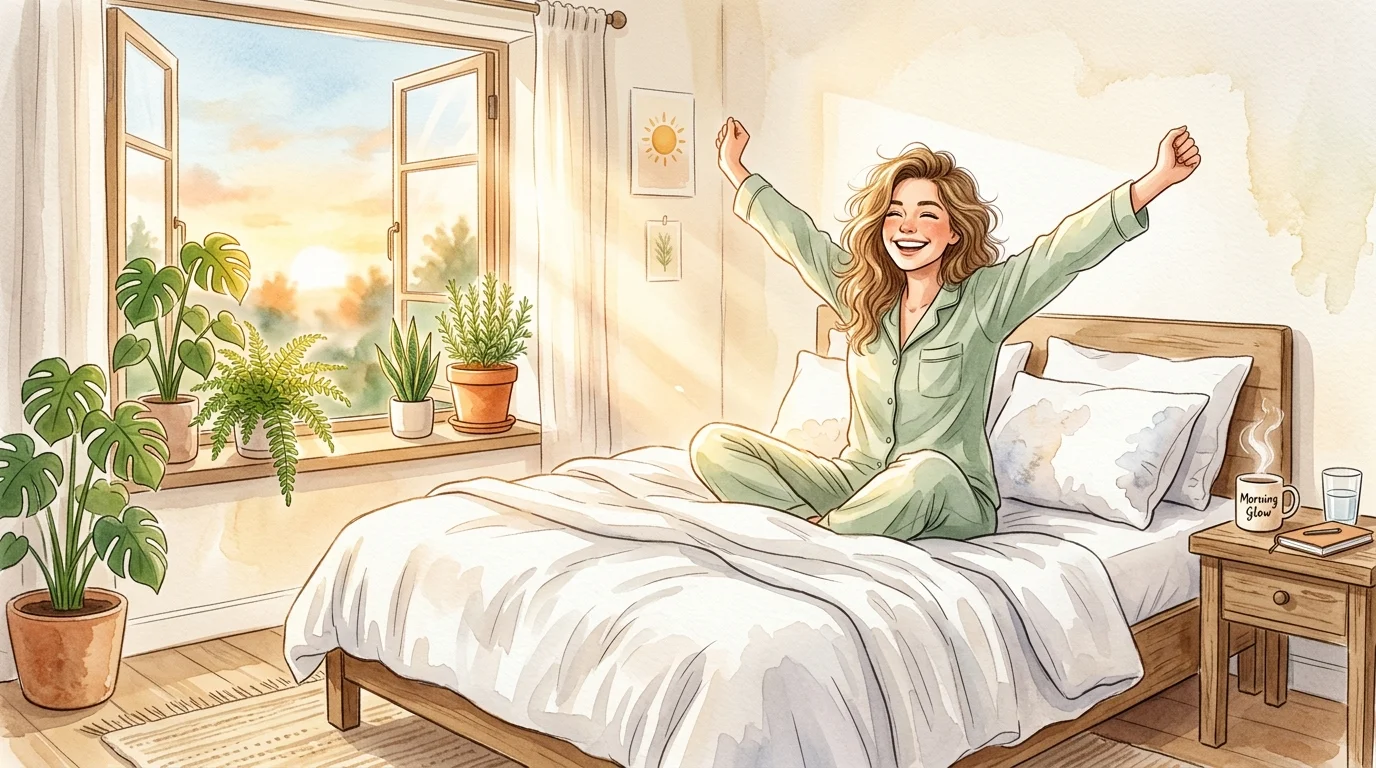
Let’s recap what we’ve learned together.
If you wake up tired after a full night’s sleep, the problem usually isn’t the number of hours. It’s about what’s happening during those hours, or what’s happening inside your body.
Sleep apnea, stress, inconsistent schedules, dehydration, health conditions, a bad bedroom setup, and even oversleeping can all rob you of the rest you need.
The good news? Most of these have simple solutions. And for the ones that don’t, a doctor can help.
Start small. Pick one thing from this list and change it tonight. Maybe it’s keeping your bedroom cooler. Maybe it’s setting a consistent bedtime. Maybe it’s finally booking that doctor’s appointment you’ve been putting off.
You don’t have to live your life running on empty. Better mornings are possible.
At QuickDawa, we believe that understanding your health is just as important as treating it. Knowledge is the first step toward better living. If this post helped you, share it with a friend or family member who always says, “I’m so tired.” And explore more wellness guides on QuickDawa.com for trusted, easy-to-understand health information.
Have a question about sleep or energy? Leave a comment below or reach out through our contact page. We love hearing from you.
⚠️ Medical Disclaimer
The information provided in this article is intended for educational and informational purposes only. It is not a substitute for professional medical advice, diagnosis, or treatment. Always seek the guidance of your qualified doctor, pharmacist, or healthcare provider with any questions you may have regarding a medical condition, medication, or treatment plan.
Never disregard professional medical advice or delay seeking it because of something you read on QuickDawa or any other website. If you think you may have a medical emergency, call your doctor, go to the nearest emergency room, or call emergency services immediately.
Drug information, dosages, and interactions described in this post are provided for general awareness only and may not apply to your individual health situation. Medications affect people differently based on age, weight, health conditions, and other factors.
QuickDawa and its authors do not assume any liability for any consequences arising from the use or misuse of information presented on this website.
🌐 Sources & External References
- Sleep Foundation: Why Do I Still Feel Tired After Sleeping?
- MedlinePlus: Fatigue
- Mayo Clinic: Insomnia and Sleep Problems
- WebMD: Sleep Disorders and Fatigue
- Harvard Health: Improving Sleep Quality
- Cleveland Clinic: Why Am I So Tired?