Can Bad Teeth Cause Depression? The Shocking Truth | QuickDawa
Let me paint a picture for you.
You are sitting with friends at a dinner table.
Someone cracks a joke.
Everyone laughs out loud.
But you?
You cover your mouth with your hand.
You laugh quietly.
You try not to show your teeth.
Sound familiar?
Maybe your teeth are chipped, stained, or missing.
Maybe you have been dealing with tooth pain for weeks.
And slowly, without even realizing it, you stopped going out.
You stopped smiling in photos.
You started feeling low, anxious, and just… not yourself.
Here is the thing most people never talk about.
Bad teeth cause depression more often than you think.
It is not just about cavities or gum pain.
It is about how your mouth affects your confidence, your social life, and your mental health.
And today, I want to break this down for you in the simplest way possible.
No complicated medical talk.
Just an honest conversation.
At QuickDawa, we are all about making health easy to understand. So let us explore this surprising connection between your teeth and your mind.
💊 What Is the Connection Between Bad Teeth and Depression?
Bad teeth and depression are linked through pain, shame, and isolation.
When your oral health suffers, it affects how you eat, talk, and feel about yourself.
Chronic dental pain triggers stress hormones in your body.
And poor self-image from damaged teeth can lead to social withdrawal.
Over time, all of this can snowball into clinical depression.
🔬 How Exactly Can Bad Teeth Cause Depression?
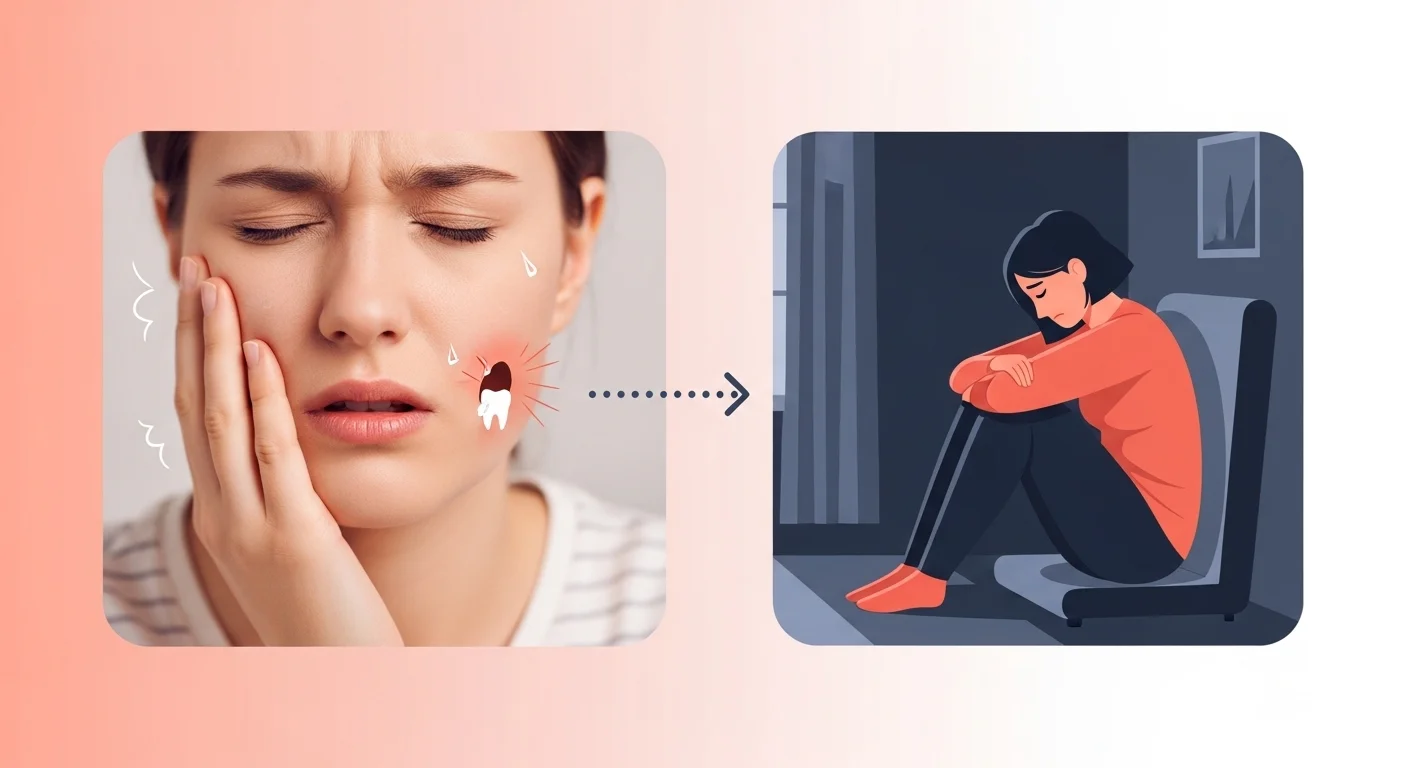
Let me explain this step by step.
Because the connection is real and backed by science.
1. Constant Pain Drains Your Energy
Toothaches are not small things.
A throbbing tooth can keep you awake all night.
It can make eating painful.
Chronic pain is one of the biggest triggers of depression.
When your body is in pain every single day, your brain gets exhausted.
You feel tired, hopeless, and frustrated.
Studies from the National Institute of Dental and Craniofacial Research show that people with untreated dental problems report higher levels of stress and sadness.
2. You Stop Smiling and Socializing
Think about it.
If you have missing or rotten teeth, you probably avoid smiling.
You might skip parties, family gatherings, or even job interviews.
Bad teeth and self esteem are deeply connected.
When you feel embarrassed about your appearance, you pull away from people.
And isolation is one of the fastest roads to depression.
3. Eating Becomes a Problem
Bad teeth make it hard to chew properly.
You start avoiding healthy foods like fruits and vegetables.
You survive on soft, processed food.
Poor nutrition affects your brain chemistry.
Your body needs vitamins and minerals to produce serotonin, the “happy chemical.”
Without proper nutrition, your mood drops even further.
4. Inflammation Spreads Through Your Body
This one surprises most people.
Gum disease causes inflammation.
And that inflammation does not stay in your mouth.
It travels through your bloodstream.
Research published in the Journal of Clinical Periodontology found that people with severe gum disease had significantly higher rates of depression.
Chronic inflammation in the body messes with brain function.
It can change how your brain processes emotions.
5. Financial Stress Adds Up
Dental work is expensive.
Many people cannot afford root canals, crowns, or implants.
So they just live with the pain.
The guilt and stress of not being able to fix your teeth can worsen mental health.
It becomes a cycle that feels impossible to break.
😔 Signs That Your Dental Problems Are Affecting Your Mental Health
Sometimes you do not even realize the connection.
Here are warning signs to watch for:
- You avoid mirrors because of your teeth
- You have stopped smiling in public
- You feel ashamed when eating around others
- You have trouble sleeping because of tooth pain
- You feel hopeless about ever fixing your dental problems
- You have withdrawn from friends and family
- You feel anxious about going to the dentist
- Your mood has been low for weeks or months
If you are experiencing three or more of these, your teeth might be affecting your mental health.
🧠 Can Rotten Teeth Cause Depression? What Research Says
Yes. Research strongly supports this.
A large study published by the American Dental Association found that adults with poor oral health were nearly three times more likely to experience depression.
Another study from Community Dentistry and Oral Epidemiology confirmed that tooth loss in adults was significantly linked to depressive symptoms.
The worse the dental condition, the higher the risk of depression.
This is not just about vanity.
It is about real, measurable changes in mental health.
People with rotten or missing teeth reported:
- Lower quality of life
- Higher anxiety levels
- More days of poor mental health per month
- Increased use of antidepressants
The data is clear.
Oral health is mental health.
🛠️ What Can You Do About It?

Here is the good news.
This is not a hopeless situation.
There are steps you can take right now, even if money is tight.
Start With Basic Oral Care
- Brush twice a day with fluoride toothpaste
- Floss daily, even if your gums bleed at first
- Use an antiseptic mouthwash
- Cut down on sugary drinks and snacks
Small steps make a big difference over time.
Talk to a Dentist About Affordable Options
Many dental schools offer low cost treatments.
Community health centers often provide dental care on a sliding fee scale.
Ask your dentist about payment plans.
Do not let cost stop you from getting help.
Address the Mental Health Side Too
If you are feeling depressed, please talk to someone.
A therapist, a counselor, or even a trusted friend.
You do not have to fight this alone.
Your teeth and your mind both deserve care.
At QuickDawa, we always say that health is a complete picture. Your mouth, your body, and your mind are all connected.
🚨 When to Call a Doctor
Please see a doctor or dentist right away if you experience:
- Severe tooth pain that does not go away with painkillers
- Swelling in your face, jaw, or neck
- Fever along with dental pain (this could mean infection)
- Feelings of hopelessness or thoughts of self harm
- Difficulty eating or drinking for more than two days
- Bleeding gums that will not stop
A dental infection can become life threatening if untreated.
And depression is a medical condition that responds well to treatment.
There is no shame in asking for help.
If you or someone you know is in crisis, reach out to a mental health helpline in your country immediately.
🙋 Frequently Asked Questions (FAQ)
Q: Can rotten teeth cause depression and anxiety?
A: Yes. Rotten teeth cause chronic pain, embarrassment, and social isolation. All three are major risk factors for both depression and anxiety. WebMD confirms the emotional impact of poor dental health.
Q: How long does it take for dental problems to affect mental health?
A: It varies from person to person. Some people feel the impact within weeks. For others, it builds over months or years. The longer dental issues go untreated, the greater the risk of depression, according to MedlinePlus.
Q: Is it safe to take antidepressants if you have dental problems?
A: Yes, but some antidepressants cause dry mouth. Dry mouth increases the risk of cavities and gum disease. Talk to your doctor about managing this side effect. The Mayo Clinic has helpful guidance on antidepressant side effects.
Q: Bad teeth vs good teeth: does appearance really affect mood?
A: Absolutely. Studies show that people with healthy, attractive smiles report higher self-confidence and better social connections. People with visible dental damage often experience shame and withdrawal, which directly impacts mood. ADA research supports this connection.
Q: Can fixing your teeth help with depression?
A: In many cases, yes. People who get dental treatment often report improved self-esteem, better social interactions, and reduced depressive symptoms. It is not a cure for clinical depression, but it can be a powerful step forward. Healthline discusses how oral care improves overall wellbeing.
Q: Can dental pain cause mood swings?
A: Yes. Chronic pain from toothaches or infections can make you irritable, anxious, and emotionally drained. Pain disrupts sleep and daily routines, leading to noticeable mood changes.
Q: Can bad teeth for toothache lead to serious health problems?
A: Untreated toothaches from bad teeth can lead to infections, abscesses, and even sepsis in severe cases. The physical toll combined with emotional stress creates a serious health risk. Always get persistent tooth pain checked by a professional.
🏁 Final Thoughts: Your Smile Matters More Than You Think
Let me be honest with you.
Your teeth are not just about looking good.
They are about feeling good.
They are about eating well, sleeping well, and having the confidence to live your life fully.
If bad teeth have been dragging your mood down, know that you are not alone.
Millions of people go through this silently.
But here is what I want you to remember.
Things can get better.
A dentist can help fix your teeth.
A therapist can help lift the fog of depression.
And small daily habits like brushing and flossing can protect you going forward.
At QuickDawa, we believe that understanding your health is the first step toward improving it. Knowledge is power. If this article helped you see the connection between your mouth and your mind, please share it with someone who needs to hear this.
Explore more wellness guides on QuickDawa.com for trusted, easy-to-understand health information.
💬 Got a question or a personal experience to share? Drop a comment below or reach out to us through the QuickDawa contact page. We love hearing from our readers.
⚠️ Medical Disclaimer
The information provided in this article is intended for educational and informational purposes only. It is not a substitute for professional medical advice, diagnosis, or treatment. Always seek the guidance of your qualified doctor, pharmacist, or healthcare provider with any questions you may have regarding a medical condition, medication, or treatment plan.
Never disregard professional medical advice or delay seeking it because of something you read on QuickDawa or any other website. If you think you may have a medical emergency, call your doctor, go to the nearest emergency room, or call emergency services immediately.
Health information described in this post is provided for general awareness only and may not apply to your individual health situation. Health conditions affect people differently based on age, lifestyle, genetics, and other factors.
QuickDawa and its authors do not assume any liability for any consequences arising from the use or misuse of information presented on this website.
🌐 Sources and External References
- National Institute of Dental and Craniofacial Research (NIDCR) — Oral Health Statistics and Research
- MedlinePlus — Dental Diseases — Overview of Dental Health Issues
- WebMD — Dental Health and Emotional Effects — Emotional Impact of Poor Oral Health
- Mayo Clinic — Depression and Antidepressants — Side Effects Including Dry Mouth
- American Dental Association (ADA) — Research on Oral Health and Quality of Life
- Healthline — Dental and Oral Health — Connection Between Oral Health and Overall Wellbeing