Berberine – Nature’s Ozempic – 10 Powerful Benefits, Side Effects & Exactly How to Take it
Have you heard about the supplement everyone is calling berberine nature’s Ozempic?
It is a natural compound. It costs around $20–$30 a bottle.
And people are claiming it does something very similar to Ozempic — the famous weight-loss injection that costs over $1,000 a month.
Ozempic is a prescription drug. It controls blood sugar. It helps with weight loss. It has taken the world by storm.
But berberine nature’s Ozempic has been quietly doing similar things — naturally — for over 3,000 years.
No prescription needed. No injection. No four-figure price tag.
So is berberine the real deal? Or just another wellness trend?
Let’s find out — in simple, clear language anyone can understand. 👇
🔹 What Is Berberine? 🤔
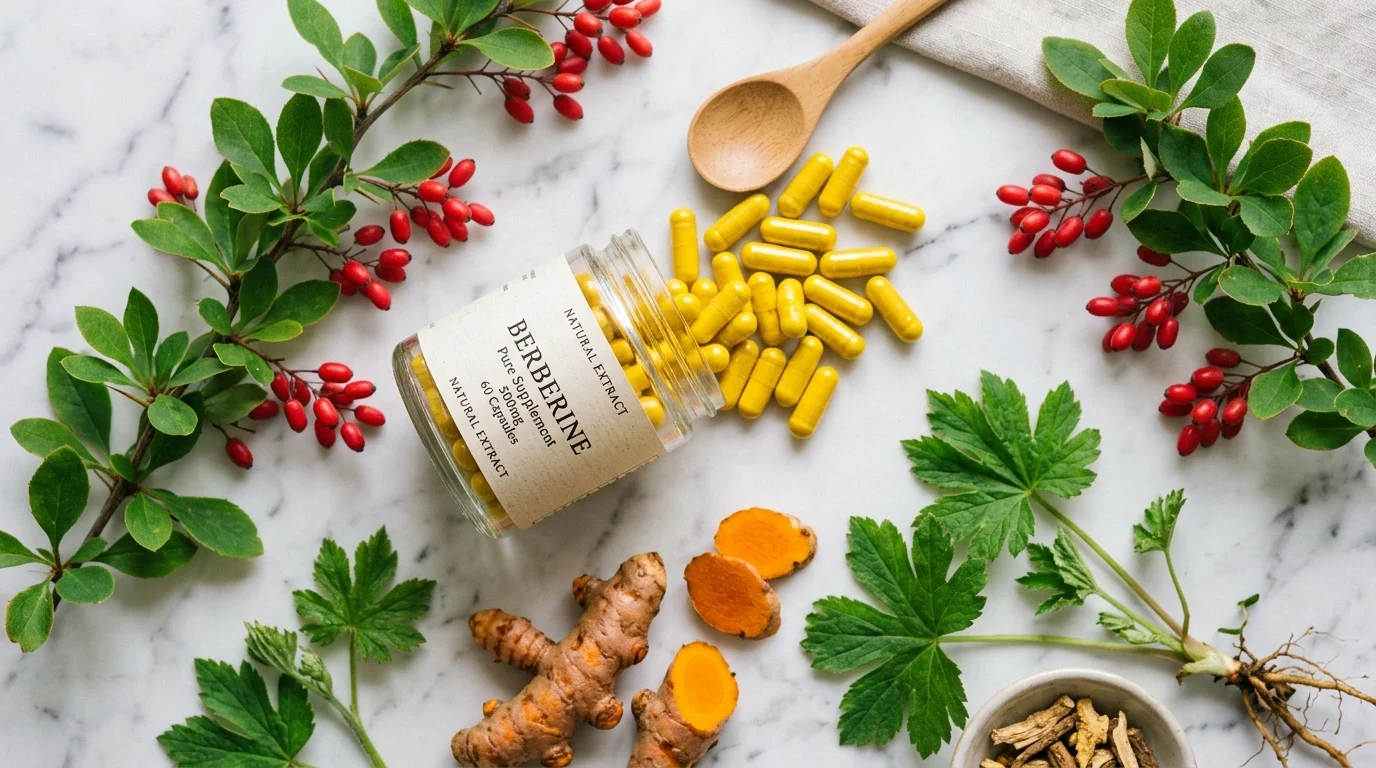
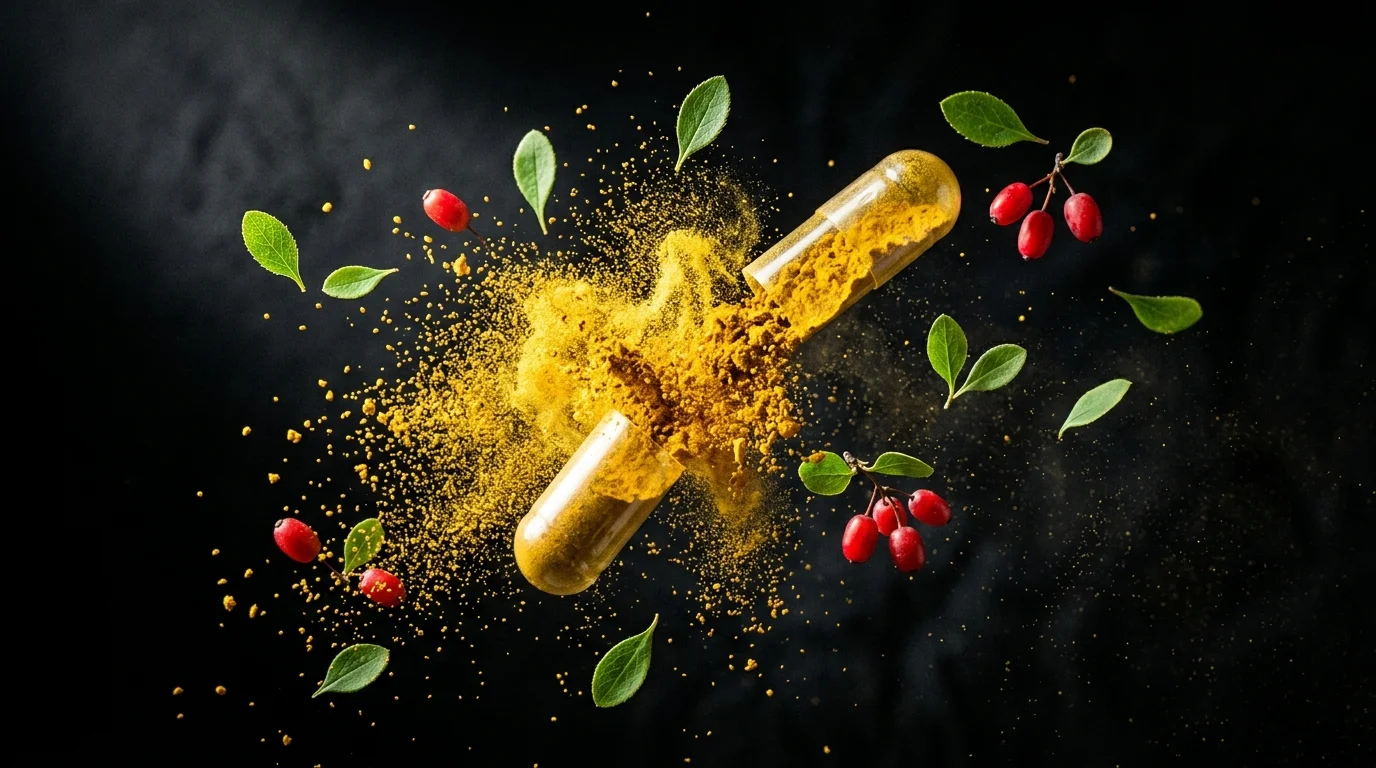
Berberine is a natural chemical compound.
It comes from plants. Specifically from roots, bark, and stems of certain plants.
Plants like barberry, goldenseal, and Oregon grape all contain berberine.
It has a bright yellow color. In fact — it was used as a natural dye for centuries.
But here’s what makes it truly special.
Berberine activates something inside your cells called AMPK.
AMPK stands for AMP-activated protein kinase. Think of it as your body’s master metabolic switch.
Here’s a simple analogy:
Imagine your metabolism is a car engine running too slow.
AMPK is the turbo boost button.
When berberine activates AMPK — your engine speeds up. Your cells burn sugar faster. Your insulin works better. Your body stores less fat.
That is why people call it berberine nature’s Ozempic.
Ozempic works through a different mechanism — but both end up doing very similar things to blood sugar and weight.
The key difference? Berberine is a plant compound. Ozempic is a synthetic injectable drug.
🔹 How Big Is the Blood Sugar & Weight Problem? 📊
Understanding why berberine nature’s Ozempic is trending requires understanding the crisis it addresses.
- 🔵 According to the International Diabetes Federation, over 537 million adults worldwide currently live with diabetes — and that number is projected to reach 783 million by 2045.
- 🔵 The WHO reports that global obesity rates have nearly tripled since 1975 — with over 1 billion people now classified as obese worldwide.
- 🔵 Studies estimate that up to 40% of adults in developed countries have some degree of insulin resistance — the core problem that both berberine and Ozempic target.
- 🔵 Ozempic (semaglutide) reached $14 billion in annual sales in 2023 — showing the massive demand for effective blood sugar and weight management solutions.
This is the crisis that berberine nature’s Ozempic is stepping into. And the research supporting it is surprisingly strong.
🔹 10 Powerful Benefits of Berberine 💡

1. 🩸 Lowers Blood Sugar Like a Prescription Drug
This is berberine’s most studied and proven benefit.
Multiple clinical trials have compared berberine directly to Metformin — the world’s most prescribed diabetes drug.
The results? Berberine performed equally well in lowering fasting blood sugar and HbA1c levels.
Example: In a landmark study published in the journal Metabolism, berberine reduced HbA1c by 20% over 3 months — matching Metformin’s results almost exactly.
2. ⚖️ Supports Significant Weight Loss
This is why it earned the berberine nature’s Ozempic nickname.
Studies show berberine reduces body weight, BMI, and belly fat — particularly in people with metabolic syndrome.
One study found participants lost an average of 5 pounds over 12 weeks — without changing diet or exercise.
3. 🔄 Dramatically Improves Insulin Resistance
Insulin resistance means your cells stop responding to insulin properly.
Berberine activates AMPK — which forces cells to become more sensitive to insulin again.
This means blood sugar gets absorbed into cells instead of floating dangerously in the bloodstream.
Example: Think of insulin knocking on a cell door. In insulin resistance — the cell ignores the knock. Berberine fixes the doorbell so the cell hears it and opens up.
4. ❤️ Lowers Dangerous Cholesterol Levels
Berberine doesn’t just help blood sugar. It also powerfully improves cholesterol.
Studies show it reduces LDL (bad cholesterol) by up to 25% and triglycerides by up to 35%.
It does this by activating liver receptors that clear LDL from the bloodstream more efficiently.
5. 🫀 Protects Heart Health
Berberine has direct cardiac benefits — beyond just cholesterol.
It reduces inflammation in blood vessel walls. It lowers blood pressure moderately.
Some studies suggest berberine may reduce the risk of heart failure by improving how efficiently heart muscle cells produce energy.
6. 🧠 Supports Brain Health and Reduces Inflammation
Berberine crosses the blood-brain barrier — the protective shield around the brain.
Inside the brain — it reduces neuroinflammation (brain inflammation) which is linked to Alzheimer’s and depression.
Early research suggests berberine may protect brain cells from damage and support memory function.
7. 🦠 Kills Harmful Bacteria and Infections
Berberine has powerful antimicrobial (infection-fighting) properties.
It was used in traditional Chinese and Ayurvedic medicine for centuries to treat gut infections.
Modern research confirms it fights harmful bacteria, parasites, and even certain fungal infections in the gut.
8. 🌸 Helps Women With PCOS
PCOS is driven largely by insulin resistance and hormonal imbalance.
Berberine addresses both. Studies show it reduces testosterone levels, improves ovulation, and restores menstrual regularity in women with PCOS.
Example: A clinical trial published in Fertility and Sterility found berberine was as effective as Metformin for improving menstrual cycles and reducing androgens in PCOS patients.
9. 🔥 Reduces Chronic Inflammation
Chronic inflammation is the root cause of most modern diseases.
Berberine directly inhibits NF-kB — the master inflammation switch in your cells.
By turning down this switch — berberine reduces inflammation throughout the entire body simultaneously.
10. 🧬 May Slow Cellular Aging
This is the most exciting emerging research around berberine.
Berberine activates AMPK — the same pathway activated by calorie restriction and fasting.
These pathways are directly linked to cellular longevity and slower biological aging.
While research is still early — berberine is now being studied seriously as an anti-aging compound.
🔹 Side Effects & Warning Signs to Watch For 🚨
Berberine is powerful. And powerful things can have side effects. Know these before starting:
✅ Digestive upset — nausea, cramping, diarrhea, and constipation are the most common side effects, especially when starting.
✅ Low blood sugar (hypoglycemia) — if you already take diabetes medication, berberine can drop blood sugar dangerously low.
✅ Drop in blood pressure — berberine can lower blood pressure, which may be dangerous if you are already on blood pressure medication.
✅ Headaches — some users report headaches in the first 1–2 weeks as the body adjusts.
✅ Skin flushing or rash — rare allergic reactions can occur in some individuals.
✅ Interactions with medications — berberine interacts with blood thinners, cyclosporine, and several other drugs by affecting liver enzymes.
✅ Not safe in pregnancy — berberine should never be taken during pregnancy as it may harm the fetus.
✅ Fatigue in early use — some people feel temporarily tired as blood sugar stabilizes during the first week.
⚠️ See your doctor before starting berberine — especially if you take any medication, have diabetes, or are pregnant. Berberine nature’s Ozempic is powerful and must be used carefully.
🔹 How to Use Berberine Safely & Effectively 🛡️
Getting the most from this supplement requires the right approach. Here is exactly what to do.
1. 💊 Start With the Right Dose
The clinically studied dose is 500mg taken 3 times daily — before meals.
Do NOT start at full dose immediately. Begin with 500mg once daily for the first week.
Gradually increase to 3x daily over 2–3 weeks to minimize digestive side effects.
2. ⏰ Always Take It Before Meals (Timing Tip)
Berberine works best when taken 15–30 minutes before eating.
This allows it to be active when blood sugar rises after your meal.
Taking it with food reduces digestive side effects for sensitive stomachs.
3. 🔄 Cycle Your Berberine Use (Lifestyle Tip)
Berberine should not be taken continuously forever.
Most experts recommend cycling — 8–12 weeks on, then 4 weeks off.
This prevents your body from adapting and losing responsiveness to it.
4. 🥦 Pair With a Low-Glycemic Diet (Diet Tip)
Berberine works best when combined with a diet low in refined sugar and processed carbohydrates.
Focus on vegetables, lean protein, healthy fats, legumes, and whole grains.
Together — diet and berberine create dramatically better blood sugar results than either alone.
5. 🏃 Add Daily Exercise to Amplify Results
Exercise activates AMPK independently — the same pathway berberine activates.
Combining both creates a powerful synergistic effect on insulin sensitivity and weight management.
Even a 20–30 minute daily walk significantly enhances berberine’s effectiveness.
6. 💧 Stay Well Hydrated Throughout the Day
Berberine can cause digestive discomfort when you are dehydrated.
Drink at least 8 glasses of water daily while taking berberine.
Proper hydration also supports kidney function as it processes the supplement.
7. 🧘 Manage Stress to Maximize Blood Sugar Benefits (Mental Health Tip)
Stress raises cortisol — which directly raises blood sugar.
No supplement — not even berberine nature’s Ozempic — can fully overcome chronic stress-driven blood sugar spikes.
Build a daily stress management practice — breathing exercises, walks, journaling — to get maximum benefit from berberine.
8. 🔬 Choose a High-Quality, Third-Party Tested Brand
Not all berberine supplements are equal. Cheap versions may be underdosed or contaminated.
Always choose brands that are third-party tested and clearly state berberine HCl (hydrochloride) on the label.
Look for a Certificate of Analysis (COA) available on the brand’s website before purchasing.
🔹 When Should You See a Doctor? 🩺
Please consult a doctor before starting berberine if:
- ✔️ You currently take any medication — especially diabetes, blood pressure, or blood thinners
- ✔️ You have Type 1 or Type 2 diabetes — dose adjustments may be needed
- ✔️ You are pregnant or breastfeeding — berberine is not safe in either situation
- ✔️ You experience persistent diarrhea, cramping, or nausea after starting
- ✔️ You feel dizzy, faint, or shaky — possible signs of low blood sugar
- ✔️ You have liver or kidney disease — berberine is processed through these organs
Berberine is powerful natural medicine. That means it deserves the same respect as prescription medication.
Always loop your doctor in — especially if you are already managing a health condition. 💙
🔹 Frequently Asked Questions (FAQ) ❓
Q1. Is berberine really the same as Ozempic?
Not exactly — but berberine nature’s Ozempic comparisons exist for good reason. Both improve blood sugar control and support weight loss. But they work through different mechanisms. Ozempic mimics a gut hormone called GLP-1. Berberine activates AMPK in cells. Both produce similar metabolic results — but berberine is natural, oral, and far less expensive.
Q2. How long does berberine take to work?
Most people notice blood sugar improvements within 2–4 weeks of consistent use. Weight loss results typically appear after 8–12 weeks. Berberine is not an overnight solution. Consistency — combined with a healthy diet — produces the best results over time.
Q3. Can I take berberine with Metformin?
Only under medical supervision. Both berberine nature’s Ozempic effects and Metformin lower blood sugar. Taking both together without monitoring can cause dangerous hypoglycemia (blood sugar dropping too low). Always consult your doctor before combining them.
Q4. What is the best form of berberine to buy?
Look for Berberine HCl (hydrochloride) — the most studied and bioavailable form. Some newer products offer dihydroberberine — a more absorbable form that requires a lower dose. Always choose third-party tested brands with a Certificate of Analysis available.
Q5. Who should NOT take berberine?
Pregnant and breastfeeding women should never take berberine. People on blood thinners, immunosuppressants, or diabetes medications should only take it under medical supervision. Those with severe liver or kidney disease should also avoid it. Always check with your doctor before starting berberine nature’s Ozempic supplementation.
🔹 Conclusion ✅
Berberine is not hype. The science is real. The results are documented. And the comparison to Ozempic — while not perfect — is grounded in genuine biological evidence.
It lowers blood sugar. It improves insulin resistance. It supports weight loss. It protects the heart. And it costs a fraction of prescription alternatives.
But it is also powerful. It has real side effects. And it must be used with respect and proper guidance.
Start low. Cycle it properly. Combine it with a healthy diet and exercise. And always involve your doctor if you take any medications.
💙 Share this post with someone managing blood sugar, weight, or PCOS — because they need to know about berberine nature’s Ozempic today.
Used correctly — berberine nature’s Ozempic could genuinely be one of the most valuable supplements in your health toolkit. 🌿🌟
Medical Disclaimer: This article is for informational purposes only and relies on current medical research as of 2026. It is not a substitute for professional medical advice, diagnosis, or treatment. Never change the timing or dosage of your medication without explicitly consulting your physician or pharmacist. Some formulations (like extended-release vs. immediate-release) have specific requirements that may differ from general rules.