
Does Ibuprofen Hurt Kidneys? Key Risks to Know | QuickDawa
You wake up with a pounding headache.
Or maybe your back is killing you after a long day at work.
So you reach for a bottle of ibuprofen without even thinking twice.
It is one of the most common painkillers in the world, right?
You grab a tablet, swallow it with water, and move on with your day.
But here is the thing that not many people think about.
Does ibuprofen hurt kidneys?
This is actually a very important question.
Millions of people take ibuprofen regularly for pain, fever, and inflammation.
Most of them never stop to wonder what it is doing inside their body.
And honestly, I used to be one of those people too.
I never thought a simple painkiller could affect something as vital as my kidneys.
But after researching this topic deeply, I realized there is a lot more to this story.
Your kidneys are like silent workers that filter your blood 24 hours a day.
They deserve your attention and care.
At QuickDawa, we are all about making medicine easy to understand.
So let’s break down everything you need to know about ibuprofen and your kidneys in simple, clear language.
💊 What Is Ibuprofen?
Ibuprofen is a nonsteroidal anti-inflammatory drug, commonly called an NSAID.
It is used to treat pain, reduce fever, and fight inflammation.
Popular brand names include Advil, Motrin, and Nurofen.
You can buy it over the counter at almost any pharmacy.
It works fast and it works well, which is why so many people rely on it.
🔬 How Does Ibuprofen Affect Your Kidneys? The Mechanism Explained Simply
Okay, let’s get into the science part.
But don’t worry, I will keep it super simple.
Your body makes tiny chemical messengers called prostaglandins.
These prostaglandins do a lot of important jobs.
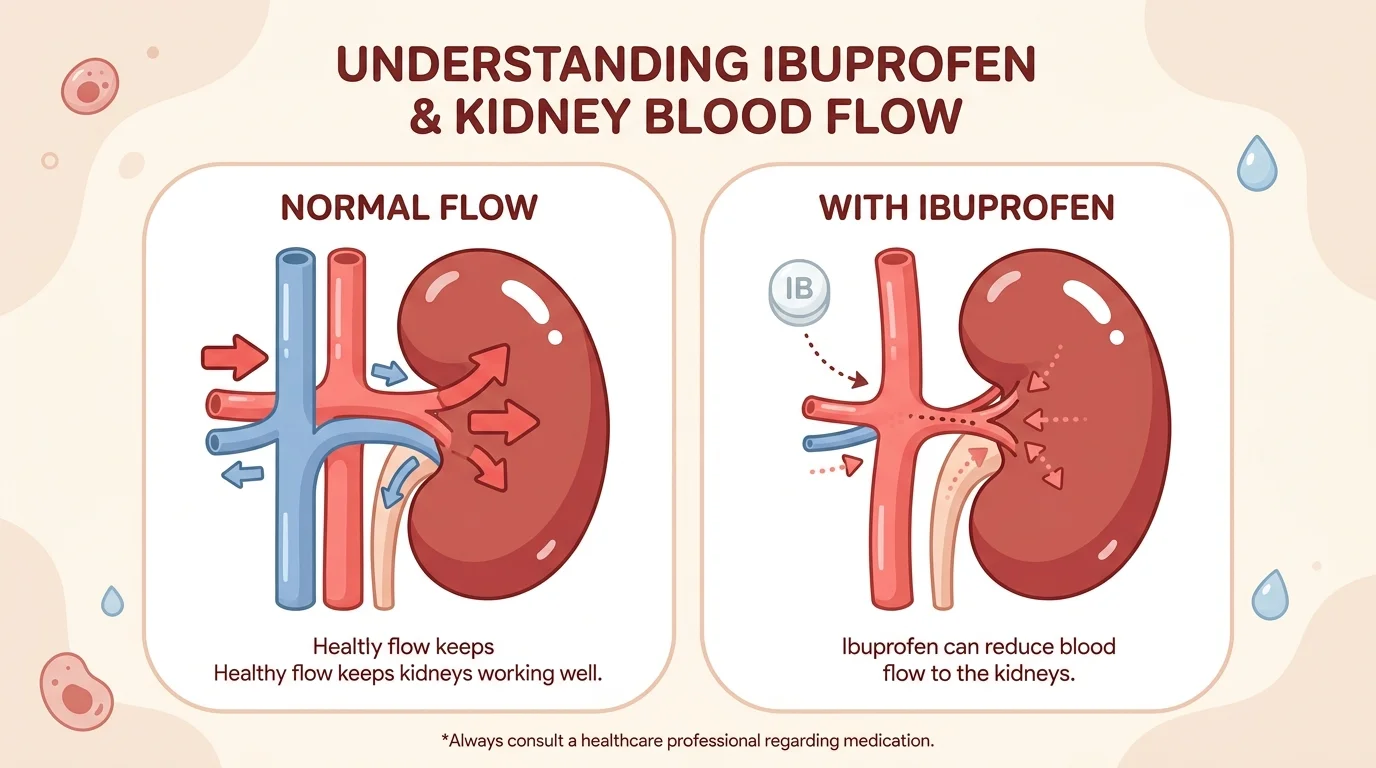
One of their biggest jobs is keeping blood flowing smoothly to your kidneys.
Think of prostaglandins like traffic controllers.
They make sure enough blood reaches your kidneys so they can do their filtering work.
Now here is where ibuprofen comes in.
Ibuprofen blocks the production of prostaglandins.
That is actually how it stops pain and inflammation.
But when prostaglandins are blocked, blood flow to your kidneys can decrease.
Less blood flow means your kidneys have to work harder.
And if this happens over and over again, your kidneys can get stressed.
In medical terms, this is called renal toxicity from NSAIDs.
For most healthy people who take ibuprofen occasionally, this is not a big deal.
Your kidneys can handle it just fine.
But for certain people, this reduced blood flow can cause real problems.
And that is where things get serious.
⚠️ Who Is at Risk for Ibuprofen Kidney Damage?

Not everyone faces the same level of risk.
Some people are much more vulnerable than others.
Let me break down who needs to be extra careful.
🧓 Elderly Adults
As we age, our kidneys naturally lose some of their function.
Older adults already have reduced blood flow to their kidneys.
Adding ibuprofen on top of that can push things over the edge.
If you are over 60, please talk to your doctor before taking ibuprofen regularly.
💧 Dehydrated People
This one catches a lot of people off guard.
When you are dehydrated, your body is already struggling to maintain blood flow.
Your kidneys need water to work properly.
If you take ibuprofen while dehydrated, you are doubling the stress on your kidneys.
This is especially risky during hot weather, after exercise, or during illness with vomiting or diarrhea.
🏥 People with Chronic Kidney Disease (CKD)
If you already have kidney problems, even mild ones, ibuprofen can make things worse.
People with CKD should generally avoid NSAIDs altogether.
Your doctor might recommend safer alternatives for pain relief.
💊 People Taking Certain Medications
Some medications already put stress on your kidneys.
If you combine them with ibuprofen, the risk goes up significantly.
These include:
- ACE inhibitors (blood pressure medicines)
- Diuretics (water pills)
- Certain antibiotics
- Lithium
Always tell your doctor about every medicine you take before adding ibuprofen.
🩺 People with High Blood Pressure or Heart Disease
Ibuprofen can raise blood pressure and cause fluid retention.
Both of these put extra strain on your kidneys.
If you have heart or blood pressure issues, be cautious.
🫘 What About the Liver? Ibuprofen Liver Damage Explained
Now people often ask about ibuprofen liver damage too.
So let’s clear this up.
Here is the good news.
Ibuprofen is generally considered safer for the liver than acetaminophen (Tylenol).
Tylenol is processed heavily by your liver.
If you take too much Tylenol, it can cause serious and even life-threatening liver damage.
Ibuprofen, on the other hand, is processed differently.
It does not put nearly as much stress on the liver.
But rare risks do exist.
In very rare cases, ibuprofen has been linked to liver inflammation.
This is more likely if you:
- Take extremely high doses
- Use it for a very long time
- Already have liver disease
- Drink alcohol heavily while taking it
So when it comes to the ibuprofen vs Tylenol for liver debate, ibuprofen usually wins.
But neither drug is completely without risk.
The safest approach is always using the lowest dose for the shortest time.
🚨 Signs of Kidney Stress You Should Never Ignore
Your kidneys are tough organs.
They can handle a lot before showing symptoms.
But when they do start showing signs of trouble, you need to pay attention immediately.
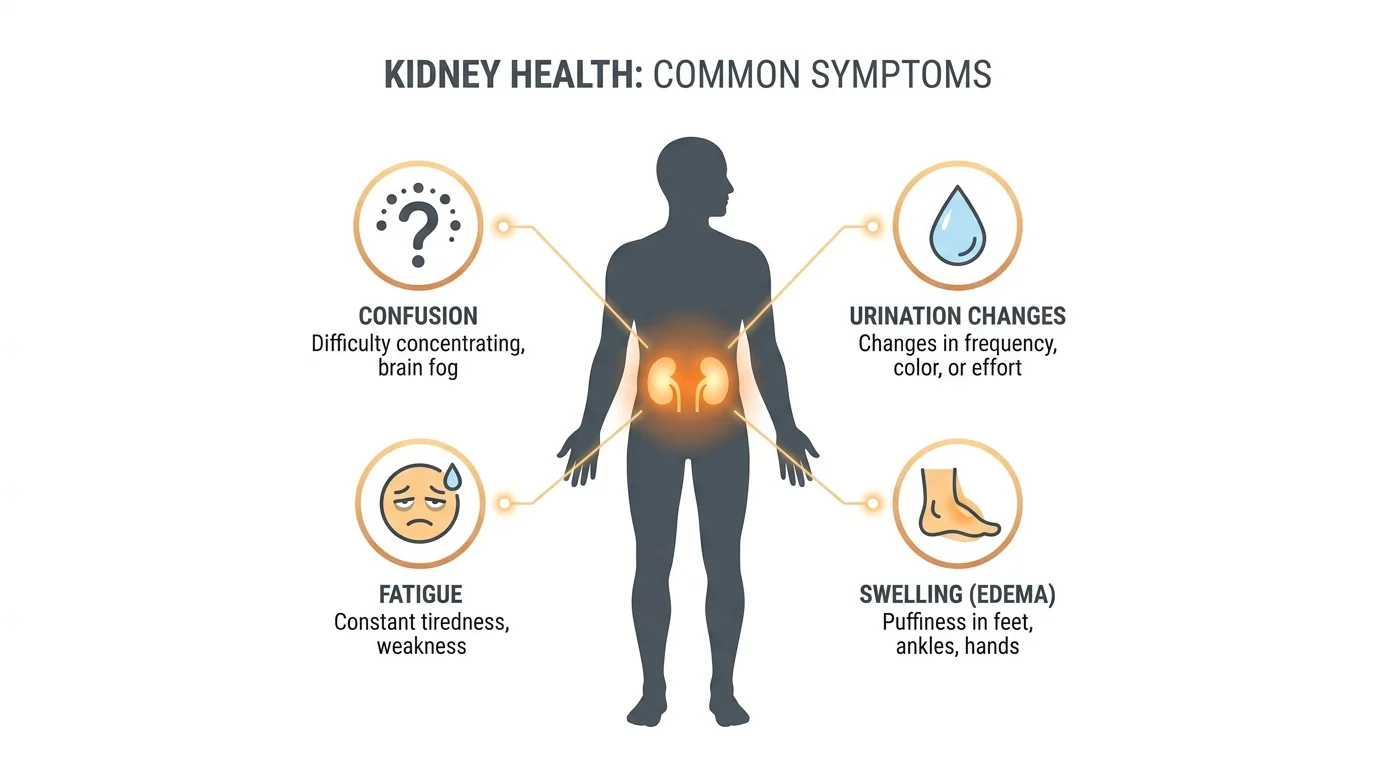
Here are warning signs that ibuprofen might be affecting your kidneys:
- Decreased urination or very dark urine
- Swelling in your ankles, feet, or legs
- Unexplained fatigue or feeling unusually tired
- Nausea or vomiting that will not go away
- Confusion or difficulty concentrating
- Shortness of breath without physical activity
- Pain or pressure in your lower back near the kidneys
- Blood in your urine (this is an emergency sign)
If you notice any of these symptoms while taking ibuprofen, stop taking it and contact your doctor right away.
Do not wait.
Do not try to tough it out.
Your kidneys are not something you want to gamble with.
🩺 When to Call Your Doctor
Sometimes people are not sure when a situation is serious enough to call a doctor.
Let me make this really simple for you.
Call your doctor if:
- You have been taking ibuprofen daily for more than a week
- You notice any of the kidney stress signs listed above
- You are over 60 and using ibuprofen regularly
- You have existing kidney disease, heart disease, or high blood pressure
- You are taking other medications that might interact with ibuprofen
- Your urine output has decreased noticeably
- You feel unusually swollen or puffy
Go to the emergency room if:
- You see blood in your urine
- You cannot urinate at all
- You experience severe abdominal or back pain with nausea
- You feel confused or extremely weak
It is always better to be safe than sorry.
A quick call to your doctor can save you from a much bigger problem down the road.
At QuickDawa, we always say the same thing.
When in doubt, reach out to a healthcare professional.
🛡️ How to Use Ibuprofen Safely and Protect Your Kidneys
The goal here is not to scare you away from ibuprofen.
It is a great medicine when used correctly.
Here are some simple tips to keep your kidneys safe:
- Use the lowest effective dose. Do not take more than you actually need.
- Take it for the shortest time possible. A day or two is usually fine. Weeks on end is not.
- Stay hydrated. Drink plenty of water when you take ibuprofen.
- Avoid combining it with other NSAIDs. Do not mix ibuprofen with aspirin or naproxen without your doctor’s okay.
- Tell your doctor about all your medications. Drug interactions are a real concern.
- Get regular kidney checkups if you use ibuprofen frequently.
- Consider alternatives like acetaminophen for pain if your kidneys are already compromised. But remember the liver considerations too.
🙋 Frequently Asked Questions (FAQ)
Q: Can you take ibuprofen with kidney disease?
A: Generally, no. If you have chronic kidney disease, ibuprofen can make it worse. Always ask your doctor for a safer pain relief option.
Q: How long does ibuprofen take to cause kidney damage?
A: Short term use rarely causes problems. But using ibuprofen daily for weeks or months increases the risk of kidney damage significantly, especially in high-risk groups.
Q: Is ibuprofen safe for elderly adults?
A: It can be risky. Older adults have reduced kidney function naturally, so ibuprofen can cause more harm. Doctors often recommend lower doses or alternative medications for seniors.
Q: Ibuprofen vs Tylenol for liver and kidney safety, which is better?
A: Ibuprofen is generally easier on the liver but harder on the kidneys. Tylenol is easier on the kidneys but harder on the liver. The best choice depends on your personal health situation, so talk to your doctor.
Q: Can ibuprofen cause blood in urine?
A: Yes, in rare cases. Blood in urine while taking ibuprofen can be a sign of kidney damage or irritation. Stop taking it and see a doctor immediately if this happens.
🌐 Sources and External References
- FDA Drug Label for Ibuprofen
- MedlinePlus: Ibuprofen
- Drugs.com: Ibuprofen Full Information
- WebMD: Ibuprofen Oral
- Mayo Clinic: Ibuprofen (Oral Route)
- RxList: Ibuprofen
🏁 Final Thoughts: Be Smart About Ibuprofen
So, does ibuprofen hurt kidneys?
The honest answer is it can, but it does not have to.
For most healthy people who use it occasionally and responsibly, ibuprofen is safe.
The real risk comes when you use it too much, too often, or when you already have conditions that put your kidneys in a vulnerable position.
Knowledge is power, and now you have it.
You know how ibuprofen works inside your body.
You know who is at higher risk.
You know the warning signs to watch for.
And you know when to call your doctor.
That puts you in a strong position to make smart decisions about your health.
At QuickDawa, we believe that understanding your medicine is just as important as taking it. Knowledge is the first step toward better health. If you found this guide helpful, share it with someone who needs it and explore more medicine guides on QuickDawa.com for trusted, easy-to-understand health information.
Got a question about ibuprofen or any other medicine? Drop it in the comments below or reach out to us through our contact page. We love hearing from our readers and we are always happy to help.
⚠️ Medical Disclaimer
The information provided in this article is intended for educational and informational purposes only. It is not a substitute for professional medical advice, diagnosis, or treatment. Always seek the guidance of your qualified doctor, pharmacist, or healthcare provider with any questions you may have regarding a medical condition, medication, or treatment plan.
Never disregard professional medical advice or delay seeking it because of something you read on QuickDawa.com or any other website. If you think you may have a medical emergency, call your doctor, go to the nearest emergency room, or call emergency services immediately.
Drug information, dosages, and interactions described in this post are provided for general awareness only and may not apply to your individual health situation. Medications affect people differently based on age, weight, health conditions, and other factors.
QuickDawa.com and its authors do not assume any liability for any consequences arising from the use or misuse of information presented on this website.