Ibuprofen Breastfeeding Safety – What Every Nursing Mom Should Know | QuickDawa
You just had your baby.
Your body is recovering.
Maybe your back aches from those late night feedings.
Maybe you have a pounding headache that just will not quit.
Or perhaps you are dealing with cramps, soreness, or postpartum pain that makes everything harder.
You reach for ibuprofen because it has always been your go to pain reliever.
But then you freeze.
Wait, can I take this while breastfeeding?
Will it hurt my baby?
Is ibuprofen breastfeeding safety really guaranteed?
These questions race through your mind, and honestly, they are completely valid.
Every nursing mom worries about what passes through her milk.
You want relief, but you would never risk your baby’s health for it.
That internal battle is exhausting.
The good news is that you do not have to guess.
Actual medical research and expert guidelines give us clear answers about ibuprofen while nursing.
And that is exactly what this post will cover for you today.
At QuickDawa, we are all about making medicine easy to understand.
So let’s break down everything you need to know about ibuprofen breastfeeding safety in simple, clear language.
💊 What Is Ibuprofen?
Ibuprofen is a nonsteroidal anti inflammatory drug, often called an NSAID.
It is one of the most popular over the counter pain relievers in the world.
Common brand names include Advil, Motrin, and Nurofen.
It works by reducing inflammation, lowering fever, and relieving mild to moderate pain.
People use it for headaches, muscle pain, menstrual cramps, toothaches, and arthritis.
It is available in tablets, capsules, liquid gels, and even liquid suspensions.
🤱 Is Ibuprofen Safe While Breastfeeding?
Let’s get straight to the point.
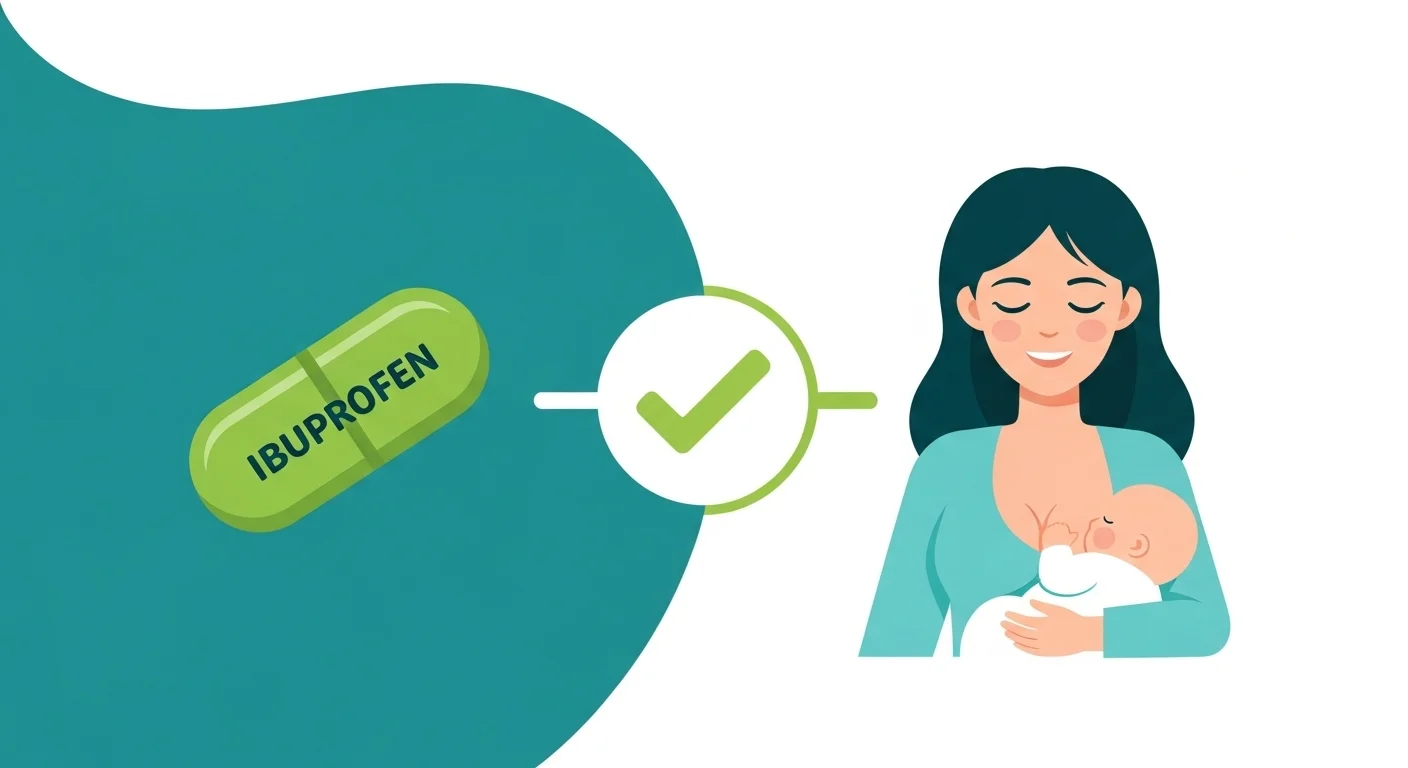
Yes, ibuprofen is generally considered safe during breastfeeding.
This is not just a random opinion.
Major medical organizations support this statement.
The American Academy of Pediatrics (AAP) lists ibuprofen as compatible with breastfeeding.
The World Health Organization (WHO) also considers it acceptable for nursing mothers.
LactMed, which is a trusted drug and lactation database by the NIH, confirms the same.
So if you were worried, take a breath.
Ibuprofen breastfeeding safety is well studied and well supported.
But let’s go deeper so you fully understand why.
🔬 How Much Ibuprofen Transfers to Breast Milk?
This is where things get really reassuring.
Only a very tiny amount of ibuprofen passes into breast milk.
Studies show that less than 0.7% of the mother’s dose reaches the milk.
That is an incredibly small amount.
To put that in perspective, your baby would receive far less than a normal infant dose.
Ibuprofen also has a short half life of about 2 hours.
This means your body processes it and clears it out relatively quickly.
So the amount that actually reaches your baby through nursing is almost negligible.
This is one of the main reasons experts consider ibuprofen transfer to breast milk a non issue for most mothers.
⏰ Best Time to Take Ibuprofen While Nursing
Even though ibuprofen is considered safe, you can minimize exposure even further.
Here is a simple tip that many doctors recommend.
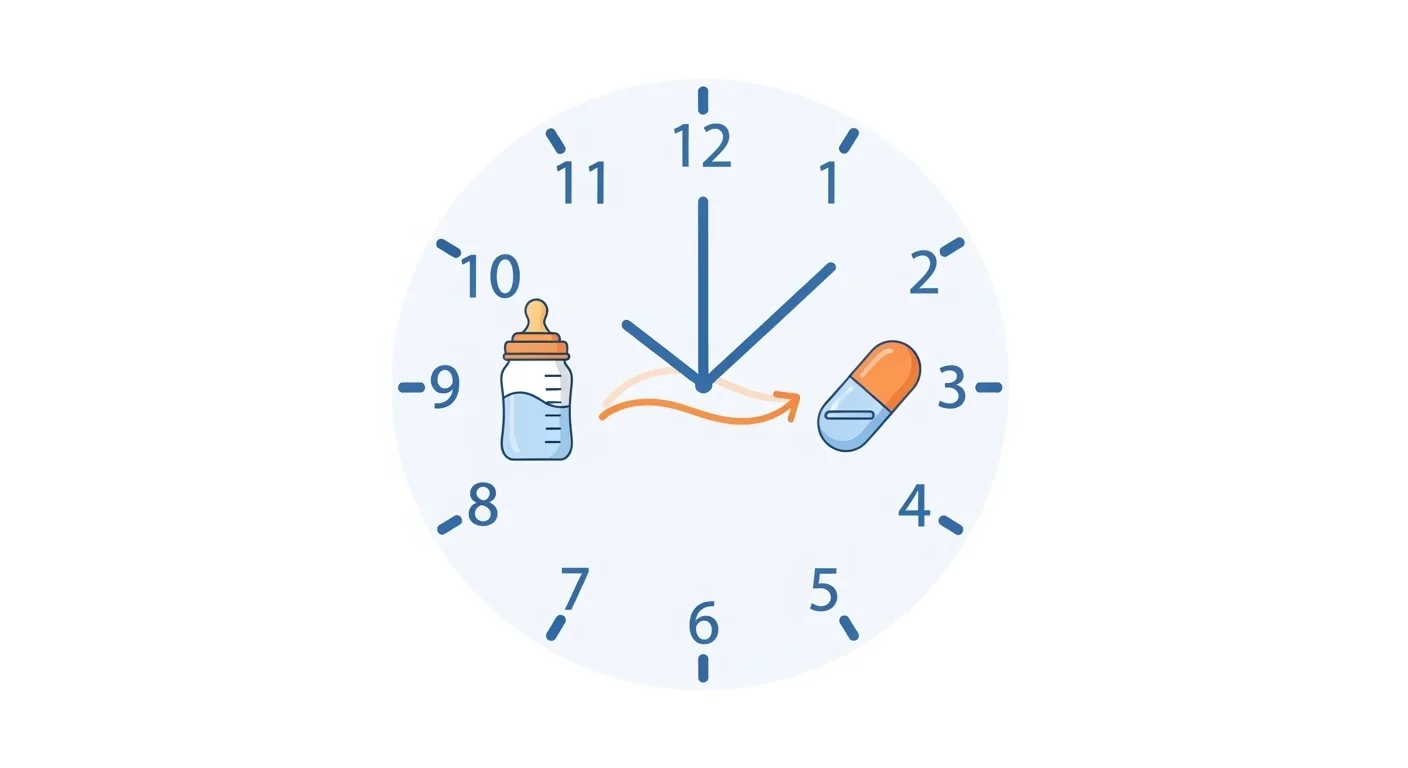
Take ibuprofen right after you finish a feeding session.
This gives your body maximum time to process the drug before your next feeding.
By the time your baby nurses again, the ibuprofen levels in your milk will be even lower.
It is a small step, but it can give you extra peace of mind.
You do not need to pump and dump your milk after taking ibuprofen.
That is a common myth that causes unnecessary stress.
Your milk is perfectly fine to give your baby.
💊 Recommended Ibuprofen Dosage for Breastfeeding Moms
Sticking to the right dose is important.
Here is what is generally recommended for adults.
- Standard dose: 200mg to 400mg per dose
- Frequency: Every 4 to 6 hours as needed
- Maximum daily dose: 1200mg for over the counter use (unless a doctor says otherwise)
- Prescription strength maximum: Up to 3200mg per day under medical supervision
For breastfeeding moms, the advice is simple.
Use the lowest effective dose for the shortest time needed.
If 200mg takes care of your headache, there is no reason to take 400mg.
Less is more when you are nursing.
And always follow the instructions on the label or your doctor’s guidance.
At QuickDawa, we always encourage moms to start low and see how they feel.
⚠️ Side Effects to Watch For in Your Baby
Serious side effects from ibuprofen through breast milk are extremely rare.
But as a responsible mom, you should still know what to look out for.
Contact your doctor if your baby shows any of these signs after you take ibuprofen.
- Unusual fussiness or irritability
- Difficulty feeding or refusing the breast
- Excessive sleepiness or drowsiness
- Vomiting or diarrhea
- Skin rash or hives
Again, these reactions are very uncommon with ibuprofen.
But it is always better to stay alert and aware.
Trust your instincts as a mother.
If something feels off, reach out to your pediatrician.
🚫 When Should You Avoid Ibuprofen While Breastfeeding?
Ibuprofen is safe for most nursing moms, but there are some exceptions.
You should avoid ibuprofen if:
- Your baby was born premature and has specific health concerns
- Your baby has kidney problems or other serious conditions
- You have a history of stomach ulcers or gastrointestinal bleeding
- You are allergic to NSAIDs like aspirin or naproxen
- You are taking blood thinners or other medications that interact with ibuprofen
- Your doctor has specifically told you to avoid NSAIDs
In these situations, talk to your healthcare provider about safer alternatives.
Acetaminophen (Tylenol) is often recommended as another breastfeeding friendly option.
🆚 Ibuprofen vs Acetaminophen for Breastfeeding Moms
Both ibuprofen and acetaminophen are considered safe while nursing.
But they work a little differently.
Here is a quick comparison.
Ibuprofen (Advil, Motrin)
- Reduces pain, fever, and inflammation
- Best for muscle aches, cramps, and swelling
- Very low transfer to breast milk
- Considered compatible with breastfeeding
Acetaminophen (Tylenol)
- Reduces pain and fever
- Does not reduce inflammation
- Also has very low transfer to breast milk
- Considered compatible with breastfeeding
Some moms actually alternate between the two for better pain control.
But always check with your doctor before combining any medications.
The key takeaway is that both options are available to you.
You do not have to suffer through pain just because you are breastfeeding.
📞 When to Call Your Doctor
Sometimes you need more than just over the counter relief.
Call your doctor if:
- Your pain is severe and ibuprofen is not helping
- You need to take ibuprofen for more than 10 days straight
- You notice any unusual symptoms in your baby after nursing
- You are unsure about drug interactions with other medications you take
- You have a medical condition that might make ibuprofen risky
Your doctor can evaluate your specific situation and recommend the best plan.
Never feel embarrassed to ask questions about medications while breastfeeding.
It shows you are a caring and responsible parent.
🙋 Frequently Asked Questions (FAQ)
Q: Can you take ibuprofen while breastfeeding a newborn?
A: Yes, ibuprofen is considered safe for breastfeeding mothers, even with newborns. The amount that transfers to breast milk is extremely low and unlikely to affect your baby.
Q: How long does ibuprofen stay in breast milk?
A: Ibuprofen has a short half life of about 1.8 to 2 hours. It is mostly cleared from your system within 4 to 6 hours. Taking it right after a feeding session further reduces exposure.
Q: Is ibuprofen safe for baby through breast milk?
A: Yes, major health organizations like the AAP and WHO consider ibuprofen compatible with breastfeeding. Less than 1% of the mother’s dose reaches the baby through milk.
Q: Ibuprofen vs acetaminophen for breastfeeding: which is better?
A: Both are safe options. Ibuprofen is better for pain with inflammation (like cramps or swelling). Acetaminophen is better for general pain and fever. Many doctors consider ibuprofen a top choice for postpartum pain relief during breastfeeding.
Q: Can ibuprofen reduce breast milk supply?
A: There is no strong evidence that occasional ibuprofen use affects milk supply. However, long term or high dose NSAID use could theoretically have an effect. Stick to the lowest dose for the shortest time to be safe.
🏁 Conclusion
Being a breastfeeding mom comes with so many questions.
And worrying about every medication is completely normal.
But when it comes to ibuprofen breastfeeding safety, the science is reassuring.
Ibuprofen transfers to breast milk in very small amounts.
It is considered compatible with nursing by the biggest health organizations in the world.
The key is to use the lowest effective dose for the shortest time.
Take it right after feeding when possible.
And always keep an eye on your baby for any unusual changes.
You deserve to feel comfortable and pain free while caring for your little one.
Do not let fear of medication keep you suffering unnecessarily.
At QuickDawa, we believe that understanding your medicine is just as important as taking it. Knowledge is the first step toward better health. If you found this guide helpful, share it with someone who needs it and explore more medicine guides on QuickDawa.com for trusted, easy to understand health information.
Have a question we did not cover? Drop it in the comments below or visit our contact page and we will get back to you as soon as we can!
⚠️ Medical Disclaimer
The information provided in this article is intended for educational and informational purposes only. It is not a substitute for professional medical advice, diagnosis, or treatment. Always seek the guidance of your qualified doctor, pharmacist, or healthcare provider with any questions you may have regarding a medical condition, medication, or treatment plan.
Never disregard professional medical advice or delay seeking it because of something you read on QuickDawa.com or any other website. If you think you may have a medical emergency, call your doctor, go to the nearest emergency room, or call emergency services immediately.
Drug information, dosages, and interactions described in this post are provided for general awareness only and may not apply to your individual health situation. Medications affect people differently based on age, weight, health conditions, and other factors.
QuickDawa.com and its authors do not assume any liability for any consequences arising from the use or misuse of information presented on this website.