

Ibuprofen Drug Interactions List – Never Mix These Medicines!
Imagine this for a moment.
You have a terrible headache after a long, stressful day.
You reach into your medicine cabinet and grab an ibuprofen tablet.
Simple, right?
But wait.
You are already taking a blood pressure pill every morning.
Or maybe your doctor recently put you on a blood thinner.
Could popping that ibuprofen cause a serious problem?
The answer might surprise you.
Ibuprofen is one of the most popular painkillers on the planet.
Millions of people take it every single day without thinking twice.
But here is the thing most people do not realize.
Ibuprofen can interact with dozens of other medications.
Some of these interactions are mild and manageable.
Others can be genuinely dangerous and even life threatening.
Knowing the full ibuprofen drug interactions list is not just helpful.
It could actually save your life or protect you from a trip to the emergency room.
That is exactly why I put together this detailed, easy to read guide.
At QuickDawa, we are all about making medicine easy to understand.
So let’s break down everything you need to know about ibuprofen interactions in simple, clear language.
No confusing medical jargon.
Just the facts you need to stay safe.
💊 What Is Ibuprofen?
Ibuprofen belongs to a class of medicines called NSAIDs (nonsteroidal anti inflammatory drugs).
It helps reduce pain, fever, and inflammation in the body.
Popular brand names include Advil, Motrin, and Brufen.
You can buy it over the counter in most pharmacies worldwide.
People commonly use it for headaches, toothaches, menstrual cramps, muscle pain, and arthritis.
🔴 Why Do Ibuprofen Drug Interactions Matter?
Before we dive into the full ibuprofen drug interactions list, let’s talk about why this matters.
When two medicines interact inside your body, they can change how each one works.
Sometimes one drug makes the other stronger than it should be.
Sometimes one drug blocks the effect of the other completely.
And sometimes mixing two medicines creates a brand new side effect that neither drug would cause alone.
Ibuprofen is especially tricky because it affects your blood, kidneys, stomach, and heart.
That means it can clash with a wide range of medications.
Let’s go through the most important ones category by category.
🩸 Ibuprofen and Blood Thinners (Anticoagulants)
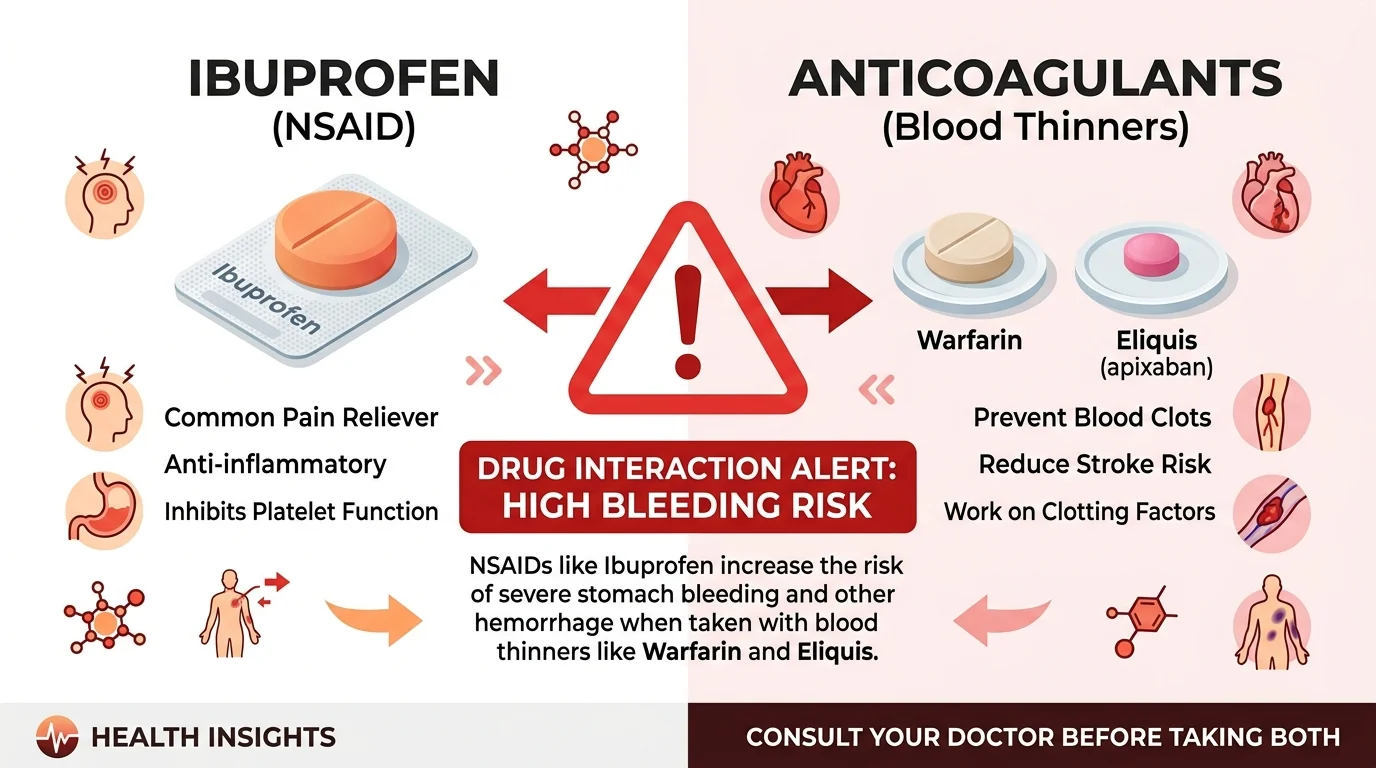
This is one of the most serious interactions on the list.
If you take ibuprofen and blood thinners together, your risk of bleeding goes up significantly.
Warfarin (Coumadin)
Warfarin is a common blood thinner prescribed to prevent blood clots.
Ibuprofen can boost the blood thinning effect of warfarin.
This means your blood may become too thin.
You could experience unexpected bleeding from your gums, nose, or even internally.
Internal bleeding in the stomach is especially dangerous and can be hard to notice at first.
Bottom line: Never take ibuprofen with warfarin unless your doctor specifically approves it.
Apixaban (Eliquis) and Rivaroxaban (Xarelto)
These are newer blood thinners that doctors prescribe frequently today.
They are called direct oral anticoagulants or DOACs.
Taking ibuprofen alongside Eliquis or Xarelto can also increase bleeding risk.
The combination irritates the stomach lining while also making your blood slower to clot.
That is a recipe for trouble.
If you are on any anticoagulant, talk to your doctor before touching ibuprofen.
They might suggest acetaminophen (Tylenol) as a safer pain relief option for you.
💊 Major Interaction: Ibuprofen and Other NSAIDs (Including Aspirin)
Here is something many people do not know.
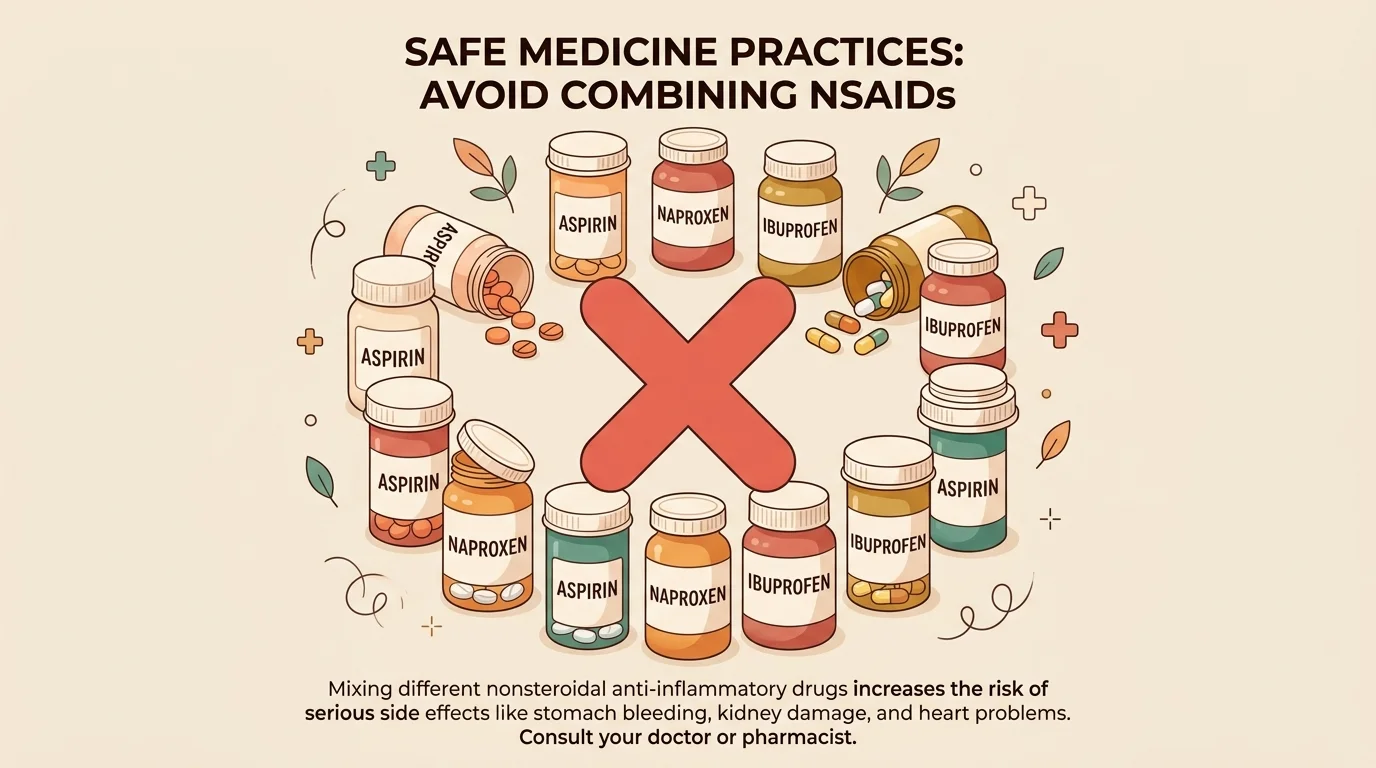
You should not take ibuprofen with another NSAID at the same time.
Why Doubling Up on NSAIDs Is Dangerous
Taking two NSAIDs together does not give you double the pain relief.
Instead, it doubles your risk of side effects.
We are talking about stomach ulcers, kidney damage, and bleeding.
Common NSAIDs that should not be combined with ibuprofen include:
- Aspirin (low dose or regular dose)
- Naproxen (Aleve)
- Diclofenac (Voltaren)
- Meloxicam (Mobic)
- Celecoxib (Celebrex)
- Indomethacin
The Ibuprofen and Aspirin Problem
This one deserves special attention.
Many people take low dose aspirin (81 mg) daily to protect their heart.
If you take ibuprofen before or around the same time as your aspirin, the ibuprofen can actually block aspirin from doing its job.
That means your heart protection goes away.
The FDA has issued a warning about this specific interaction.
If you must use both, take your aspirin first thing in the morning.
Then wait at least 30 minutes before taking ibuprofen.
Or better yet, ask your doctor for a safer alternative.
🧠 Ibuprofen and Antidepressants (SSRIs and SNRIs)
This is one that catches a lot of people off guard.
If you are taking an antidepressant, ibuprofen and antidepressants together can increase your bleeding risk.
How SSRIs Affect Bleeding
SSRIs (selective serotonin reuptake inhibitors) are among the most prescribed antidepressants.
Common SSRIs include:
- Fluoxetine (Prozac)
- Sertraline (Zoloft)
- Citalopram (Celexa)
- Escitalopram (Lexapro)
- Paroxetine (Paxil)
SSRIs affect serotonin levels in your body.
Serotonin plays a role in blood clotting.
When you combine an SSRI with ibuprofen, you are essentially weakening your body’s clotting ability from two different angles.
The result?
A higher chance of bruising, stomach bleeding, or other bleeding events.
SNRIs Are Included Too
SNRIs like venlafaxine (Effexor) and duloxetine (Cymbalta) carry the same risk.
If you take any antidepressant and need pain relief, please talk to your pharmacist or doctor first.
They can help you find a safer choice.
At QuickDawa, we always encourage our readers to double check before mixing medications.
It takes just one phone call to your pharmacist and it could prevent a serious problem.
💉 Ibuprofen and Blood Pressure Medications
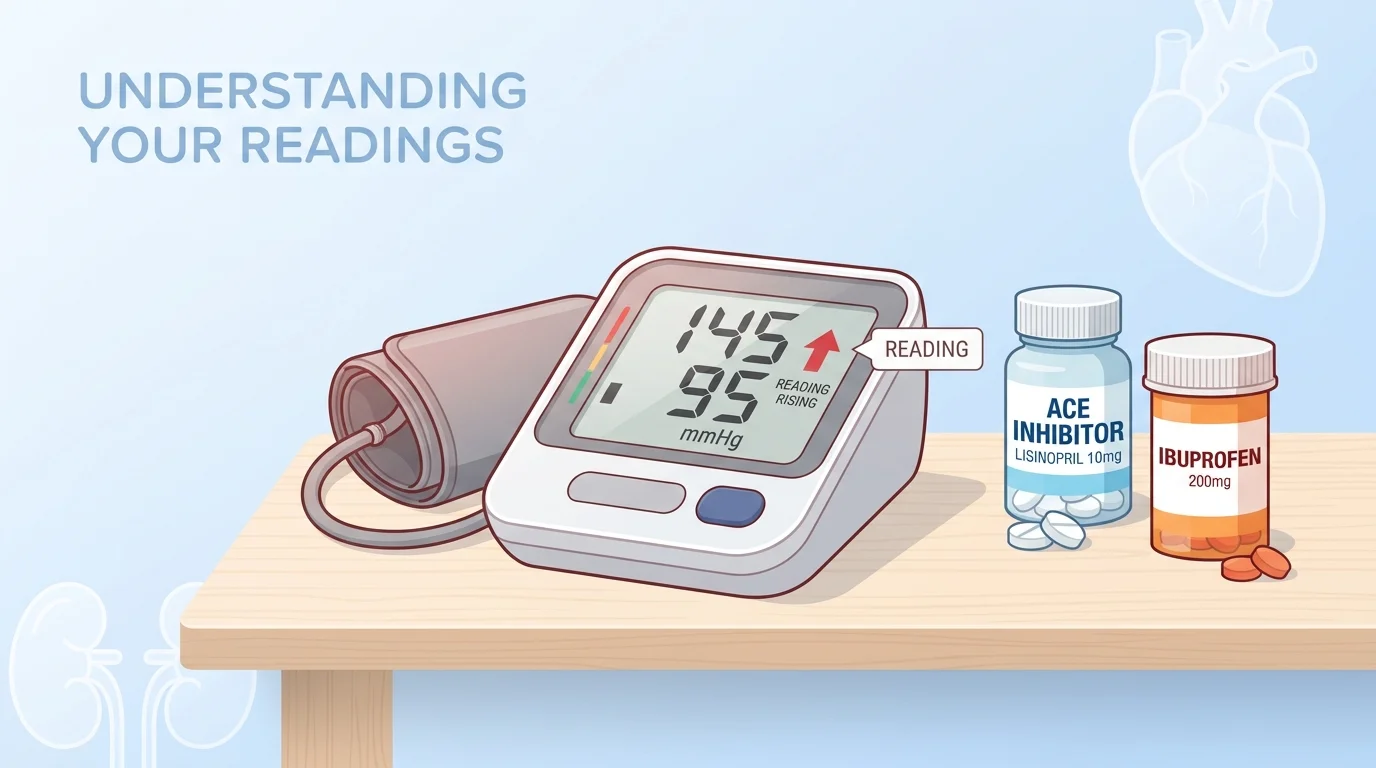
If you have high blood pressure, this section is extremely important for you.
Ibuprofen can raise your blood pressure.
And it can reduce the effectiveness of the medicines you take to lower it.
ACE Inhibitors
ACE inhibitors are a very common group of blood pressure drugs.
Examples include:
- Lisinopril (Zestril, Prinivil)
- Enalapril (Vasotec)
- Ramipril (Altace)
- Benazepril (Lotensin)
When you take ibuprofen with an ACE inhibitor, the ibuprofen can partially cancel out the blood pressure lowering effect.
Your blood pressure may creep back up without you even realizing it.
Over time, this puts extra strain on your heart and kidneys.
ARBs (Angiotensin Receptor Blockers)
ARBs work similarly to ACE inhibitors.
Common ones include losartan (Cozaar), valsartan (Diovan), and irbesartan (Avapro).
Ibuprofen interacts with ARBs the same way it does with ACE inhibitors.
Diuretics (Water Pills)
Diuretics like hydrochlorothiazide and furosemide (Lasix) help your body get rid of excess fluid.
Ibuprofen can reduce the effectiveness of diuretics.
This means your body holds onto more water and salt.
Your blood pressure goes up.
And your kidneys have to work harder.
The Triple Whammy
Doctors sometimes call the combination of an NSAID + ACE inhibitor/ARB + diuretic the “triple whammy.”
This combination significantly increases the risk of acute kidney injury.
If you are on two blood pressure medicines and want to take ibuprofen, please stop and call your doctor first.
This is not something to take lightly.
💊 Can I Take Ibuprofen With Antibiotics?
This is a question we get a lot here at QuickDawa.
The good news is that most common antibiotics are safe to take alongside ibuprofen.
Antibiotics like amoxicillin, azithromycin, and cefalexin generally do not interact with ibuprofen.
However, there are some exceptions you should know about.
Fluoroquinolone Antibiotics
Antibiotics in the fluoroquinolone family may increase the risk of seizures when combined with NSAIDs like ibuprofen.
These include:
- Ciprofloxacin (Cipro)
- Levofloxacin (Levaquin)
- Moxifloxacin (Avelox)
The risk is low for most people.
But if you have a history of seizures or epilepsy, be extra cautious.
Always let your doctor know every medicine you are taking, including over the counter ones like ibuprofen.
📋 Quick Reference: Ibuprofen Drug Interactions List
Here is a handy summary table of the key interactions we covered.
Here is a handy summary of the key interactions we covered.
- Warfarin (Coumadin) — High risk — Increased bleeding risk
- Apixaban (Eliquis) — High risk — Increased bleeding risk
- Rivaroxaban (Xarelto) — High risk — Increased bleeding risk
- Low dose Aspirin — Moderate to High risk — Blocks aspirin’s heart protection
- Other NSAIDs (Naproxen, Diclofenac) — High risk — Stomach ulcers and kidney damage
- SSRIs (Prozac, Zoloft, Lexapro) — Moderate risk — Increased bleeding risk
- SNRIs (Effexor, Cymbalta) — Moderate risk — Increased bleeding risk
- ACE Inhibitors (Lisinopril) — Moderate risk — Reduced blood pressure control and kidney stress
- ARBs (Losartan, Valsartan) — Moderate risk — Reduced blood pressure control
- Diuretics (Lasix, HCTZ) — Moderate risk — Reduced effectiveness and kidney risk
- Fluoroquinolone Antibiotics — Low to Moderate risk — Possible seizure risk
Keep this ibuprofen drug interactions list bookmarked for quick reference.
🚨 When to Call Your Doctor
Sometimes a drug interaction causes symptoms that need immediate medical attention.
Call your doctor or go to the emergency room right away if you notice any of the following while taking ibuprofen with other medicines:
- Black or tarry stools (this could mean stomach bleeding)
- Vomiting blood or material that looks like coffee grounds
- Unusual bruising or bleeding that will not stop
- Severe dizziness or feeling faint
- Sudden swelling in your hands, feet, or ankles
- Decreased urination or dark colored urine (kidney warning sign)
- Chest pain or shortness of breath
- Severe stomach pain that does not go away
- Skin rash or hives after starting a new combination of medicines
Do not wait to see if these symptoms go away on their own.
When it comes to drug interactions, acting quickly can make all the difference.
🙋 Frequently Asked Questions (FAQ)
Q: Can you take ibuprofen with blood thinners like warfarin?
A: It is generally not recommended because the combination significantly increases bleeding risk. Always consult your doctor before mixing ibuprofen and blood thinners.
Q: How long does ibuprofen stay in your system?
A: Ibuprofen typically stays in your body for about 4 to 6 hours after a single dose. It is mostly cleared from your system within 24 hours.
Q: Is ibuprofen safe for people with high blood pressure?
A: Ibuprofen can raise blood pressure and reduce the effectiveness of blood pressure medicines. If you have hypertension, ask your doctor before using ibuprofen regularly.
Q: Ibuprofen vs acetaminophen: which is safer with other medications?
A: Acetaminophen (Tylenol) generally has fewer drug interactions than ibuprofen. However, acetaminophen can harm the liver if overused. Your doctor can help you choose the best option for your situation.
Q: Can I take ibuprofen with antibiotics like amoxicillin?
A: Yes, most common antibiotics like amoxicillin are safe to take with ibuprofen. However, certain antibiotics like ciprofloxacin may interact, so always check with your pharmacist.
🌐 Sources and External References
- FDA Drug Label for Ibuprofen
- MedlinePlus: Ibuprofen
- Drugs.com: Ibuprofen Drug Interactions
- WebMD: Ibuprofen Oral
- Mayo Clinic: Ibuprofen (Oral Route)
- RxList: Ibuprofen
🏁 Conclusion
Ibuprofen is a powerful and effective painkiller that millions of people rely on every day.
But as we have seen in this ibuprofen drug interactions list, it does not always play nicely with other medicines.
Blood thinners, antidepressants, blood pressure drugs, other NSAIDs, and even certain antibiotics can interact with ibuprofen in ways that may hurt you.
The most important thing you can do is stay informed and always communicate with your doctor or pharmacist.
Never assume that an over the counter medicine is automatically safe to mix with your prescriptions.
A quick conversation could save you from a serious side effect.
You now have the knowledge to protect yourself and your loved ones.
At QuickDawa, we believe that understanding your medicine is just as important as taking it. Knowledge is the first step toward better health. If you found this guide helpful, share it with someone who needs it and explore more medicine guides on QuickDawa.com for trusted, easy to understand health information.
Got a question about ibuprofen or any other medicine? Drop a comment below or reach out to us through our contact page. We love hearing from our readers and are always here to help.
⚠️ Medical Disclaimer
The information provided in this article is intended for educational and informational purposes only. It is not a substitute for professional medical advice, diagnosis, or treatment. Always seek the guidance of your qualified doctor, pharmacist, or healthcare provider with any questions you may have regarding a medical condition, medication, or treatment plan.
Never disregard professional medical advice or delay seeking it because of something you read on QuickDawa.com or any other website. If you think you may have a medical emergency, call your doctor, go to the nearest emergency room, or call emergency services immediately.
Drug information, dosages, and interactions described in this post are provided for general awareness only and may not apply to your individual health situation. Medications affect people differently based on age, weight, health conditions, and other factors.
QuickDawa.com and its authors do not assume any liability for any consequences arising from the use or misuse of information presented on this website.