

Pelvic Floor Dysfunction in Men – 10 Hidden Causes, Warning Signs & How to Fix It
Did you know that nearly 1 in 7 men experience pelvic floor problems?
Pelvic floor dysfunction in men is far more common than most people realize.
Yet, most guys never talk about it.
Many men suffer in silence for years.
They feel embarrassed or confused by their symptoms.
But here’s the truth , this condition is treatable.
The pelvic floor is a group of muscles that supports important organs.
When these muscles stop working properly, everyday life gets harder.
So let’s break this down in simple words.
Understanding the causes and signs can help you take action early.
Let’s dive in. 👇
🔹 What Is Pelvic Floor Dysfunction in Men?
Think of your pelvic floor like a hammock. It sits at the bottom of your pelvis. This “hammock” holds up your bladder, bowel, and other organs.
Now imagine that hammock gets too tight. Or too loose. It can’t do its job well anymore. That’s basically what pelvic floor dysfunction is.
Pelvic floor dysfunction in men means these muscles don’t work correctly. They may squeeze too much. Or they may become too weak.
This causes problems with peeing, pooping, or even sitting comfortably. It can also affect sexual health.
Here’s a simple analogy. Imagine a door that’s stuck. Sometimes it won’t open. Sometimes it won’t close properly. Your pelvic floor muscles work like that door. When they malfunction, things don’t flow smoothly.
It’s not something to feel ashamed about. It’s a medical condition. And it has real solutions.
🔹 How Common Is Pelvic Floor Dysfunction in Men? 📊
Most people think this only affects women. That’s a big myth. Men deal with this too — more often than you’d expect.
Here are some eye-opening facts:
- About 16% of men worldwide experience some form of pelvic floor dysfunction, according to research published in medical journals.
- Chronic pelvic pain affects roughly 2–16% of men globally, often linked to pelvic floor muscle problems (Source: National Institutes of Health).
- After prostate surgery, up to 50–60% of men develop temporary pelvic floor issues, including urinary leakage.
- Many cases go undiagnosed because men avoid discussing these symptoms with their doctors.
The numbers don’t lie. This is a real and widespread issue.
🔹 Top Causes of Pelvic Floor Dysfunction in Men 🔍
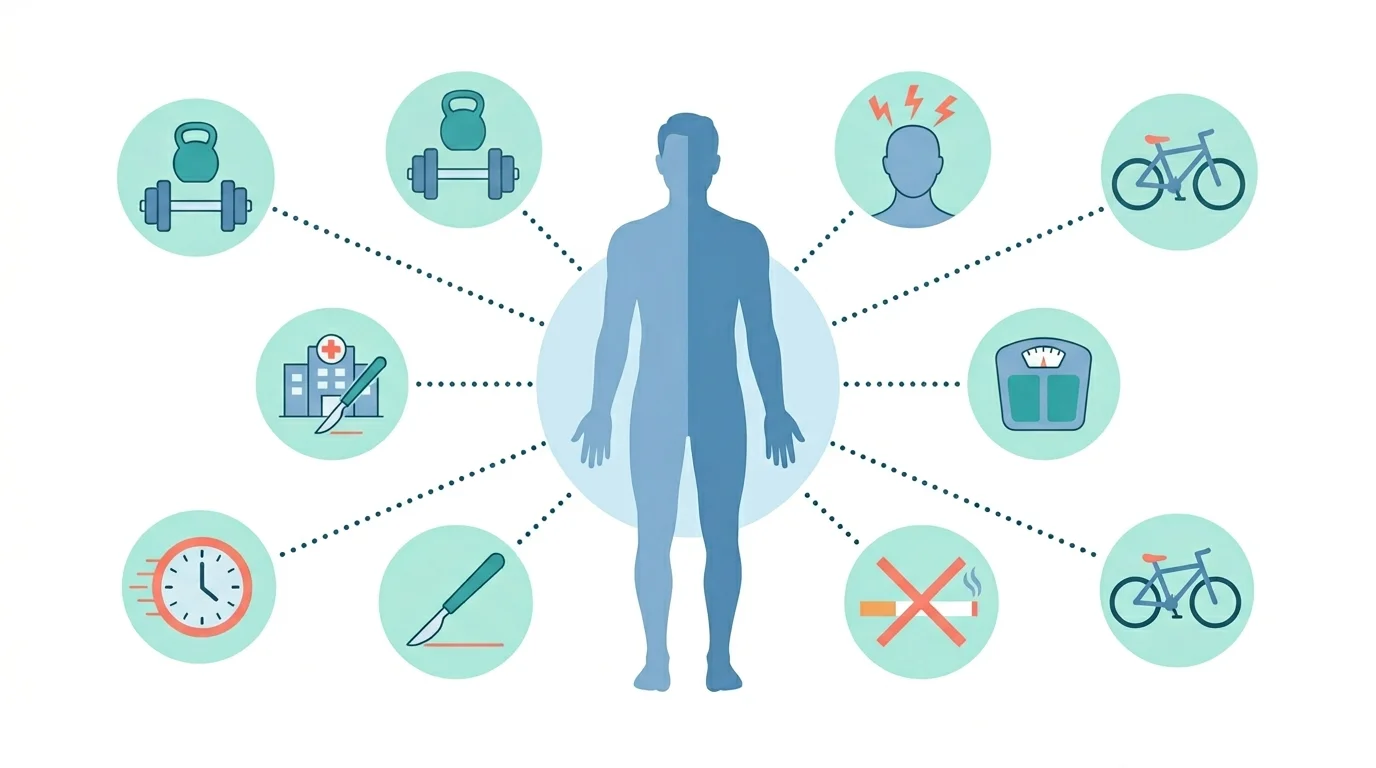
Understanding the causes is the first step to healing. Here are the most common reasons pelvic floor dysfunction in men develops.
1. Chronic Constipation and Straining
Pushing too hard during bowel movements stresses pelvic muscles. Over time, this weakens or tightens them. Imagine pulling a rubber band too many times — it loses its shape.
2. Prostate Surgery or Treatment
Prostate removal surgery can damage pelvic floor nerves. Radiation therapy can also weaken these muscles. This is one of the most common causes in older men.
For example, a man who had prostate cancer surgery may start leaking urine. That’s directly linked to a weakened pelvic floor.
3. Heavy Lifting Without Proper Form
Lifting heavy objects puts enormous pressure on the pelvic area. Doing this repeatedly without core support weakens the pelvic floor. Gym-goers and manual laborers are especially at risk.
Think about a warehouse worker lifting boxes all day. Without proper breathing and bracing, his pelvic muscles take a beating.
4. Obesity and Excess Weight
Extra body weight pushes down on pelvic organs constantly. This added pressure strains the pelvic floor over time. Maintaining a healthy weight significantly reduces this risk.
5. Chronic Coughing
Conditions like asthma, bronchitis, or smoking-related coughs create repeated downward pressure. Each forceful cough jolts the pelvic floor. Years of this can cause real damage.
6. Aging and Muscle Weakness
Like all muscles, pelvic floor muscles weaken with age. Men over 50 are at higher risk. Natural wear and tear plays a big role.
For instance, a 60-year-old man may notice increased bathroom trips at night. Weakened pelvic muscles often contribute to this.
7. High-Impact Sports and Activities
Running, jumping, and cycling can strain the pelvic area. Long-distance cyclists are particularly vulnerable. The constant pressure from the bike seat compresses pelvic nerves and muscles.
8. Stress and Anxiety 😟
Emotional stress causes muscles to tighten unconsciously. The pelvic floor is no exception. Chronic stress keeps these muscles in a constant state of tension.
This creates pain, discomfort, and dysfunction over time.
9. Previous Pelvic or Lower Back Injury
An old injury to the lower back, hip, or pelvis can change how pelvic muscles work. Scar tissue may form. This alters normal muscle function permanently if untreated.
10. Nerve Damage
Conditions like diabetes can damage pelvic nerves. Spinal cord injuries also affect nerve signals. Without proper nerve communication, muscles can’t contract or relax normally.
🔹 Warning Signs & Symptoms of Pelvic Floor Dysfunction in Men ⚠️
How do you know if something’s wrong? Watch for these key warning signs:
✅ Frequent urination — Needing to pee more than 8 times a day.
✅ Urgency — A sudden, intense need to urinate that’s hard to control.
✅ Urinary leakage — Dripping urine when you cough, laugh, or lift something.
✅ Difficulty starting urination — Feeling like you have to push to begin peeing.
✅ Chronic pelvic pain — Ongoing pain in the area between your scrotum and tailbone.
✅ Painful bowel movements — Straining, incomplete emptying, or constipation regularly.
✅ Erectile dysfunction or pain during sex — Pelvic muscle problems can directly affect sexual performance.
✅ Lower back pain with no clear cause — Sometimes pelvic floor issues radiate pain upward.
🩺 See a doctor if you notice two or more of these signs. Early diagnosis leads to better outcomes. Don’t wait until symptoms get worse.
🔹 How to Prevent Pelvic Floor Dysfunction in Men 💪

The great news? You can take steps right now to protect your pelvic floor. Here are proven prevention strategies.
1. Practice Pelvic Floor Exercises (Kegels) 🏋️
Kegels aren’t just for women. Men benefit hugely from them. Squeeze the muscles you’d use to stop peeing midstream. Hold for 5 seconds, then release. Repeat 10–15 times, three times daily.
2. Maintain a Healthy Weight
Excess weight puts constant pressure on your pelvic floor. Even losing 5–10% of your body weight helps. A balanced diet and regular movement make a real difference.
3. Lift Weights Safely
Always engage your core before lifting. Breathe out during the effort phase. Never hold your breath while straining — this increases pelvic pressure dramatically.
4. Eat a High-Fiber Diet 🥦
Fiber prevents constipation, one of the biggest pelvic floor enemies. Eat plenty of fruits, vegetables, and whole grains daily. Aim for 25–30 grams of fiber per day.
For example, start your morning with oatmeal and berries. Add vegetables to lunch and dinner. Your bowels — and pelvic floor — will thank you.
5. Stay Hydrated 💧
Drink enough water throughout the day. Proper hydration keeps stools soft and easy to pass. This reduces straining during bowel movements.
But avoid excessive caffeine and alcohol. These irritate the bladder and worsen symptoms.
6. Manage Stress and Practice Relaxation 🧘
Chronic stress tightens pelvic muscles without you realizing it. Practice deep breathing exercises daily. Yoga, meditation, and mindfulness help relax the entire pelvic region.
Even 10 minutes of calm breathing each day makes a difference. Your mental health directly affects your pelvic health.
7. Quit Smoking 🚭
Smoking causes chronic coughing. That repeated coughing weakens pelvic muscles over time. Quitting protects both your lungs and your pelvic floor.
8. Take Breaks From Prolonged Sitting
Sitting for hours compresses pelvic muscles and nerves. Stand up and move every 30–45 minutes. Simple stretching helps release pelvic tension.
If you cycle regularly, invest in a properly fitted seat. Consider padded shorts to reduce pressure on the perineum.
🔹 When to See a Doctor 🩺
Not sure if you need professional help? Use this simple checklist.
Consider seeing a doctor if you:
- Experience pelvic pain lasting more than a few weeks
- Have trouble controlling your bladder or bowel
- Notice urinary leakage during daily activities
- Feel pain during or after sex
- Have persistent lower back pain with no obvious cause
- Already tried self-care but symptoms aren’t improving
Don’t worry — pelvic floor dysfunction in men is very treatable. A pelvic floor physical therapist can create a personalized plan. Your doctor may also recommend imaging tests or biofeedback therapy.
Remember, asking for help is a sign of strength. There’s absolutely nothing embarrassing about taking care of your body. 💙
🔹 Frequently Asked Questions (FAQ) ❓
Q1: Can pelvic floor dysfunction in men be cured?
Yes, in many cases it can be fully treated. Pelvic floor physical therapy is highly effective. Lifestyle changes, exercises, and sometimes medication help most men recover significantly.
Q2: What does pelvic floor dysfunction feel like in men?
It often feels like pressure, aching, or pain between the scrotum and tailbone. Some men feel urgency to urinate frequently. Others notice pain during sex or bowel movements.
Q3: Are Kegel exercises effective for men?
Absolutely. Kegel exercises strengthen the pelvic floor muscles in men. Studies show they improve urinary control and sexual function. Consistency is key — practice them daily for best results.
Q4: Can stress cause pelvic floor dysfunction in men?
Yes, stress is a major contributor to pelvic floor dysfunction in men. Anxiety causes unconscious muscle tightening. Over time, this chronic tension leads to pain and dysfunction.
Q5: How long does it take to recover from pelvic floor dysfunction?
Recovery varies for each person. Many men see improvement within 6–8 weeks of therapy and exercises. More severe cases may take several months. Patience and consistency matter most.
🔹 Conclusion
Pelvic floor dysfunction in men is common, real, and absolutely treatable. Knowing the causes and warning signs gives you power. Simple lifestyle changes can prevent most problems from ever starting.
Don’t let embarrassment stop you from getting help. Millions of men face this — and millions recover with the right approach. Start with pelvic floor exercises, eat well, manage stress, and talk to your doctor when needed.
Your health matters. Your comfort matters. Take that first step today.
📢 Share this post with a man in your life who needs this information! Spreading awareness helps break the stigma around pelvic floor dysfunction in men.
⚕️ Medical Disclaimer
The information provided in this blog post is for educational and informational purposes only. It is not intended as a substitute for professional medical advice, diagnosis, or treatment. Always seek the advice of your physician, urologist, or other qualified healthcare provider with any questions you may have regarding a medical condition. Never disregard professional medical advice or delay seeking it because of something you have read in this article. If you think you may have a medical emergency, call your doctor or emergency services immediately. The author and publisher of this content assume no responsibility for any consequences arising from the use of this information.