Taking Ibuprofen on Empty Stomach – Why it Hurts & What to Do Instead | QuickDawa
Imagine this!
You wake up at 6 AM with a pounding headache.
Your head is throbbing and you haven’t eaten anything since last night’s dinner.
You stumble to the medicine cabinet, grab that familiar little bottle of ibuprofen, pop a pill, and swallow it with a sip of water.
Thirty minutes later, the headache might be fading, but now your stomach is burning.
Sound familiar?
You’re definitely not alone.
Taking ibuprofen on empty stomach is something millions of people do without even thinking twice.
Millions of people around the world take ibuprofen every single day for headaches, back pain, menstrual cramps, fevers, and all sorts of aches.
It’s one of the most popular painkillers on the planet.
But here’s the thing most people don’t think about, when and how you take ibuprofen matters just as much as the dose itself.
Taking ibuprofen on empty stomach is one of the most common medication mistakes people make.
And it can lead to some really uncomfortable, sometimes even serious, problems.
So today, let’s talk about why this happens and what you can do about it.
At QuickDawa, we’re all about making medicine easy to understand, so let’s break down everything you need to know about taking ibuprofen the right way, in simple, clear language.
💊 What Is Ibuprofen?
Ibuprofen is a nonsteroidal anti-inflammatory drug (NSAID).
It reduces pain, fever, and inflammation in the body.
You probably know it by brand names like Advil, Motrin, or Nurofen.
It’s available over the counter and is one of the most widely used painkillers worldwide.
Doctors recommend it for headaches, toothaches, muscle pain, arthritis, menstrual cramps, and mild fevers.
🤔 Why Taking Ibuprofen on Empty Stomach Is a Problem
Let’s keep this really simple.
Your stomach has a protective lining, think of it like a shield.
This lining keeps your stomach’s own acid from eating through the stomach wall.
Ibuprofen works by blocking certain chemicals in your body called prostaglandins.
These prostaglandins cause pain and inflammation, so blocking them helps you feel better.
But here’s the catch.
Those same prostaglandins also help protect your stomach lining.
When you take ibuprofen, especially on an empty stomach, you’re weakening that protective shield.
Without food in your stomach to act as a buffer, the ibuprofen sits directly on the stomach lining.
The stomach acid has nothing else to work on, so it goes straight for the weakened lining.
That’s when you start feeling:
- Burning sensation in the stomach
- Nausea or queasiness
- Stomach cramps or pain
- Heartburn or acid reflux
- In severe cases, even stomach ulcers or bleeding
This isn’t meant to scare you.
Most people will just feel a little stomach discomfort.
But if you keep taking ibuprofen on empty stomach regularly, you’re playing with fire.
The risk of serious stomach damage goes up over time.
🍞 Why Food or Milk Is Recommended Instead of Taking Ibuprofen on Empty Stomach
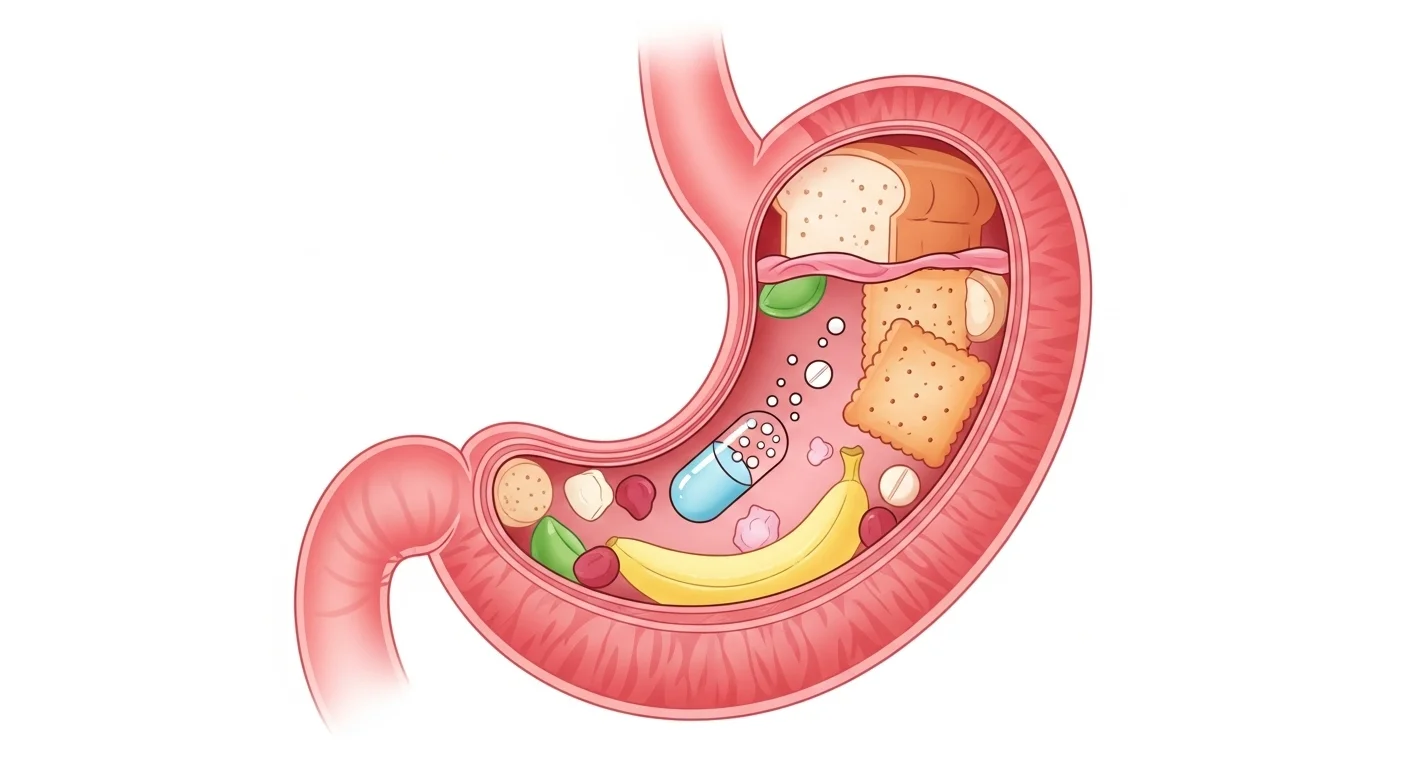
So what does food actually do?
When you eat before taking ibuprofen, the food acts like a cushion between the pill and your stomach wall.
It slows down how quickly the drug hits your stomach lining.
It also mixes with the stomach acid, so the acid isn’t as concentrated.
Think of it like this, dropping a rock on a bare floor versus dropping it on a pillow.
The pillow absorbs the impact.
Food does the same thing for your stomach.
What Should You Eat Before Taking Ibuprofen on Empty Stomach?
You don’t need a full meal.
Even a small snack works.
Here are some great options:
- A banana or a slice of toast
- A few crackers or a small bowl of oatmeal
- A cup of yogurt
- A glass of milk (yes, ibuprofen with food or milk both work)
- A handful of nuts
The key is to have something in your stomach, not a buffet, just something.
Does Milk Really Help When Taking Ibuprofen on Empty Stomach?
Yes, it does.
Milk coats the stomach lining and provides a thin layer of protection.
Many doctors actually suggest taking ibuprofen with food or milk to reduce the chance of stomach irritation.
A glass of milk is a quick and easy option if you don’t feel like eating.
But keep in mind, milk is not a magic fix.
It helps, but it doesn’t eliminate the risk completely.
Food is still the better choice if you can manage it.
💊 Swallowing Whole vs. Chewing vs. Crushing, The Best Way to Take Ibuprofen
This is a question we get a lot at QuickDawa.
Let’s clear it up once and for all.
✅ Swallowing Whole (Recommended)
The best way to take ibuprofen is to swallow the tablet whole with a full glass of water.
This is how it’s designed to work.
The tablet dissolves slowly in your stomach and gets absorbed at the right pace.
Swallowing it whole also means the drug is released gradually, which is gentler on your stomach.
❌ Chewing Ibuprofen
Unless the label specifically says “chewable,” do not chew ibuprofen tablets.
Regular ibuprofen tablets taste terrible when chewed, extremely bitter.
More importantly, chewing can cause the drug to irritate your mouth, throat, and esophagus.
It also changes how quickly the drug is absorbed, which can increase side effects.
If you have trouble swallowing pills, there are better alternatives (which we’ll cover in a moment).
🤷 Can I Crush Ibuprofen?
This depends on the type.
Standard ibuprofen tablets, technically, yes, you can crush them and mix the powder with a little soft food like applesauce or yogurt.
But only do this if you genuinely cannot swallow the pill whole.
Never crush extended-release or coated ibuprofen tablets.
These are designed to release the medicine slowly.
Crushing them breaks that design, which dumps the full dose into your system at once.
That can increase the risk of side effects and stomach damage.
Always check the label or ask your pharmacist before crushing any medication.
🔵 Liquid Gels vs. Tablets, Which One Is Better for Taking Ibuprofen on Empty Stomach?
Great question.
Let’s compare them.
Ibuprofen Tablets
- Take a bit longer to dissolve in the stomach
- Usually cheaper
- Available everywhere
- Work within 30–60 minutes typically
Ibuprofen Liquid Gels (Softgels)
- Already contain dissolved ibuprofen inside a gelatin shell
- Get absorbed faster because the drug is already in liquid form
- Tend to work within 15–30 minutes
- Slightly more expensive
- May be gentler on the stomach for some people because they dissolve more evenly
So Which Should You Choose?
If you need fast relief, liquid gels are a better option.
If you’re on a budget or need a regular supply, standard tablets work just fine.
For people with sensitive stomachs, liquid gels might cause slightly less irritation, but this varies from person to person.
Either way, both forms should still be taken with food or milk for stomach protection.
⏰ Timing Ibuprofen With Other Medications
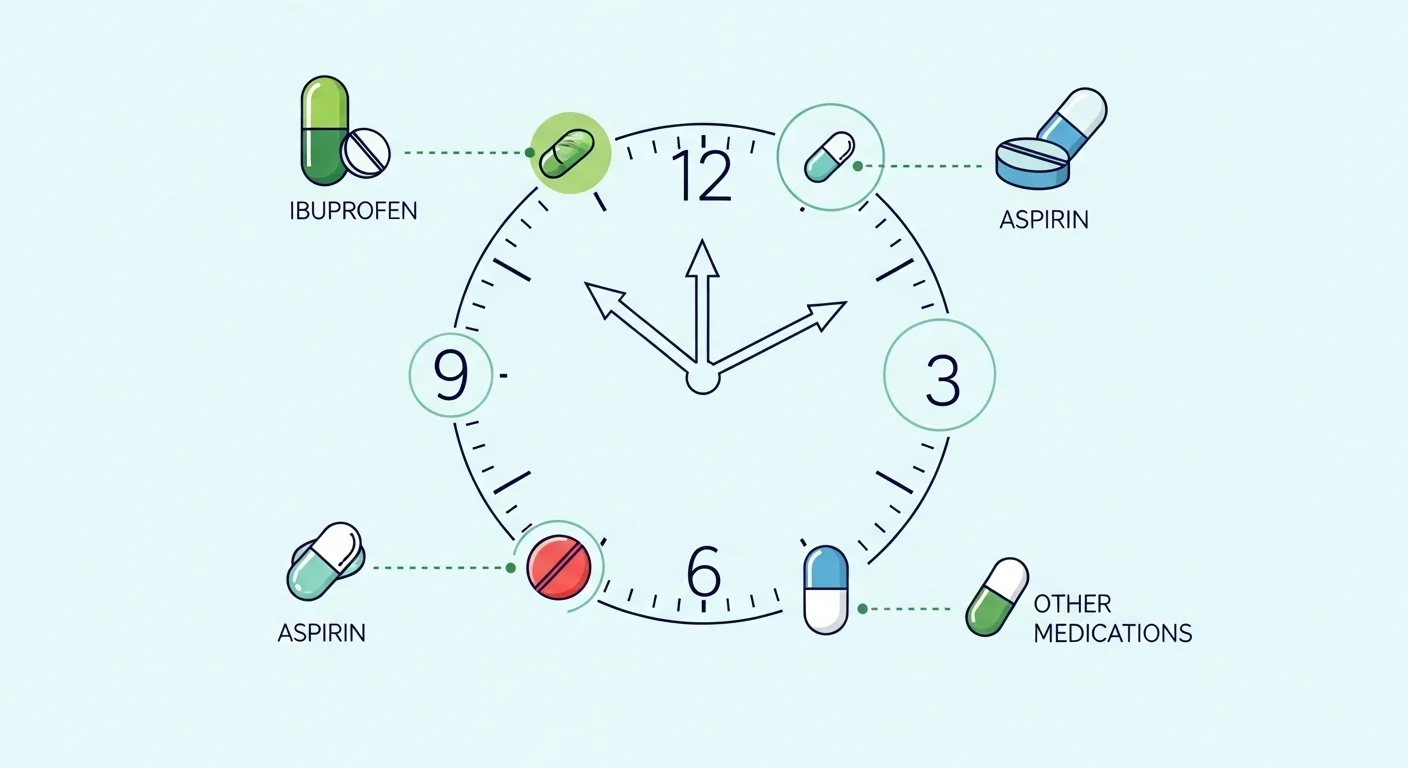
This part is really important and often overlooked.
Ibuprofen can interact with other medications.
Here are some key things to know:
Ibuprofen + Aspirin
If you take daily low-dose aspirin for heart protection, timing matters a lot.
Ibuprofen can actually block aspirin’s blood-thinning effect if taken too close together.
The general advice is to take aspirin at least 30 minutes before or 8 hours after ibuprofen.
But always confirm with your doctor.
Ibuprofen + Other NSAIDs
Never take ibuprofen with another NSAID like naproxen (Aleve) or diclofenac.
Doubling up on NSAIDs dramatically increases your risk of stomach bleeding and kidney problems.
One NSAID at a time, that’s the rule.
Ibuprofen + Blood Thinners
If you’re on blood thinners like warfarin or apixaban, ibuprofen increases bleeding risk.
Talk to your doctor before combining them.
Ibuprofen + Blood Pressure Medications
Ibuprofen can reduce the effectiveness of some blood pressure drugs.
It can also raise blood pressure on its own.
If you’re on BP medication, check with your doctor before using ibuprofen regularly.
Ibuprofen + Acetaminophen (Tylenol)
Good news, ibuprofen and acetaminophen (paracetamol/Tylenol) are generally safe to take together.
They work in different ways and can actually complement each other for pain relief.
Many doctors recommend alternating between the two for better pain management.
Just don’t exceed the recommended doses for either one.
🚨 When to Call Your Doctor After Taking Ibuprofen on Empty Stomach
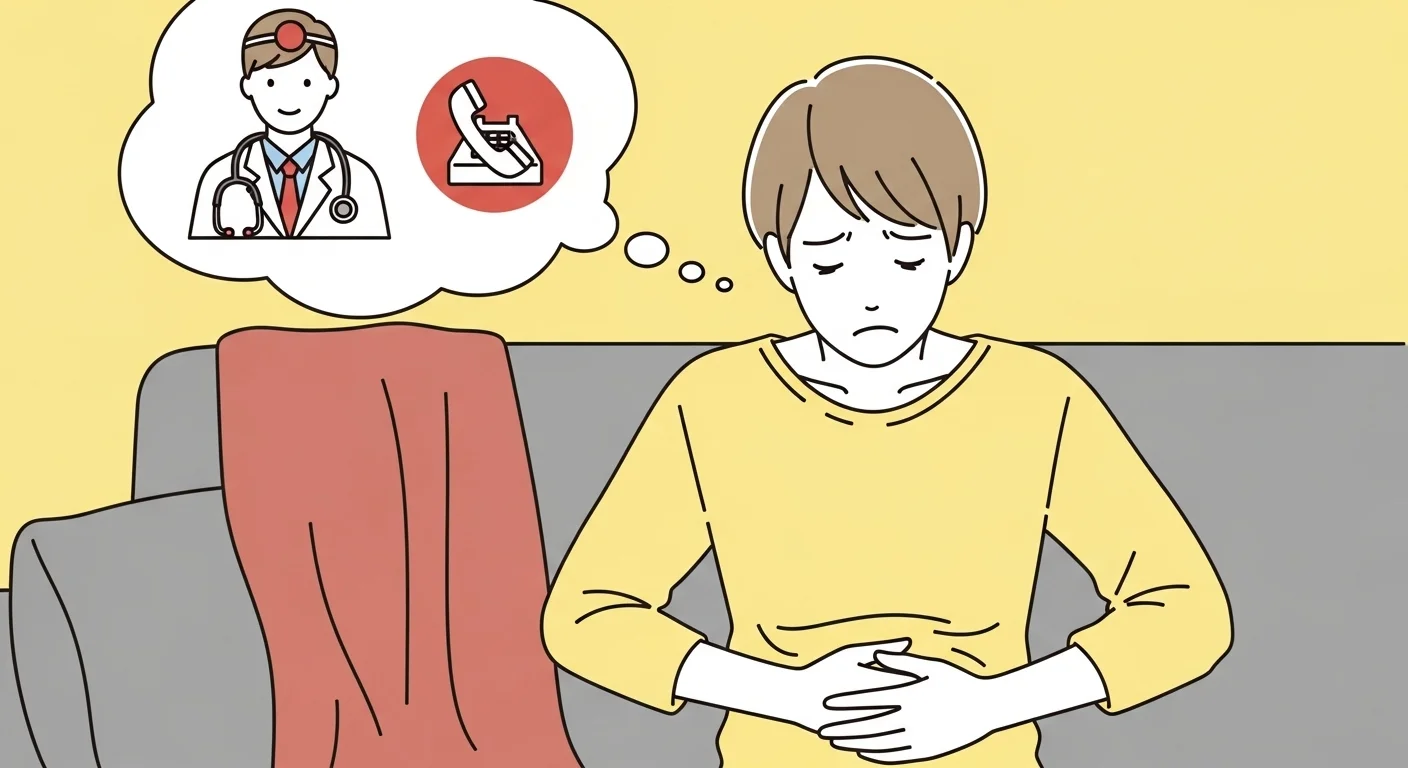
Most people take ibuprofen without any issues.
But you should contact your doctor immediately if you experience:
- Black or bloody stools (sign of stomach bleeding)
- Vomiting blood or material that looks like coffee grounds
- Severe stomach pain that won’t go away
- Chest pain, shortness of breath, or sudden weakness
- Swelling of the face, lips, tongue, or throat (allergic reaction)
- Rash or hives after taking ibuprofen
- Ringing in the ears or vision changes
- Signs of kidney problems, very little urination, swelling in feet or ankles
These symptoms are rare, but they’re serious.
Don’t wait and see, get medical help right away.
If you’ve been taking ibuprofen on empty stomach regularly and you notice ongoing stomach issues, that’s also worth a doctor’s visit.
Better safe than sorry.
🙋 Frequently Asked Questions About Taking Ibuprofen on Empty Stomach
Q: Can you take ibuprofen on an empty stomach just once?
A: A single dose on an empty stomach probably won’t cause serious harm for most healthy adults, but it may cause stomach discomfort, nausea, or heartburn. It’s still better to eat a small snack or drink milk first.
Q: How long does ibuprofen take to work on an empty stomach vs. with food?
A: On an empty stomach, ibuprofen may work slightly faster, within 15–20 minutes, because nothing slows absorption. With food, it usually takes 30–60 minutes. But the speed difference isn’t worth the stomach risk.
Q: Is ibuprofen safe for people with acid reflux or GERD?
A: Ibuprofen is generally not recommended for people with acid reflux, GERD, or a history of stomach ulcers. It can worsen these conditions significantly. Talk to your doctor about safer alternatives like acetaminophen.
Q: Ibuprofen vs. acetaminophen, which is easier on the stomach?
A: Acetaminophen (Tylenol/paracetamol) is much gentler on the stomach because it doesn’t affect prostaglandins the way ibuprofen does. If you have a sensitive stomach, acetaminophen is usually the safer choice for pain and fever.
Q: Can I take ibuprofen for a toothache without food?
A: Ibuprofen works great for toothache pain because it reduces both pain and inflammation. But even in a dental emergency, try to eat a cracker, drink some milk, or have a small snack before taking it. Your teeth will still get relief, and your stomach will thank you.
🌐 Sources & External References
Here are trusted medical sources where you can learn more about ibuprofen:
- FDA Drug Label, Ibuprofen, Official FDA information
- MedlinePlus, Ibuprofen, U.S. National Library of Medicine
- Drugs.com, Ibuprofen Full Information, Comprehensive drug guide
- WebMD, Ibuprofen Oral, Uses, side effects, interactions
- Mayo Clinic, Ibuprofen (Oral Route), Proper use and precautions
- RxList, Ibuprofen, Professional drug information
🏁 Final Thoughts, Stop Taking Ibuprofen on Empty Stomach
Let’s wrap this up with the key takeaways.
Ibuprofen is an incredibly effective painkiller.
It works fast, it’s affordable, and it’s available almost everywhere.
But like any medicine, how you take it matters.
Taking ibuprofen on empty stomach can irritate your stomach lining, cause nausea, and over time lead to ulcers or bleeding.
The fix is simple, eat a small snack, drink a glass of milk, or have a bite of something before you take it.
Swallow the tablet whole with plenty of water.
If you need faster relief, try liquid gels.
And never mix ibuprofen with other NSAIDs.
A little bit of awareness goes a long way in keeping you safe.
At QuickDawa, we believe that understanding your medicine is just as important as taking it. Knowledge is the first step toward better health. If you found this guide helpful, share it with someone who needs it, and explore more medicine guides on QuickDawa.com for trusted, easy-to-understand health information.
💬 Got questions? Drop them in the comments below or reach out to us through the QuickDawa Contact Page. We’d love to hear from you!
⚠️ Medical Disclaimer
The information provided in this article is intended for educational and informational purposes only. It is not a substitute for professional medical advice, diagnosis, or treatment. Always seek the guidance of your qualified doctor, pharmacist, or healthcare provider with any questions you may have regarding a medical condition, medication, or treatment plan.
Never disregard professional medical advice or delay seeking it because of something you read on QuickDawa.com or any other website. If you think you may have a medical emergency, call your doctor, go to the nearest emergency room, or call emergency services immediately.
Drug information, dosages, and interactions described in this post are provided for general awareness only and may not apply to your individual health situation. Medications affect people differently based on age, weight, health conditions, and other factors.
QuickDawa.com and its authors do not assume any liability for any consequences arising from the use or misuse of information presented on this website.