Natural Anti-Inflammatory Instead of Ibuprofen – 7 Proven Options You Must Try | QuickDawa
Let me paint a picture for you.
You wake up with a stiff, aching back.
Or maybe your knees are screaming after a long walk.
Your first instinct? Pop an ibuprofen and move on.
We have all been there.
Ibuprofen works fast and it works well.
But here is the thing nobody talks about.
Taking ibuprofen too often can hurt your stomach lining.
It can mess with your kidneys over time.
It can even raise your risk of heart problems if used long-term.
So what if there was a natural anti-inflammatory instead of ibuprofen that actually worked?
Good news. There are several.
And no, I am not talking about some random herb your neighbor recommended without any science behind it.
I am talking about real, research-backed, natural options that can fight inflammation without the harsh side effects.
Some of these have been used for thousands of years.
Others have serious clinical studies behind them.
At QuickDawa, we are all about making health information easy to understand.
So let’s break down everything you need to know about natural anti-inflammatory alternatives to ibuprofen in simple, clear language.
No confusing medical jargon. Just real talk.
💊 What Is Ibuprofen and Why Do People Want Alternatives?
Ibuprofen is a non-steroidal anti-inflammatory drug (NSAID).
Popular brands include Advil, Motrin, and Brufen.
It reduces pain, fever, and swelling.
Doctors prescribe it for headaches, muscle pain, arthritis, menstrual cramps, and more.
But long-term use can cause stomach ulcers, kidney damage, and cardiovascular issues.
That is exactly why so many people are now searching for a natural anti-inflammatory instead of ibuprofen.
They want relief without the risks.
And honestly? That is a smart move.
🌿 7 Best Natural Anti-Inflammatory Options Instead of Ibuprofen
Let me walk you through seven powerful natural alternatives.
Each one has science behind it.
Each one can help your body fight inflammation the way nature intended.
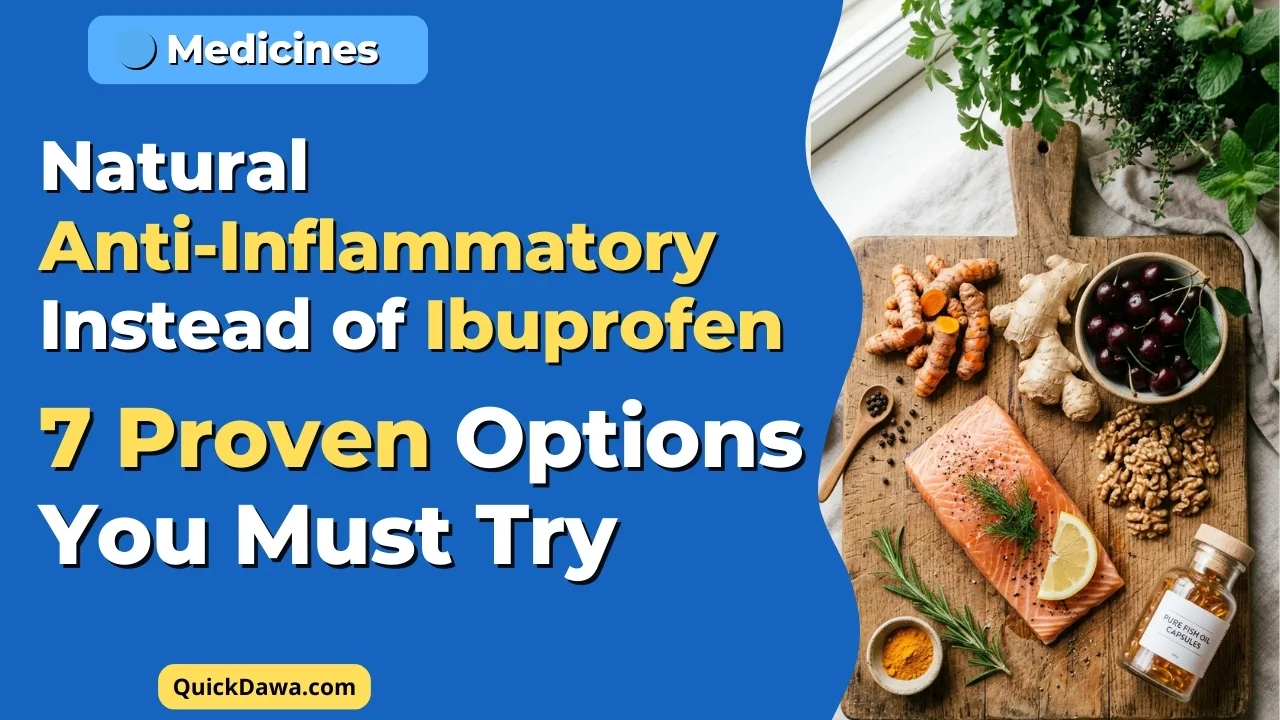
1. 🟡 Turmeric (Curcumin): The Golden Superstar
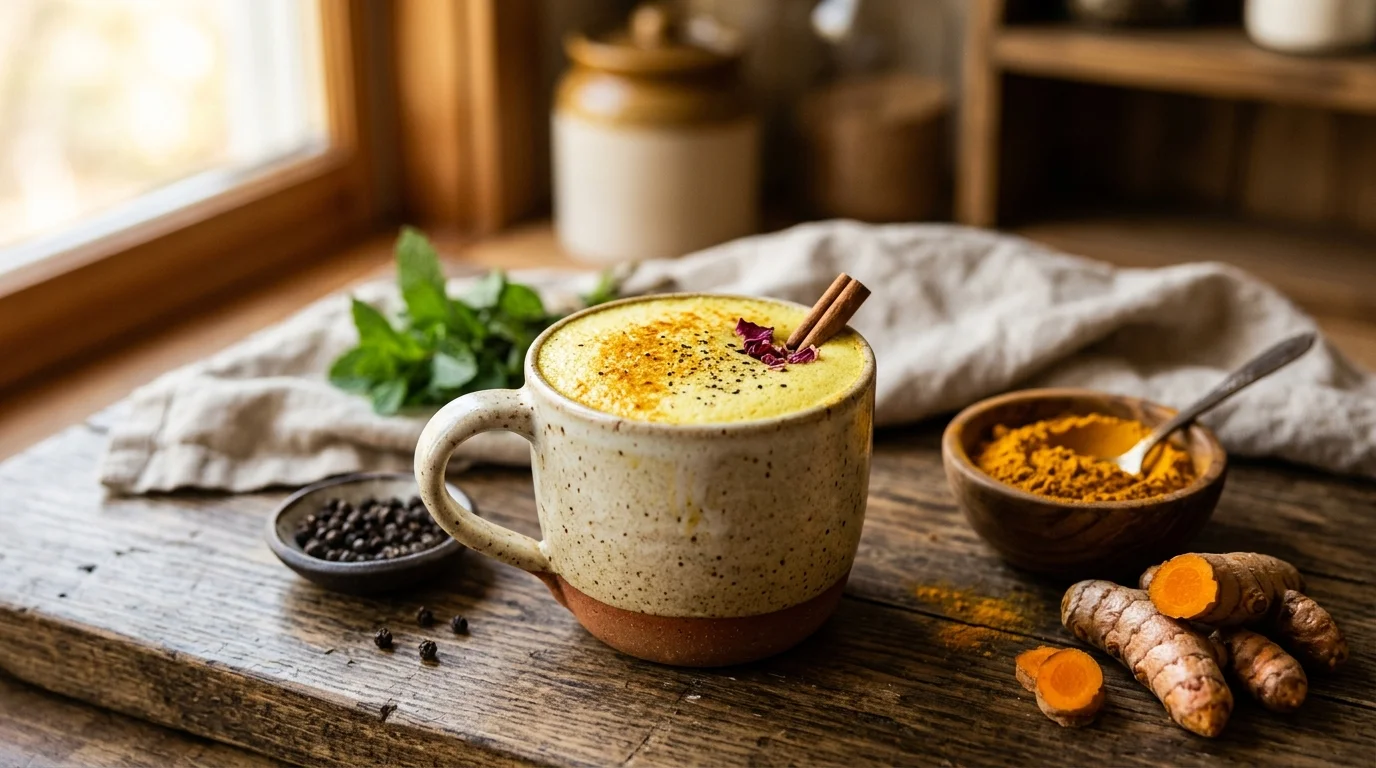
If there is one natural anti-inflammatory that deserves a crown, it is turmeric.
More specifically, it is the active compound inside turmeric called curcumin.
Curcumin blocks a molecule called NF-kB that triggers inflammation in your cells.
Multiple studies have shown that turmeric curcumin for inflammation works nearly as well as some over-the-counter painkillers.
A 2014 study even found that curcumin was as effective as ibuprofen for knee osteoarthritis pain.
Pretty impressive for a kitchen spice, right?
How to use it:
- Take a curcumin supplement with black pepper extract (piperine) for better absorption
- Aim for 500 to 1,000 mg of curcumin daily
- You can also add turmeric to smoothies, soups, and golden milk
Quick tip from QuickDawa: Turmeric alone has low absorption. Always pair it with black pepper or a fat source like coconut oil for best results.
2. 🐟 Omega-3 Fatty Acids: Your Body’s Fire Extinguisher
You have probably heard about omega-3s being good for your heart.
But did you know they are also a powerful natural anti-inflammatory?
Omega-3 anti-inflammatory properties come from two key compounds: EPA and DHA.
These fatty acids reduce the production of inflammatory molecules in your body.
A study published in the Journal of Clinical Pharmacy and Therapeutics showed that omega-3 supplements reduced inflammatory markers just as effectively as ibuprofen in some patients.
Best sources of Omega-3s:
- Fatty fish like salmon, mackerel, and sardines
- Fish oil supplements (look for high EPA/DHA content)
- Flaxseeds and chia seeds (plant-based option)
- Walnuts
How much to take:
- Aim for 1,000 to 3,000 mg of combined EPA and DHA daily
- If you eat fatty fish twice a week, you are already on the right track
3. 🌼 Arnica: Nature’s Bruise Healer
If you have ever used a cream for bruises or muscle soreness, chances are it contained arnica.
Arnica for pain relief has been used in traditional European medicine for centuries.
It works best as a topical treatment.
You apply it directly to sore muscles, bruises, sprains, and swollen joints.
Research shows arnica gel can reduce pain and stiffness in people with osteoarthritis of the hands and knees.
One study even compared arnica gel to ibuprofen gel and found similar results.
How to use arnica:
- Apply arnica gel or cream to the affected area 2 to 3 times daily
- Do NOT apply to broken skin or open wounds
- Arnica should generally be used externally only (oral use requires homeopathic doses)
Important: Arnica is considered safe when used on the skin. But always do a patch test first if you have sensitive skin.
4. 🫚 Ginger: More Than Just a Spice
Ginger is not just for tea and cooking.
It is a seriously underrated natural anti-inflammatory instead of ibuprofen.
Ginger contains compounds called gingerols and shogaols.
These compounds block the same inflammatory pathways that ibuprofen targets.
A 2015 meta-analysis found that ginger significantly reduced markers of inflammation in the body.
It has also been shown to help with muscle pain after exercise and menstrual cramp relief.
How to use ginger:
- Drink fresh ginger tea daily (slice fresh ginger into hot water)
- Take ginger supplements (250 mg to 1,000 mg daily)
- Add fresh or powdered ginger to your meals
5. 🌲 Boswellia (Indian Frankincense): The Joint Saver
Boswellia is a resin extracted from the Boswellia serrata tree.
It has been used in Ayurvedic medicine for centuries.
The active compounds, called boswellic acids, block an enzyme called 5-LOX that drives inflammation.
Several studies have shown that Boswellia can reduce pain and improve mobility in people with arthritis.
It is one of the best herbal alternatives to NSAIDs for joint health.
How to use it:
- Look for standardized Boswellia extract supplements
- Typical dose is 300 to 500 mg, taken 2 to 3 times daily
- Results may take a few weeks to show
6. 🍒 Tart Cherry Juice: The Athlete’s Secret
This one might surprise you.
Tart cherry juice is packed with anthocyanins, which are powerful anti-inflammatory antioxidants.
Studies show it reduces muscle soreness after intense exercise.
It also helps lower uric acid levels, which makes it great for people dealing with gout.
Marathon runners and athletes swear by it for recovery.
How to use it:
- Drink 8 to 12 ounces of tart cherry juice daily
- You can also take tart cherry extract capsules
- Look for 100% pure tart cherry juice with no added sugar
7. 🌶️ Capsaicin: Heat That Heals
Capsaicin is the compound that makes chili peppers hot.
But it also has remarkable anti-inflammatory and pain-relieving properties.
When applied to the skin, capsaicin depletes a chemical called Substance P.
Substance P sends pain signals to your brain.
Less Substance P means less pain.
Capsaicin creams are widely used for arthritis pain, nerve pain, and muscle soreness.
How to use it:
- Apply capsaicin cream (0.025% to 0.075%) to the painful area
- Use it 3 to 4 times daily for best results
- Wash your hands thoroughly after application
- Avoid touching your eyes or sensitive areas
Fair warning: It might burn a little at first. That is normal. The burning usually decreases after a few days of regular use.
⚖️ Evidence-Based vs Folk Medicine: Know the Difference
Here is where I want to get real with you.
Not every “natural remedy” you see on social media is backed by science.
Some are pure folk medicine with zero clinical evidence.
The options I listed above? They have real research behind them.
Evidence-based natural remedies have been tested in clinical trials with real human participants.
Folk remedies, on the other hand, rely on tradition and anecdotal stories.
That does not mean folk medicine is always wrong.
But when you are dealing with chronic pain or serious inflammation, you want proof, not just promises.
Here at QuickDawa, we always encourage you to look for evidence before trying any supplement.
Ask your doctor. Read the research. Make informed choices.
🔥 Quick Comparison: Natural Options vs Ibuprofen
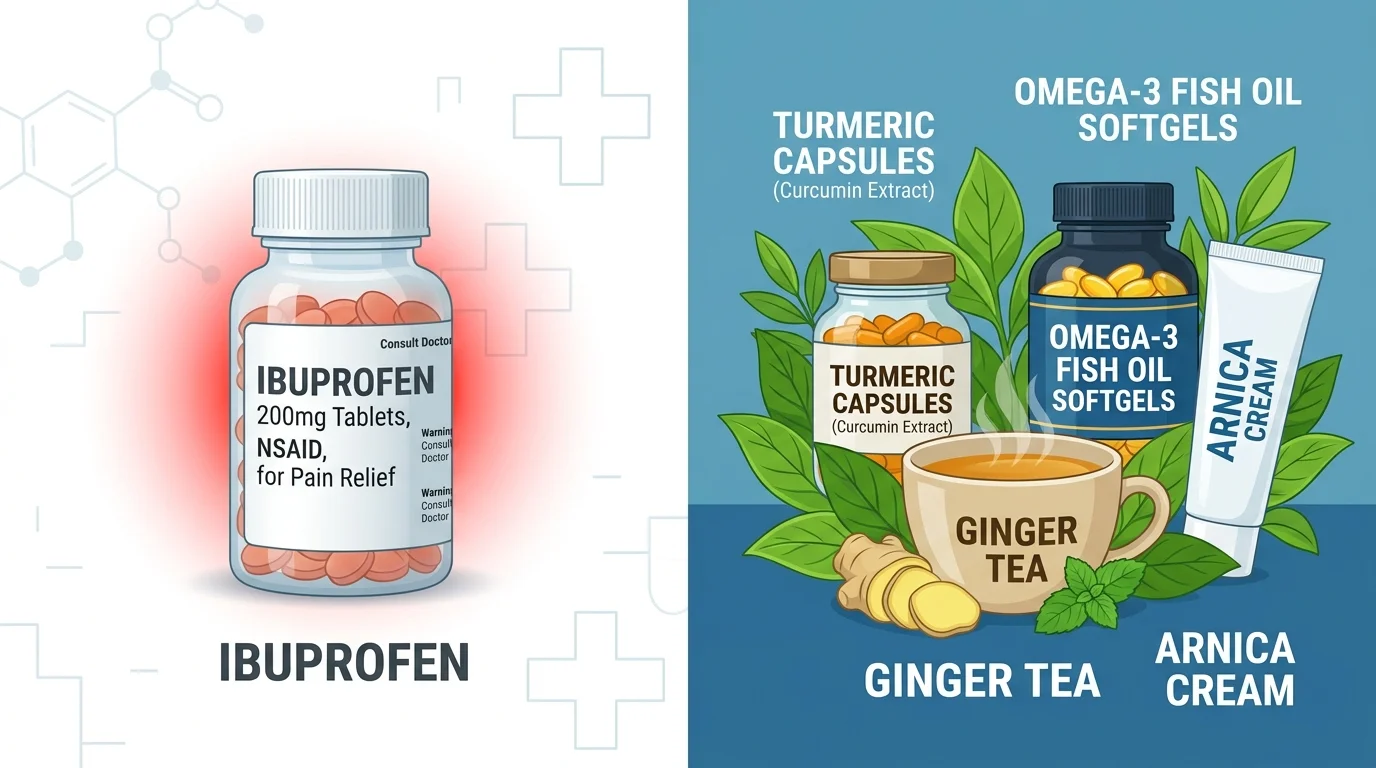
Here is a simple breakdown to help you compare:
- Ibuprofen: Fast-acting, widely available, but can cause stomach ulcers, kidney issues, and heart risks with long-term use
- Turmeric (Curcumin): Comparable to ibuprofen for joint pain, needs black pepper for absorption, very safe for most people
- Omega-3s: Excellent for overall inflammation, best taken daily as a supplement or through diet, minimal side effects
- Arnica: Best for topical use on bruises and muscle soreness, not recommended for internal use in high doses
- Ginger: Great for muscle pain and menstrual cramps, easy to add to daily diet, very safe
- Boswellia: Ideal for arthritis and joint inflammation, takes a few weeks to work, well-tolerated
- Tart Cherry Juice: Perfect for exercise recovery and gout, tastes great, natural and safe
- Capsaicin: Topical pain relief for arthritis and nerve pain, may cause initial burning sensation, widely available
🩺 When to Call Your Doctor
Natural remedies are wonderful.
But they are not a replacement for proper medical care.
You should see your doctor if:
- Your pain is severe and does not improve with any remedy
- You notice swelling that keeps getting worse
- You have a fever along with inflammation
- You are pregnant or breastfeeding and want to try supplements
- You are taking blood thinners or other medications (some natural remedies can interact)
- Your inflammation lasts more than two weeks without improvement
- You experience any allergic reaction to a natural supplement
Never stop a prescribed medication to replace it with a natural alternative without talking to your doctor first.
That is a golden rule.
🙋 Frequently Asked Questions (FAQ)
Q: Can you take turmeric curcumin and ibuprofen together?
A: It is generally not recommended to combine them without medical advice. Both have blood-thinning effects, which may increase bleeding risk. Always ask your doctor first.
Q: How long does turmeric take to reduce inflammation?
A: Most people notice improvement within 4 to 8 weeks of consistent daily use. Curcumin works gradually, unlike ibuprofen which acts within 30 minutes.
Q: Is omega-3 safe for people with high blood pressure?
A: Yes, omega-3 fatty acids are generally safe and may even help lower blood pressure. However, if you take blood pressure medication, consult your doctor before starting high-dose omega-3 supplements.
Q: Turmeric vs ibuprofen for arthritis pain: which is better?
A: Studies show curcumin can be as effective as ibuprofen for knee osteoarthritis. Turmeric is gentler on the stomach. But for acute, severe pain, ibuprofen may work faster. The best choice depends on your specific situation.
Q: Can I use arnica for toothache pain?
A: Arnica is mainly used for external bruises and muscle soreness. It is not recommended for toothaches. For dental pain, clove oil is a better natural option, or see your dentist.
🏁 Conclusion: Your Body Deserves Gentle Care
Here is the bottom line.
Ibuprofen is effective. Nobody is denying that.
But if you are looking for a natural anti-inflammatory instead of ibuprofen, you have real, proven options.
Turmeric, omega-3s, ginger, arnica, Boswellia, tart cherry juice, and capsaicin can all help your body fight inflammation naturally.
Some work best for joint pain. Others shine for muscle recovery.
The key is to find what works for YOUR body.
Start with one or two options. Be consistent. Give them time.
And always, always talk to your doctor before making changes to your health routine.
You deserve to feel good without worrying about harsh side effects.
At QuickDawa, we believe that understanding your options is just as important as choosing the right one. Knowledge is the first step toward better health. If you found this guide helpful, share it with someone who needs it and explore more health guides on QuickDawa.com for trusted, easy-to-understand wellness information.
Got questions? Drop them in the comments below or reach out to us through our contact page. We love hearing from our readers!
⚠️ Medical Disclaimer
The information provided in this article is intended for educational and informational purposes only. It is not a substitute for professional medical advice, diagnosis, or treatment. Always seek the guidance of your qualified doctor, pharmacist, or healthcare provider with any questions you may have regarding a medical condition, medication, or treatment plan.
Never disregard professional medical advice or delay seeking it because of something you read on QuickDawa.com or any other website. If you think you may have a medical emergency, call your doctor, go to the nearest emergency room, or call emergency services immediately.
Drug information, dosages, and interactions described in this post are provided for general awareness only and may not apply to your individual health situation. Medications affect people differently based on age, weight, health conditions, and other factors.
QuickDawa.com and its authors do not assume any liability for any consequences arising from the use or misuse of information presented on this website.
🌐 Sources & External References
- FDA Drug Information Resources — General drug safety information
- MedlinePlus — Ibuprofen — Ibuprofen drug information
- Drugs.com — Turmeric — Turmeric uses and safety
- WebMD — Omega-3 Fatty Acids — Omega-3 benefits and dosage
- Mayo Clinic — NSAIDs: Are They Safe? — Risks of long-term NSAID use
- National Center for Complementary and Integrative Health (NCCIH) — Turmeric — Evidence on curcumin supplements