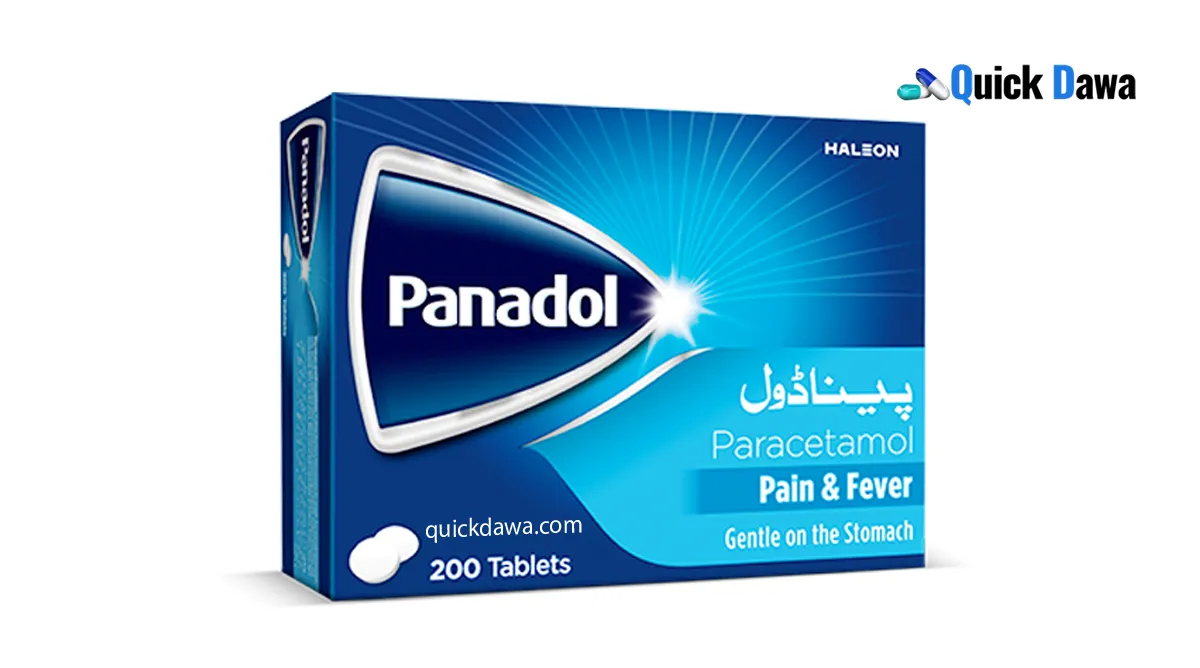
Panadol Tablet Uses, Side Effects
We’ve all been there – a throbbing headache after a long day, muscle soreness after a workout, or those uncomfortable menstrual cramps. When pain strikes, you need relief you can trust. Let’s dive into everything you need to know about Panadol Tablet, one of the world’s most trusted pain relievers.
⚠️ Important Clarification First!
There’s a critical error in the original information that needs immediate correction:
Panadol is NOT an NSAID (Non-Steroidal Anti-Inflammatory Drug).
Panadol contains paracetamol (acetaminophen), which is a different class of pain reliever and fever reducer. Unlike NSAIDs (like ibuprofen or aspirin), paracetamol has minimal anti-inflammatory effects and works differently in your body.
💊 What Exactly is Panadol?
Panadol is a trusted over-the-counter medication containing paracetamol (500mg per tablet) as its active ingredient. It’s been helping millions of people manage pain and fever for decades, and it’s known for being gentle on the stomach compared to NSAIDs.
How Does It Work?
Think of paracetamol as your body’s “pain signal blocker.” It works in two main ways:
- Pain Relief: Blocks certain chemical messengers in your brain that send pain signals
- Fever Reduction: Acts on the temperature-regulating center in your brain to bring down fever
✅ What Can Panadol Help With?
1. Headaches & Migraines 🤕
Perfect for tension headaches, everyday headaches, and mild migraines. Keep some in your desk drawer for those stressful workdays!
2. Fever Reduction 🌡️
When you’re feeling hot and feverish from a cold or flu, Panadol can help bring your temperature back to normal.
3. Menstrual Cramps 💐
Ladies, this can be your monthly companion for managing period pain and discomfort.
4. Muscle Aches & Pains 💪
- Post-workout soreness
- Back pain
- Neck stiffness
- General muscle tension
5. Toothache 🦷
Temporary relief while you’re waiting for that dental appointment.
6. Cold & Flu Symptoms 🤧
Helps with the aches and fever that come with common colds and flu.
🎯 Proper Dosage & How to Take It
For Adults:
- Standard Dose: 1-2 tablets (500-1000mg)
- Frequency: Every 4-6 hours as needed
- Maximum Daily Limit: 4000mg (8 tablets) in 24 hours
Pro Tips for Taking Panadol:
✓ Can be taken with or without food
✓ Swallow tablets whole with a full glass of water
✓ Don’t crush or chew unless instructed
✓ Space doses at least 4 hours apart
⏰ Set a reminder on your phone to track when you took your last dose!
⚠️ Possible Side Effects (Don’t Panic!)
Most people tolerate Panadol very well, but like any medication, some may experience:
Common (Usually Mild):
- Nausea
- Mild stomach upset
- Skin rash (rare)
- Dizziness
When to Stop & See a Doctor:
🚨 Severe allergic reaction (difficulty breathing, swelling)
🚨 Unusual bruising or bleeding
🚨 Persistent stomach pain
🚨 Yellowing of skin or eyes (sign of liver issues)
🛡️ Critical Safety Information
The Liver Connection ⚠️
This is the MOST important thing to know about Panadol:
Your liver processes paracetamol. Taking too much can cause serious, even fatal, liver damage. Here’s how to stay safe:
DO’s:
✅ Stick to recommended doses
✅ Read labels of other medications (many cold/flu remedies contain paracetamol)
✅ Wait at least 4 hours between doses
✅ Keep a medication diary if taking multiple medicines
DON’Ts:
❌ Exceed 4000mg (8 tablets) in 24 hours
❌ Mix with alcohol (seriously increases liver damage risk)
❌ Take other paracetamol-containing products simultaneously
❌ Use for more than 3 consecutive days without doctor’s advice
👶 Special Populations
Pregnant or Breastfeeding?
While paracetamol is generally considered safe during pregnancy, always consult your doctor first. They may recommend specific dosing or alternatives.
Elderly Users
May need lower doses. Consult with a healthcare provider for personalized advice.
Children
Panadol comes in special formulations for children. Never give adult tablets to children – use pediatric versions with appropriate dosing.
🤝 Drug Interactions to Watch For
Panadol can interact with:
- Blood thinners (warfarin)
- Certain antibiotics
- Anti-seizure medications
- Other pain relievers
Always tell your doctor and pharmacist about ALL medications you’re taking, including vitamins and herbal supplements.
📦 Storage & Shelf Life
Keep your Panadol effective and safe:
✓ Store at room temperature (below 25°C/77°F)
✓ Keep in original packaging
✓ Protect from moisture and light
✓ Store out of reach of children (child-safety caps save lives!)
✓ Check expiration date before use
✓ Dispose of expired medication properly
🆘 Overdose: What You Need to Know
Signs of Overdose:
- Nausea and vomiting (within 24 hours)
- Confusion
- Abdominal pain
- Yellowing of skin/eyes (may appear later)
- Difficulty breathing
- Loss of consciousness
If Overdose is Suspected:
🚨 CALL EMERGENCY SERVICES IMMEDIATELY (911 or local emergency number)
Even if symptoms seem mild, paracetamol overdose can cause delayed liver failure. Time is critical – medical treatment is most effective when started early.
❓ Your Questions Answered
Q: Can I take Panadol on an empty stomach?
A: Yes! Unlike NSAIDs, paracetamol is gentle on the stomach and can be taken with or without food.
Q: How quickly does it work?
A: Most people feel relief within 30-60 minutes, with peak effects at around 1-2 hours.
Q: Can I take it with ibuprofen?
A: Yes, if recommended by your doctor. They work differently and can sometimes be alternated for better pain control. But always consult a healthcare provider first.
Q: Is it addictive?
A: No, paracetamol is not addictive. However, relying on any pain medication long-term without addressing the underlying cause isn’t recommended.
Q: What if I accidentally take an extra tablet?
A: One extra tablet occasionally is unlikely to cause harm for most adults, but don’t make it a habit. If you’ve significantly exceeded the recommended dose, seek medical advice.
Q: Can I drink coffee or tea with Panadol?
A: Yes, this is generally safe. Some people find caffeine may even enhance pain relief.
Q: Why does my pain keep coming back?
A: Panadol treats symptoms, not causes. If pain persists beyond 3 days or keeps returning, see your doctor to identify the underlying issue.
🌟 Maximizing Panadol’s Effectiveness
Pair it with non-drug approaches:
- For headaches: Rest in a dark, quiet room; apply cold compress
- For muscle pain: Gentle stretching, warm bath, proper posture
- For fever: Stay hydrated, dress in light clothing, rest
- For menstrual cramps: Heat pads, gentle exercise, relaxation
🔍 When to See a Doctor Instead
Panadol is for temporary relief of mild to moderate pain. Seek medical attention if:
⚕️ Pain persists more than 3 days
⚕️ Fever lasts more than 3 days or exceeds 39.4°C (103°F)
⚕️ Symptoms worsen despite medication
⚕️ You need to take Panadol daily
⚕️ You experience severe or unusual symptoms
⚕️ Pain is accompanied by other concerning symptoms
Your pain is trying to tell you something – don’t ignore persistent symptoms!
🌍 Panadol Around the World
Depending on where you are, you might know paracetamol by different names:
- Tylenol (USA, Canada)
- Panadol (UK, Australia, Asia)
- Calpol (children’s formulation in UK)
- Generic: Paracetamol or Acetaminophen
Same medication, different packaging!
💡 Smart Tips for Responsible Use
Create a “Medication Safety Checklist”:
□ Read the label every time
□ Never share prescription medications
□ Keep a list of all medications you take
□ Set phone reminders for doses
□ Use a pill organizer for multiple medications
□ Review medications with your doctor annually
□ Check for expiration dates regularly
□ Keep emergency numbers handy
🏆 The Bottom Line
Panadol is a safe, effective pain reliever and fever reducer when used correctly. The key takeaways:
✅ Stick to recommended doses
✅ Never exceed 4000mg (8 tablets) in 24 hours
✅ Avoid alcohol while taking it
✅ Check other medications for paracetamol content
✅ Don’t use for more than 3 consecutive days without medical advice
✅ Store safely away from children
✅ When in doubt, ask a healthcare professional
📞 Need More Help?
- Poison Control: [Insert local poison control number]
- Medical Advice: Consult your doctor or pharmacist
- Emergency: Call 911 or your local emergency number
📚 Additional Resources
- [Link to official Panadol website]
- [Link to reputable medical information sites]
- [Downloadable medication tracker]
- [Pain diary template]
💬 We Want to Hear From You!
Have questions about Panadol we didn’t cover? Share your experiences or ask questions in the comments below. Remember, we’re a community here to support each other – but always consult healthcare professionals for medical advice!
Disclaimer
The information provided on quickdawa regarding medicine prices and side effects is solely based on data collected from public domains. I am not a doctor or medical professional. While I strive to provide accurate and up-to-date information, I cannot guarantee the absolute accuracy or completeness of the data. It is always recommended to consult with a qualified healthcare professional or doctor for personalized medical advice and information. The content on this blog should not be considered a substitute for professional medical guidance. The readers are advised to use the information provided at their own discretion and risk. I do not assume any responsibility for any consequences arising from the use of the information on this blog.
Thank you.