

Taking Ibuprofen Daily – Is It Really Safe?
Let me paint a picture for you.
You wake up every morning with that familiar ache in your knees.
Or maybe it’s your lower back that never seems to give you a break.
So you reach for that little bottle of ibuprofen on your nightstand.
You pop one or two pills, and within an hour, the pain fades away.
Life feels normal again.
But then the next day comes, and you do the same thing.
And the next day.
And the day after that.
Before you know it, taking ibuprofen daily has become part of your routine, just like brushing your teeth.
Sounds familiar?
You’re definitely not alone.
Millions of people around the world rely on ibuprofen every single day to manage pain.
It feels harmless because it’s available without a prescription.
But here’s the thing most people don’t realize.
Just because you can buy it over the counter doesn’t mean it’s safe to take every day without consequences.
Daily ibuprofen use can quietly cause serious problems inside your body.
Problems you might not notice until it’s too late.
At QuickDawa, we’re all about making medicine easy to understand, so let’s break down everything you need to know about taking ibuprofen daily in simple, clear language.
💊 What Is Ibuprofen?
Ibuprofen is a nonsteroidal anti-inflammatory drug, commonly called an NSAID.
It reduces pain, fever, and inflammation in the body.
Popular brands include Advil, Motrin, and Nurofen.
It’s used for headaches, muscle pain, arthritis, menstrual cramps, and more.
You can buy it over the counter or get a stronger dose with a prescription.
🕐 What Does “Long-Term” Use Actually Mean?
This is where most people get confused.
So let’s clear it up right away.
Short-term use generally means taking ibuprofen for a few days, maybe up to 10 days.
This is typically considered safe for most healthy adults.
Long-term use means taking ibuprofen regularly for weeks, months, or even years.
Many doctors consider anything beyond 2 to 4 weeks of daily use as long-term.
Some people with chronic conditions like arthritis end up taking it daily for months.
That’s when the risks start to pile up.
The longer you take it, the higher your chances of running into trouble.
And the effects of long term ibuprofen use can sneak up on you without any warning signs.
⚠️ The Cumulative Risks of Taking Ibuprofen Daily
Here’s the part that really matters.
When you take ibuprofen every day, the side effects don’t just appear and disappear.
They build up over time inside your body.
Let’s talk about the biggest ones.
🔴 Stomach Ulcers and Gastrointestinal Bleeding
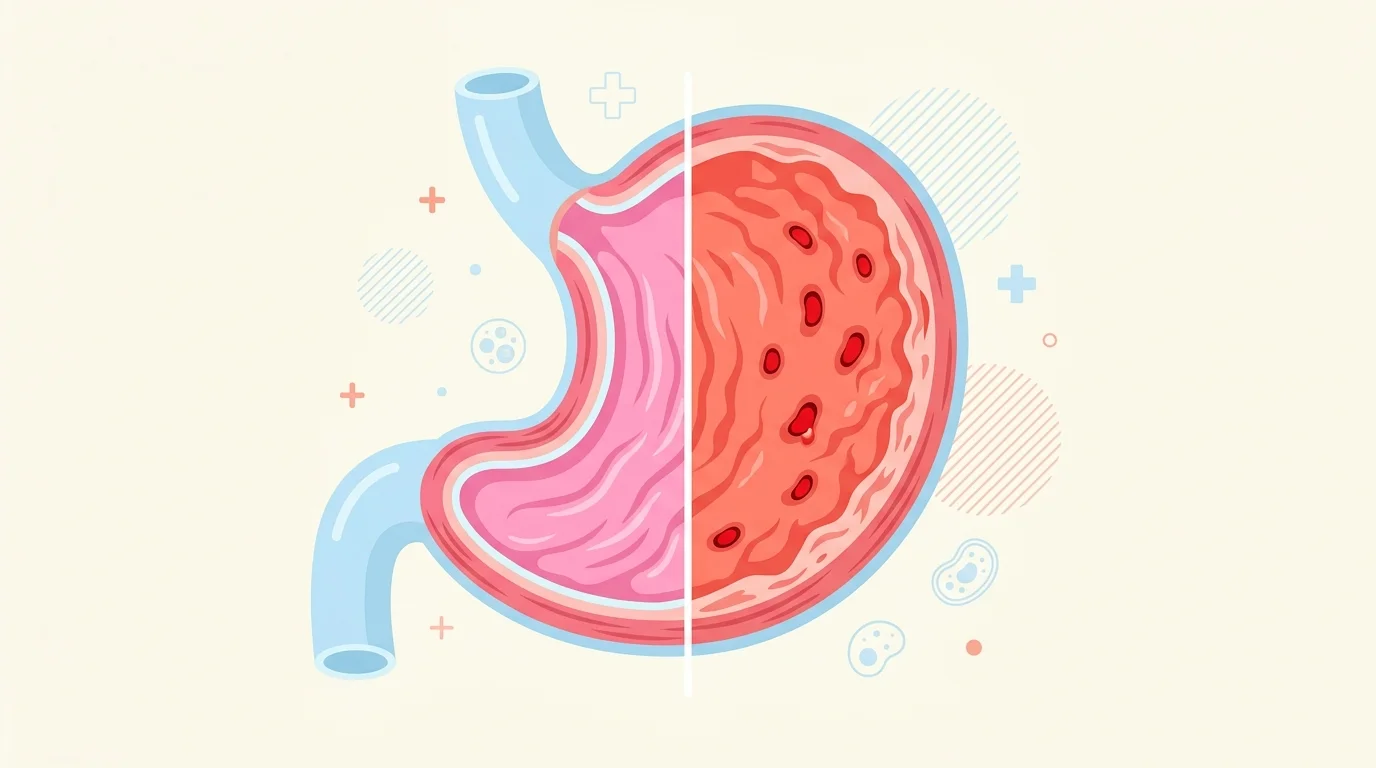
This is probably the most well-known risk of daily ibuprofen use.
Ibuprofen works by blocking certain chemicals called prostaglandins in your body.
These chemicals cause pain and inflammation, so blocking them helps you feel better.
But here’s the catch.
Those same prostaglandins also protect the lining of your stomach.
When you block them every single day, your stomach loses its protective barrier.
Over time, the acid in your stomach starts eating away at the lining.
This can lead to painful stomach ulcers.
In serious cases, those ulcers can bleed internally.
Gastrointestinal bleeding can happen without obvious symptoms at first.
You might feel tired, weak, or notice dark stools.
Some people don’t realize anything is wrong until they need emergency care.
The risk is even higher if you:
- Are over 60 years old
- Have a history of stomach ulcers
- Drink alcohol regularly
- Take blood thinners like aspirin or warfarin
- Use other NSAIDs at the same time
🔴 Anemia from Hidden Blood Loss
This one connects directly to the stomach issue.
When ulcers bleed slowly inside your stomach or intestines, you lose blood bit by bit.
You might not even see it.
But over weeks and months, this hidden blood loss can cause iron deficiency anemia.
Anemia means your body doesn’t have enough healthy red blood cells.
You might feel constantly tired, dizzy, short of breath, or pale.
Many people blame these symptoms on stress or aging.
They never suspect their daily ibuprofen habit could be the cause.
If your doctor does a blood test and finds low iron or low hemoglobin, daily NSAID use could be the hidden reason.
🔴 Kidney Damage
Your kidneys are responsible for filtering waste from your blood.
Ibuprofen reduces blood flow to the kidneys.
Taking it for a few days usually isn’t a big deal for healthy kidneys.
But taking ibuprofen daily for a long time puts constant stress on them.
Over months or years, this can lead to chronic kidney disease.
People who are already at risk, like those with diabetes, high blood pressure, or existing kidney issues, are especially vulnerable.
Dehydration makes this even worse.
If you’re not drinking enough water while taking daily ibuprofen, you’re putting your kidneys in real danger.
🔴 Heart Problems
This one surprises many people.
Studies have shown that the effects of long term ibuprofen use include an increased risk of heart attack and stroke.
The risk goes up the longer you take it and the higher the dose.
The FDA actually issued a warning about this back in 2015.
They strengthened their warning labels to say that NSAIDs like ibuprofen can increase heart risks even in the first few weeks of use.
If you already have heart disease or high blood pressure, daily ibuprofen use becomes even more concerning.
🔴 High Blood Pressure
Ibuprofen can cause your body to hold onto extra sodium and water.
This raises your blood pressure.
If you’re already on blood pressure medication, taking ibuprofen daily can actually make your medication less effective.
That’s a double problem you don’t want.
Many people don’t connect their rising blood pressure readings to their ibuprofen habit.
But doctors see this connection all the time.
🩺 Monitoring Requirements If You Must Take Ibuprofen Long-Term

Sometimes, daily ibuprofen use is medically necessary.
Your doctor might prescribe it for conditions like rheumatoid arthritis or chronic inflammatory conditions.
In those cases, your doctor should be keeping a close eye on your health.
Here’s what needs to be monitored regularly:
📊 Blood Pressure Checks
Since ibuprofen can raise blood pressure, regular monitoring is essential.
Your doctor should check your blood pressure at every visit.
If it starts creeping up, they may adjust your treatment plan.
📊 Kidney Function Tests
A simple blood test can measure your creatinine and BUN levels.
These tell your doctor how well your kidneys are working.
If the numbers start going in the wrong direction, your doctor can catch it early.
📊 Complete Blood Count (CBC)
This test checks for signs of anemia or low blood cell counts.
It can reveal hidden bleeding before it becomes a serious problem.
📊 Liver Function Tests
Although less common, ibuprofen can also affect your liver over time.
Periodic liver function tests help make sure everything is running smoothly.
📊 Stool Tests
Your doctor might order a fecal occult blood test.
This checks for hidden blood in your stool, which could indicate GI bleeding.
The bottom line here?
If you’re taking ibuprofen daily, you need to be working closely with your doctor.
You should never just keep refilling that bottle month after month without medical supervision.
QuickDawa always recommends partnering with your healthcare provider for chronic pain management with ibuprofen or any other medication.
🌿 Safer Alternatives for Chronic Pain

If you’ve been taking ibuprofen daily and you’re worried about the risks, there’s good news.
There are other options for chronic pain management that may be gentler on your body.
Talk to your doctor about these alternatives:
✅ Acetaminophen (Tylenol)
Acetaminophen is easier on the stomach and kidneys compared to ibuprofen.
It works well for mild to moderate pain.
However, it doesn’t reduce inflammation like ibuprofen does.
And you need to watch your liver health if you use it regularly.
✅ Topical Pain Relievers
Creams, gels, and patches containing diclofenac, menthol, or capsaicin can target pain locally.
Since they don’t go through your entire system, they carry fewer systemic side effects.
They’re great for joint pain, muscle soreness, and arthritis flare-ups.
✅ Physical Therapy
Sometimes the best medicine isn’t a pill at all.
A physical therapist can teach you exercises and stretches that address the root cause of your pain.
Over time, this can reduce your need for daily painkillers.
✅ Heat and Cold Therapy
Applying ice packs or heating pads to sore areas can provide real relief.
It costs nothing and has zero side effects.
Many people underestimate how effective this simple approach can be.
✅ Low-Dose Prescription Options
For chronic inflammatory conditions, your doctor might prescribe medications like celecoxib (Celebrex).
Celecoxib is a type of NSAID that’s designed to be gentler on the stomach.
It’s not risk-free, but it may be a better fit for long-term use than ibuprofen.
✅ Supplements
Some people find relief with supplements like turmeric, omega-3 fatty acids, or glucosamine.
The evidence is mixed, but some studies show promising results.
Always talk to your doctor before starting any supplement, especially if you take other medications.
✅ Mind-Body Approaches
Techniques like yoga, meditation, acupuncture, and deep breathing can help manage chronic pain.
They work best as part of a larger pain management plan.
📞 When to Call Your Doctor
If you’ve been taking ibuprofen daily, watch out for these warning signs.
Call your doctor right away if you experience:
- Stomach pain or burning that doesn’t go away
- Black, tarry, or bloody stools
- Vomiting blood or material that looks like coffee grounds
- Sudden swelling in your legs, ankles, or feet
- Unusual weight gain from fluid retention
- Shortness of breath or chest pain
- Extreme fatigue, dizziness, or paleness
- Changes in urination, especially decreased output
- Skin rash, hives, or signs of an allergic reaction
These could be signs that ibuprofen is causing harm to your body.
Don’t wait and hope it goes away.
Getting checked early can prevent a small problem from becoming a big one.
🙋 Frequently Asked Questions (FAQ)
Q: Can you take ibuprofen and acetaminophen together?
A: Yes, many doctors say you can alternate between ibuprofen and acetaminophen safely because they work differently in the body. However, always confirm the right dosing schedule with your doctor or pharmacist.
Q: How long does ibuprofen take to work for pain relief?
A: Ibuprofen usually starts working within 20 to 30 minutes after you take it. Full effects are typically felt within 1 to 2 hours, and pain relief generally lasts 4 to 6 hours.
Q: Is ibuprofen safe for elderly patients to take daily?
A: Older adults face higher risks from daily ibuprofen use, including stomach bleeding, kidney damage, and heart problems. Doctors usually recommend lower doses or safer alternatives for chronic pain management in elderly patients.
Q: Ibuprofen vs naproxen: which is better for daily chronic pain?
A: Naproxen lasts longer (up to 12 hours) compared to ibuprofen (4 to 6 hours), so you take fewer doses per day. Some studies suggest naproxen may carry a slightly lower heart risk, but both have similar stomach and kidney concerns. Your doctor can help you choose.
Q: Can you take ibuprofen daily for arthritis pain?
A: Some people do take ibuprofen daily for arthritis under medical supervision, but it requires regular monitoring of blood pressure, kidney function, and stomach health. Your doctor may also suggest alternatives to reduce the long-term risks.
🌐 Sources and External References
- FDA Drug Safety Communication: NSAIDs – Ibuprofen Official Label
- MedlinePlus: Ibuprofen – U.S. National Library of Medicine
- Drugs.com: Ibuprofen Information – Complete Drug Guide
- WebMD: Ibuprofen Oral – Uses, Side Effects, Interactions
- Mayo Clinic: Ibuprofen (Oral Route) – Proper Use and Precautions
- RxList: Ibuprofen – Detailed Drug Information
🏁 Conclusion
Let’s wrap this up with the most important takeaways.
Taking ibuprofen daily might seem harmless because it’s so easy to buy.
But long-term use carries real risks to your stomach, kidneys, heart, and blood pressure.
If you need daily pain relief, please don’t just manage it on your own.
Work with your doctor to find the safest approach for your specific situation.
Regular monitoring and exploring safer alternatives can make a huge difference in protecting your long-term health.
You deserve to manage your pain without creating new health problems in the process.
At QuickDawa, we believe that understanding your medicine is just as important as taking it. Knowledge is the first step toward better health. If you found this guide helpful, share it with someone who needs it and explore more medicine guides on QuickDawa.com for trusted, easy-to-understand health information.
Got questions about ibuprofen or any other medication?
Drop a comment below or reach out to us through our QuickDawa contact page. We love hearing from our readers and we’re always here to help!
⚠️ Medical Disclaimer
The information provided in this article is intended for educational and informational purposes only. It is not a substitute for professional medical advice, diagnosis, or treatment. Always seek the guidance of your qualified doctor, pharmacist, or healthcare provider with any questions you may have regarding a medical condition, medication, or treatment plan.
Never disregard professional medical advice or delay seeking it because of something you read on QuickDawa.com or any other website. If you think you may have a medical emergency, call your doctor, go to the nearest emergency room, or call emergency services immediately.
Drug information, dosages, and interactions described in this post are provided for general awareness only and may not apply to your individual health situation. Medications affect people differently based on age, weight, health conditions, and other factors.
QuickDawa.com and its authors do not assume any liability for any consequences arising from the use or misuse of information presented on this website.