7 Questions to Ask Before Starting a New Medicine (Essential for Seniors) | QuickDawa
Your doctor just handed you a new prescription.
Maybe it’s for blood pressure, diabetes, or pain relief.
You nod, say thank you, and head to the pharmacy.
But on the way home, questions start popping up.
What if this doesn’t mix well with my other pills? What are the side effects? Do I take this with food or on an empty stomach?
You’re not alone.
Many seniors leave the doctor’s office without asking the questions that matter most.
And that can lead to confusion, mistakes, or even serious side effects.
The good news?
Asking a few simple questions to ask before starting a new medicine can keep you safer, more confident, and in better control of your health.
At QuickDawa, we’re all about making health and medicine easier to understand, so let’s break this down in simple, clear language.
📋 Short Excerpt
Starting a new prescription can feel overwhelming, especially if you’re already taking other medicines.
This guide walks you through seven essential questions every senior should ask their doctor or pharmacist before starting a new medication.
These questions help you avoid drug interactions, understand side effects, and use your medicines safely and effectively.
✅ Quick Answer
Before starting a new medicine, ask your doctor:
What is this for? How do I take it?
What are the side effects?
Will it interact with my other medicines?
How long will I take it?
What should I avoid while on it?
And what do I do if I miss a dose?
These questions help you stay safe and informed.
👥 Who This Article Is For
This article is for:
- Adults aged 60 and older who have been given a new prescription
- Caregivers helping a loved one manage multiple medications
- Anyone who wants to feel more confident and prepared when starting a new medicine
- Seniors who take more than one medication and want to avoid harmful drug interactions
🧠 Why Asking Questions Matters More After 60
As we get older, our bodies handle medicines differently.
The liver and kidneys may not work as quickly, which means drugs can stay in the body longer.
This increases the risk of side effects and dangerous interactions, especially if you’re taking more than one medicine.
In fact, studies show that nearly 40% of adults over 65 take five or more prescription medicines.
That’s a lot to keep track of.
And each new medicine you add raises the chance of something going wrong unless you ask the right questions.
QuickDawa believes that being informed is one of the best ways to stay safe.
Let’s look at the seven most important questions to ask before starting a new medicine.
💊 The 7 Questions Seniors Should Ask Before Starting a New Prescription

1. What Is This Medicine For?
It sounds simple, but many people leave the doctor’s office without fully understanding why they were prescribed a new drug.
Knowing what the medicine treats helps you:
- Understand why it’s necessary
- Know what symptoms or conditions to watch for improvement
- Decide if it matches your goals and concerns
Example question to ask:
“Can you explain what this medicine is treating and how it will help me?”
2. How Do I Take It?
This is one of the most important questions to ask before starting a new medicine. Getting the timing, dose, and instructions wrong can make the drug less effective or even harmful.
What to ask:
- Do I take it with food or on an empty stomach?
- What time of day should I take it?
- Do I swallow it whole, or can I crush or split it?
- Can I take it with my other medicines at the same time?
Some medicines work better when taken in the morning. Others may cause drowsiness and should be taken at bedtime. Some need food to prevent stomach upset.
Write it down. Don’t rely on memory alone.
3. What Are the Common Side Effects?
All medicines can cause side effects. Some are mild and go away on their own. Others may need attention.
Knowing what to expect helps you avoid panic and know when to call your doctor.
What to ask:
- What are the most common side effects?
- Which side effects are normal and which ones mean I should call you?
- Are there side effects that are more common in older adults?
For example, some blood pressure medicines can cause dizziness, especially when standing up. If you know that ahead of time, you can be more careful and avoid falls.
QuickDawa always recommends talking openly with your doctor about what you might experience. It’s better to be prepared.
4. Will This Interact With My Other Medicines or Supplements?
This is a critical question, especially if you’re taking multiple prescriptions, over-the-counter drugs, vitamins, or herbal supplements.
Drug interactions can:
- Make a medicine less effective
- Increase side effects
- Cause serious or life-threatening reactions
What to ask:
- Will this interact with any of my current medicines?
- Are there any over-the-counter drugs I should avoid?
- What about vitamins, herbal supplements, or things like grapefruit juice?
Bring a complete list of everything you take to every appointment. Include prescription drugs, vitamins, supplements, and even things you take occasionally like allergy pills or antacids.
If you order medicines online through QuickDawa, keeping an updated medication list can help you and your pharmacist spot potential issues before they happen.
5. How Long Will I Need to Take This?
Some medicines are short-term. Others are lifelong. Knowing the plan helps you set expectations and stay motivated.
What to ask:
- Is this a short-term or long-term medicine?
- Will I need to take this for the rest of my life?
- Will we try to reduce the dose or stop it later?
Understanding the timeline also helps with medication costs and planning refills, especially if you’re managing a fixed budget.
6. What Should I Avoid While Taking This?
Certain foods, drinks, activities, or other medicines may not mix well with your new prescription.
What to ask:
- Are there foods or drinks I should avoid?
- Can I drink alcohol while taking this?
- Should I avoid driving or operating machinery?
- Are there activities I should be careful with, like exercise or being in the sun?
For example:
- Some antibiotics don’t mix well with dairy
- Certain pain medicines can make you drowsy
- Some drugs increase sensitivity to sunlight
Knowing what to avoid keeps you safer and helps the medicine work as it should.
7. What Should I Do If I Miss a Dose?
It happens to everyone. You forget a dose, or you’re not sure if you already took it.
Knowing what to do ahead of time prevents mistakes like taking a double dose or skipping it altogether.
What to ask:
- If I miss a dose, should I take it as soon as I remember or wait until the next one?
- Should I ever take two doses at once?
Some medicines can be taken late. Others should be skipped. Your doctor or pharmacist can give you clear, safe instructions.
At QuickDawa, we encourage using pill organizers, alarms, or apps to help you stay on track.
📝 Practical Checklist: Before You Leave the Doctor’s Office
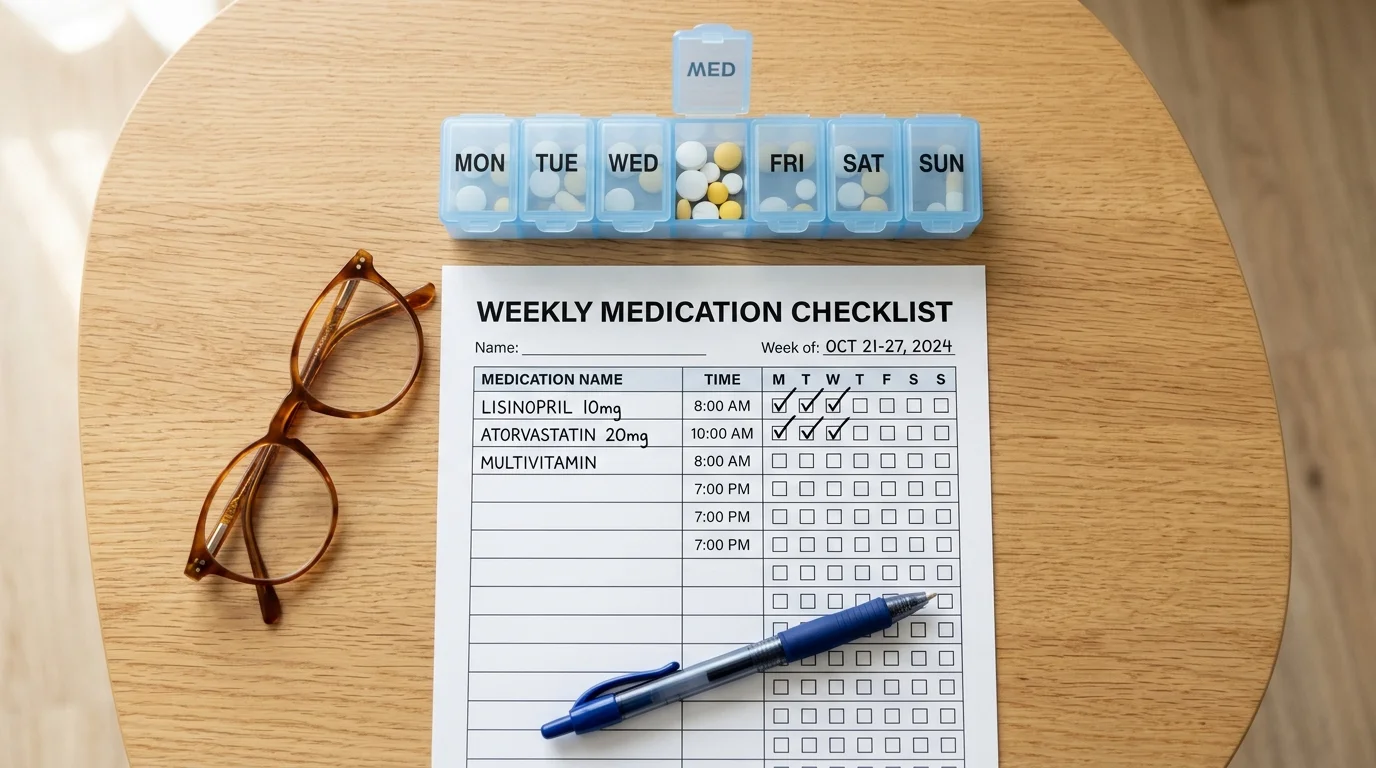
Print or save this list and bring it to your next appointment:
- ✅ Ask what the medicine is for and how it will help
- ✅ Confirm how and when to take it (with food, time of day, etc.)
- ✅ Ask about common and serious side effects
- ✅ Check for interactions with current medicines and supplements
- ✅ Find out how long you’ll need to take it
- ✅ Learn what foods, drinks, or activities to avoid
- ✅ Get clear instructions on what to do if you miss a dose
- ✅ Ask if there’s a generic version or a lower-cost option
- ✅ Request written instructions or a medication guide
- ✅ Confirm when to follow up or get lab work done
🩺 Questions to Ask Your Doctor
Here are a few more questions that can help you feel even more prepared:
- Is there a non-drug option I should try first?
- What happens if I don’t take this medicine?
- Is there a generic version that costs less?
- Will I need regular blood tests or check-ups while on this?
- Can I get a written summary of how to take this?
- Who should I call if I have questions or problems after I start?
Don’t worry about asking too many questions. A good doctor will take the time to answer them. If you feel rushed or unsure, it’s okay to ask for a follow-up call or appointment.
📞 When to Call a Doctor
Contact your doctor if:
- You experience side effects that are bothersome or don’t go away
- You feel confused, dizzy, or unusually weak after starting the medicine
- You develop a rash, swelling, or itching
- The medicine doesn’t seem to be helping after a reasonable time
- You’re not sure how or when to take your medicine
- You missed several doses and don’t know what to do
- You want to stop the medicine or change the dose
Never stop a prescription suddenly without talking to your doctor first. Some medicines need to be tapered off slowly to avoid withdrawal or other problems.
🚨 When to Seek Urgent Help
Get emergency help or call emergency services right away if you experience:
- Trouble breathing or shortness of breath
- Severe chest pain or irregular heartbeat
- Swelling of the face, lips, tongue, or throat
- Sudden confusion, slurred speech, or loss of consciousness
- Severe allergic reactions like hives, rash, or difficulty swallowing
- Uncontrolled bleeding or bruising
- Seizures or fainting
These may be signs of a serious drug reaction and need immediate medical attention.
❓ Frequently Asked Questions
What questions should I ask before starting a new medicine?
Ask what the medicine is for, how to take it, what the side effects are, whether it interacts with other drugs, how long you’ll take it, what to avoid, and what to do if you miss a dose.
Why is it important to ask about drug interactions?
Drug interactions can make medicines less effective or cause dangerous side effects. This is especially important for seniors who often take multiple medications.
Can I take my new medicine with my other pills at the same time?
It depends. Some medicines can be taken together, while others need to be spaced out. Always ask your doctor or pharmacist before combining doses.
What should I do if I forget to take my medicine?
Follow your doctor’s instructions. In most cases, take it as soon as you remember unless it’s almost time for the next dose. Never double up unless told to do so.
Should I tell my doctor about vitamins and supplements?
Yes. Vitamins, herbal supplements, and over-the-counter products can all interact with prescription medicines. Bring a complete list to every appointment.
How can I remember to take my medicine on time?
Use a pill organizer, set phone alarms, keep a medication schedule, or use a medication tracking app. Routine and reminders are key.
Is it safe to order my prescriptions online?
Yes, as long as you use a licensed and trusted pharmacy. QuickDawa offers safe, convenient online ordering with professional pharmacist support to answer your medication questions.
🧾 Bottom Line
Starting a new prescription doesn’t have to be confusing or scary. By asking a few simple questions to ask before starting a new medicine, you can protect your health, avoid dangerous interactions, and feel more confident about your care.
These seven questions are a powerful tool. They help you understand what you’re taking, why you’re taking it, and how to use it safely. And they show your doctor that you’re an active, informed partner in your own health.
Whether you’re picking up your prescription at a local pharmacy or ordering online through QuickDawa, take the time to ask questions. Write down the answers. Keep a medication list. And never be afraid to speak up if something doesn’t feel right.
Your health matters. And being informed is one of the best ways to stay safe, strong, and in control.
⚠️ Medical Disclaimer
The information provided in this article is intended for educational and informational purposes only. It is not a substitute for professional medical advice, diagnosis, or treatment. Always seek the guidance of your qualified doctor, pharmacist, or healthcare provider with any questions you may have regarding a medical condition, medication, or treatment plan.
Never disregard professional medical advice or delay seeking it because of something you read on QuickDawa or any other website. If you think you may have a medical emergency, call your doctor, go to the nearest emergency room, or call emergency services immediately.
Drug information, dosages, side effects, and interactions mentioned in this post are provided for general awareness only and may not apply to your personal health situation. Medicines affect people differently based on age, weight, medical conditions, and other factors.
QuickDawa and its authors do not assume any liability for any consequences arising from the use or misuse of information presented on this website.
📚 References
- National Institute on Aging (NIA). “Safe Use of Medicines for Older Adults.” Available at: https://www.nia.nih.gov/health/safe-use-medicines-older-adults
- U.S. Food and Drug Administration (FDA). “Using Prescription Medicines: Questions to Ask.” Available at: https://www.fda.gov/drugs/information-consumers-and-patients-drugs/using-prescription-medicines
- MedlinePlus. “Taking Medicines Safely as You Age.” Available at: https://medlineplus.gov/ency/patientinstructions/000895.htm
- Centers for Disease Control and Prevention (CDC). “Medication Safety Program.” Available at: https://www.cdc.gov/medicationsafety/
- Mayo Clinic. “Medication Errors: How to Prevent Them.” Available at: https://www.mayoclinic.org/healthy-lifestyle/consumer-health/in-depth/medication-errors/art-20048035