
Ibuprofen for Fever – The Only Guide You Need to Break a Fever Fast and Safely
We have all been there.
You wake up in the middle of the night feeling hot, achy, and completely drained.
Your forehead is burning, and you just know a fever has hit you hard.
Or maybe it is your child who is cranky, flushed, and running a temperature that makes your heart race with worry.
Ibuprofen for fever is one of the most common solutions people reach for in moments like these.
And honestly, it works really well when you use it the right way.
But here is the thing most people do not know.
Not every fever needs medicine right away.
And using ibuprofen incorrectly can sometimes cause more problems than it solves.
That is exactly why I wrote this guide for you today.
I want you to feel confident about when to use ibuprofen, how much to take, and what to watch out for.
No confusing medical jargon, no scary warnings without context.
Just honest, clear, and helpful information.
At QuickDawa, we are all about making medicine easy to understand, so let’s break down everything you need to know about ibuprofen for fever in simple, clear language.
💊 What Is Ibuprofen?
Ibuprofen is a nonsteroidal anti-inflammatory drug, also called an NSAID.
It is used to reduce fever, relieve pain, and fight inflammation in the body.
Popular brand names include Advil, Motrin, and Nurofen.
You can find it over the counter at almost any pharmacy.
It is one of the most trusted and widely used fever reducers in the world.
🔥 How Does Ibuprofen Bring Down a Fever?
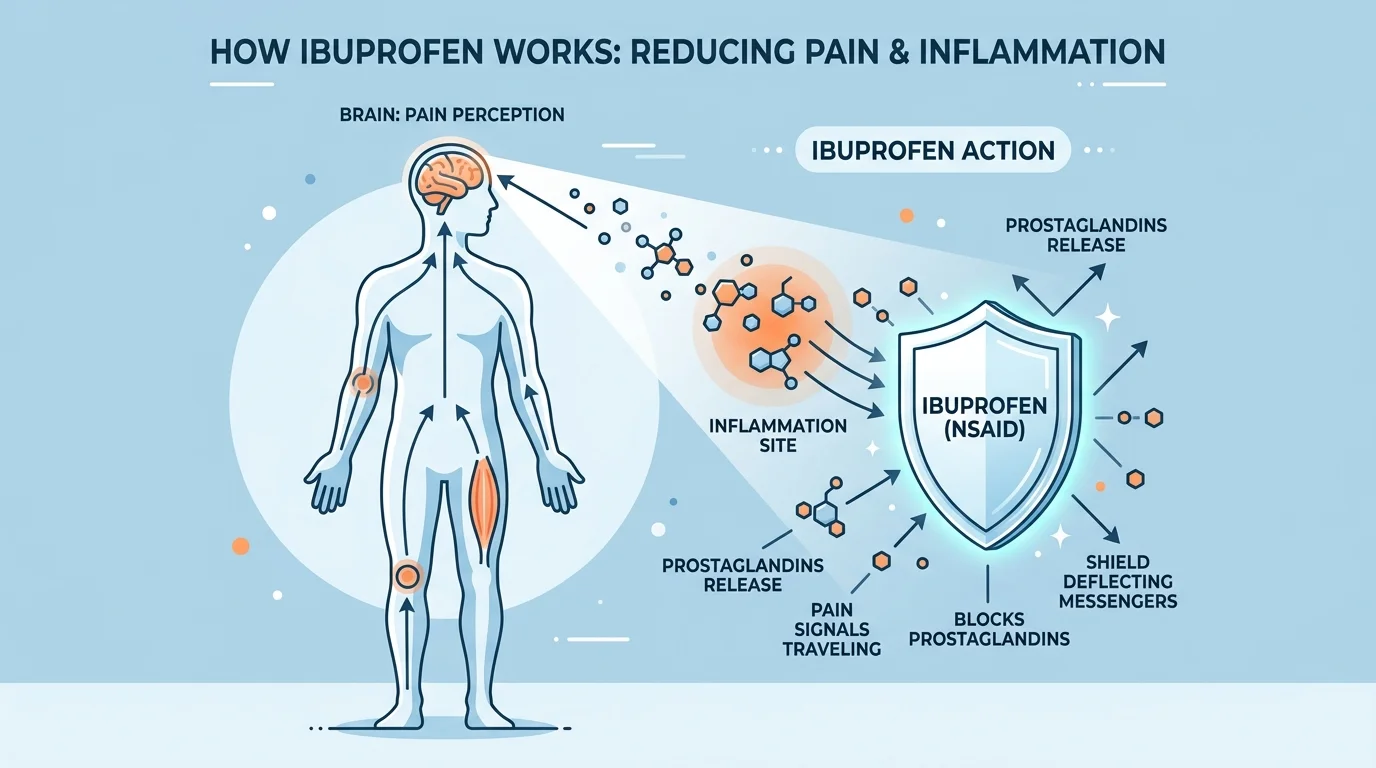
Let me explain this in the simplest way possible.
When your body fights an infection, it produces chemicals called prostaglandins.
These chemicals tell your brain to raise your body temperature.
That is how a fever starts.
Ibuprofen works by blocking the production of prostaglandins.
When fewer prostaglandins are made, your brain gets the signal to cool things down.
This is what doctors call the antipyretic properties of ibuprofen.
“Antipyretic” is just a fancy word for “fever reducer.”
Most people start feeling relief within 30 to 60 minutes of taking ibuprofen.
The fever-reducing effect usually lasts about 6 to 8 hours.
That is why it is such a popular choice for both adults and children.
🤔 When Should You Actually Treat a Fever?
Here is something many people do not realize.
A fever is not always your enemy.
It is actually your body’s natural way of fighting off infections.
A mild fever can help your immune system work better.
So you do not need to panic every time the thermometer reads a little high.
When to treat a fever with ibuprofen:
- Your temperature is 100.4°F (38°C) or higher and you feel miserable.
- You are experiencing body aches, chills, or headache along with the fever.
- Your child is uncomfortable, cranky, or not eating or drinking well.
- The fever is making it hard to sleep or rest.
When to just rest and wait:
- The fever is mild and you feel okay overall.
- You are able to drink fluids and rest comfortably.
- The temperature is below 100.4°F (38°C).
The goal of treating a fever is not to make the number zero.
It is to make the person feel comfortable enough to rest and recover.
💊 Ibuprofen Dosage for Fever
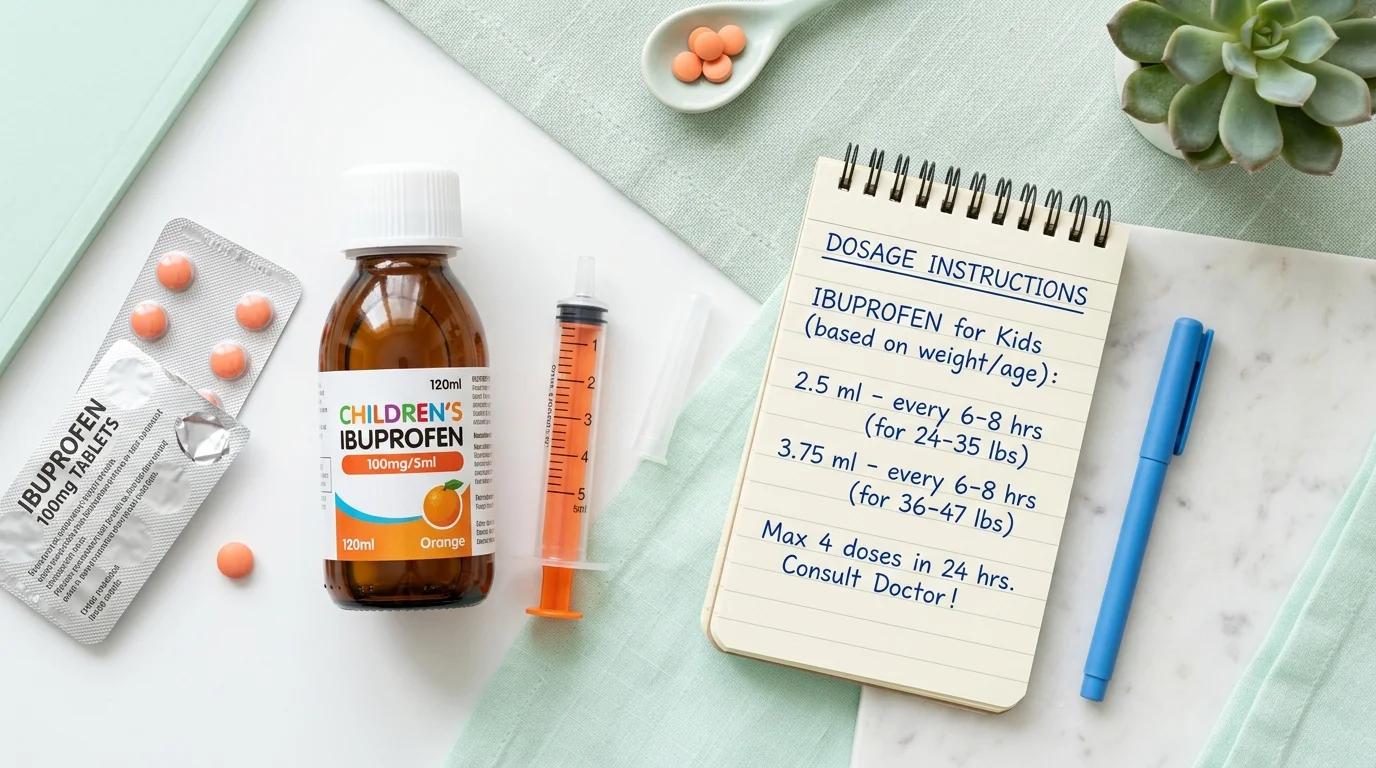
Getting the dosage right is super important.
Too little and it will not work well.
Too much and you risk side effects.
For Adults and Teens Over 12:
- 200mg to 400mg every 4 to 6 hours as needed.
- Do not exceed 1,200mg in 24 hours without a doctor’s advice.
- Always take it with food or a glass of water to protect your stomach.
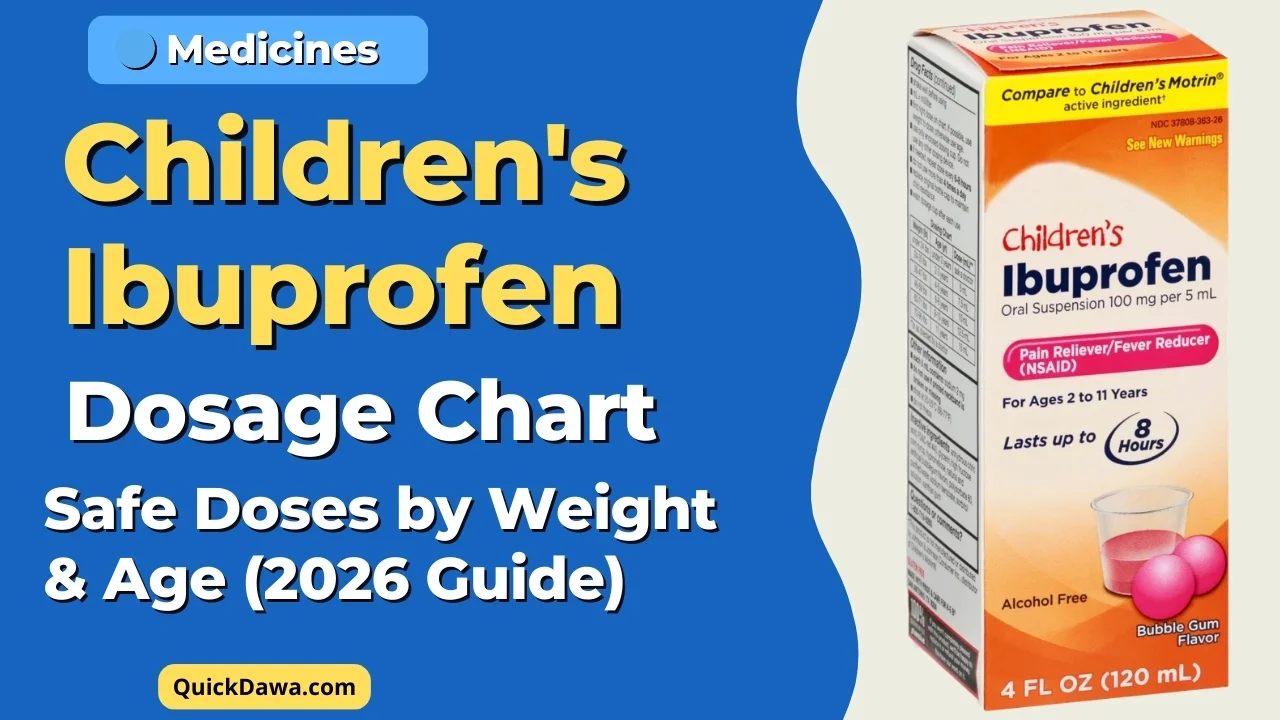
For Children (6 months and older):
- The dose is based on the child’s weight, not just their age.
- Typical dose is 5mg to 10mg per kilogram of body weight every 6 to 8 hours.
- Always use the measuring tool that comes with the children’s liquid ibuprofen.
- Never give ibuprofen to babies younger than 6 months without a doctor’s approval.
Here at QuickDawa, we always recommend double checking the dosage with your pharmacist, especially when giving medicine to children.
A small mistake with a child’s dose can make a big difference.
🔄 Alternating Ibuprofen With Acetaminophen
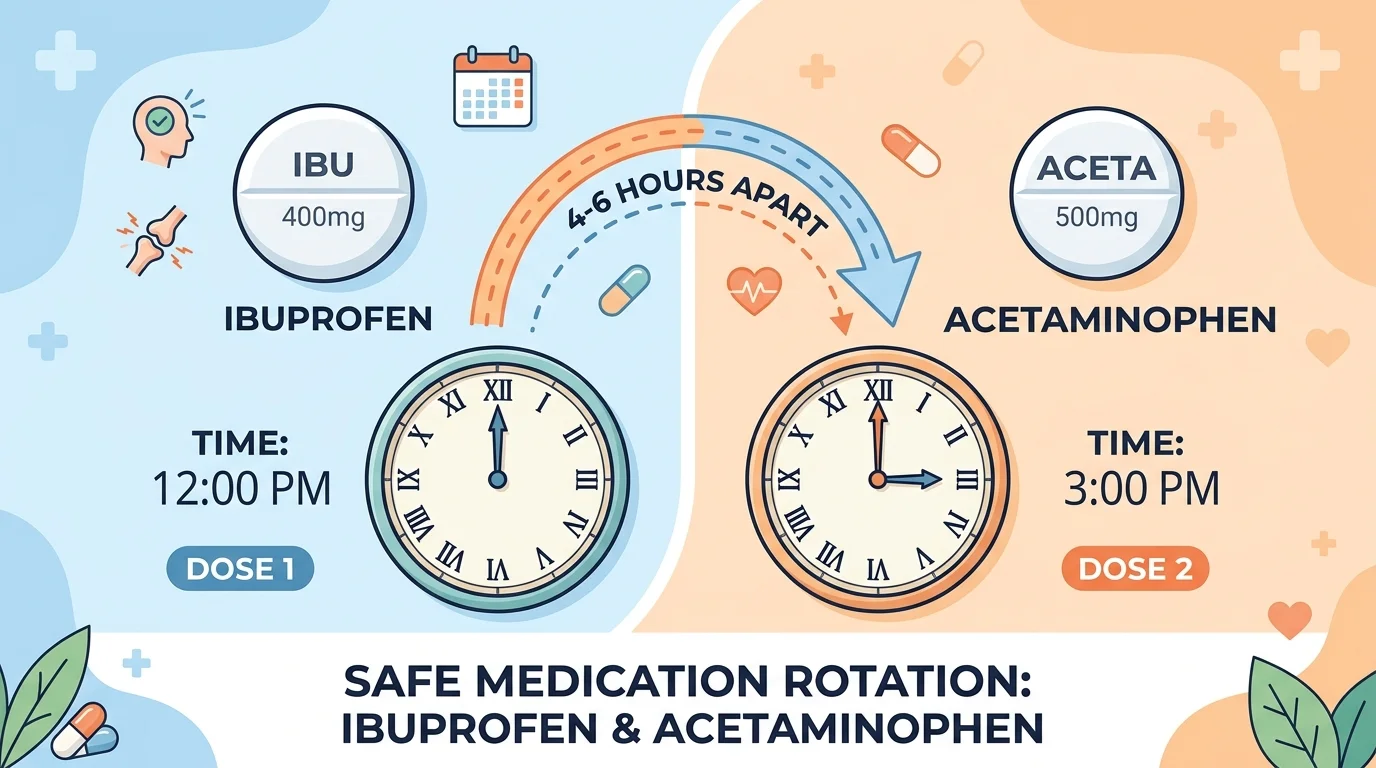
You may have heard that alternating ibuprofen with acetaminophen (Tylenol) can help control a stubborn fever.
And yes, many pediatricians and doctors do recommend this approach.
Here is how it works:
- Give ibuprofen first.
- Wait 3 to 4 hours.
- If the fever is still high, give a dose of acetaminophen.
- Wait another 3 to 4 hours before going back to ibuprofen.
This method keeps a steady level of fever relief going throughout the day.
But there is one important rule.
Never give both medicines at the exact same time unless your doctor specifically tells you to.
And keep a written log so you do not accidentally double up on doses.
It is easy to lose track, especially in the middle of the night when you are exhausted.
⚠️ Side Effects of Ibuprofen You Should Know About
Ibuprofen is safe for most people when used correctly.
But like any medicine, it does come with possible side effects.
Common side effects include:
- Stomach upset or nausea
- Heartburn or indigestion
- Dizziness
- Mild headache
More serious side effects (rare but important):
- Stomach bleeding or ulcers
- Kidney problems with long-term use
- Allergic reactions like skin rash, swelling, or difficulty breathing
- Increased blood pressure
Reduce your risk of side effects by:
- Taking ibuprofen with food, never on an empty stomach.
- Using the lowest effective dose for the shortest time.
- Drinking plenty of water.
- Avoiding alcohol while taking ibuprofen.
If you notice any unusual symptoms, stop taking it and talk to your doctor right away.
🚫 Who Should NOT Take Ibuprofen for Fever?
Ibuprofen is not right for everyone.
Avoid ibuprofen if you:
- Have a history of stomach ulcers or gastrointestinal bleeding.
- Are allergic to ibuprofen, aspirin, or other NSAIDs.
- Have severe kidney or liver disease.
- Are in the third trimester of pregnancy.
- Are taking blood thinners like warfarin.
- Have been diagnosed with heart failure.
Also, ibuprofen is not recommended for babies under 6 months old.
If any of these apply to you or your loved one, acetaminophen (Tylenol) may be a safer alternative for fever relief.
Always check with your doctor or pharmacist before starting any new medication.
🏥 When to Call a Doctor About a Fever
Most fevers go away on their own within a few days.
But sometimes a fever is a sign that something more serious is going on.
Call your doctor or go to the emergency room if:
- A baby under 3 months old has a rectal temperature of 100.4°F (38°C) or higher.
- A child’s fever lasts more than 3 days despite treatment.
- An adult’s fever goes above 103°F (39.4°C) and is not responding to medicine.
- The fever comes with a stiff neck, severe headache, confusion, or rash.
- There are signs of dehydration like no tears, dry mouth, or very little urination.
- You experience difficulty breathing or chest pain.
- The person has a seizure.
Trust your instincts.
If something feels off, it is always better to call your doctor and get peace of mind.
No question is too small when it comes to your health or your child’s health.
🙋 Frequently Asked Questions About Ibuprofen for Fever
Q: Can you take ibuprofen and acetaminophen together for fever?
A: You can alternate them, but it is best not to take both at the exact same time unless your doctor advises it. Alternating every 3 to 4 hours is a common and effective approach.
Q: How long does ibuprofen take to reduce a fever?
A: Most people notice their fever starting to drop within 30 to 60 minutes after taking ibuprofen. The full effect usually kicks in within about an hour.
Q: Is ibuprofen safe for children with a fever?
A: Yes, ibuprofen is generally safe for children 6 months and older when given at the correct weight-based dose. Always use the measuring device included with the children’s formula.
Q: Ibuprofen vs acetaminophen for fever, which is better?
A: Both are effective fever reducers. Ibuprofen also reduces inflammation, while acetaminophen is gentler on the stomach. Your choice depends on your specific health situation and your doctor’s recommendation.
Q: Can I take ibuprofen for fever during pregnancy?
A: Ibuprofen should be avoided during the third trimester of pregnancy as it can cause complications. During the first and second trimesters, talk to your doctor first. Acetaminophen is usually the safer choice during pregnancy.
🌐 Sources and External References
- FDA Drug Label for Ibuprofen — Official FDA information
- MedlinePlus — Ibuprofen — U.S. National Library of Medicine
- Drugs.com — Ibuprofen Full Information — Comprehensive drug reference
- WebMD — Ibuprofen Oral — User-friendly drug details
- Mayo Clinic — Ibuprofen (Oral Route) — Trusted medical resource
- RxList — Ibuprofen — Professional drug information
🏁 Final Thoughts on Using Ibuprofen for Fever
Fever can be scary, especially when it hits your little ones.
But now you know exactly how ibuprofen works, when to use it, and how to use it safely.
Remember, not every fever needs medicine right away.
Sometimes rest, fluids, and a little patience are all you need.
But when discomfort sets in and you need relief, ibuprofen is a reliable and effective tool to have in your medicine cabinet.
Just stick to the right dose, watch for any side effects, and never hesitate to call your doctor if something does not feel right.
At QuickDawa, we believe that understanding your medicine is just as important as taking it. Knowledge is the first step toward better health. If you found this guide helpful, share it with someone who needs it and explore more medicine guides on QuickDawa.com for trusted, easy to understand health information.
Got a question about ibuprofen or any other medicine?
Drop it in the comments below or reach out to us through our contact page. We would love to hear from you and help you out!
⚠️ Medical Disclaimer
The information provided in this article is intended for educational and informational purposes only. It is not a substitute for professional medical advice, diagnosis, or treatment. Always seek the guidance of your qualified doctor, pharmacist, or healthcare provider with any questions you may have regarding a medical condition, medication, or treatment plan.
Never disregard professional medical advice or delay seeking it because of something you read on QuickDawa.com or any other website. If you think you may have a medical emergency, call your doctor, go to the nearest emergency room, or call emergency services immediately.
Drug information, dosages, and interactions described in this post are provided for general awareness only and may not apply to your individual health situation. Medications affect people differently based on age, weight, health conditions, and other factors.
QuickDawa.com and its authors do not assume any liability for any consequences arising from the use or misuse of information presented on this website.