Ibuprofen for Period Cramps – Best Guide to Fast Menstrual Pain Relief
You know that feeling, right?
Your period is about to start and your lower belly already feels like it is being squeezed from the inside.
You are curled up on the couch with a heating pad.
Maybe you have canceled plans because the pain is just too much.
Honestly, ibuprofen for period cramps is one of the most common and effective solutions millions of women reach for every single month.
And for good reason.
Period cramps, also called dysmenorrhea, can range from a dull ache to sharp, stabbing pain that makes it hard to focus on anything.
Some women deal with nausea, headaches, and back pain on top of it.
It is exhausting.
The good news is that you do not have to just “tough it out.”
There is real science behind why ibuprofen works so well for menstrual pain.
And when you take it the right way, it can make a huge difference.
At QuickDawa, we are all about making medicine easy to understand. So let’s break down everything you need to know about ibuprofen for period cramps in simple, clear language.
No complicated medical talk.
Just honest, helpful information you can actually use.
💊 What Is Ibuprofen?
Ibuprofen is a nonsteroidal anti-inflammatory drug, commonly called an NSAID.
It is sold under popular brand names like Advil, Motrin, and Brufen.
It is used to treat pain, inflammation, and fever.
You can buy it over the counter in most pharmacies without a prescription.
It is one of the most widely used pain relievers in the world, and it works especially well for menstrual cramps.
🔬 How Does Ibuprofen Stop Period Pain?
Okay, here is the part that actually explains why this little pill works so well.
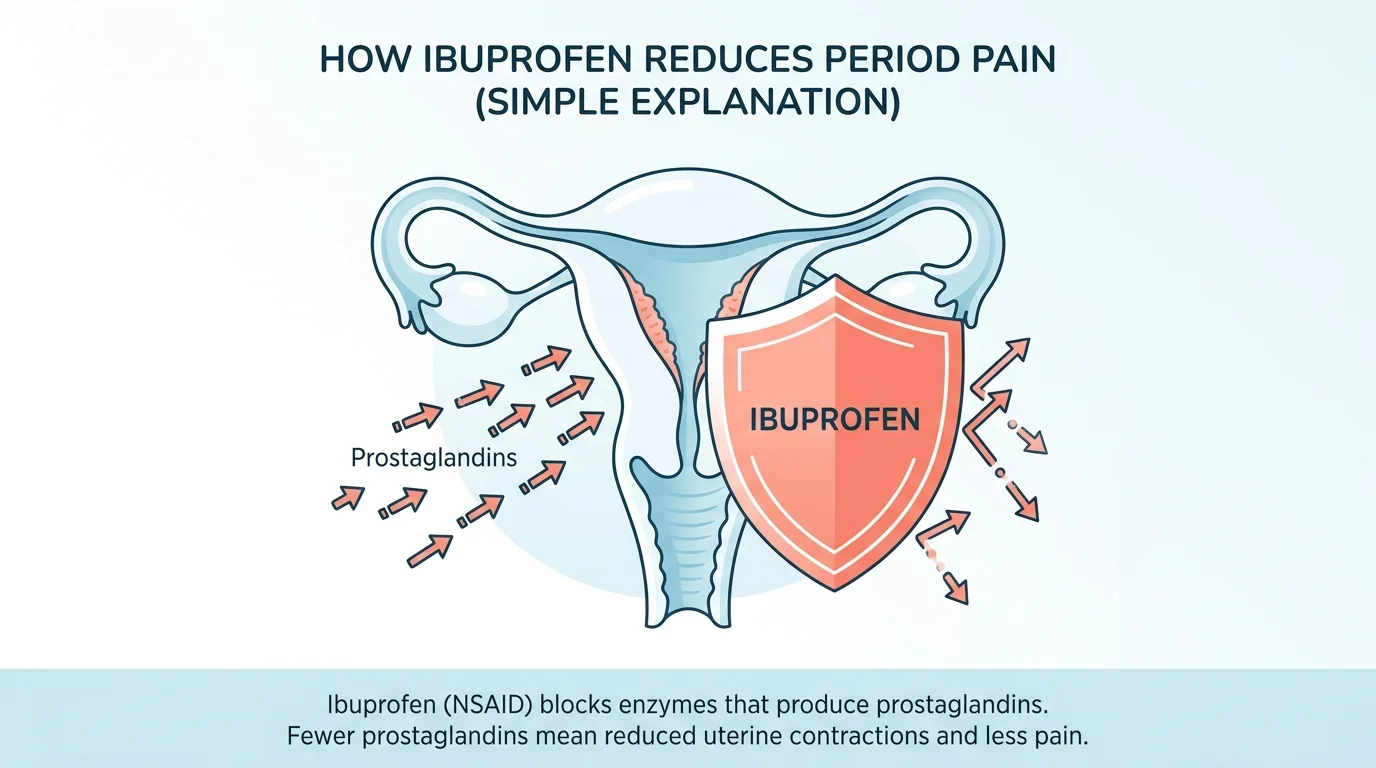
When your period starts, your uterus produces chemicals called prostaglandins.
Think of prostaglandins as tiny messengers that tell your uterus to contract and squeeze.
Those contractions help shed the uterine lining during your period.
But here is the problem.
When your body makes too many prostaglandins, the contractions become stronger and more painful.
That is what causes those awful cramps.
Ibuprofen works by blocking the production of prostaglandins.
This process is called prostaglandin inhibition.
When there are fewer prostaglandins, your uterus does not contract as hard.
Less contraction means less pain.
It is really that simple.
This is exactly why ibuprofen is considered one of the best over-the-counter options for menstrual cramps.
It does not just mask the pain like some other painkillers.
It actually goes after the root cause of the pain.
Pretty cool, right?
⏰ When Is the Best Time to Take Ibuprofen for Cramps?
This is where most people get it wrong.
They wait until the pain is already unbearable and then pop a pill.
But by that point, your body has already made a ton of prostaglandins.
The best time to take ibuprofen for cramps is before the pain gets bad.
Ideally, you should take it as soon as you notice the first signs that your period is starting.
Some doctors even suggest taking it a day before your expected period if your cramps are predictable and severe.
Here is why this matters:
Ibuprofen prevents prostaglandins from being made in the first place.
If you wait too long, those chemicals are already floating around causing pain.
Starting early gives the medicine a head start.
Think of it like this: it is easier to stop a fire before it spreads than to put it out when the whole house is burning.
Pro tip: Take your first dose with food or a glass of milk to protect your stomach.
💊 Ibuprofen Dosage for Menstrual Cramps
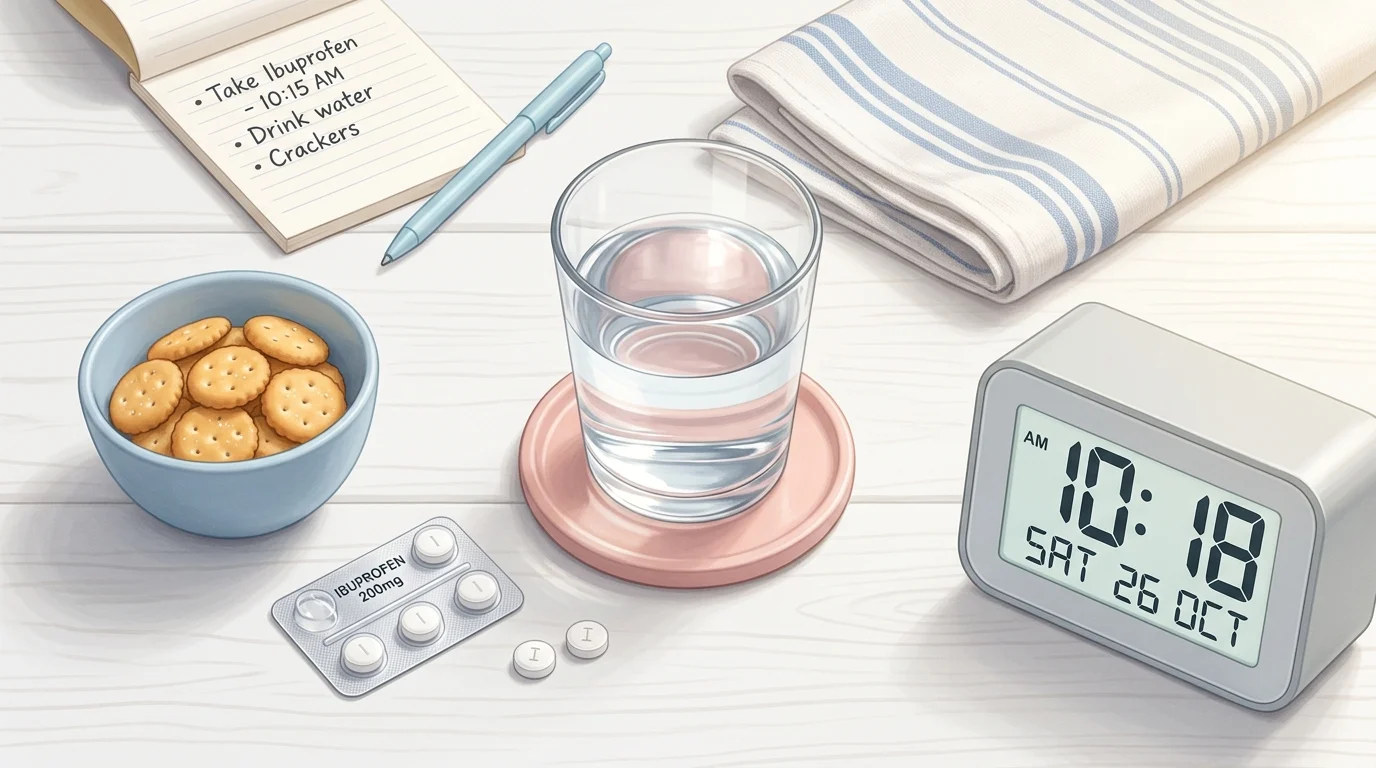
Now let’s talk about how much to take.
For adults and teens over 12 years old, the typical over-the-counter dosage is:
- 200 mg to 400 mg every 4 to 6 hours as needed
- Do not exceed 1200 mg in 24 hours (without a doctor’s guidance)
- A doctor may prescribe up to 800 mg per dose for severe cramps
Here are some important dosage tips:
- Always take ibuprofen with food or at least a snack
- Drink a full glass of water with each dose
- Do not take it on an empty stomach to avoid irritation
- Use the lowest effective dose for the shortest time possible
- Follow the instructions on the packaging unless your doctor says otherwise
If 200 mg is enough to control your pain, there is no need to jump to 400 mg.
Start low and see how your body responds.
For teens under 12, always check with a pediatrician before giving ibuprofen for period pain.
✅ Benefits of Using Ibuprofen for Period Cramps
Why do so many women swear by ibuprofen during their periods?
Here are the biggest benefits:
- Targets the actual cause of cramp pain (prostaglandin inhibition)
- Reduces inflammation in the uterus
- Works fast, usually within 20 to 30 minutes
- Available without a prescription at any pharmacy
- Affordable and widely accessible
- Can also help with headaches, back pain, and bloating that come with periods
- Can reduce heavy menstrual flow in some cases (yes, really!)
Studies have shown that ibuprofen can actually reduce menstrual blood flow by lowering prostaglandin levels.
So it is kind of a two-in-one deal for some women.
⚠️ Side Effects and Precautions
Ibuprofen is generally safe when used correctly.
But like every medicine, it comes with some possible side effects.
Common side effects may include:
- Stomach upset or nausea
- Heartburn or indigestion
- Dizziness
- Mild headache
More serious side effects (rare but important to know):
- Stomach ulcers or bleeding (especially with long-term use)
- Kidney problems
- Increased blood pressure
- Allergic reactions like rash, swelling, or difficulty breathing
Who should be extra careful or avoid ibuprofen?
- Women who are pregnant (especially in the third trimester)
- People with a history of stomach ulcers or GI bleeding
- Anyone with kidney disease
- People allergic to aspirin or other NSAIDs
- Those taking blood thinners
If you have any of these conditions, talk to your doctor before reaching for ibuprofen.
At QuickDawa, we always say: when in doubt, ask your doctor first.
🔄 Ibuprofen vs Other Pain Relievers for Period Cramps
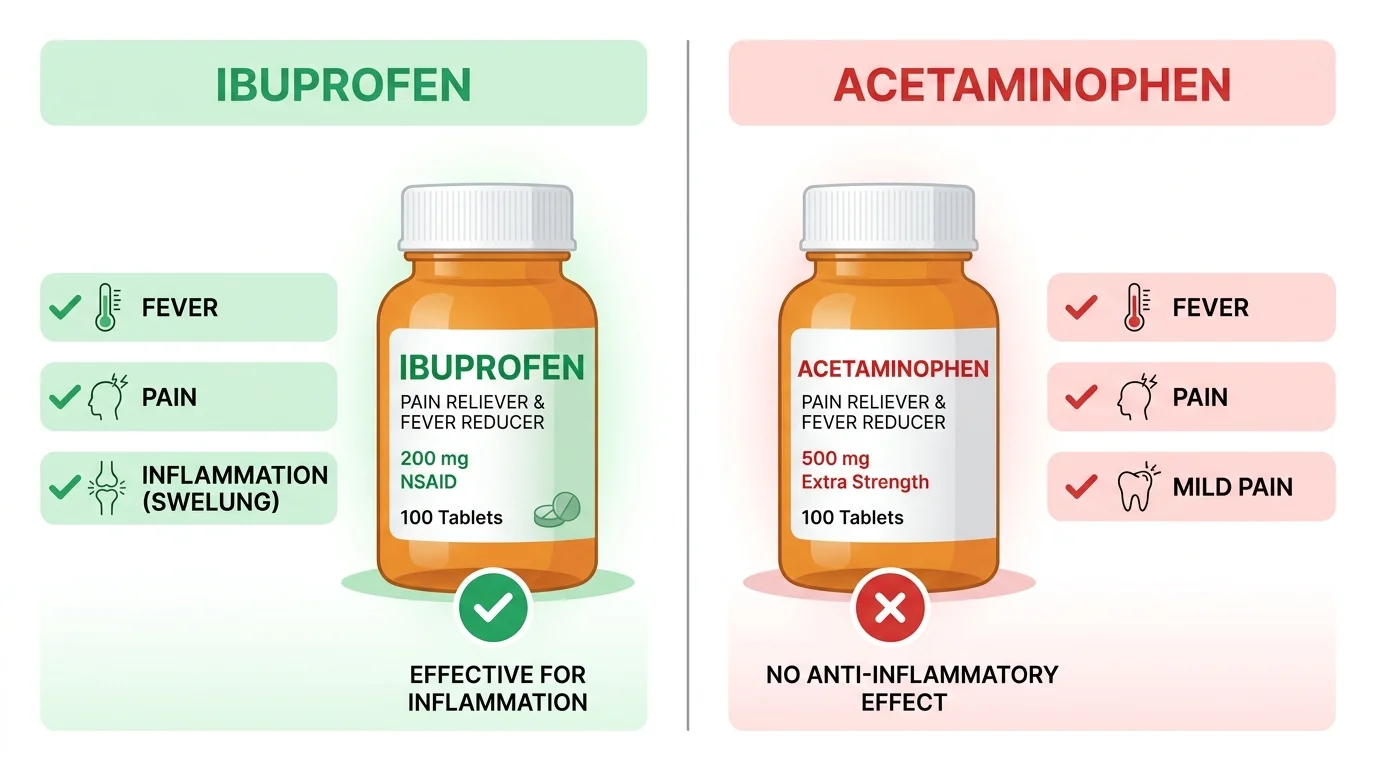
You might be wondering, “Why not just take Tylenol instead?”
Good question.
Let’s compare the most common options.
Ibuprofen vs Acetaminophen (Tylenol) for Period Pain:
| Feature | Ibuprofen | Acetaminophen (Tylenol) |
|---|---|---|
| Blocks prostaglandins | ✅ Yes | ❌ No |
| Reduces inflammation | ✅ Yes | ❌ No |
| Relieves pain | ✅ Yes | ✅ Yes |
| Reduces menstrual flow | ✅ Sometimes | ❌ No |
| Gentle on stomach | ❌ Can irritate | ✅ Usually gentler |
Bottom line: Ibuprofen is generally more effective for period cramps because it targets the root cause (prostaglandins).
Acetaminophen only blocks pain signals in the brain but does not reduce inflammation or cramping at the source.
However, if you cannot take ibuprofen due to stomach issues, acetaminophen is a decent backup.
What about Naproxen (Aleve)?
Naproxen is another NSAID that works similarly to ibuprofen.
The main difference is that naproxen lasts longer, so you take fewer doses per day.
Some women prefer it because they only need to take it every 8 to 12 hours.
Both are effective, so it comes down to personal preference and what your body responds to best.
🛑 When to Call Your Doctor
Period cramps are common, but sometimes the pain signals something more serious.
Call your doctor if:
- Your cramps are so severe that ibuprofen does not help at all
- The pain gets worse over time instead of staying the same
- You experience very heavy bleeding that soaks through a pad or tampon every hour
- You have cramps outside of your period
- You develop a fever along with menstrual pain
- You notice unusual discharge or changes in your cycle
- Over-the-counter medicines stop working after they used to help
These could be signs of conditions like endometriosis, fibroids, or pelvic inflammatory disease.
None of these are things you should ignore.
Getting checked out early makes all the difference.
Your pain is valid, and you deserve proper care.
💡 Extra Tips for Managing Period Cramps Alongside Ibuprofen

Ibuprofen is great, but combining it with some simple habits can help even more.
- Use a heating pad on your lower abdomen or back
- Stay hydrated by drinking plenty of water
- Light exercise or stretching can actually reduce cramp intensity
- Avoid excessive caffeine and salty foods during your period
- Try gentle yoga or walking to boost blood flow
- Get enough sleep because fatigue makes pain feel worse
- Consider magnesium supplements (ask your doctor first)
Think of ibuprofen as part of your cramp-fighting toolkit, not the only tool.
🙋 Frequently Asked Questions (FAQ)
Q: Can you take ibuprofen with acetaminophen for period cramps?
A: Yes, in most cases you can alternate ibuprofen and acetaminophen since they work differently. But always confirm the timing and dosage with your pharmacist or doctor.
Q: How long does ibuprofen take to work for menstrual cramps?
A: Ibuprofen usually starts working within 20 to 30 minutes. Full relief may take about an hour, especially if you took it with food.
Q: Is ibuprofen safe for teenagers with period cramps?
A: Yes, ibuprofen is generally safe for teens over 12 at the recommended over-the-counter dose. For younger teens, always consult a pediatrician first.
Q: Ibuprofen vs naproxen for period pain, which is better?
A: Both are NSAIDs and work similarly. Naproxen lasts longer per dose while ibuprofen kicks in faster. It depends on your body and preference.
Q: Can ibuprofen reduce heavy period flow?
A: Yes, studies show ibuprofen can reduce menstrual bleeding by about 25 to 30 percent in some women because it lowers prostaglandin production.
🌐 Sources and External References
Here are trusted sources where you can learn more about ibuprofen:
- FDA Drug Label for Ibuprofen — Official FDA information
- MedlinePlus: Ibuprofen — U.S. National Library of Medicine
- Drugs.com: Ibuprofen Full Information — Comprehensive drug details
- WebMD: Ibuprofen Oral — Uses, side effects, and interactions
- Mayo Clinic: Ibuprofen (Oral Route) — Proper use and precautions
- ACOG: Dysmenorrhea (Painful Periods) — American College of Obstetricians and Gynecologists
🏁 Final Thoughts
Period cramps are incredibly common, but that does not mean you have to suffer through them.
Ibuprofen is one of the safest and most effective tools you have for fighting menstrual pain.
The key is to start early, take the right dose, and combine it with healthy habits like hydration and gentle movement.
Remember that ibuprofen works best when you take it before the pain peaks, not after.
And if your cramps are severe, getting worse, or not responding to treatment, please see your doctor.
You deserve answers and relief.
At QuickDawa, we believe that understanding your medicine is just as important as taking it. Knowledge is the first step toward better health. If you found this guide helpful, share it with someone who needs it and explore more medicine guides on QuickDawa.com for trusted, easy-to-understand health information.
Got a question about ibuprofen or period pain? Drop it in the comments below or reach out through our contact page. We love hearing from you and we are always here to help!
⚠️ Medical Disclaimer
The information provided in this article is intended for educational and informational purposes only. It is not a substitute for professional medical advice, diagnosis, or treatment. Always seek the guidance of your qualified doctor, pharmacist, or healthcare provider with any questions you may have regarding a medical condition, medication, or treatment plan.
Never disregard professional medical advice or delay seeking it because of something you read on QuickDawa.com or any other website. If you think you may have a medical emergency, call your doctor, go to the nearest emergency room, or call emergency services immediately.
Drug information, dosages, and interactions described in this post are provided for general awareness only and may not apply to your individual health situation. Medications affect people differently based on age, weight, health conditions, and other factors.
QuickDawa.com and its authors do not assume any liability for any consequences arising from the use or misuse of information presented on this website.